

Pet diabetes is a chronic condition where a dog or cat cannot use insulin properly, leading to high blood sugar and metabolic stress. The practical goal is not to manage it alone. It is to recognize early signs, get a veterinary diagnosis, build a steady treatment routine, and monitor changes before they become emergencies.
Key Takeaways
- Early signs matter: Increased thirst, urination, hunger, or weight loss should prompt a veterinary visit.
- Diagnosis needs testing: Blood glucose, urine glucose, and clinical history guide confirmation.
- Insulin is common: Most diabetic dogs and many diabetic cats need prescribed insulin.
- Routine reduces swings: Consistent meals, injections, activity, and logs support safer care.
- Urgent signs need help: Weakness, seizures, vomiting, collapse, or severe lethargy require prompt veterinary advice.
Understanding Pet Diabetes in Dogs and Cats
Pet diabetes usually refers to diabetes mellitus, an endocrine disorder involving insulin and glucose. Insulin helps move glucose from the bloodstream into cells for energy. When insulin is lacking or does not work well, glucose stays in the blood while the body struggles to use fuel normally.
Dogs and cats can both develop diabetes, but the pattern often differs. Dogs commonly need long-term insulin once diagnosed. Some cats may have more variable courses, especially when weight, diet, and other conditions are addressed early. Your veterinarian can explain what is realistic for your pet’s species, age, weight, and other diagnoses.
Why this matters: untreated high blood sugar can lead to dehydration, infections, nerve problems, cataracts in dogs, and diabetic ketoacidosis, a serious metabolic emergency. For a deeper comparison of signs across species, see Feline and Canine Diabetes.
First Signs Owners Often Notice
The first signs of pet diabetes are often changes in water intake, urination, appetite, and weight. These changes can be easy to miss at first, especially in multi-pet homes or outdoor pets.
- More thirst: Water bowls empty faster than usual.
- More urination: Accidents, larger clumps, or frequent trips outside occur.
- Weight loss: The pet may lose weight despite eating.
- Appetite changes: Hunger may increase or later decrease.
- Lower energy: Play, walking, or grooming may decline.
- Vision changes: Dogs may develop cloudy eyes or bump into objects.
These signs do not prove diabetes. Kidney disease, urinary tract infections, Cushing’s disease in dogs, hyperthyroidism in cats, stress, and certain medications can cause similar patterns. Still, persistent thirst and urination deserve a veterinary exam, not a wait-and-see approach.
Owners often search for a “does my dog have diabetes quiz,” but a symptom checklist cannot diagnose the condition. A checklist can help you organize observations before the appointment. Bring notes on water intake, appetite, weight changes, accidents, medications, treats, and any new behavior.
How Veterinarians Diagnose Diabetes
Veterinarians diagnose diabetes by combining symptoms, examination findings, and laboratory results. A single stressed blood glucose reading may not be enough, especially in cats, because stress can temporarily raise glucose.
Typical evaluation may include blood glucose testing, urine testing for glucose and ketones, and sometimes fructosamine, which reflects average glucose over recent weeks. Your clinician may also check kidney values, liver values, electrolytes, and signs of infection. These tests help confirm the diagnosis and identify problems that could affect treatment.
If your pet seems very ill, testing becomes more urgent. Vomiting, dehydration, rapid breathing, severe weakness, or collapse can suggest complications such as diabetic ketoacidosis. That situation requires immediate veterinary care.
For dog-focused background on symptoms and treatment context, you can review Diabetes in Dogs. For cat-specific management concepts, see Feline Diabetes.
What Causes Diabetes and Who Is at Higher Risk
Diabetes develops when insulin production, insulin response, or both become inadequate. In dogs, immune-mediated damage to insulin-producing pancreatic cells is one possible pathway. Pancreatitis, hormonal diseases, pregnancy-related hormone changes, obesity, and some medications may also contribute.
In cats, excess body weight and reduced insulin sensitivity are common contributors. Some cats develop diabetes alongside pancreatitis, dental disease, infections, or other inflammatory conditions. Because several problems can overlap, treatment often includes looking for conditions that make glucose harder to control.
Breed, age, body condition, sex, and reproductive status may influence risk, but no risk factor guarantees disease. Middle-aged and older pets are often diagnosed. Some breeds appear overrepresented in canine diabetes, but individual evaluation matters more than breed alone.
Food alone is rarely the only cause. Owners often ask what food causes diabetes in dogs, but the more useful question is whether total calories, weight gain, treats, activity, and underlying disease are increasing risk. Sudden diet changes can also complicate glucose control once treatment starts.
Treatment Basics: Insulin, Food, and Routine
Pet diabetes treatment usually combines insulin, consistent feeding, weight management, and monitoring. Your veterinarian chooses the plan based on species, glucose patterns, other illnesses, and what your household can safely do every day.
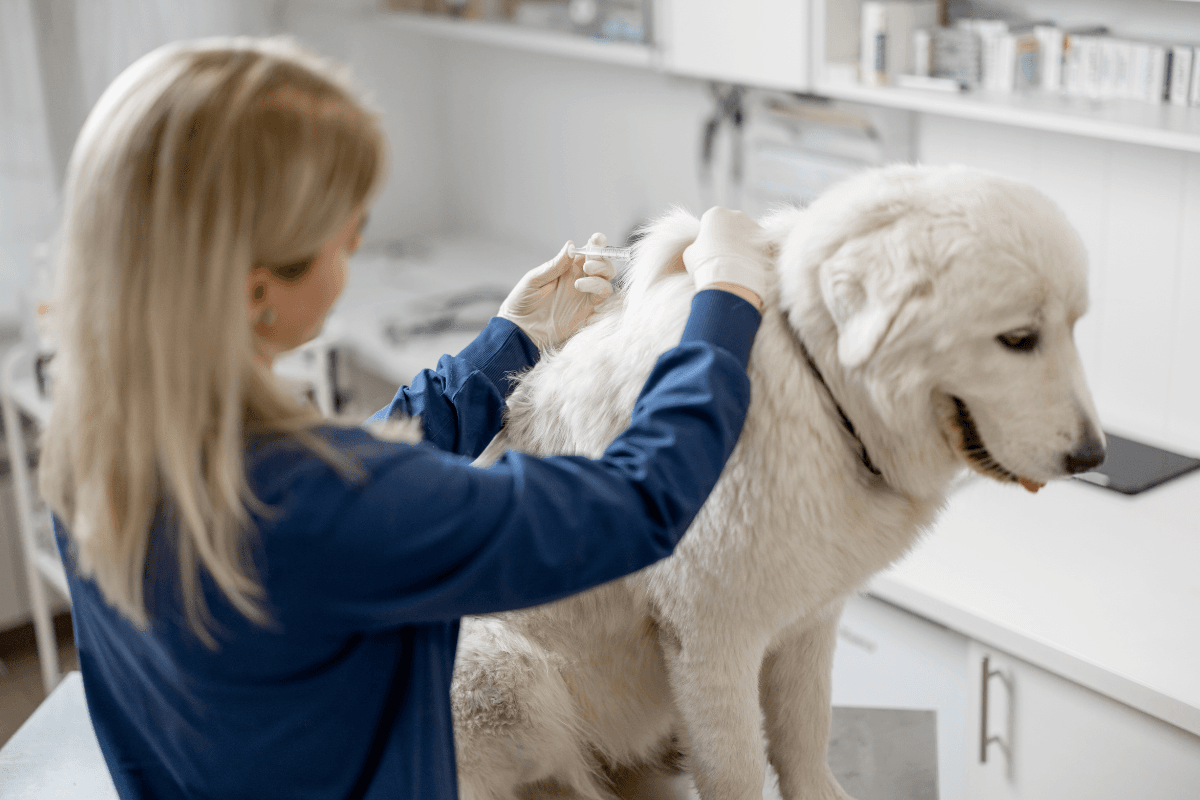
Most diabetic dogs require insulin injections. Many cats also need insulin, at least initially. Never start, stop, or change insulin without veterinary direction. Missed doses, double doses, wrong syringes, and unit confusion can cause dangerous highs or lows.
Insulin products vary in concentration, action profile, and approved species use. If your veterinarian prescribes a specific product, review the label, storage instructions, and syringe or pen compatibility. For general storage principles, see Pet Insulin Storage. If your pet uses a feline or veterinary insulin, the ProZinc Vial page can help you review product-specific details with your veterinarian.
Quick tip: Keep one written dosing sheet in the same place as the insulin supplies.
Feeding plans should be predictable. Dogs often do best with measured meals at consistent times that match insulin timing. Cats may need a plan that considers appetite, grazing behavior, body weight, and carbohydrate intake. Veterinary therapeutic diets may help some pets, but there is no single best diabetic food for every animal.
Treats count. Even small extras can affect calories and glucose patterns. Ask your veterinarian which treats are reasonable and how to handle special situations, such as poor appetite, vomiting, or skipped meals.
Home Monitoring and Safer Daily Care
Home monitoring helps identify trends between veterinary visits. It does not replace rechecks, lab work, or professional interpretation. The most useful home records are consistent and simple enough to maintain.
Track appetite, water intake, urination, activity, weight, insulin time, food amount, and any unusual symptoms. Some owners also use home glucose meters or continuous glucose monitoring when their veterinarian recommends it. If readings are reported in different units, a converter can help with unit review before discussing patterns with the clinic.
Blood Glucose Unit Converter
Convert glucose readings between mg/dL and mmol/L without changing the clinical value.
These calculations are for education only and do not replace clinical advice, diagnosis, or treatment. Always confirm medical decisions with a qualified healthcare professional.
This calculator converts glucose values between mg/dL and mmol/L. It is only a unit tool and does not interpret whether a pet’s reading is safe.
Ask your veterinary team which numbers matter for your pet. Targets may differ by species, age, symptoms, concurrent disease, and risk of hypoglycemia. A single reading is less useful than a pattern paired with food intake, insulin timing, and behavior.
Hypoglycemia means blood sugar is too low. Signs may include sudden hunger, trembling, weakness, wobbliness, disorientation, seizures, or collapse. Your veterinarian should provide a written plan for what to do if these signs appear. For prevention-focused reading, see Pet Insulin Dosage.
Life Expectancy, Progression, and Difficult Decisions
Many pets live comfortably for years with coordinated care, but life expectancy varies. Important factors include age at diagnosis, response to insulin, infections, pancreatitis, kidney disease, weight, and how consistently treatment can be given.
Owners often ask how long a dog can live with diabetes with insulin. There is no reliable number that applies to every dog. Stable routines, follow-up visits, and early attention to complications can support quality of life. Your veterinarian can give the most realistic outlook after seeing glucose trends and overall health.
Signs that a diabetic dog or cat is declining may include repeated vomiting, refusal to eat, severe weakness, persistent dehydration, labored breathing, seizures, collapse, uncontrolled pain, or loss of interest in normal interaction. These signs do not always mean death is near, but they do mean the pet needs prompt veterinary assessment.
End-of-life conversations are hard, yet they can reduce suffering. Ask your veterinarian which signs suggest discomfort, which problems are treatable, and when emergency care is appropriate. Daily notes on appetite, mobility, urination, sleep, and social behavior can make those conversations clearer.
Working With Veterinary and Pharmacy Partners
Good diabetes care depends on coordination. Your veterinarian diagnoses the condition, prescribes treatment, sets monitoring goals, and adjusts the plan. Pharmacy partners help with access to prescribed products, but they do not replace veterinary care.
CanadianInsulin.com is a prescription referral platform. When required, prescription details may be confirmed with the prescriber, while dispensing and fulfilment are handled by licensed third-party pharmacies where permitted. This matters for pet diabetes because product names, concentrations, storage instructions, and prescription details must match the veterinary plan.
Before refills or product changes, keep a current list of insulin name, concentration, syringe type, dose schedule, feeding plan, and your pet’s weight. If anything changes, confirm the details with your veterinarian before using the product. Small mismatches can cause large dosing errors.
For broader browsing, the Diabetes Supplies collection can help you identify related categories to discuss with your care team. You can also explore Pet Health Articles or the Diabetes Article Collection for more educational reading.
Authoritative Sources
For owner-friendly veterinary guidance, review the AVMA diabetes in pets resource.
For clinical background on diagnosis and management, see the Merck Veterinary Manual overview.
For canine diabetes management context, Cornell provides canine diabetes education.
Recap
Pet diabetes is manageable for many dogs and cats when owners act early, follow veterinary instructions, and keep routines consistent. Watch for thirst, urination, appetite, weight, and energy changes. Then use testing, treatment, nutrition, and monitoring as connected parts of one care plan.
The next step is practical: record what you see, bring clear notes to your veterinarian, and confirm every insulin or feeding change before making it. Steady communication helps protect your pet from avoidable highs, lows, and dosing mistakes.
This content is for informational purposes only and is not a substitute for professional medical advice.