
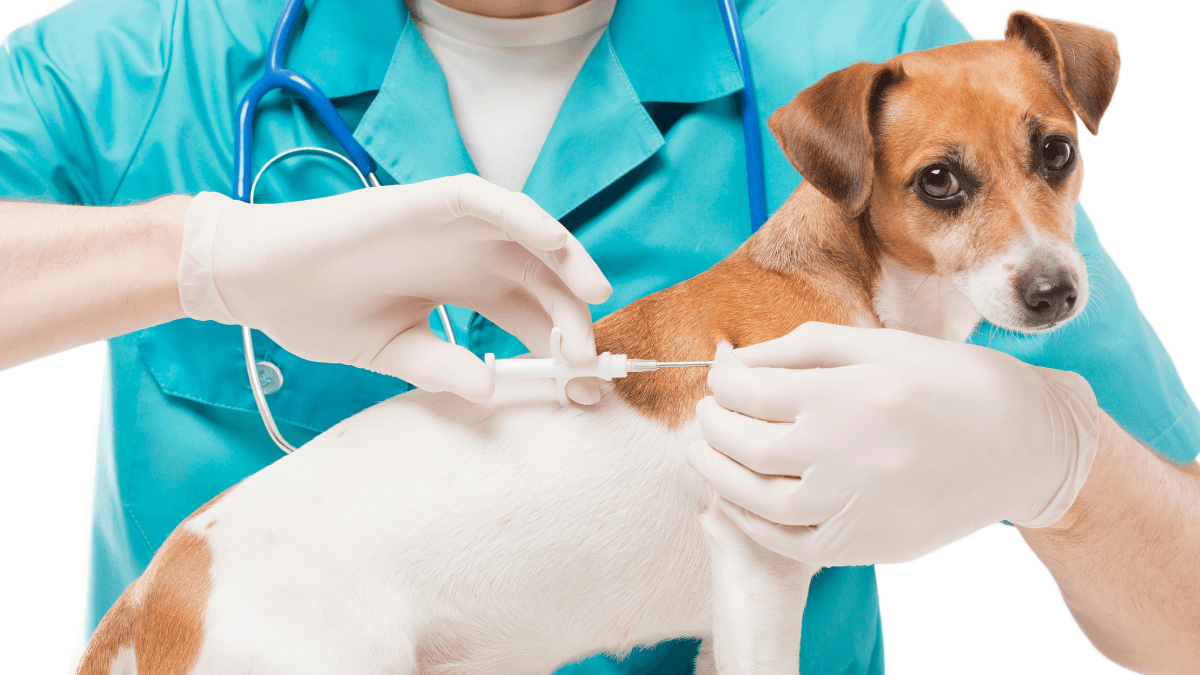
Pet insulin helps control diabetes in dogs and cats, but safe use depends on accuracy. The most important step is to give only the insulin type, syringe, timing, and amount your veterinarian prescribed. Small mistakes can cause low blood sugar, high blood sugar, or confusing readings that delay proper care.
This page focuses on practical safeguards. It does not provide a pet insulin dosage chart or replace veterinary instructions. Instead, it shows how to prevent common errors, recognize warning signs, store insulin correctly, and prepare better questions for your clinic.
Key Takeaways
- Confirm the label before each injection.
- Match U-40 or U-100 syringes exactly.
- Keep meals, activity, and timing consistent.
- Log doses, glucose readings, appetite, and symptoms.
- Call your veterinarian for repeated highs, lows, or mistakes.
Pet Insulin Dosage Starts With the Prescription
Pet insulin dosage should come from a veterinarian, not a weight-only chart. Body weight matters, but it is only one part of the decision. Your veterinarian may also consider species, diagnosis, appetite, body condition, other illnesses, lab results, and glucose monitoring patterns.
Many owners search for a dog insulin dosage chart by weight because they want a simple answer. That can be risky. Two dogs with the same weight may need different plans because they eat differently, respond differently, or use different insulin types. Cats also have distinct patterns, and remission or changing insulin needs can occur in some cases.
Your safest home role is to give the prescribed amount consistently and report patterns. Do not increase, decrease, skip, or repeat a dose unless your veterinarian has already given specific instructions for that situation. If a dose was missed, spilled, or partly injected into fur, call the clinic or follow the written plan they provided.
Why it matters: A second unplanned dose can be more dangerous than one missed dose.
Match the Insulin, Syringe, and Units Every Time
The largest preventable dosing errors often come from unit mismatches. Some veterinary insulin products are U-40, while many human insulin products are U-100. Those labels describe concentration, meaning how many units are in each mL of fluid. The syringe markings must match the concentration.
Never convert by eye between U-40 and U-100 syringes. The lines are not interchangeable. A U-40 insulin should be measured with a U-40 syringe unless your veterinarian gives a written conversion plan. A U-100 insulin should be measured with a U-100 syringe. Keep the syringe box near the matching vial and remove old syringe types from the injection area.
If your veterinarian prescribes a veterinary product such as Caninsulin Vial, review the label and dispensing instructions before the first dose. Product pages can help identify the item, but the prescription label and veterinary instructions should control how it is used.
Simple Pre-Injection Check
- Pet name: confirm the correct animal.
- Insulin name: read the vial label aloud.
- Concentration: check U-40 or U-100.
- Syringe type: match the concentration.
- Dose mark: verify the plunger line.
- Timing: confirm food and schedule.
For households with more than one caregiver, use one written dosing sheet. Initial each dose after it is given. This reduces double dosing and helps your veterinarian interpret the record later.
How to Give Insulin to a Dog or Cat Safely
Good technique makes the dose more reliable and helps your pet stay calmer. Ask your veterinary team to demonstrate the injection, then watch you practice. Many clinics can help you rehearse with saline or an empty syringe before you give pet insulin at home.
Wash your hands, gather supplies, and keep the vial at the handling temperature recommended on its label. If the product should be mixed, use the method your clinic showed you. Some products are rolled gently. Others should not be shaken. Then draw the prescribed amount and remove air bubbles without changing the measured dose.
Most home injections go under the skin, not into muscle. Your clinic can show safe sites and how to rotate them. Avoid areas with swelling, irritation, infection, or thick scarring. If the needle passes through the skin fold and fluid wets the fur, do not automatically repeat the dose. Mark the event in your log and contact your clinic for guidance.
For dog-specific training context, the page on Insulin Dogs covers broader treatment concepts. For a wider canine-focused overview, see Insulin for Dogs.
Overdose, Underdose, and Glucose Warning Signs
Pet insulin overdose most often causes hypoglycemia, which means blood glucose is too low. Signs can include sudden hunger, weakness, wobbling, tremors, disorientation, collapse, or seizures. Severe symptoms need urgent veterinary care.
Underdosing, missed doses, poor absorption, spoiled insulin, infection, or disease progression may contribute to high blood sugar. Hyperglycemia, meaning blood glucose is too high, may cause increased thirst, frequent urination, weight loss, tiredness, or a poor coat. These signs can overlap with other conditions, so your veterinarian should interpret them with the full history.
If your clinic has advised a fast sugar source for emergencies, keep it in the same area as the glucose meter and your written action plan. Do not force food, syrup, or liquids into a pet that is unconscious, seizing, or unable to swallow. Seek emergency help instead.
For a focused safety review, read Insulin Overdose Symptoms Dogs. Cat owners can also review Insulin Cats for feline-specific context.
When to Call the Veterinarian Promptly
- Neurologic signs: wobbling, seizures, or collapse.
- Repeated lows: more than one concerning reading.
- Persistent highs: ongoing thirst or urination.
- Appetite change: skipped meals before insulin.
- Dose uncertainty: possible double or wrong dose.
- Illness signs: vomiting, diarrhea, infection, or pain.
Monitoring, Logs, and Glucose Unit Conversion
Monitoring helps your veterinarian see patterns instead of isolated numbers. Record the insulin name, dose, injection time, meal amount, appetite, exercise, water intake, symptoms, and glucose readings if home testing is part of your plan.
Some glucose meters and veterinary reports use different units. A reading may appear in mg/dL or mmol/L. Converting units correctly can prevent confusion when you compare records or share numbers with your clinic. This calculator can help with basic glucose unit conversion only; it does not decide dose changes.
Blood Glucose Unit Converter
Convert glucose readings between mg/dL and mmol/L without changing the clinical value.
These calculations are for education only and do not replace clinical advice, diagnosis, or treatment. Always confirm medical decisions with a qualified healthcare professional.
Home curves can be useful when your veterinarian requests them. A curve usually means checking glucose at planned intervals across part or all of the dosing cycle. Do not chase a single reading. Food, stress, activity, sampling technique, and meter variation can affect results.
A useful pet insulin log should be boring and consistent. Use the same abbreviations each day. Note unusual events, such as vomiting, extra treats, long walks, travel, stress, or a fur shot. Bring the log to rechecks so your veterinary team can adjust the plan using trends.
Storage, Handling, and Travel
Pet insulin storage affects potency. Follow the product label and your veterinarian’s instructions for temperature, light exposure, mixing, and in-use time. Avoid freezing, overheating, direct sunlight, and storage in a hot car. Replace insulin if your veterinarian advises doing so after temperature exposure or visible changes.
Some products should appear uniformly cloudy after gentle mixing, while others are expected to remain clear. Ask your clinic what normal appearance looks like for your specific vial or pen. Do not use insulin that has unexpected clumps, crystals, particles, discoloration, or contamination.
During travel, keep insulin protected from heat and cold. A thermometer inside the cooler can help you confirm the range. A protective sleeve such as a Vial Safe Insulin Protector may help reduce breakage risk, but it does not replace temperature control.
For more handling detail, review Pet Insulin Storage Tips. That resource can help you build a safer home and travel routine.
Human Insulin, Veterinary Insulin, and Access Questions
Pet insulin is not always the same as human insulin. Some products are approved for veterinary use, while human insulin products may be used off label when a veterinarian decides they fit the case. Off-label use means a medicine is used in a way not specifically listed on that product’s label.
Owners often ask about human insulin for dogs, ReliOn insulin for dogs, Novolin insulin for dogs, or insulin from large retail pharmacies. Availability and legal requirements vary by jurisdiction, product, and prescribing rules. Your veterinarian should confirm the formulation, concentration, syringe type, and monitoring plan before any substitution.
Cost is also variable. Pet insulin cost can depend on the product, dose, vial size, syringes, glucose monitoring supplies, rechecks, lab work, and emergency needs. Asking only how much insulin costs per month may miss the full care plan. Ask your clinic for a written estimate that separates medication, supplies, monitoring, and follow-up visits.
Some pet owners also look for insulin without a prescription. Diabetes treatment should be supervised because dose changes and product substitutions can cause serious harm. Where prescriptions are required, CanadianInsulin.com functions as a referral platform and may help confirm prescription details with the prescriber; dispensing and fulfilment are handled by licensed third-party pharmacies where permitted.
For browseable supply categories, the Diabetes Products section can help you identify related items. For broader reading, the Pet Health Articles collection groups additional pet-focused education.
Authoritative Sources
The AAHA diabetes management guidelines outline diagnosis, monitoring, and treatment principles for dogs and cats with diabetes.
The Merck Veterinary Manual provides clinical background on diabetes mellitus in dogs and cats, including signs and management concepts.
The FDA animal drug database can be used to review regulatory information for approved animal drugs when product-specific confirmation is needed.
Recap
Safe pet insulin use depends on repeatable checks. Confirm the product, concentration, syringe, dose mark, meal timing, and log entry every time. Keep emergency instructions visible, and do not adjust doses without veterinary direction.
If readings or symptoms do not match expectations, review the basics first: insulin identity, syringe type, storage, injection technique, appetite, illness, and timing. Then contact your veterinary team with the log in hand.
This content is for informational purposes only and is not a substitute for professional medical advice.


