
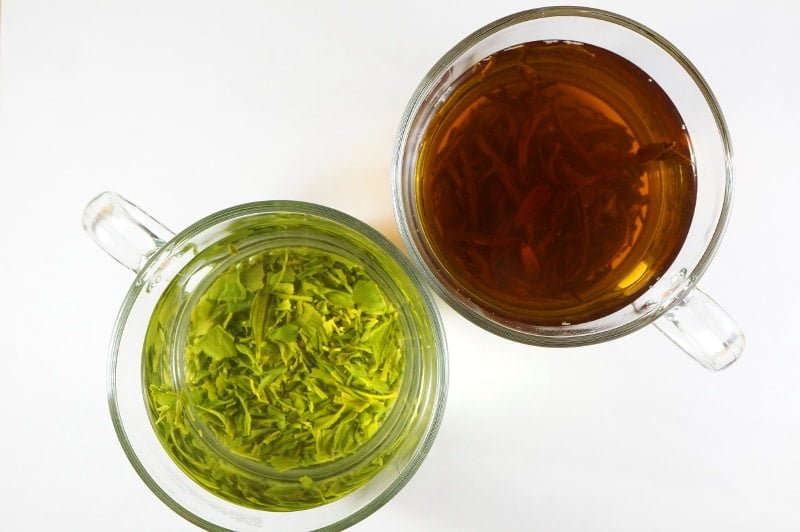
Many people ask how Diabetes and Green Tea fit together in daily care. Green tea contains catechins (notably EGCG) and modest caffeine, which may influence glucose handling and insulin sensitivity. Evidence is mixed and often modest, but practical choices matter. This guide summarizes benefits, risks, and how to use tea without undermining glucose targets.
Key Takeaways
- Modest effects: Tea may slightly improve post-meal glucose for some.
- Watch caffeine: Dose and timing affect sleep, heart rate, and readings.
- Brew smart: Unsweetened, consistent preparation helps compare results.
- Safety first: Interactions and rare liver risks apply to extracts.
Diabetes and Green Tea: What We Know
Green tea contains polyphenols called catechins. EGCG, the most studied compound, may reduce oxidative stress and influence glucose transport. Caffeine can transiently raise heart rate and, in some people, blunt insulin sensitivity. When combined, these constituents may have offsetting effects. That is why results vary between individuals and studies.
Human trials show small average changes in fasting glucose or A1C, with stronger signals in people with overweight, metabolic syndrome, or high refined carbohydrate intake. Benefits, if present, appear incremental. Tea should complement, not replace, medical therapy and nutrition planning. For meal-planning context, see Best Diet For Insulin Resistance, which outlines evidence-based food choices.
Does Tea Help Glycemic Control?
Small studies suggest potential links between catechin intake and improved postprandial numbers. The phrase green tea insulin resistance captures this idea, but the magnitude is typically modest. Effects depend on dose, brew strength, and baseline diet. Lifestyle patterns—sleep, activity, and medication timing—often overshadow beverage tweaks.
For a neutral overview of active compounds, caffeine content, and safety, review the NIH fact sheet. Its summary reflects mixed evidence for metabolic outcomes and highlights important precautions for concentrated extracts. To interpret your own response, consider checking glucose before and 1–2 hours after tea on several days.
Insulin Sensitivity and Inflammation
Tea catechins may influence insulin signaling and low-grade inflammation. These pathways are relevant to metabolic syndrome and type 2 diabetes. Still, human responses are heterogeneous. A person who eats lower glycemic meals, gets consistent sleep, and times medications well may notice small additive benefits. Someone drinking very strong tea alongside large refined-carb meals may observe little change. Try to control other variables when testing your personal response over a week.
Picking the Right Tea and How to Brew
People often ask which green tea is good for diabetes. There is no single best leaf. Choose a plain, unsweetened option you can brew consistently—such as sencha, bancha, gunpowder, or a reputable bagged tea. Matcha has higher catechins and caffeine per serving because you ingest the leaf powder. If caffeine sensitivity is a concern, choose decaffeinated varieties made with CO2 processing.
Steep 2–3 minutes in hot (not boiling) water to limit bitterness and excess caffeine extraction. Consistency is key for self-testing effects. If you use supplements or herbal blends alongside tea, review safety basics in Vitamins Supplements for broader supplement considerations.
Timing, Dose, and Caffeine Considerations
If you are caffeine sensitive or use stimulants, timing matters. The best time to drink green tea for diabetics is often with or just after meals to reduce potential stomach upset and observe post-meal effects. Avoid late-evening cups if sleep is fragile, because sleep loss can worsen insulin resistance.
Most adults should keep total caffeine under 400 mg/day. For population guidance on safe caffeine levels, see Health Canada guidance. If you take GLP-1 agents and struggle with sleep, consider the discussion in Ozempic and Insomnia to balance evening caffeine. When experimenting, log readings with the OneTouch Verio Flex Meter for consistent pre/post comparisons.
Sweeteners, Honey, and Add-Ins
Many ask about green tea with honey benefits. Honey contains simple sugars that raise glucose; portion control is essential. A half-teaspoon may be acceptable for some targets, while others need none. Lemon, mint, or cinnamon can add flavor without sugar. Non-nutritive sweeteners may help reduce calories, but watch for individual GI sensitivity.
Choosing unsweetened tea helps replace sugary drinks. If you are reducing added sugars broadly, the primer Sugar Detox Safety explains practical strategies. People with reflux may prefer cooler, weaker brews. Those with kidney stones should watch oxalate intake from very strong tea; hydration and moderation help.
Green Tea vs Black Tea and Matcha
People also ask, is black tea good for diabetes. Black tea has similar polyphenols, though processed differently. Some individuals report steadier energy with black tea’s theaflavins versus green tea’s catechins. Caffeine content per cup can be comparable. Matcha provides higher catechins and caffeine; start with small servings if sensitive.
Weight management tends to drive the biggest glucose gains. For broader context on medication-assisted weight loss, see GLP-1 Weight Loss Drugs, which reviews mechanisms and real-world outcomes. Tea can support hydration and habit change while you focus on nutrition and movement.
Safety, Interactions, and Who Should Avoid
In most people, tea does not cause large glucose swings. Still, caffeine may transiently raise blood pressure or jitteriness, and in some, it can nudge post-meal readings higher. The question does green tea spike blood sugar reflects these concerns. If you notice spikes, try decaf versions, lighter brews, or pairing tea with protein- and fiber-rich meals.
Whole-leaf tea is generally well tolerated. Concentrated green tea extracts have been linked—rarely—to liver injury, particularly at high doses or with susceptible genetics. For safety details on extracts, consult the NIH fact sheet. Green tea may interact with certain drugs, including anticoagulants, stimulants, and some cardiovascular agents. If you use GLP-1 therapy, see Rybelsus Semaglutide Pills for a medication overview context, then discuss specifics with your clinician.
Practical Hydration: Alternatives and Lifestyle
Plain water is foundational. Unsweetened herbal teas, sparkling water, and diluted infusions are natural drinks to lower blood sugar when they displace sugary beverages. Black coffee without sugar can fit some plans; monitor individual response because caffeine sensitivity varies. If you prefer rich flavors, try cinnamon or hibiscus tea without sweeteners.
When adjusting beverages alongside medication, coordination matters. For therapy choices within the GLP-1 class, see Orforglipron vs. Rybelsus for comparative context. To sustain progress after dose changes, review Ozempic Rebound Guidance. If weight is a key driver of insulin resistance, the structured Zepbound Diet Plan offers practical meal ideas you can adapt.
Recap
Green tea can be a low-calorie, flavorful beverage within most diabetes care plans. Evidence for glycemic improvements is modest and variable, but brewing consistently, limiting sweeteners, and timing caffeine can help. Prioritize overall diet, movement, sleep, and medication adherence. Use your meter to guide personal choices and adjust if you see undesirable effects.
Note: Tea is not a treatment for diabetes. Discuss meaningful diet or supplement changes with your healthcare professional, especially if you take prescription medications.
This content is for informational purposes only and is not a substitute for professional medical advice.


