
Finding the best diet for prediabetes starts with consistent, sustainable habits. The aim is stable glucose, healthy weight, and heart protection. Food quality, portions, and timing matter more than strict rules. Small changes compounded daily can shift your trajectory.
Key Takeaways
This guide distills nutrition and lifestyle strategies into simple, practical steps.
- Pattern over perfection: emphasize plants, lean proteins, and unsweetened drinks.
- Smart carbs: choose fiber-rich sources and pair with protein or fat.
- Structured planning: prep meals, simplify portions, and limit added sugars.
- Activity matters: build an achievable routine of aerobic and strength work.
Best Diet for Prediabetes: Core Principles
Prediabetes means elevated glucose below the threshold for type 2 diabetes. Targeting insulin resistance with diet and activity can improve fasting glucose and A1C (average blood sugar). A balanced plate helps regulate post-meal spikes. Focus on foods that blunt rapid absorption of starches and sugars.
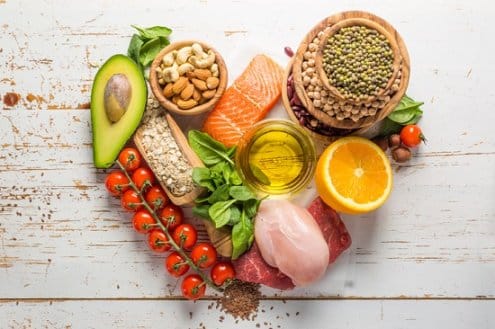
Start with a plant-forward base. Aim for non-starchy vegetables, legumes, intact whole grains, nuts, seeds, seafood, and modest dairy. Add lean poultry or tofu as needed. Use olive oil as the default fat. This pattern aligns with cardiometabolic goals and is adaptable to many cuisines.
For stepwise behavior change, see Tips for Reversing Prediabetes for practical sequencing of actions.
Authoritative bodies describe diet and activity as first-line strategies; review the ADA Standards of Care for current clinical context and definitions.
Prediabetes Basics and Risk Factors
Prediabetes is a metabolic state driven by insulin resistance and beta-cell strain. It often coexists with dyslipidemia, hypertension, and central adiposity. Family history, sedentary time, and sleep disruption add risk. Early nutrition shifts can delay progression and improve energy levels.
A realistic prediabetes diet emphasizes fiber (viscous and fermentable), adequate protein, and minimal added sugars. Choose intact grains like barley or steel-cut oats. Replace refined snacks with nuts, yogurt, or hummus and vegetables. Track A1C trends with your clinician, and adjust meal structure if patterns drift upward.
For background on insulin resistance mechanisms, see Insulin Resistance Diet, which explains how food choices affect glucose handling.
For symptoms, screening intervals, and prevention basics, review Prediabetes Symptoms and Prevention to align habits with risk timelines.
The Centers for Disease Control and Prevention outlines prevalence and risk factors; see the CDC’s overview of prediabetes basics for standardized definitions and thresholds.
Mediterranean Pattern in Practice
The Mediterranean pattern centers vegetables, legumes, whole grains, fruit, olive oil, fish, and nuts. It supports glycemic control and heart health without rigid rules. Meals are built around plants, with protein as a complement. This structure encourages fiber, healthy fats, and natural portion control.
Use a mediterranean diet meal plan to simplify shopping and prep. Rotate two fish nights, one legume stew, and two poultry or tofu dishes. Fill half the plate with vegetables. Add fruit-based desserts like baked apples or citrus when you want something sweet.
For targeted recipe inspiration, browse Insulin Resistance Diet Tips, which curates meals that emphasize fiber and protein pairings.
What to Eat: Food Lists and Portions
Start with a prediabetes diet food list to guide substitutions. Choose minimally processed foods and plan for balanced macros at each meal. Aim for 20–30 grams of protein, 8–12 grams of fiber, and healthy fats to steady absorption. Adjust portions based on hunger, activity, and glucose responses.
Proteins: fish, eggs, Greek yogurt, tofu, tempeh, chicken, turkey, beans, and lentils. Carbs: steel-cut oats, quinoa, barley, brown rice, chickpeas, and fruit. Fats: extra-virgin olive oil, walnuts, almonds, chia, and avocado. Vegetables: leafy greens, broccoli, peppers, tomatoes, mushrooms, and zucchini.
When comparing dietary components, our overview on Impaired Glucose Tolerance provides context for post-meal glucose handling and tolerance tests.
Sample Week: Simple Menu Framework
Use structure without rigidity. Plan repeating breakfasts, mix-and-match lunches, and three core dinners rotated across the week. Batch-cook one grain and one protein to reduce daily decisions. Keep a vegetable tray and a bean salad ready for fast sides.
A 7-day meal plan for prediabetes might include oats with berries, egg-and-veg scrambles, hearty salads with beans or salmon, lentil soups, and sheet-pan chicken with roasted vegetables. Create a pantry list for staples like olive oil, canned fish, and dried legumes. Freeze portions to cover busy days.
Portion Guide Using Your Plate
Use your plate to size portions without weighing food. Fill half with non-starchy vegetables for volume and micronutrients. Reserve one quarter for protein such as fish, poultry, tofu, or beans. The remaining quarter holds higher-fiber carbohydrates, like barley or quinoa. Add a thumb of olive oil or a small handful of nuts for fat. If you need more energy, increase vegetables and protein first. If glucose rises after meals, reduce the carb quarter slightly and add extra greens or a side salad. This flexible method fits home cooking and eating out.
For activity pairings with this menu style, see Exercise for Diabetes to map meals around training days and recovery.
What to Limit or Avoid
Some foods cause sharp glucose spikes and add little nutrition. Reducing them frees room for more satisfying choices. You do not need perfection; look for patterns and make upgrades where possible.
Typical worst foods for prediabetes include sugar-sweetened beverages, refined bakery items, candy, large portions of white rice, ultra-processed snacks, and heavily breaded fried foods. Alcohol can raise or lower glucose depending on context; limit to modest amounts with food. Replace sweetened drinks with water, tea, or coffee.
For warning signs and progression risks, read Preventing Type 2 Diabetes to see how baseline risks interact with diet quality.
Special Situations: Cholesterol, Women, and Supplements
Prediabetes often overlaps with dyslipidemia. Emphasize soluble fiber (oats, barley, beans) and unsaturated fats. Limit saturated fat and trans fat sources. Build meals that support both glucose and lipid targets.
A diet for prediabetes and high cholesterol balances fiber-rich carbs, lean proteins, and olive oil while capping refined grains. Women may have unique needs due to life stage, iron status, or pregnancy planning. Discuss supplements like vitamin D or omega-3s with your clinician if diet alone is insufficient.
If metformin is prescribed, periodic B12 checks may be considered; see Metformin and B12 for monitoring context, and the product overview for Metformin if you need background on its clinical role.
For cardiometabolic therapy comparisons, review SGLT2 options via Dapagliflozin to understand where medications may fit alongside lifestyle.
Lifestyle Habits: Exercise, Sleep, and Monitoring
Nutrition works best with consistent movement. Pair meals with a walk, cycling, or light resistance training. Sleep and stress also influence insulin sensitivity. Monitor patterns and adjust one variable at a time.
A prediabetes diet and exercise plan should include 150–300 minutes of moderate activity weekly plus two strength sessions. Short walks after meals can blunt glucose rises. Aim for 7–9 hours of sleep and morning light exposure when possible. For guidance on recommended volumes, see public health activity guidelines.
If you are exploring insulin, glycogen, and fasting physiology, Normal Insulin Level and Insulin Resistance Tests explain common labs and interpretation context.
Putting It Together: Practical Steps
Set one food change and one activity change for the next week. Shop once, prep twice, and schedule brief walks around meals. Build a default breakfast and lunch you can repeat. Keep fruit and nuts visible for easy, better snacks.
Try a mediterranean diet for prediabetes by prioritizing vegetables, beans, fish, and extra-virgin olive oil. Keep a mediterranean diet food list on your phone to guide choices when dining out. For printable guides and broader reading, browse our Type 2 Diabetes library to connect nutrition with cardiometabolic care.
Tip: If you prefer structured documents, adapt a 30-day meal plan for prediabetes from a basic weekly rotation, then repeat and vary vegetables and proteins by season.
Recap
Choose a plant-forward pattern rich in fiber, lean proteins, and healthy fats. Use simple plates, repeatable meals, and regular movement to stabilize glucose. Track progress, adjust portions, and refine habits over time. Your routine, not individual foods, makes the difference.
Note: For broader diabetes topics, see Diabetes Symptoms and Treatment to connect lifestyle with medical care decisions.
This content is for informational purposes only and is not a substitute for professional medical advice.


