
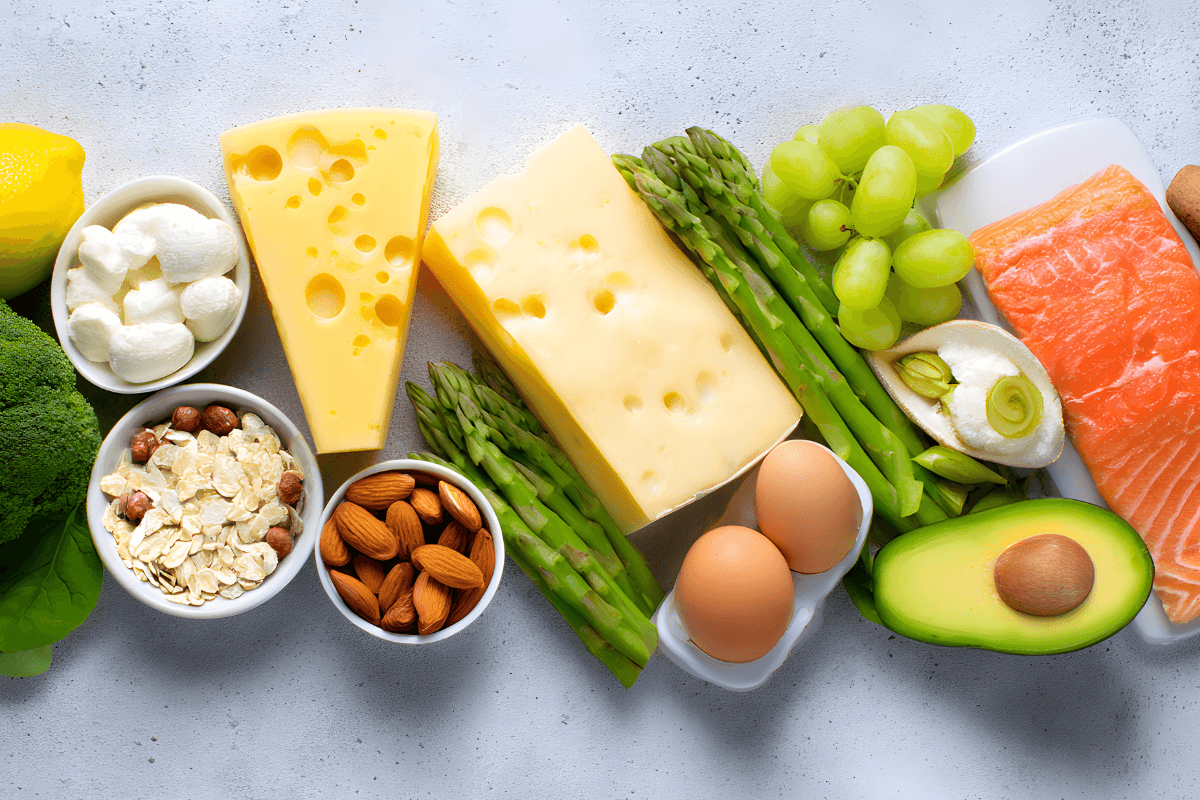
The best diet for prediabetes is a steady, high-fiber eating pattern that balances carbohydrates with protein, healthy fats, and non-starchy vegetables. It is not one strict menu. The goal is to reduce sharp glucose rises, support a healthy weight when needed, and make eating choices easier to repeat.
Prediabetes means blood sugar is higher than normal, but not usually in the diabetes range. Food choices matter because they affect insulin resistance, which means the body responds less effectively to insulin. This article covers practical food choices, meal ideas, and when to get professional nutrition support.
Key Takeaways
- Choose mostly minimally processed foods with fiber, protein, and unsaturated fats.
- Use the plate method to balance meals without counting every gram.
- Limit sugary drinks, refined grains, and large portions of sweets.
- A Mediterranean-style pattern often fits prediabetes and heart-health goals.
- Ask for individual advice if you have kidney disease, pregnancy, eating disorders, or glucose-lowering medication.
What the Best Diet for Prediabetes Should Do
The main job of a prediabetes eating plan is to keep glucose changes steadier after meals. Carbohydrates raise blood sugar more directly than protein or fat, but they are not automatically harmful. The type, portion, and meal pairing matter.
A Mediterranean-style pattern often fits the best diet for prediabetes because it emphasizes vegetables, beans, lentils, whole grains, fish, poultry, nuts, olive oil, and fruit in sensible portions. It also limits highly processed foods without asking most people to remove entire food groups.
One simple tool is the plate method. Fill about half the plate with non-starchy vegetables, one quarter with protein, and one quarter with higher-fiber carbohydrate foods. Add a small amount of unsaturated fat, such as olive oil, avocado, nuts, or seeds. This approach works well for many mixed meals, including bowls, salads, stir-fries, and leftovers.
Why it matters: Balanced meals can reduce glucose spikes compared with eating refined carbohydrates alone.
If insulin resistance is part of your concern, the food pattern should also work with sleep, movement, and weight goals. You can read more about lifestyle factors in Improving Insulin Sensitivity and the link between Insulin Resistance and Weight Gain.
Build Meals Around Fiber, Protein, and Healthy Fat
Fiber slows digestion and can make meals more filling. Good sources include beans, lentils, vegetables, berries, apples, oats, barley, chia seeds, nuts, and whole grains. Many people do better when they add fiber gradually and drink enough water.
Protein helps make a meal more satisfying. Common options include fish, chicken, turkey, eggs, tofu, tempeh, Greek yogurt, cottage cheese, beans, lentils, and lean meats. Plant proteins often bring extra fiber, which can be useful for prediabetes and cholesterol goals.
Unsaturated fats can replace some saturated fats in the diet. Examples include olive oil, avocado, nuts, seeds, and fatty fish. Portions still matter because fats are calorie-dense, but they can make meals more satisfying and less dependent on refined starches.
Carbohydrate quality is the key point. A slice of whole-grain bread with eggs and vegetables usually affects the body differently than a sweet drink or a large pastry. The meal context changes how quickly carbohydrate is digested.
A Practical Prediabetes Food List
A useful prediabetes diet food list should help you build meals, not create fear around food. Think in terms of foods to choose more often, foods to portion carefully, and foods to keep occasional.
| Food Group | Choose More Often | Use More Care With |
|---|---|---|
| Vegetables | Leafy greens, broccoli, peppers, mushrooms, zucchini, cauliflower | Large portions of fried vegetables or creamy vegetable dishes |
| Carbohydrate foods | Oats, barley, quinoa, beans, lentils, sweet potato, whole-grain bread | White bread, sugary cereal, large pasta portions, refined snack foods |
| Fruit | Berries, apples, pears, oranges, kiwi, melon in planned portions | Fruit juice, dried fruit portions, sweetened fruit cups |
| Protein | Fish, poultry, eggs, tofu, Greek yogurt, beans, lentils | Processed meats and heavily breaded proteins |
| Fats | Olive oil, avocado, nuts, seeds, natural nut butter | Frequent butter, cream, deep-fried foods, and trans-fat sources |
| Drinks | Water, unsweetened tea, coffee without sugary add-ins | Soda, sweet tea, energy drinks, sweet coffee drinks, juice |
Fruit does not need to disappear from a prediabetes plan. Whole fruit usually brings fiber, water, and micronutrients. The main caution is portion size and liquid fruit sources, such as juice. For more detail, see Fruits for Diabetes.
Packaged foods can still fit, but the label matters. Compare serving size, total carbohydrate, fiber, added sugars, saturated fat, and sodium. A product that looks healthy on the front may still contain a large serving of refined starch or added sugar.
Meal Ideas You Can Repeat Through the Week
The best diet for prediabetes should be repeatable on busy days. A flexible pattern often works better than a perfect seven-day plan that feels hard to follow. Start with a few breakfasts, lunches, dinners, and snacks you can rotate.
- Breakfast: Greek yogurt with berries, chia seeds, and a small handful of nuts.
- Breakfast: Eggs or tofu scramble with vegetables and one slice of whole-grain toast.
- Lunch: Lentil soup with a side salad and olive-oil vinaigrette.
- Lunch: Chicken, salmon, or tofu bowl with greens, beans, and quinoa.
- Dinner: Turkey chili with beans, vegetables, and avocado.
- Dinner: Baked fish with roasted vegetables and a small sweet potato.
- Snack: Apple slices with peanut butter or cottage cheese with berries.
For a simple seven-day structure, choose two breakfasts, three lunches, and three dinners from your list. Repeat them with small swaps, such as changing the protein, vegetable, or grain. This reduces decision fatigue while keeping meals varied.
A carb-serving calculator can help you estimate carbohydrate servings from a meal or snack. It is a counting aid, not a clinical target or personalized meal prescription.
Carb Serving Calculator
Convert total carbohydrate grams into carb choices for meal planning and diabetes education.
These calculations are for education only and do not replace clinical advice, diagnosis, or treatment. Always confirm medical decisions with a qualified healthcare professional.
Use the result as a conversation starter if your clinician or registered dietitian has suggested a carbohydrate range. If you have no target, focus first on food quality, portions, and balanced plates.
Foods to Limit Without Making the Plan Extreme
The foods most likely to disrupt a prediabetes diet are usually sweet drinks, refined grains, large dessert portions, and ultra-processed snacks. These foods can be easy to overconsume and often contain little fiber or protein.
Limit does not always mean never. A small dessert after a balanced meal is different from drinking sugar-sweetened beverages throughout the day. Frequency, portion, and context all matter.
Common foods to reduce include soda, sweet coffee drinks, fruit juice, candy, pastries, white bread, chips, sweetened cereal, and large portions of white rice or pasta. If these foods are daily habits, start with one change. Replacing sugary drinks with unsweetened drinks is often a high-impact first step.
Very low-carbohydrate plans may help some people eat fewer refined carbohydrates, but they are not necessary for everyone. They can also be harder to sustain and may not fit certain medical conditions or food preferences. For a broader discussion, see Ketogenic Diet and Diabetes.
Why Mediterranean-Style Eating Often Fits Prediabetes
A Mediterranean diet for prediabetes is less about one cuisine and more about a pattern. It centers meals around plants, legumes, whole grains, fish, olive oil, nuts, seeds, herbs, and minimally processed foods.
This pattern can also fit people managing both prediabetes and high cholesterol. Soluble fiber from oats, barley, beans, lentils, fruits, and some vegetables can support heart-healthy eating. Unsaturated fats can replace some saturated fats from butter, high-fat processed meats, and heavy cream.
You do not need expensive specialty foods to follow this pattern. A simple plate might include canned salmon, salad greens, chickpeas, olive oil, vinegar, and a small portion of whole grain. Another could include lentils, roasted vegetables, plain yogurt, and herbs.
Quick tip: Build meals from foods you already like, then improve the fiber and protein.
Diet, Exercise, Weight Goals, and Medication Context
There is no guaranteed fastest way to fix prediabetes. The most useful plan usually combines food changes, regular movement, sleep, stress management, and weight goals when appropriate. Small changes can matter when they are consistent.
Physical activity helps muscles use glucose. Many people benefit from walking after meals, resistance training, or another form of movement they can maintain. If you have heart disease, neuropathy, joint pain, or other medical limits, ask a clinician what activity is safe.
Weight loss is not required for every person with prediabetes, but it can be part of care for some. The focus should stay on sustainable habits, not crash dieting. For related context, see Diabetes and Weight Loss.
Prediabetes can also appear with high blood pressure, abnormal cholesterol, abdominal weight gain, or fatty liver risk. These features overlap with Metabolic Syndrome, which often calls for a broader risk-reduction plan.
Some people discuss medication with their clinician, especially when risk factors are higher. Metformin is one medication sometimes considered in diabetes prevention or type 2 diabetes care, but it is not a substitute for individualized medical advice. For background reading, see Metformin in Type 2 Diabetes.
How to Personalize a Prediabetes Diet Safely
The best diet for prediabetes depends on your culture, budget, schedule, medical history, and lab results. A plan that ignores those factors rarely lasts. Start with a pattern you can repeat, then adjust based on hunger, glucose data if available, and clinical feedback.
Women and men can use the same core principles. However, pregnancy, polycystic ovary syndrome, menopause symptoms, eating disorders, kidney disease, gastroparesis, and intense training schedules can change nutrition needs. A registered dietitian can help adapt the plan without making it overly restrictive.
If you take glucose-lowering medication, do not make major diet changes without checking with your healthcare team. Some medicines can increase the risk of hypoglycemia, which means blood sugar becomes too low. Symptoms may include shakiness, sweating, confusion, dizziness, or a fast heartbeat. Seek urgent care for severe confusion, fainting, chest pain, trouble breathing, or symptoms that do not improve as instructed by your care team.
Hemoglobin A1C, often called A1C, reflects average blood sugar over roughly the past two to three months. Diet changes may affect future results, but the amount varies. Lab trends are more useful when reviewed with your clinician alongside weight, cholesterol, blood pressure, medications, and daily habits.
Authoritative Sources
- American Diabetes Association eating guidance for balanced plate planning and healthy food patterns.
- CDC type 2 diabetes prevention guidance for lifestyle steps related to prediabetes risk reduction.
- Alberta Health Services prediabetes nutrition handout for practical meal timing and food-choice basics.
A strong prediabetes eating plan is practical, balanced, and flexible. Focus on fiber-rich carbohydrates, enough protein, unsaturated fats, and fewer sugary or refined foods. If you want more condition-focused reading, browse the Diabetes Articles hub.
This content is for informational purposes only and is not a substitute for professional medical advice.


