Key Takeaways
- Sleep symptoms vary widely with GLP-1 therapy and often improve with time.
- Indirect triggers like reflux, nausea, or anxiety may disturb sleep.
- Track patterns, adjust routines, and discuss persistent issues with your clinician.
- Rule out other causes such as sleep apnea, medications, or caffeine.
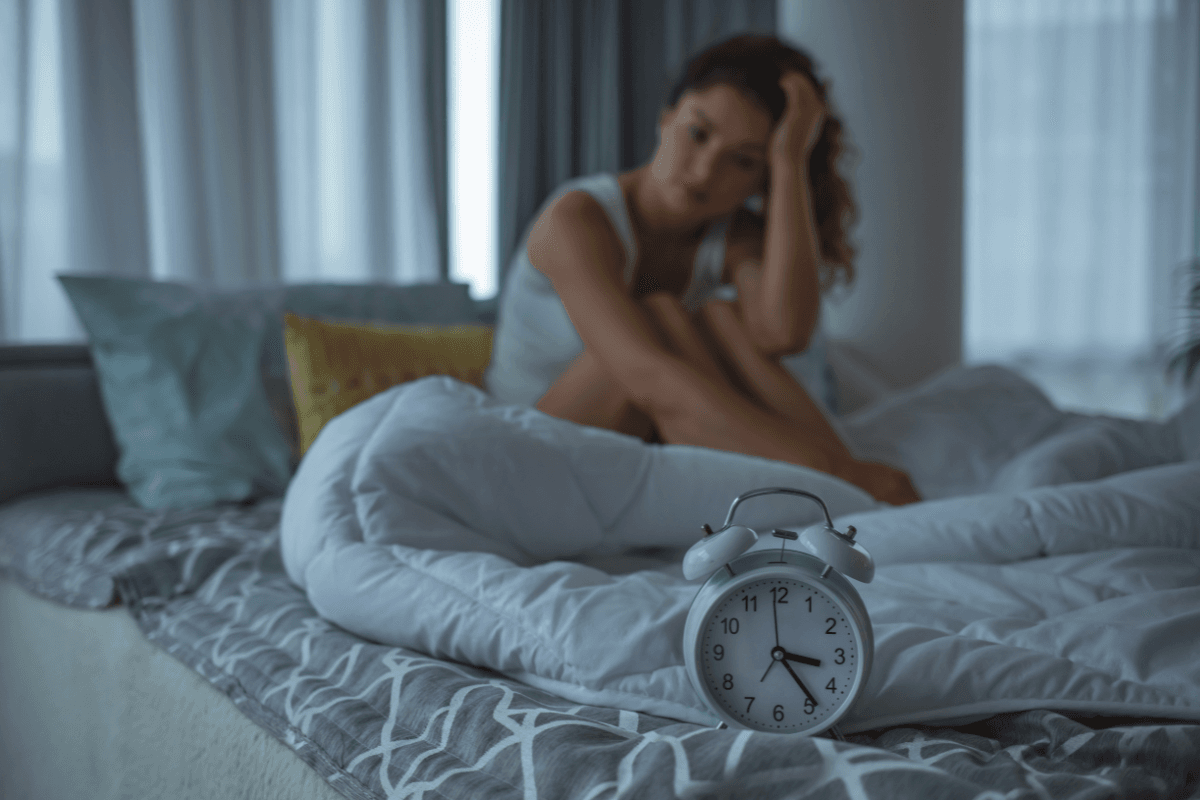
Many readers ask does Ozempic cause insomnia because new sleep problems can appear during dose changes, early treatment, or stressful periods. The answer is nuanced. Insomnia is not a labeled adverse reaction, yet several indirect factors can disrupt sleep. Understanding these drivers helps you respond early and reduce night-time wakefulness.
Does Ozempic Cause Insomnia?
Current regulatory labeling for semaglutide (the active ingredient in Ozempic) does not list insomnia as a common adverse effect. However, several treatment-related factors may disturb sleep: nausea and reflux that worsen when lying down, changes in appetite or meal timing, headaches, and anxiety about symptoms. In people also using other glucose-lowering drugs, nocturnal hypoglycemia can fragment sleep and cause vivid dreams or awakenings.
For safety details on adverse reactions and warnings, see the FDA Ozempic label, which summarizes clinical trial data and precautions in prescribing information. For a similar GLP-1 perspective, compare rest and fatigue patterns in Wegovy Sleep and Fatigue, which outlines sleep changes seen with semaglutide used for weight management.
How GLP-1 Medicines Affect Sleep Physiology
GLP-1 receptor agonists slow gastric emptying (slower stomach emptying), often shifting fullness into the evening. Going to bed with a heavy or unsettled stomach can increase reflux and awakenings. Early in treatment, fluid intake sometimes drops, which may lead to nocturnal leg cramps or headaches. Minor shifts in circadian cues may also occur if meals, activity, or light exposure change during weight loss.
On the positive side, reduced weight can lower snoring and improve breathing stability over months. Sleep may then consolidate. The path from early GI effects to later benefits is not linear, so monitor personal trends. To align diet with therapy, see Diet and GLP-1 Medications for practical, meal-timing strategies that support restorative sleep.
Daytime Fatigue, Alertness, and Dosing Timing
Fatigue and daytime sleepiness can follow poor sleep, dehydration, or increased workload. Many people ask how long does ozempic fatigue last when adapting to a higher dose. It often improves after the GI phase settles, but timelines vary. Avoid chasing fatigue with late caffeine, which may aggravate night-time insomnia.
Consider a consistent weekly injection routine and a stable sleep schedule. Hydrate earlier in the day to reduce nocturnal bathroom trips. For additional strategies on energy management while using another incretin medicine, see Zepbound and Fatigue for pacing and nutrition tips that can also support daytime alertness.
Tracking Patterns That Matter
Keep a two-week sleep diary noting bedtime, wake time, awakenings, naps, exercise, caffeine, alcohol, and injection day. Add symptoms such as nausea, reflux, headache, and anxiety. Correlate patterns with dietary changes, dose steps, and life stressors. Wearables can help track sleep duration and variability, but interpret trends over several weeks, not a single rough night. Bring a concise summary to appointments so your clinician can separate medication effects from environmental or behavioral factors.
Mood, Anxiety, and Sleep Quality
Anxiety and low mood can worsen insomnia, and the relationship goes both ways. People sometimes ask does ozempic cause depression when they experience irritability, reduced motivation, or worry about side effects. Sleep quality often dips when stress, diet shifts, and GI symptoms collide, even without a primary mood disorder. Report new or worsening mood symptoms, especially if they persist beyond the initial adjustment period.
Weight-management labeling for semaglutide emphasizes monitoring for mood changes and suicidal thoughts. For context on those precautions, review medication guidance in the Wegovy prescribing information, which outlines mental health warnings for patients and caregivers. For deeper discussion, see Semaglutide and Depression for risk framing and mitigation steps, and explore Ozempic Depression and Mood for symptom patterns that can affect sleep.
Sleep Apnea, Weight, and Related Therapies
Obstructive sleep apnea often coexists with obesity and type 2 diabetes. Untreated apnea fragments sleep and increases daytime fatigue, regardless of medication. GLP-1–driven weight loss may help reduce apnea severity over time, but evaluation and appropriate therapy (for example, CPAP) remain essential. Questions about zepbound sleep apnea also arise because weight reduction can improve airway dynamics.
In 2024, the FDA authorized a new use for tirzepatide to treat moderate-to-severe obstructive sleep apnea in adults with obesity. For regulatory details, see the FDA press announcement. For broader background on incretins and comparative mechanisms, review Wegovy vs. Mounjaro, which explains how GLP-1 and GIP agonists may influence weight and sleep-related outcomes.
Evening Eating, Nausea, and Bedtime Routines
Meal timing and content matter. Large, high-fat meals late in the evening increase reflux when gastric emptying is slower. That can trigger cough, throat clearing, and awakenings. If nausea is active during dose escalations, make dinner earlier and smaller. Choose bland, low-acid foods, and elevate the head of the bed for comfort.
To fine-tune your menu, explore Ozempic Foods to Avoid for trigger identification and meal planning near bedtime. These adjustments complement sleep hygiene and reduce GI-related arousals. If travel disrupts eating and sleep windows, see Travel With Ozempic for practical timing strategies that minimize jet lag and medication schedule drift.
Practical Sleep Strategies During Treatment
Use consistent bed and wake times, even on weekends. Keep the bedroom cool, dark, and quiet. Avoid screens for 60 minutes before bed. If you cannot sleep after 20–30 minutes, get up and do a quiet activity until drowsy. Morning daylight and a short walk can anchor circadian rhythms and improve sleep drive at night.
Limit alcohol and late caffeine, especially during dose increases. Consider positional therapy for snoring and elevate the head of the bed if reflux bothers you. Plan exercise earlier in the day when possible. If stimulant medications, decongestants, or new supplements enter the mix, reassess timing with your clinician, as these can counteract sleep efforts. For longer-term treatment planning, see How Long to Take Ozempic for horizon-setting that helps structure routines.
When to Call Your Clinician
Contact your healthcare professional for persistent, worsening, or functionally impairing sleep problems, or if red flags appear: chest pain, severe shortness of breath, fainting, confusion, or signs of infection. Discuss all concurrent medications and supplements, as interactions may amplify symptoms. For a consolidated perspective on common and serious issues, review ozempic side effects in a clinical context.
Adverse reactions and safety considerations are summarized in the FDA prescribing label, which your clinician can help interpret for your situation. For structured education across metabolic topics, browse Type 2 Diabetes to understand comorbidities that influence sleep. If weight regain threatens routine stability, see Ozempic Rebound Prevention for relapse planning that supports sleep consistency.
Recap
Insomnia with GLP-1 therapy is usually indirect and multifactorial. GI symptoms, anxiety, schedule changes, and unrecognized sleep apnea commonly drive disturbances. Address basics first: timing meals, reducing reflux, and maintaining consistent sleep routines. Track patterns and escalate concerns early, especially when mood or breathing issues emerge. These steps help you minimize night-time wakefulness while continuing metabolic therapy.
Note: Personal responses vary widely. Collaborate with your care team before making medication or dosing changes based on sleep symptoms.
This content is for informational purposes only and is not a substitute for professional medical advice.