

To sleep better with diabetes, focus on four levers first: steadier overnight glucose, a consistent sleep schedule, a cooler and darker bedroom, and a calming wind-down routine. Learning how to sleep better matters because poor sleep can worsen insulin resistance, appetite regulation, daytime energy, and diabetes self-care. You do not need a perfect routine. Start with one repeatable change, track your sleep and glucose patterns, then adjust with your care team when lows, highs, pain, anxiety, or snoring keep interrupting the night.
Key Takeaways
- Glucose swings can wake you through thirst, urination, sweating, or tremor.
- Consistent wake times, morning light, and dim evenings strengthen sleep timing.
- Earlier dinners and balanced snacks may reduce reflux and overnight glucose swings.
- Snoring, gasping, morning headaches, or unrefreshing sleep warrant medical review.
- Melatonin may help timing, but it is not a fix for untreated sleep apnea.
Why Diabetes Can Make Sleep Harder
Diabetes can disturb sleep when glucose, symptoms, medication timing, or related conditions interrupt normal sleep stages. High glucose may increase thirst and urination. Low glucose can trigger sweating, shakiness, hunger, vivid dreams, or a racing heart. These episodes can pull you out of deeper sleep and make it harder to settle again.
The relationship also runs the other way. Short or fragmented sleep can increase stress hormones and sympathetic nervous system activity, which may make glucose harder to manage. It can also affect hunger cues and food choices the next day. This creates a loop: poor sleep affects glucose, and glucose swings affect sleep.
Sleep-disordered breathing is another key concern. Obstructive sleep apnea occurs when breathing repeatedly narrows or pauses during sleep. It is more common in people with type 2 diabetes and higher body weight, but it can affect many adults. Loud snoring, gasping, witnessed pauses, morning headaches, and daytime sleepiness are reasons to ask about evaluation.
If you are reviewing diabetes complications or broader care topics, the Diabetes Articles collection can help you find related educational reading. For condition-specific browsing, the Diabetes Condition page lists relevant site resources and product categories.
First Checks Before Changing Your Routine
Start by looking for patterns instead of guessing. Note your bedtime, wake time, evening meal timing, caffeine, alcohol, exercise, and overnight glucose trends for one to two weeks. If you use continuous glucose monitoring, compare awakenings with trend arrows and alerts. Repeated lows, highs, or alarm fatigue should be discussed with your clinician, diabetes educator, or pharmacist.
Some people wake because alerts are too frequent or set in a way that does not match their care plan. Others wake because they are missing important alerts. Do not change medication doses or alert thresholds on your own if you are unsure. Bring a short sleep-and-glucose log to your next appointment so your care team can see the pattern.
This calculator can help you review the share of readings or time spent within a target range. It supports pattern discussion, but it does not replace clinical advice.
CGM Time-in-Range Summary
Summarise CGM percentages across very low, low, in-range, high, and very high glucose bands.
These calculations are for education only and do not replace clinical advice, diagnosis, or treatment. Always confirm medical decisions with a qualified healthcare professional.
Also review symptoms that may point beyond routine sleep hygiene. Burning or tingling feet may suggest neuropathy pain. Fullness, nausea, or reflux after dinner may point to delayed stomach emptying or reflux. Frequent urination may relate to evening fluids, glucose levels, or medications. If you have lows overnight, review Low Blood Sugar Steps for general safety context, then follow the plan given by your own clinician.
Why it matters: The best sleep habit will not fix a recurring untreated low, breathing problem, or pain trigger.
Better Sleep Habits That Fit Diabetes Care
Better sleep habits work best when they repeat daily, including weekends. Your brain uses timing cues to predict sleep. Wake time is the strongest cue, so choose a realistic wake time and keep it steady. Morning outdoor light helps anchor the body clock. Evening dim light tells the brain that night is approaching.
Keep the bedroom cool, quiet, and dark. A slightly cool room supports the normal drop in core body temperature before sleep. Use blackout curtains, a sleep mask, earplugs, or white noise if needed. Keep diabetes supplies close enough for safety, but avoid turning bedside checks into long phone sessions.
The popular 10-3-2-1-0 sleep rule can be useful as a memory tool, though it is not a medical law. It usually means: stop caffeine about 10 hours before bed, stop large meals or alcohol about 3 hours before bed, stop work about 2 hours before bed, stop screens about 1 hour before bed, and avoid snoozing in the morning. Adapt it to your health needs, shift work, family schedule, and clinician guidance.
Exercise also helps sleep, glucose management, and stress. Many adults sleep better when they move during the day, especially with morning or afternoon activity. Vigorous exercise right before bed can be stimulating for some people. If activity affects your glucose, plan around your usual monitoring and treatment instructions.
A Simple Evening Sequence
- Set a cut-off: choose a realistic caffeine stop time.
- Dim the room: lower lights 60–90 minutes before bed.
- Prepare supplies: place glucose treatment and devices where needed.
- Cool the bedroom: reduce heat and heavy bedding.
- Repeat one cue: read, stretch, breathe, or listen to quiet audio.
If you use a glucose sensor, device placement and alerts may affect comfort and sleep. Product pages such as Dexcom G7 Sensor and Dexcom G6 Sensor can help you identify device details to discuss with your care team, without changing your prescribed monitoring plan.
Food, Caffeine, and Alcohol in the Evening
Evening food choices affect sleep through digestion, reflux, body temperature, and glucose patterns. Large late meals can make sleep lighter, especially if they are high in fat or trigger reflux. Very high sugar choices may raise glucose for some people. Skipping food can also be risky for people who use insulin or medicines that can cause hypoglycemia.
There is no universal list of sleep-inducing foods that works for everyone with diabetes. A steadier option often pairs protein with a modest amount of higher-fibre carbohydrate, if a snack fits your care plan. Examples may include plain Greek yogurt, a small amount of nuts with whole-grain crackers, or cheese with a few berries. Portions and medication context matter more than the label “healthy.”
Some foods and drinks commonly work against sleep. Caffeine can linger for many hours, even when you no longer feel stimulated. Alcohol may make you drowsy at first, but it can fragment sleep later and may complicate overnight glucose patterns. Spicy, greasy, or very late meals can worsen reflux in sensitive people.
If you have kidney disease, pregnancy, gastroparesis, an eating disorder history, or repeated overnight lows, ask a registered dietitian or clinician before changing evening carbohydrate patterns. A diabetes medication collection such as Diabetes Medications can be useful for navigation, but individual timing and food decisions should come from your prescriber or diabetes care team.
How to Calm a Racing Mind at Night
Nighttime anxiety keeps the brain on alert when it should be downshifting. If your mind races when you lie down, do not try to argue with every thought. Instead, give the brain a predictable off-ramp. Write one line about the worry and one possible next step, then return to a neutral cue such as breathing or body sensation.
When you need something that helps right now, use a short technique you can repeat without a screen. Try slow nasal breathing, progressive muscle relaxation, or a body scan from feet to forehead. If you are still awake after about 20–30 minutes, leave the bed briefly and read something dull in dim light. Return when sleepy. This teaches your brain that the bed is not a place for long problem-solving sessions.
Schedule worry earlier in the evening if anxiety regularly appears at bedtime. Set a 10–15 minute “planning window” after dinner. List tomorrow’s tasks, choose the first step, then close the list. This does not erase stress, but it reduces the need to rehearse it in bed.
Quick tip: Keep glucose checks boring at night: treat what needs attention, then avoid scrolling.
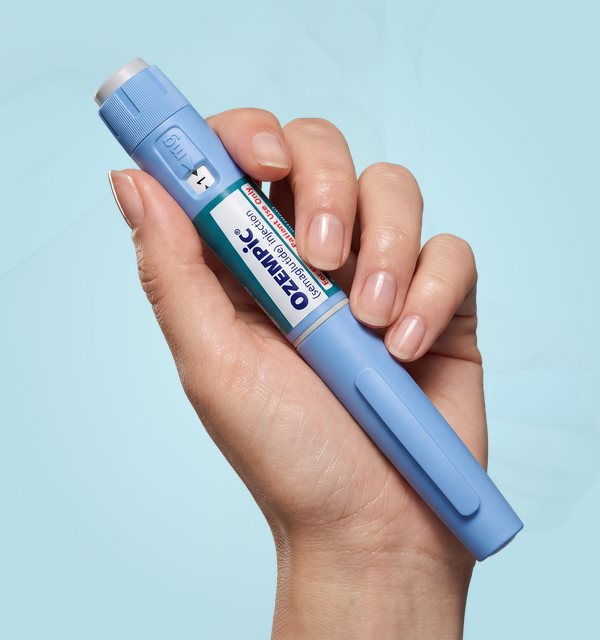
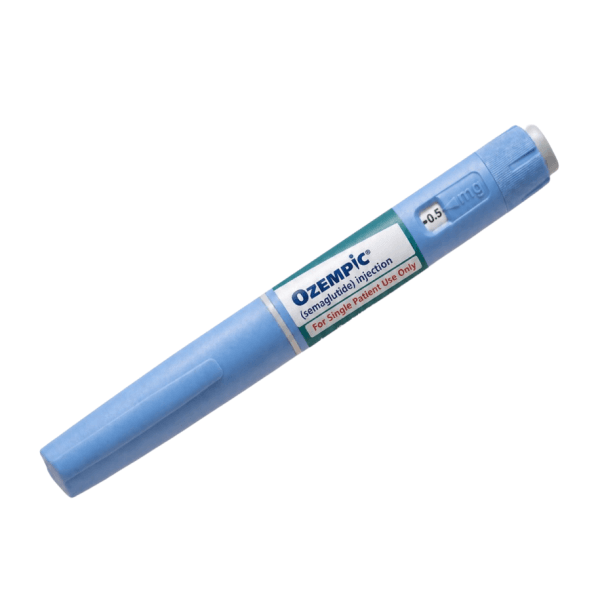
Medication changes, nausea, fatigue, or appetite shifts can also affect sleep. If you use a GLP-1 medicine and notice insomnia or fatigue, these deeper reads may help you prepare questions: Ozempic Insomnia Facts and Wegovy Sleep Effects.
Deep Sleep, 3 a.m. Wakings, and Morning Tiredness
Deep sleep, also called slow-wave sleep, supports physical restoration and metabolic regulation. Most deep sleep happens in the first half of the night. Very late bedtimes, alcohol, untreated sleep apnea, pain, and frequent glucose alerts can reduce continuous sleep and make deep sleep feel scarce.
If you wake around 3 a.m., look for common triggers before assuming it is random insomnia. Alcohol can wear off and fragment sleep. Reflux may worsen when lying flat. Glucose may be rising or falling. Stress hormones can increase toward morning. Sleep apnea can cause repeated brief awakenings that you may not fully remember.
Feeling exhausted but unable to sleep often means your body is tired while your arousal system remains activated. Pain, anxiety, late caffeine, bright screens, intense work, or fear of overnight lows can keep that system switched on. A regular wind-down routine helps, but persistent symptoms deserve review.
Consumer sleep trackers can estimate sleep stages, but they are not diagnostic tools. Treat stage numbers as rough trends, not precise measurements. If your tracker shows low deep sleep and you feel well, avoid chasing the number. If you feel unrefreshed for weeks, discuss snoring, breathing pauses, pain, medication timing, mood, and glucose patterns with a clinician.
When Sleep Apnea or Medication Effects May Be Involved
Seek medical evaluation when sleep problems persist despite consistent habits, or when symptoms suggest a treatable disorder. Warning signs include loud snoring, gasping, witnessed breathing pauses, morning headaches, severe daytime sleepiness, restless legs, or drowsy driving. These symptoms matter because untreated sleep disorders can affect safety, quality of life, and cardiometabolic health.
Obstructive sleep apnea is commonly treated with positive airway pressure therapy, oral appliances in some cases, weight management when appropriate, and other tailored approaches. Newer weight-management medications may help some people with weight-related sleep apnea, but they do not replace sleep apnea evaluation or prescribed airway therapy. For more context, see Zepbound for Sleep Apnea and Tirzepatide and OSA.
Medication timing can also influence sleep. Some medicines may increase urination, cause gastrointestinal symptoms, change appetite, or contribute to daytime fatigue. Do not stop or adjust prescribed treatment without medical guidance. Instead, bring a written timeline: when you take each medicine, when symptoms occur, and whether they match meals, glucose trends, or bedtime.
Supplements and Natural Sleep Aids: Use Caution
Many people ask whether melatonin, magnesium, herbal teas, or other remedies can improve sleep. Melatonin may help shift sleep timing or reduce time to fall asleep for some people, but it does not reliably increase deep sleep for everyone. It can also cause next-day sleepiness or interact with other medicines.
Magnesium, glycine, and L-theanine may feel calming for some adults, but supplement quality and dosing vary. Herbal products can also interact with medications. This matters for people using diabetes medicines, blood thinners, sedatives, blood pressure medicines, or multiple prescriptions.
Try routine changes before stacking supplements. If you do use a sleep aid, add only one change at a time and track sleep quality, morning alertness, and glucose patterns. Avoid combining sedating products unless a clinician says it is safe. If snoring, gasping, or severe sleepiness is present, prioritize evaluation over supplements.
Authoritative Sources
For general adult sleep duration and sleep health context, review the CDC sleep and sleep disorders guidance. For patient-friendly information on sleep apnea symptoms and treatment approaches, see the NHLBI overview of sleep apnea. For balanced safety information on melatonin, consult the NIH melatonin consumer fact sheet.
Recap: Build a Sleep Plan You Can Repeat
Learning how to sleep better with diabetes starts with repeatable basics, not a complicated overhaul. Keep wake time consistent, get morning light, dim evenings, cool the bedroom, and protect a calm wind-down. Then look for diabetes-specific disruptors: overnight lows, high glucose, frequent urination, reflux, neuropathy pain, medication timing, device alerts, and possible sleep apnea.
Change one variable at a time so you can see what helps. If you keep waking often, feel unrefreshed, or worry about overnight glucose, bring your pattern log to a clinician. Good sleep supports diabetes care, but persistent sleep disruption deserves a medical look.
This content is for informational purposes only and is not a substitute for professional medical advice.