
Key Takeaways
- Wegovy doses follow a gradual step-up to help tolerance.
- Use a structured chart to plan weekly injections and refills.
- Increase only when side effects are manageable and stable.
- Lower maintenance doses may suit some individuals long term.
- Cost support exists; check the wegovy savings card for eligibility.
Wegovy Doses: Step-Up Schedule
Wegovy (semaglutide) is a GLP-1 receptor agonist (appetite and glucose regulator) given as a once-weekly subcutaneous (under-the-skin) injection. The step-up approach helps your body adjust while limiting gastrointestinal effects. Typical progression starts low and builds toward a maintenance level, if tolerated. Clinicians individualize timing, especially if side effects persist.
A common schedule moves from 0.25 mg to 0.5 mg, then 1.0 mg, 1.7 mg, and finally 2.4 mg as a maintenance dose. Each step usually lasts several weeks before considering an increase. Some people remain at an intermediate level if benefit and tolerability balance there. For adverse effects, see Side Effects of Wegovy for context on symptoms and what to monitor.
Starter to Maintenance: What Each Pen Delivers
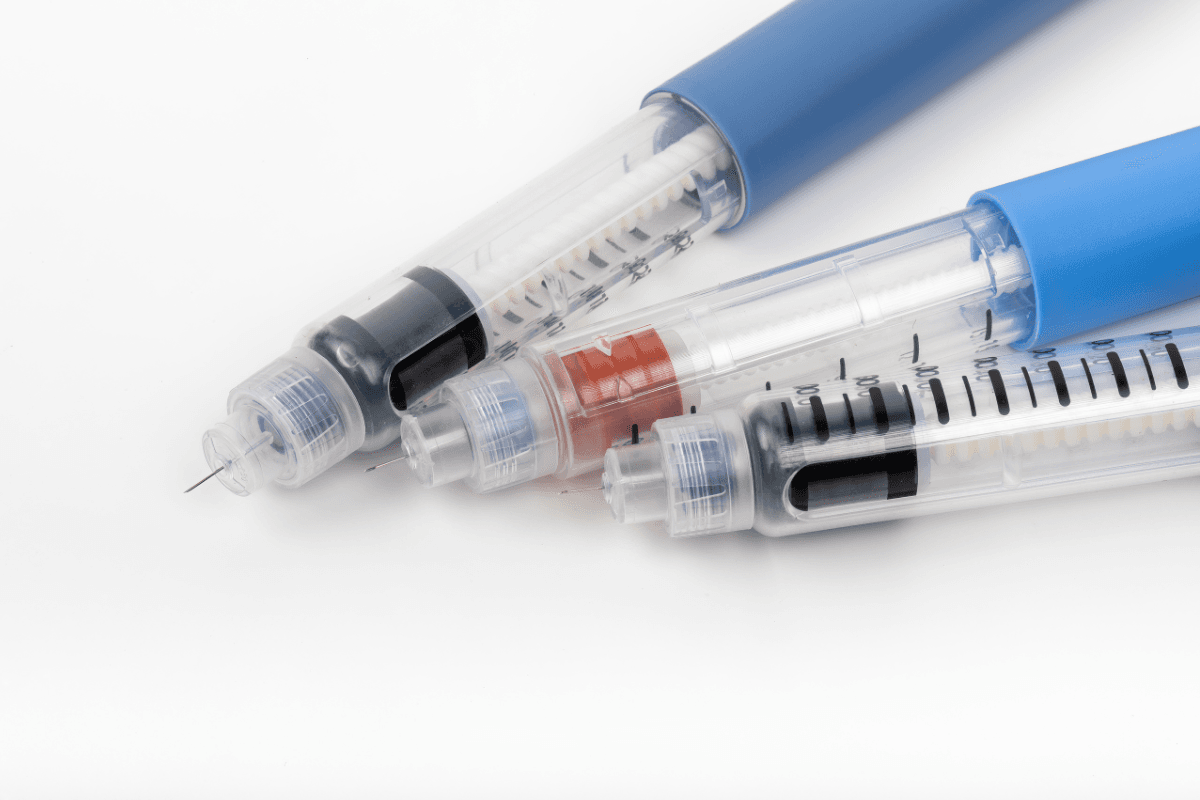
Wegovy pens are single-dose devices. Each pen contains one fixed amount designed for a single weekly injection. The sequence of pre-set strengths makes dose tracking straightforward. Plan refills early so you do not run out during a transition between strengths.
Expect the lower strengths to prioritize tolerability. Early phases often focus on training your gastrointestinal tract and establishing a steady injection routine. Later phases aim to consolidate appetite control while watching for ongoing side effects, hydration status, and any new symptoms. If supply interruptions or intolerance occur, clinicians may hold the current strength or temporarily step back.
Injection Day Consistency and Missed Doses
Choose one weekly day and stick to it for consistency. If you miss an injection and it is within a few days of the planned time, many clinicians allow a late dose and then resume the original day. If it is closer to the next scheduled dose, they may recommend skipping and returning to your normal timing. Keep a written record of dates, strengths, and any symptoms. Consistent tracking helps clinicians judge whether an increase is appropriate or if a longer stabilization period is safer.
Note: Always review your pen’s patient information and follow the instructions provided with your prescription. The official full prescribing information describes dosing steps, storage, and warnings in detail.
Using a Wegovy Dosing Chart
A clear wegovy dosing chart helps you visualize the entire journey from starter to maintenance. Map each week, the dose used, and your planned escalation date. Include notes on side effects, appetite changes, hydration, and activity levels. This creates a simple log that supports informed discussions during follow-up visits.
Color-code the phases: starter, mid-escalation, and maintenance. Set calendar reminders for pharmacy refills before you switch strengths. If a refill is delayed, record the gap so your clinician can decide whether to extend the current dose or adjust timing. For weight-management strategies that complement charting, see Increase Weight Loss on Wegovy for practical routines and diet planning ideas.
When to Increase the Dose and When to Pause
Deciding when to increase wegovy dose depends on tolerability and steady use. Many clinicians wait until side effects settle, the last two weeks have been stable, and the prior injection days were consistent. If nausea, vomiting, or other issues persist, they may extend the current step or pause escalation until symptoms improve.
Some people require slower progression due to sensitivity, other medicines, or medical history. Others may progress more quickly if they experience minimal side effects. If you are also reviewing alternative GLP-1 options, see Understanding Mounjaro Dosage for a framework on titration principles across different molecules.
Can You Stay on a Lower Dose?
People often ask, can i stay on low dose of wegovy if benefits are acceptable and side effects are minimal. In practice, clinicians sometimes maintain a lower dose when appetite control is sufficient, weight trend is favorable, and tolerability is clearly better than at higher strengths. This approach prioritizes adherence and long-term use.
Conversely, if hunger returns or weight trends plateau, the care team may suggest a cautious increase. Individual response varies, and staying lower may not provide the same effect for everyone. If you want a broader comparison of GLP-1 choices and dose ranges, review Wegovy vs Mounjaro for mechanism differences and dose escalation contrasts.
Duration and Expectations
The question, how long do you take wegovy for weight loss, has no one-size-fits-all answer. Many patients remain on therapy as part of a long-term weight-management plan, provided benefits outweigh risks. Clinicians reassess periodically, especially after reaching a stable maintenance level. Discussions consider tolerability, metabolic markers, lifestyle progress, and personal goals.
Early weeks emphasize adaptation, hydration, and routine setting. Later months focus on sustaining behavior changes, monitoring lab values, and maintaining injection consistency. For broader medication options and current evidence, see Best GLP-1 for Weight Loss for a roundup of molecules and their roles.
Cost and Access: Programs, Cards, and Alternatives
Affordability matters. The wegovy savings card from the manufacturer may reduce out-of-pocket costs for eligible patients. Eligibility rules vary by insurance type and location. For criteria and enrollment details, refer to the manufacturer’s official savings program to confirm current terms.
Ask your clinician or pharmacist about therapeutic alternatives if cost or supply is an issue. If comparing products for coverage or pharmacy access, you can review Wegovy to understand available strengths and Zepbound for an alternative GLP-1 option, used here as background while you discuss choices with your care team. For a wider set of articles, browse Weight Management Articles for overviews that frame lifestyle alongside pharmacotherapy.
Tip: Track refill timing and stock availability two weeks before each planned dose increase. This reduces gaps during transitions between pen strengths.
Compare Doses Across Similar Medicines
Understanding dose ranges helps set expectations if you are evaluating alternatives. Molecules within the GLP-1 or dual-incretin classes differ in potency, tolerability, and pen formats. Dose units are not always comparable across brands. Comparing milligram values without context can mislead decisions about effect or equivalence.
If you want structured comparisons by mechanism and outcomes, see Tirzepatide vs Semaglutide to learn how dual-agonists differ from GLP-1 monotherapy. For practical, drug-specific contrasts, Wegovy vs Mounjaro outlines dosage forms and how they are escalated in routine care.
Practical Techniques: Tracking, Tolerability, and Refills
Create a weekly checklist covering injection day, site rotation, hydration targets, and symptom notes. Use simple rating scales for appetite, fullness, and any nausea. Share these notes during follow-ups to make dose decisions more objective. Many people find a pocket notebook or phone-based reminder system easiest.
Rotate injection sites across abdomen, thigh, or upper arm to reduce local irritation. If you experience repeated local reactions or persistent gastrointestinal effects, document the timing and severity. This record helps your clinician decide whether to hold, increase, or step back. For structured symptom guidance, consult Side Effects of Wegovy for common patterns and mitigation tactics.
Safety, Label Guidance, and Follow-Up
Use only as prescribed and follow labeled instructions. Certain conditions and medicines may change how clinicians approach escalation or maintenance. Do not combine dose decisions with crash diets or dehydrating practices. Stable nutrition and hydration lower the chance of side effects during titration.
For comprehensive directions, warnings, and storage instructions, review the Wegovy full prescribing information. It outlines the stepwise schedule, dose forms, and contraindications. When comparing agents or contemplating a switch, consult your clinician for a personalized plan that considers your history and current medications.
Recap
A stepwise plan, clear charting, and consistent injection timing make weekly therapy more manageable. Reserve increases for stable periods with manageable side effects, and consider lower-dose maintenance if benefits hold. Use manufacturer resources and education articles to navigate cost, access, and alternatives. For additional context on medications and lifestyle, see Weight Management Articles to continue learning across related topics.
This content is for informational purposes only and is not a substitute for professional medical advice.


