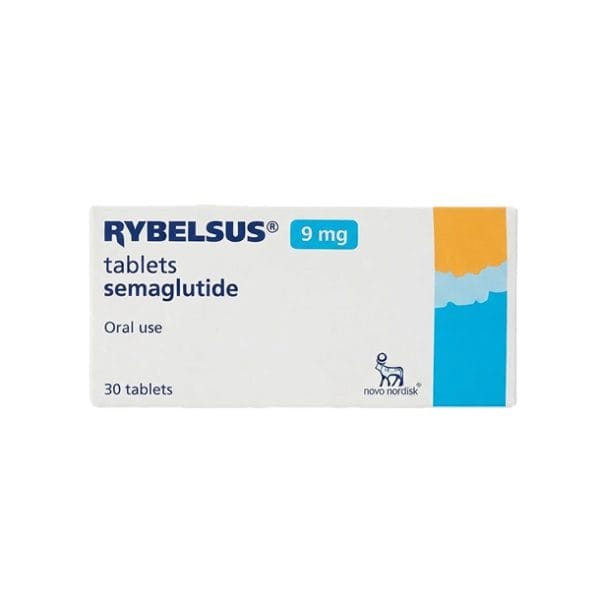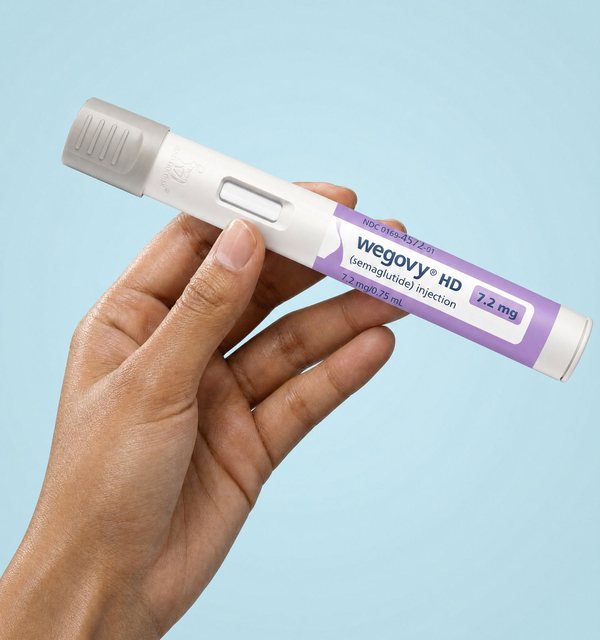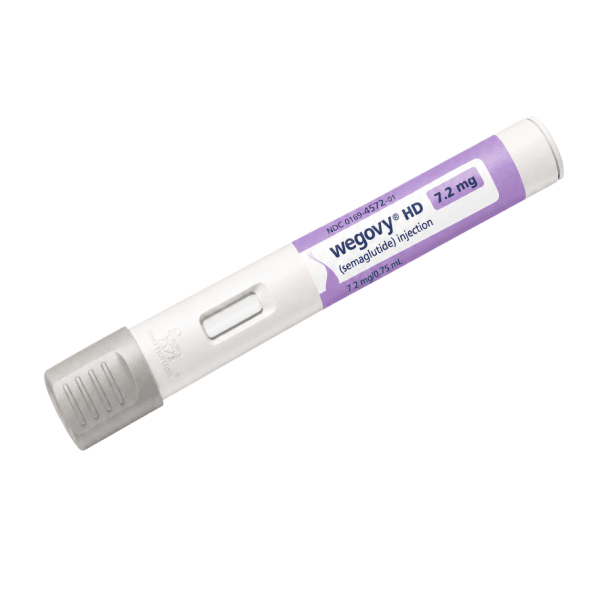



Wegovy weight loss treatment may help some adults reduce appetite and support long-term weight management when used with nutrition, activity, and medical follow-up. It is not a quick fix. The main questions are whether it fits your health history, how dosing is increased, what side effects to expect, and how to respond safely if symptoms occur.
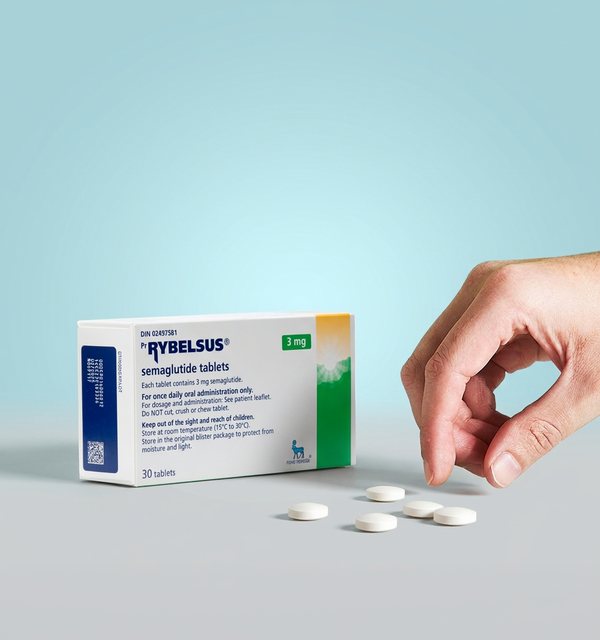
Wegovy contains semaglutide, a GLP-1 receptor agonist (a medicine that mimics a gut hormone involved in appetite and blood sugar signaling). It is prescribed for chronic weight management in eligible people. Your prescriber should review your medical history, current medicines, pregnancy plans, and risk factors before treatment starts.
Key Takeaways
- Appetite support: semaglutide can help reduce hunger and portion size.
- Gradual titration: dose increases are usually staged to improve tolerability.
- Side effects vary: nausea, vomiting, diarrhea, and constipation are common.
- Safety matters: severe belly pain, dehydration, or allergic symptoms need prompt care.
- Habits still count: protein, fiber, activity, sleep, and follow-up support outcomes.
How Semaglutide Supports Weight Management
Semaglutide works mainly by increasing fullness, reducing appetite, and slowing gastric emptying (how quickly food leaves the stomach). These effects can make smaller meals feel more satisfying. Many people notice changes in hunger cues before they see a clear change on the scale.
This matters because weight change depends on repeated daily patterns. Medication may reduce the intensity of cravings or grazing, but it does not replace meal structure, physical activity, sleep, or support for emotional eating. A realistic plan helps you avoid judging progress by one weigh-in.
Clinical studies of semaglutide for chronic weight management found meaningful average weight loss in many participants, but individual results differ. Starting weight, dose tolerance, food intake, activity, other health conditions, and medication adherence all affect response. Some people lose weight gradually. Others plateau or need a treatment review.
People often search for a Wegovy weight loss chart or first-month results. Charts can help set expectations, but they cannot predict your response. Early weeks often focus on tolerability while the dose is still being increased. Your clinician may use weight, waist measurement, symptoms, labs, and health goals to judge progress over time.
Why it matters: A slow start does not always mean treatment failure.
Dosing and Titration: Why the Schedule Is Gradual
Wegovy dosing is usually increased in steps because the digestive system needs time to adjust. This staged approach may reduce nausea and other gastrointestinal effects. It also gives your prescriber a chance to assess tolerability before the next increase.
Readers often ask if they can start at a higher dose, such as 1.7 mg. Do not start, restart, skip, or increase doses without prescriber guidance. A higher starting dose may raise the chance of stomach symptoms and dehydration. Your clinician can advise what to do after missed doses, supply interruptions, or side effects.
A simple Wegovy dosing chart can be useful, but the label schedule is not a substitute for individualized care. Some people need a longer time at a lower step. Others cannot tolerate dose escalation and need reassessment. If symptoms are persistent, dose timing and food patterns may need review before any change.
For a more detailed walk-through of dose escalation and pen-strength timing, see the Wegovy Dosage resource. For a broader semaglutide perspective, the Semaglutide Dosage Chart explains label-based concepts without replacing prescriber instructions.
Practical ways to prepare for dose changes
- Choose quieter days: avoid scheduling increases before travel or major events.
- Eat slowly: stop when comfortably full, not stuffed.
- Reduce heavy meals: greasy foods can worsen nausea for some people.
- Hydrate steadily: small sips may be easier than large amounts.
- Track symptoms: note timing, meals, bowel changes, and dose day.
Quick tip: Bring a written symptom log to follow-up visits.
What Results to Expect and How to Track Progress
Weight loss with Wegovy is usually assessed over months, not days. Some people lose early water weight or eat less quickly. Others need more time, especially during lower starting doses. A prescriber may look for progress after an adequate trial at a tolerated dose, while also checking safety.
Questions such as “How much can I lose each month?” or “How long to lose 20 pounds?” do not have one safe universal answer. Large short-term goals can encourage under-eating, dehydration, or unrealistic expectations. A steadier approach usually fits chronic weight management better.
If the scale does not move, review the basics before assuming the medicine is not working. Common reasons include liquid calories, larger portions despite reduced hunger, low protein intake, constipation, reduced activity, poor sleep, stress, and medications that affect weight. Weight can also fluctuate from salt intake, menstrual cycle changes, travel, and bowel habits.
The calculator below can help you track percentage weight change and progress toward a goal. It is a general tracking aid and does not determine whether Wegovy is appropriate or whether your plan is safe.
Weight-Loss Progress Calculator
Track percentage body-weight change and progress toward a target weight.
These calculations are for education only and do not replace clinical advice, diagnosis, or treatment. Always confirm medical decisions with a qualified healthcare professional.
Some people also ask whether weight loss continues on a maintenance dose. It may, but the aim of maintenance is often to preserve appetite control and support health goals over time. If weight is increasing while using semaglutide, discuss food patterns, dose adherence, side effects, other medicines, and possible medical causes with your clinician.
For practical behavior strategies, the Increase Weight Loss on Wegovy resource reviews safer habit adjustments. These strategies should support, not replace, your treatment plan.
Side Effects, Warning Signs, and When to Seek Help
The most common Wegovy side effects involve the digestive tract. Nausea, vomiting, diarrhea, constipation, heartburn, burping, and abdominal discomfort may occur, especially when the dose changes. These symptoms often become easier to manage, but they should not be ignored if they are severe or persistent.
Small meals, slower eating, adequate fluids, and lower-fat food choices may help some people. Alcohol can worsen nausea or dehydration for certain patients, and it may complicate appetite control. If alcohol use is regular or heavy, discuss it with your clinician before starting therapy.
More serious problems are less common but important. Seek medical advice promptly for severe or persistent abdominal pain, especially if it spreads to the back or comes with vomiting. This can be a warning sign of pancreatitis (inflammation of the pancreas). Right upper abdominal pain, fever, yellowing skin or eyes, or clay-colored stools may suggest gallbladder or bile-duct problems.
Dehydration is another concern when vomiting or diarrhea continues. Watch for dizziness, fainting, very dark urine, inability to keep fluids down, or confusion. Severe allergic symptoms, such as swelling of the face or throat, trouble breathing, or widespread rash, need urgent care.
Wegovy carries a boxed warning about thyroid C-cell tumors based on animal studies. It is generally not used in people with a personal or family history of medullary thyroid carcinoma or in people with multiple endocrine neoplasia syndrome type 2. Your prescriber should review this risk before treatment.
Some readers search for Wegovy side effects cancer. The key point is to follow official labeling and discuss personal risk factors. Do not use internet symptom lists to decide whether a medicine is safe for you. A clinician can interpret your history and decide whether additional evaluation is needed.
For more symptom-management detail, see Gastrointestinal Side Effects. It focuses on practical steps for nausea, diarrhea, constipation, and related concerns.
Where Wegovy Fits Compared With Related Options
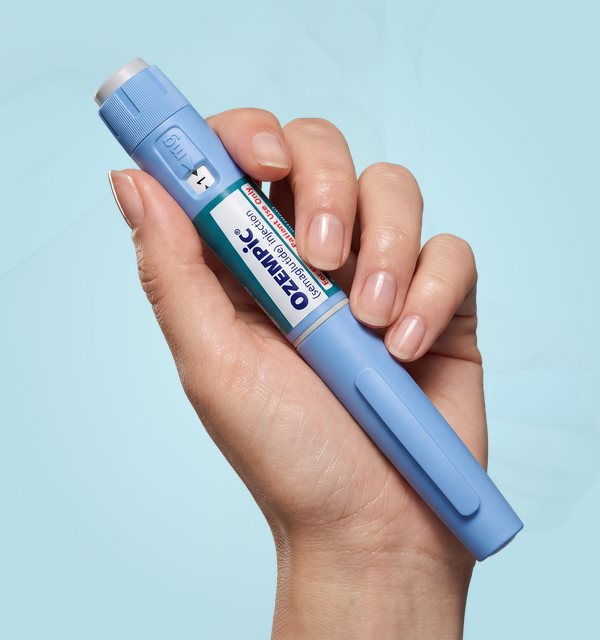
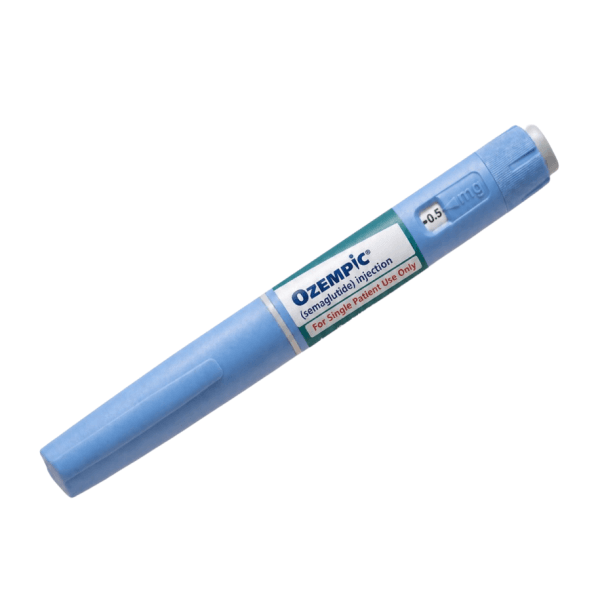
Wegovy and Ozempic both contain semaglutide, but they are not interchangeable in purpose, labeling, or dosing. Wegovy is used for chronic weight management in eligible patients. Ozempic is used for type 2 diabetes care and certain cardiovascular risk reduction contexts. A clinician considers diagnosis, goals, dose needs, risks, coverage, and access before choosing a product.
People also compare Wegovy with medicines such as tirzepatide or liraglutide. These medicines work differently or have different approved uses, dose schedules, tolerability patterns, and contraindications. Do not choose an option based only on online before-and-after reviews. Those reviews rarely show full medical history, diet changes, activity, adherence, side effects, or follow-up care.
For a focused comparison of semaglutide and tirzepatide options, see Wegovy vs Zepbound. If you are comparing device formats or semaglutide products for clinician discussion, the Ozempic Semaglutide Pens page can provide product context without replacing prescribing advice.
The best option is the one that fits a person’s medical indication, safety profile, treatment goals, and ability to continue follow-up. Speed of weight loss is not the only factor. Side-effect burden, nutrition quality, muscle preservation, and long-term maintenance matter too.
Cost, Coverage, and Access Questions
Wegovy cost varies by insurance coverage, plan rules, location, and pharmacy pathway. Some plans require prior authorization or documentation of eligibility. Others exclude weight-management medicines. Cash-pay options may be considered by some patients, but affordability and access differ widely.
When reviewing coverage, ask which diagnosis codes, clinical criteria, and renewal requirements apply. Also ask what happens during supply interruptions or if side effects prevent dose escalation. These details can affect continuity and expectations.
CanadianInsulin.com is a prescription referral platform. Where required, prescription details may be confirmed with the prescriber, and dispensing is handled by licensed third-party pharmacies where permitted. This access context does not determine whether Wegovy is medically appropriate for any individual.
For browseable medication and learning resources, you can use the Weight Management Articles category. The Weight Management Products category can also help you view related options for discussion with a healthcare professional.
Practical Questions to Discuss With Your Clinician
A short appointment plan can make Wegovy weight loss discussions safer and more productive. Bring your medication list, supplement list, medical history, and any prior reactions to GLP-1 medicines. Include pregnancy plans, breastfeeding status, gallbladder history, pancreatitis history, kidney disease, and eating-disorder history if relevant.
- Eligibility: ask why this medicine fits your diagnosis and goals.
- Dose plan: confirm the starting dose and escalation schedule.
- Missed doses: ask what to do after delays or interruptions.
- Side effects: clarify which symptoms need urgent attention.
- Nutrition: discuss protein, fiber, fluids, and meal timing.
- Monitoring: ask what follow-up measures will be tracked.
- Alternatives: review other medicines or non-drug supports.
If progress is slower than expected, avoid self-adjusting the dose. Instead, review the full plan. Your clinician may assess adherence, food intake, activity, sleep, constipation, fluid retention, other medicines, and health conditions that can influence weight.
Authoritative Sources
Official labeling is the best place to confirm indications, contraindications, boxed warnings, and adverse reactions. Review the current Wegovy prescribing information and Medication Guide for label-backed safety details.
The FDA drug database provides regulatory status and product information. See the FDA Drugs@FDA overview for semaglutide for application-level information.
For general public-health context on obesity care, the CDC obesity and healthy weight resources offer background on weight-related health factors.
Recap
Wegovy weight loss treatment can support appetite control for eligible adults, but it works best as part of a monitored long-term plan. Dosing is gradual, side effects need attention, and results vary. Discuss expectations, warning signs, cost, coverage, and alternatives with a qualified healthcare professional before making treatment decisions.
This content is for informational purposes only and is not a substitute for professional medical advice.