
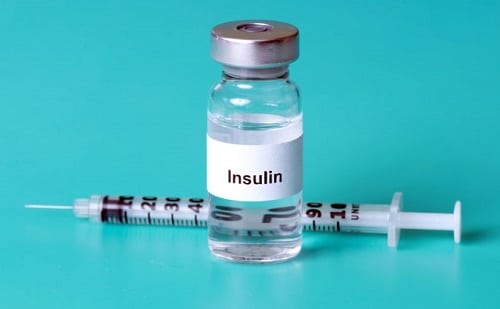
Modern diabetes care relies on clear, practical distinctions between insulin types. Many patients still ask how the debate over human insulin vs animal insulin affects treatment choices. Today, most prescriptions use recombinant human insulin or analogs, not animal-sourced products. Understanding why helps you discuss options with your healthcare team.
We compare sources, manufacturing, safety, and clinical use. You will also see examples and brand families, plus where veterinary insulins fit. This overview aims to clarify choices without replacing medical advice.
Key Takeaways
- Source and structure: Human insulin matches human biology; animal insulin differs slightly.
- Manufacturing: Most insulin now uses recombinant DNA in bacteria or yeast.
- Safety and tolerability: Modern products reduce immune reactions compared with legacy extracts.
- Access and availability: Animal insulin is uncommon in North America; veterinary insulins serve pets.
- Practical choice: Discuss type, delivery form, and monitoring needs with your clinician.
Human Insulin vs Animal Insulin
Human insulin is bioidentical to the hormone produced by the pancreas. It is manufactured at scale using recombinant DNA (rDNA) technology. Animal insulin historically came from purified porcine (pork) or bovine (beef) pancreas. These animal forms differ by one to three amino acids, which can affect immune response and variability in glucose control.
In practice, today’s care largely favors recombinant human insulin and analog insulins. Reasons include consistent potency, tight quality standards, and more predictable pharmacokinetics. Some long-term users of animal insulin may prefer its familiar profile, but availability has declined. For new starts, guidelines typically point to modern products, with patient-specific adjustments.
Structural Differences and Immunogenicity
Human insulin matches human receptors precisely, which helps reduce antibody formation. Animal insulin, especially older bovine products, showed higher rates of injection-site reactions and anti-insulin antibodies. Antibodies may raise dose needs or create unpredictable swings. Purification advances improved animal extracts over time, yet recombinant products remain more consistent lot to lot.
These structural nuances also influence peak and duration. Minor sequence changes can shift binding and clearance. Clinicians consider these effects together with device choice, diet, and monitoring. For a deeper look at therapeutic profiles by class, see Human Insulin Types for how action curves differ in practice.
How Insulin Is Manufactured
Today’s supply leans on biotechnology. Manufacturers insert the human insulin gene into microorganisms such as Escherichia coli (bacteria) or Saccharomyces cerevisiae (yeast). These cells express proinsulin or separate A and B chains, which are then enzymatically processed, purified, and formulated. This pathway supports high-volume, consistent output with tight quality controls.
Production steps include fermentation, protein capture, multiple purification stages, and sterile filling. Quality testing checks identity, potency, purity, endotoxin, and particulates. Understanding how insulin is manufactured clarifies why modern products demonstrate lower batch variability than historical animal extracts. For foundational guidance on biologics, the FDA biologics overview explains regulatory expectations for safety and quality.
Recombinant DNA Workflow
In an rDNA process, an expression vector carries the insulin gene into a host cell. Manufacturers grow the cells in controlled fermenters, carefully managing pH, oxygen, and nutrients. After harvest, they break the cells, isolate the insulin precursor, and trim the connecting peptide to yield active insulin. Advanced chromatography removes impurities, including host-cell proteins and DNA fragments. Finally, the insulin is crystallized or stabilized in solution and filled into vials, pens, or cartridges under sterile conditions. For background on insulin therapy basics in clinical practice, the NIDDK insulin treatment page offers a neutral overview.
Animal Extraction Workflow (Historical)
Animal insulin started with collection of porcine or bovine pancreas from abattoirs. Tissues were minced, acid-extracted, and filtered. Early products contained more impurities and varying potency. Later purification reduced contaminants, yet supply still depended on slaughter volumes. Sequence differences from human insulin contributed to higher immunogenicity. Because of these limits, recombinant methods displaced animal sources in most markets.
Why Animal Insulin Is Rare Today
Several factors pushed the transition. Recombinant products show lower immunogenicity and steadier potency. Manufacturing scales more reliably than abattoir-based sourcing. Regulatory standards emphasize purity, identity, and consistency, which rDNA methods satisfy well. As a result, animal insulin became uncommon in North America and difficult to source in routine care.
Patient safety also played a role. Historical reports noted variable responses and antibody development with some animal extracts. Improvements narrowed those gaps but did not fully erase them. Today, clinicians may encounter legacy users or specific circumstances, yet most new prescriptions start with recombinant human insulin or analogs. When comparing history and availability, a common question is why is animal insulin no longer used; consistent quality and access largely explain the change.
Clinical and Practical Differences
Pharmacologically, both types activate insulin receptors to lower blood glucose. However, small sequence differences and purity profiles can influence variability, hypoglycemia risk, and antibody formation. Device platforms and delivery mode also matter. Vials, pens, and cartridges allow different dosing workflows and adherence patterns. See Insulin Cartridges for device options that may fit daily routines.
Cost and access vary by region and insurance. Yet the biggest practical difference may be consistency and monitoring needs. For some, switching formulations requires careful observation. Discuss the disadvantages of human insulin in the context of your history, including any past reactions or glycemic variability. For related therapy choices among common brands, see Humulin vs Humalog for brand-level contrasts and action profiles.
Safety, Availability, and Use in Pets
Veterinary products serve dogs and cats with diabetes. Examples include porcine insulin zinc suspension and protamine zinc insulin. Formulations and concentrations may differ from human products. Dosing, monitoring, and labeled indications are designed for animals. To understand clinical basics for pets, see Insulin for Dogs for an overview of dosing considerations and monitoring at home.
Human use of veterinary insulin is not standard practice. Regulatory approvals differ, and excipients or concentrations may not align with human regimens. If supply disruptions occur, decisions must involve a clinician. A frequent question is can humans take vetsulin; this requires medical oversight and is generally discouraged outside emergencies. For context on product distinctions, review Vetsulin vs Novolin to see how veterinary and human formulations diverge. You can also view examples like ProZinc Vial and Caninsulin Vial to understand concentrations and labeled species.
Examples and Brands
Common recombinant products include regular (short-acting), NPH (intermediate-acting), and analog insulins with tailored profiles. Short-acting and basal analogs offer different onset, peak, and duration characteristics. Selection depends on diet, activity, and monitoring patterns. For a deeper overview of classes and timing curves, see Human Insulin vs Analog Insulin for side-by-side action profiles and use cases.
Patients often ask about human insulin brands and how they compare. Names vary by market and formulation. Brand families usually include vials, prefilled pens, and cartridges. Devices can help with accurate dosing and portability. For delivery formats and practical benefits, see Insulin Cartridges for storage and handling tips. If your clinician recommends veterinary options for pets, device choices like Caninsulin Cartridges may support consistent dosing schedules.
How Insulin Is Made for Injections
Final dosage forms require precise formulation, sterile processing, and rigorous testing. Manufacturers adjust pH, tonicity, and preservatives to keep stability within labeled ranges. Suspensions like NPH or PZI require uniform particle size. Solutions must remain clear and free of particulates. Process controls aim to minimize contamination risk during filling and sealing.
A frequent technical question is how is insulin made for injections. After purification, bulk insulin is blended with excipients, filtered through sterilizing membranes, and filled into sterile containers. Each lot undergoes identity, potency, and endotoxin testing. Device assembly adds pens or cartridges with dose meters. For physiological context, see Insulin Synthesis and Secretion to connect natural hormone release with therapeutic timing. For manufacturing background, Synthetic Insulin Made explains how rDNA technology supports global supply.
Recap
Animal-sourced insulin shaped early diabetes care, but recombinant products dominate current practice. Structural matches, consistent potency, and reliable supply favor modern options. Animal insulin persists in limited settings, including veterinary use, and in some legacy patient cases. Work with your clinician to balance action profile, device convenience, and monitoring needs.
If you want broader context on therapy choices and related conditions, browse Diabetes Articles for educational guides, or review Diabetes Products to understand available formats and accessories.
Note: External scientific and regulatory resources provide additional background on safety and manufacturing expectations. See the FDA biologics overview and the NIDDK insulin treatment page for neutral summaries.
This content is for informational purposes only and is not a substitute for professional medical advice.


