
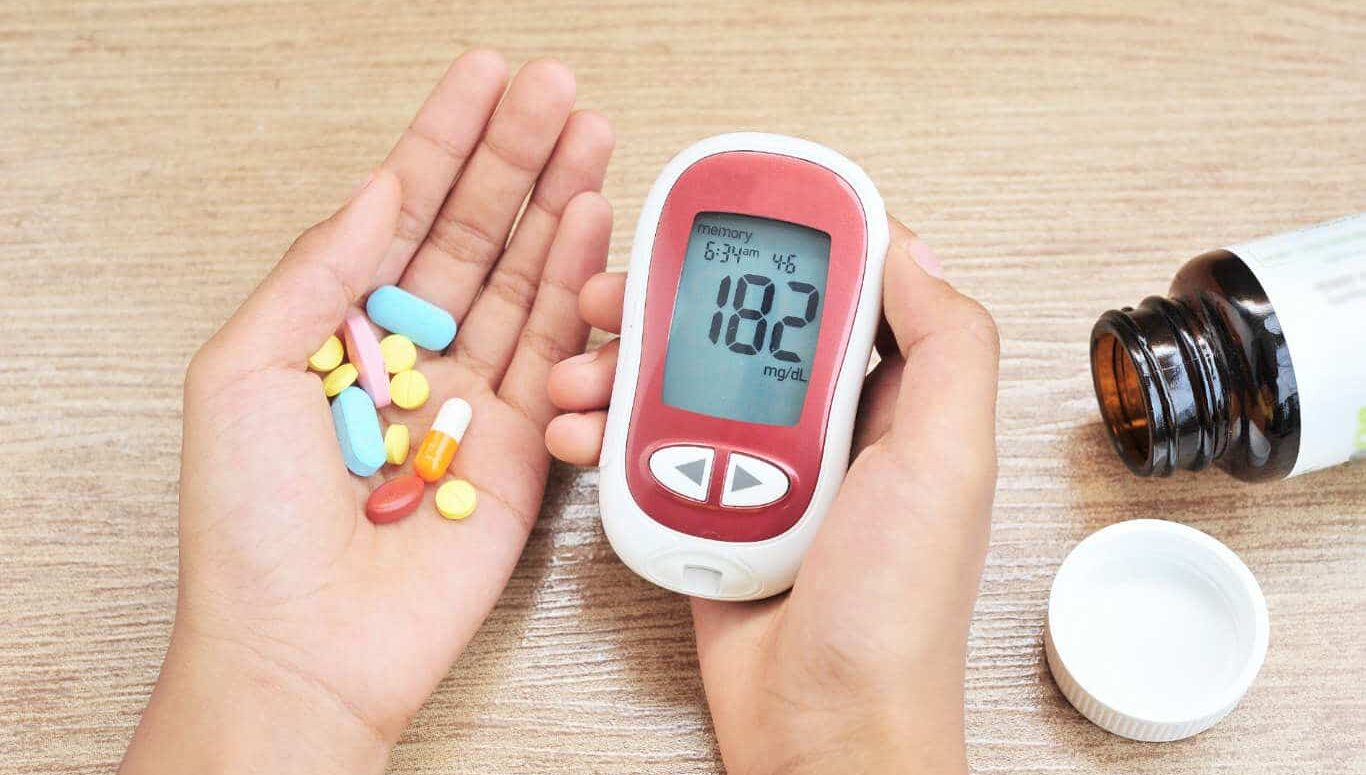
Oral diabetes medications remain first-line therapy for many adults with type 2 diabetes. This updated guide explains how each class works, when to consider them, and how factors like weight, kidney function, and cardiovascular risk shape real-world choices. It also highlights combination options, monitoring needs, and when to consider insulin or injectables.
Key Takeaways
- Start simple: metformin is often first, unless not tolerated or contraindicated.
- Match therapy to goals: glucose, weight, heart, and kidney priorities differ.
- Use combinations thoughtfully to reduce side effects and improve control.
- Reassess regularly; adjust based on monitoring and changing clinical status.
Understanding Oral diabetes medications
These medicines reduce blood glucose through several mechanisms, such as improving insulin sensitivity, decreasing hepatic glucose output, or increasing urinary glucose excretion. In clinical terms, they span biguanides, SGLT2 inhibitors, DPP-4 inhibitors, thiazolidinediones, sulfonylureas, meglitinides, alpha-glucosidase inhibitors, bile acid sequestrants, and oral GLP-1 receptor agonists. In plain terms, some help your body use insulin better, some help your kidneys remove sugar, and others reduce sugar made by the liver.
Therapy choice depends on individual risk–benefit balance. Consider hypoglycemia (low blood sugar), weight impacts, renal function, heart disease, and treatment burden. When you want a deeper overview of mechanisms and use-cases, see the primer in Common Diabetes Medications for a clear class-by-class refresher.
Drug Classes and How They Work
Biguanides. Metformin decreases hepatic gluconeogenesis (liver sugar output) and improves peripheral insulin sensitivity. Gastrointestinal effects are common, but extended-release forms can help. For an ER option, see Glumetza for formulation differences useful in intolerance.
SGLT2 inhibitors. These agents promote glycosuria (urinary glucose loss), aiding glucose control and modest weight reduction. They also show kidney and heart failure benefits in appropriate patients. For a representative option, see Dapagliflozin for indications and class characteristics you can compare.
Common Classes and Examples
Sulfonylureas stimulate insulin release, which can cause hypoglycemia, especially in older adults or with missed meals. DPP-4 inhibitors increase incretin levels, offering weight neutrality and a low hypoglycemia risk. Thiazolidinediones (TZDs) improve insulin sensitivity but may cause weight gain and edema; use caution in heart failure. Alpha-glucosidase inhibitors slow carbohydrate absorption and mainly cause gastrointestinal symptoms. Oral GLP-1 agonists, currently oral semaglutide, enhance glucose-dependent insulin release and may aid weight. You will not find a broad glp-1 drugs oral list because oral semaglutide remains the primary agent.
Combination therapy. Pairing classes can improve efficacy while limiting side effects. For examples that combine mechanisms, see Invokamet for SGLT2 plus metformin comparisons, and Janumet XR for a DPP-4 plus metformin approach you can contrast.
Emerging options. New oral incretin candidates are in development and may expand choices soon. For pipeline context, see Orforglipron to understand where novel oral GLP‑1–like agents may fit, and review Orforglipron Clinical Trials for ongoing efficacy and safety signals.
Choosing Therapy: Efficacy, Weight, and Risk
There is no single best medicine; choices depend on A1C gap, hypoglycemia risk, comorbid disease, and personal preferences. Terms like best medicine for diabetes type 2 reflect common questions, but the right option varies by patient profile. For example, metformin suits many as a base, SGLT2 inhibitors support kidney and heart failure priorities, and oral GLP‑1 agonists may help weight control.
When tailoring therapy, include renal function, hepatic disease, osteoporosis risk, and medication burden. Review additional management perspectives in Innovations in Type 2 Diabetes to align choices with broader care goals. For topic depth across diagnosis and follow-up, see Type 2 Diabetes for structured primers and updates.
Weight and Cardiometabolic Considerations
Body weight and cardiometabolic risk strongly influence selection. Oral semaglutide has evidence for semaglutide weight loss benefits, while SGLT2 inhibitors may support modest weight reduction and heart failure outcomes. For comprehensive, annual guidance on drug choice by comorbidity, the Standards of Care in Diabetes summarize current recommendations using graded evidence.
Oral GLP‑1 therapy can assist patients who prefer pills yet want incretin effects. For labeling details on indication, contraindications, and warnings, consult the Rybelsus prescribing information before initiating or switching therapy. If you are comparing oral incretin options more broadly, see Orforglipron vs Rybelsus for a structured mechanism and outcomes contrast.
When to Consider Insulin
Oral therapies may be insufficient with marked hyperglycemia, symptoms of catabolism, or during acute illness. In such cases, transitioning to basal or basal‑bolus regimens can stabilize control, with a later reassessment for de‑intensification. Discussions about oral diabetes medications vs insulin should weigh A1C goals, hypoglycemia risk, patient skills, and willingness to monitor glucose closely.
Some patients benefit from split‑mix or premixed strategies for simplicity. For formulation basics and how fixed ratios work, see Premixed Insulin for practical context you can apply during transitions.
Special Populations and Clinical Situations
Pregnancy requires specialist guidance and different targets. Most oral diabetes medications pregnancy scenarios favor insulin because safety data for many oral agents are limited or insufficient. Preconception planning should address medication changes, folate status, and glycemic optimization to reduce maternal and fetal risks.
Chronic kidney disease, older age, and hepatic impairment also influence drug choice and dosing. Agents with low hypoglycemia risk and renal or heart benefits are often preferred in high‑risk populations. For adjunct management of diabetic kidney disease risks, see Kerendia for its role in albuminuric CKD alongside glucose‑lowering therapy.
Safety, Side Effects, and Monitoring
Match safety profiles to patient risks. Sulfonylureas can cause hypoglycemia; TZDs can worsen edema; SGLT2 inhibitors can increase genital infections; and metformin can cause gastrointestinal symptoms and, rarely, vitamin B12 deficiency. Monitor eGFR, A1C, weight, and adverse effects at regular intervals. For a broad reading pathway and topic updates, browse Diabetes Articles to locate focused safety discussions.
Documentation and coding track diagnoses, not specific drugs. Searches like metformin icd-10 are common, but ICD‑10 codes classify diabetes types, complications, and control status instead. If you need brand‑specific formulation references while documenting or counseling, see our Diabetes Medications category for examples you can compare by release profile and combinations.
Putting It Together: Practical Sequencing
Start with metformin if appropriate and tolerated. Add a second agent when the A1C gap remains significant after lifestyle and initial therapy. Choose add‑ons based on weight goals, hypoglycemia avoidance, cardiovascular disease, kidney function, and patient preference for daily routines.
Reassess three to six months after any change. Confirm adherence, evaluate side effects, review home glucose data, and consider combination steps. For context on future agents that may change sequencing, see Orforglipron vs Tirzepatide to understand where emerging oral incretin therapies could fit.
Recap
Oral agents remain central to type 2 diabetes care, but the best plan is individualized. Align the regimen with glycemic targets, weight and organ priorities, and tolerance. Revisit choices as goals, comorbidities, and evidence evolve.
Note: Medication selections should reflect local guidelines, labeling, and individual clinical assessment.
This content is for informational purposes only and is not a substitute for professional medical advice.


