Many people hear claims about the insulin plant as a natural aid for blood sugar. Interest often grows from word-of-mouth, not medical guidelines. Evidence remains limited and mixed, and regulations treat it as a supplement. This overview explains what we know and where it may fit.
Key Takeaways
- Limited evidence base: small studies and traditional use.
- Not a diabetes medicine; monitor for interactions.
- Various preparations exist; quality control varies.
- Side effects can include digestive upset and hypoglycemia.
Insulin Plant: Research and Realistic Expectations
Research on this plant largely includes lab models, animal studies, and small human trials. Methods vary, and many studies lack rigorous controls. Results suggest possible glucose-lowering effects, but findings are inconsistent. This means expectations should stay cautious and evidence-led.
Supplements are not approved to diagnose, treat, or cure disease. For consumer safety basics on supplements, see the FDA guidance on dietary supplements (opens in a new tab) what you need to know about dietary supplements. For pancreas function context that frames how glucose regulation works, see Pancreas and Diabetes for organ function basics.
Botanical Profile and Common Names
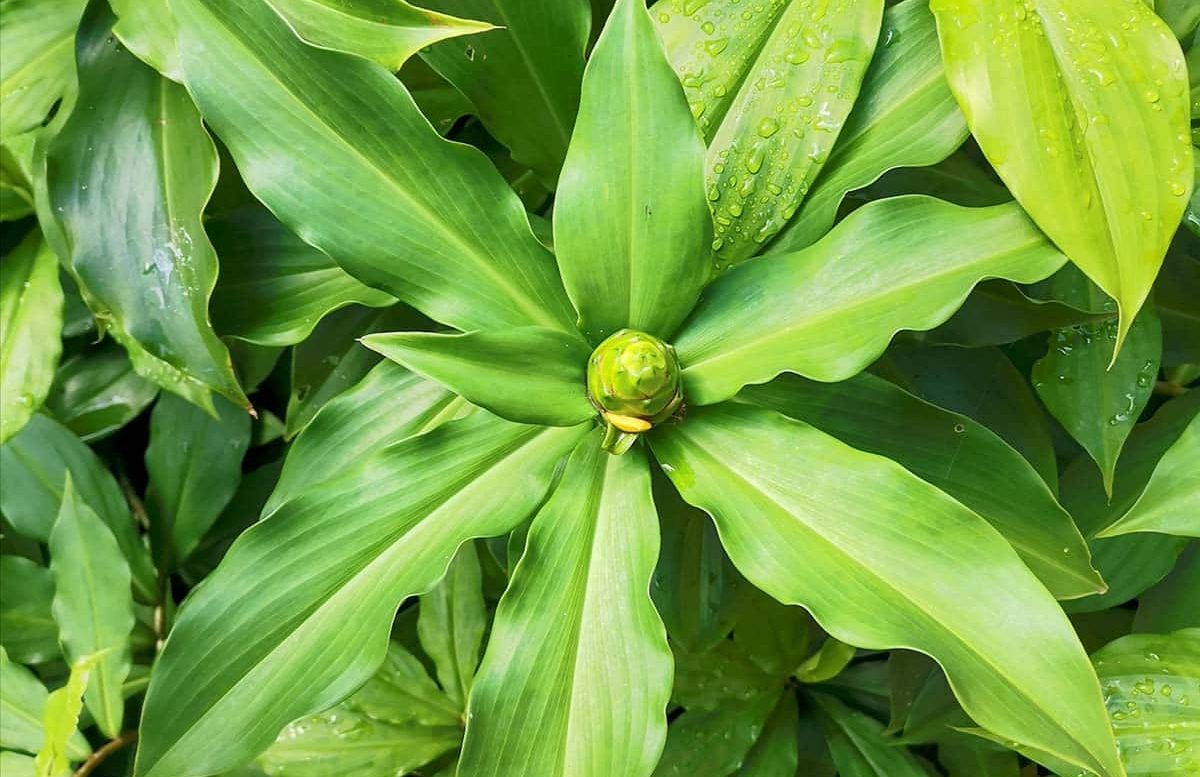
The plant commonly called the “insulin plant” is a tropical ornamental in the Costaceae family. Botanically, it is often listed as C. igneus, with spiral stems and broad green leaves. English common names include spiral flag and fiery costus. Regional languages use different names, and many people simply use the diabetes plant name in everyday speech.
Gardeners and herbal sources frequently label it under the insulin plant scientific name, along with synonyms. You may also see an English name on nursery tags, plus local terms in South Asian markets. If you buy a live plant, confirm the correct species and avoid lookalikes. Local horticulture groups can help verify identification from clear photos.
Potential Benefits and Active Compounds
Traditional use highlights possible glucose support, weight management, and digestive comfort. Early research explores antioxidant and metabolic effects from leaf constituents. Some constituents may influence carbohydrate handling or insulin signaling. However, human data remain small and preliminary.
Claims around insulin plant benefits should be weighed against the lack of large trials. Nutrient intake, physical activity, and prescribed therapy remain foundational. For an overview of supplement evidence in diabetes, see the NIH’s neutral summary (opens in a new tab) diabetes and dietary supplements. These resources explain where botanicals might help and where they fall short.
How People Consume It
People use leaves fresh, brewed as tea, or in powders and capsules. Preparation choices affect taste, potency, and tolerability. Home handling varies widely, so quality and dose are not standardized. Discuss any plan with your clinician, especially if you use glucose-lowering drugs.
Leaf Chewing
Some users chew fresh leaves for convenience. Flavor can be grassy and slightly bitter. Washing leaves, removing midribs, and chewing slowly may help tolerability. Because leaf size and composition vary, effects can be unpredictable. Monitor for symptoms of low blood sugar if you take insulin or secretagogues.
Tea Preparation
Interest in how to make insulin plant tea often reflects a desire for gentler intake. A typical approach uses rinsed leaves simmered briefly in clean water, then steeped and strained. People may add ginger or lemon to improve taste. Homemade teas can vary in strength, so start with small amounts and observe how you feel. If you brew regularly, note your routine in a log and track glucose to understand trends over time. For context on beverages that may influence glucose, see Dark Tea for Diabetes for research contrasts.
Powders and Capsules
Some prefer insulin plant powder or capsule supplements for convenience. These products may blend leaves with other botanicals, which complicates attribution of effects. Labels seldom reflect standardized active compounds. If you consider an insulin plant supplement, select a brand with third-party testing and consistent lot numbers. Keep a log of timing, meals, and glucose checks to spot patterns and potential interactions.
Tip: Whatever form you choose, schedule regular meter or CGM checks when you change routines. Log readings alongside meals, activity, and any teas or capsules. Share logs with your care team to interpret patterns safely.
Safety and Side Effects
Known and suspected side effects of insulin plant include digestive upset, nausea, or loose stools in some people. Allergic reactions are possible with any botanical, especially in those with plant sensitivities. If you experience rash, swelling, or breathing changes, stop and seek medical care. Because effects can compound with medications, watch for dizziness, sweating, or tremor from low glucose.
Pregnancy, breastfeeding, and pediatric use lack robust safety data. People with kidney, liver, or gastrointestinal conditions should be cautious. For medication context, metformin and other therapies have established safety frameworks; see Metformin in Prediabetes for monitoring examples. For non-prescription choices like sweeteners, the overview Healthiest Sweetener Tips offers practical comparisons to reduce added sugars. Note: Stop use and contact a clinician if you notice unusual symptoms or sustained glucose changes.
Care and Identification
Home growers value lush foliage and spiral stems. Basic insulin plant care includes warm temperatures, bright indirect light, and regular watering with good drainage. Avoid waterlogging and heavy, compacted soils. Prune older canes to encourage new growth.
If you rely on images to identify the plant, cross-check multiple sources. A single insulin plant picture may not capture seasonal changes in color and size. Consult local nurseries or gardening groups for confirmation. If you plan to consume leaves, confirm the species and avoid plants exposed to pesticides or roadside pollution.
Where It Fits in Diabetes Care
Botanicals sit alongside, not above, proven diabetes care. Diet quality, movement, sleep, and prescription therapy remain central. For structured eating approaches, see Best Diet for Insulin Resistance to align meals with glucose goals. If you explore weight-focused therapies, learn about the role of incretin drugs in GLP-1 Weight Loss Drugs and how they support metabolic health.
Some readers compare plant use with branded treatments. For medication background, review Ozempic Semaglutide Pens for GLP-1 class examples and Trulicity Pens to understand weekly dosing frameworks. For broad learning paths and news, browse our Diabetes articles category for curated updates. These resources provide clinical context while insulin plant for diabetes research continues to evolve.
Recap
Interest in this plant remains high, but clinical evidence is still early. Preparation methods range from fresh leaves to teas and capsules, each with trade-offs. Safety depends on your medications, conditions, and monitoring habits.
Use a cautious, data-driven approach. Anchor decisions to your care plan, lab results, and home glucose trends. Revisit choices with your clinician, especially if therapy or diet changes. Supplements can complement healthy routines but should not replace prescribed care.
This content is for informational purposes only and is not a substitute for professional medical advice.