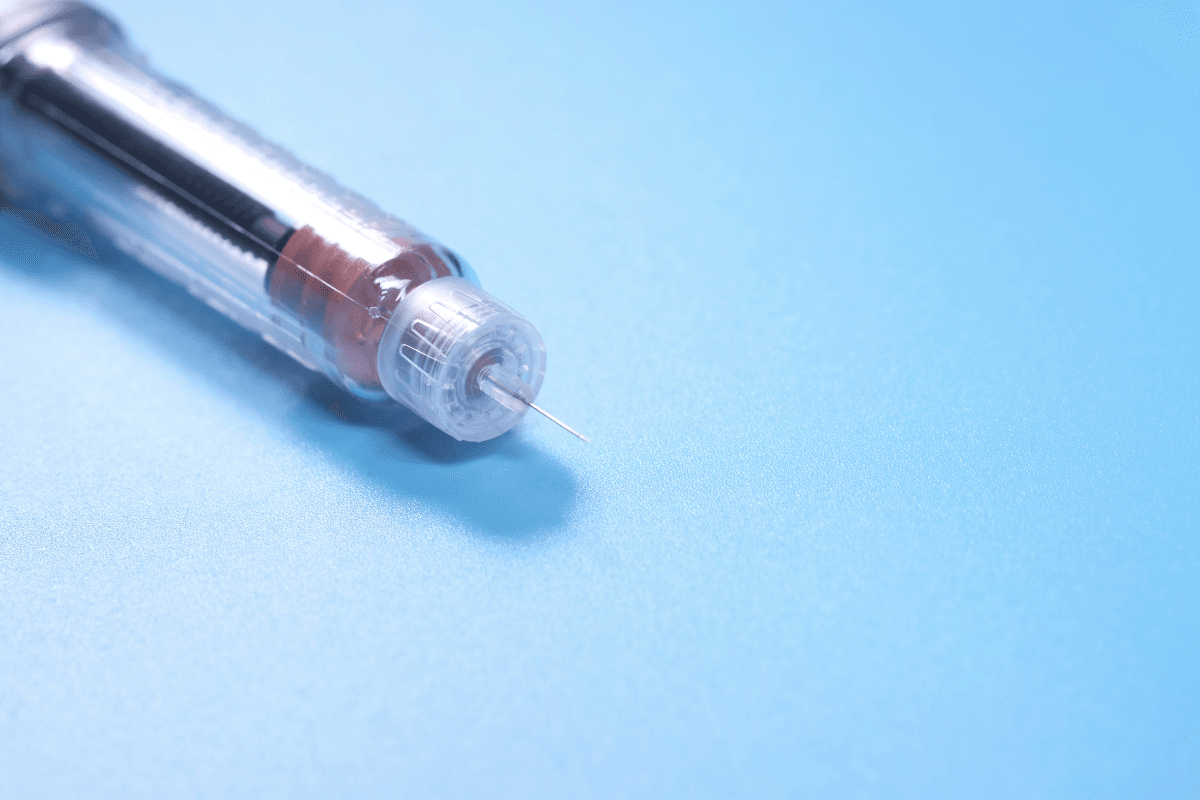
Concerns about GLP-1 medicines and mood have grown online and in clinics. Clear, real-world data now helps separate signal from noise. This article reviews safety findings, mechanisms, and monitoring steps so patients and clinicians can discuss risks with context. We cover observational evidence, practical red flags, and related factors that shape mental well-being.
Key Takeaways
- Large cohort studies show no increased suicide risk, and some show lower risk.
- Observed mood symptoms often relate to sleep, nutrition, or preexisting conditions.
- Screen for mood changes during dose changes and major weight shifts.
- Coordinate care if you use psychiatric medicines or have past mood disorders.
Conversations about Ozempic and mental health benefit from measured evidence, not headlines. Use this guide to frame a calm, informed discussion with your healthcare team.
Ozempic and mental health: What the New Data Shows
Recent pharmacovigilance reviews and large observational cohorts have not shown an increased risk of suicide or self-harm with GLP-1 receptor agonists. In fact, some real-world analyses suggest a neutral or lower risk compared with other therapies for diabetes or weight management. These findings matter because perception can drive fear, adherence, and monitoring intensity in routine care.
Regulators summarize the current state clearly. In 2024, the FDA reported no evidence of a causal association between GLP-1 receptor agonists and suicidal thoughts or actions after an initial evaluation, while continuing to monitor reports for new signals (see the FDA safety update for context, FDA safety update). The European Medicines Agency similarly concluded in 2024 that available data did not support a causal link, though vigilance remains appropriate (see the EMA review). These independent assessments help anchor clinical conversations in evidence.
For broader context on how these medicines affect populations, review our overview of GLP-1 effects on weight trends; it sets expectations about benefits observed at scale (GLP-1 Weight Loss for population-level trends).
How Suicide Risk Was Studied in Real-World Evidence
Observational cohorts typically compare GLP-1 receptor agonist users with matched controls using other therapies. Analyses adjust for baseline depression, prior self-harm, psychiatric medication use, and comorbidities. Researchers also examine time-at-risk windows around initiation and dose escalation, when new symptoms might appear. These steps help reduce confounding by indication and concurrent life changes.
Large databases also examine broader mood outcomes and health utilization. This provides pragmatic insight into the clinical question many people ask: does ozempic cause depression. While no observational design can remove all bias, consistency across methods and geographies strengthens confidence. When interpreting duration effects, note that exposure matters; for practical planning around treatment length, see our summary of typical use patterns (How Long Ozempic for exposure context).
Note: Package labeling for obesity-dosed semaglutide (Wegovy) advises monitoring for suicidal thoughts or behavior; this is a precaution, not proof of causality. Clinicians routinely apply the same vigilance with diabetes-dosed semaglutide as a conservative practice (see the manufacturer’s prescribing information for the precaution language).
Brain Pathways and Psychiatric Signals
GLP-1 receptor agonists act centrally to reduce appetite and may influence reward pathways. These central effects involve hypothalamic and brainstem circuits that control satiety and nausea. Related changes in sleep, hydration, and caloric intake can indirectly affect mood and cognition. When patients report slowed thinking or reduced motivation, clinicians consider nutrition, sleep, and dose timing before attributing causality.
Some patients describe ozempic brain fog during early titration. Practical contributors include low carbohydrate intake, dehydration from nausea, and disrupted sleep. A simple check is to review meal timing, protein intake, hydration targets, and stimulant use like caffeine. If symptoms persist despite supportive steps, discuss dose adjustments or alternative agents with your prescriber. For sleep-specific considerations, see our evidence brief on nighttime effects (Ozempic Insomnia Facts for sleep and dosing factors).
Neurotransmitters and Appetite Pathways
GLP-1 signaling interfaces with dopamine and serotonin circuits tied to reward and impulse control. Appetite suppression can feel like a muted drive for food, which some interpret as emotional blunting. Distinguishing satiety from anhedonia (loss of pleasure) requires careful history. Clinicians probe for interests outside eating, social engagement, and capacity for pleasure in unrelated activities. They also review medications like SSRIs, SNRIs, stimulants, and mood stabilizers, which independently shape energy and affect.
Interpreting Patient Reports and Media Narratives
First-person stories can highlight under-recognized issues but also overgeneralize rare experiences. Reports on social forums vary in detail, comorbidities, and other medications, making causality hard to judge. When a patient reports personality shifts, clarify timing, dose changes, and life stressors. Track objective measures like sleep hours, step counts, and meal logs to anchor the narrative.
Some users describe ozempic personality changes, typically during rapid weight loss or poor sleep. Parsing these anecdotes requires structured follow-up and, when needed, short-term dose holds or slower titration under supervision. For those exploring adjacent agents or switching strategies, compare mechanisms and outcomes across incretin drugs (Orforglipron vs Rybelsus for mechanism contrasts).
For additional context on regaining weight after stopping or reducing dose, see our practical guide; it outlines behavioral and pharmacologic strategies that also influence mood stability (Ozempic Rebound for relapse prevention planning).
Coexisting Conditions and Drug Interactions
Baseline psychiatric diagnoses influence assessment and monitoring plans. A patient with recurrent major depression, past self-harm, or bipolar spectrum symptoms warrants closer follow-up during titration. Care teams also reconcile medications that can affect appetite, sleep, and activation, such as bupropion, mirtazapine, lithium, and stimulants. Coordinated care reduces the risk of attribution errors during dose changes.
Questions often arise about ozempic bipolar disorder and symptom destabilization. Evidence does not show a class-wide trigger; however, mania or mixed features can emerge from sleep loss, substance use, or antidepressant adjustments. Clinicians typically stabilize sleep and substance exposures first, then address dose pace. When broader cardiometabolic benefits are considered, it can help to compare parallel agents and their systemic effects (Mounjaro Heart Benefits for cardiometabolic mechanisms beyond weight).
Where psychiatric and metabolic care intersect, reviewing categories helps locate related guidance in one place (Mental Health for curated editorial resources).
Practical Monitoring and When to Seek Help
Routine mood screening during initiation and dose escalations helps. Ask about sleep quality, anhedonia, irritability, and concentration. Document changes using simple scales or brief journals. Early steps include optimizing nutrition, hydration, and physical activity, then pacing titration as tolerated. If concerning changes emerge, loop in mental health support rather than abruptly stopping therapy without a plan.
People sometimes wonder, can ozempic cause anxiety during titration. Transient restlessness can follow sleep loss, under-fueling, or excessive caffeine. New-onset panic, intrusive thoughts, or self-harm ideation require urgent evaluation. If you experience crisis symptoms, seek immediate care. For structured self-monitoring during weight-loss plans, a short program can keep changes visible and actionable (6-Week Ozempic Plan for tracking routines).
Tip: Keep a weekly checklist covering sleep, energy, interest, appetite, and social activity. Share it at follow-up so your prescriber can adjust the plan with data.
Related Metabolic Effects and Mood
Improved glycemic control can enhance energy and sleep, which often supports mood. Conversely, rapid caloric restriction may reduce energy and irritability in the short term. Nutritional counseling helps strike a sustainable balance. If weight loss slows or stalls, frustration can color mood assessments, so set realistic expectations and normalize plateaus.
Some patients report ozempic mood changes when dose increases coincide with big lifestyle shifts. Planning smoother titration and regular meals can reduce swings. If sleep is a challenge, review evening dosing, stimulant timing, and screen use. For those evaluating alternatives with different receptor profiles or oral options, see comparative resources (Orforglipron Clinical Trials for emerging oral data). Alcohol can also affect sleep and mood; consider interactions when using weight-loss formulations (Zepbound and Alcohol for interaction highlights).
Compare Across GLP-1 and GIP Agents
GLP-1 receptor agonists share core mechanisms but differ in dosing, tolerability, and central effects. Dual agonists add GIP pathways, which may alter appetite and nausea patterns. When patients experience challenging symptoms, switching within class or to dual agonists may be considered under supervision. Comparative tolerance can be as important as efficacy in long-term use.
Reports of ozempic psychiatric side effects should be viewed alongside experiences with other agents. If a patient does best on a specific molecule or route (oral versus injectable), that preference supports adherence. For background on semaglutide delivery formats, see product details to understand devices and dosing differences (Ozempic Semaglutide Pens for device overview). If you and your clinician consider alternatives, reviewing class peers can be useful (Zepbound for a dual-agonist option).
Finally, therapy context matters. If travel, routine changes, or extended storage could complicate dosing, planning ahead helps maintain stability (Travel With Ozempic for practical storage and transport tips).
Recap
Across large datasets and regulatory reviews, GLP-1 receptor agonists have not shown increased risk of suicide or self-harm. Mood and cognitive symptoms reported by some users often relate to sleep disruption, rapid dietary change, or preexisting conditions. Structured monitoring, patient education, and collaborative care reduce uncertainty and improve outcomes. Keep discussions grounded in evidence and individualized context.
This content is for informational purposes only and is not a substitute for professional medical advice.