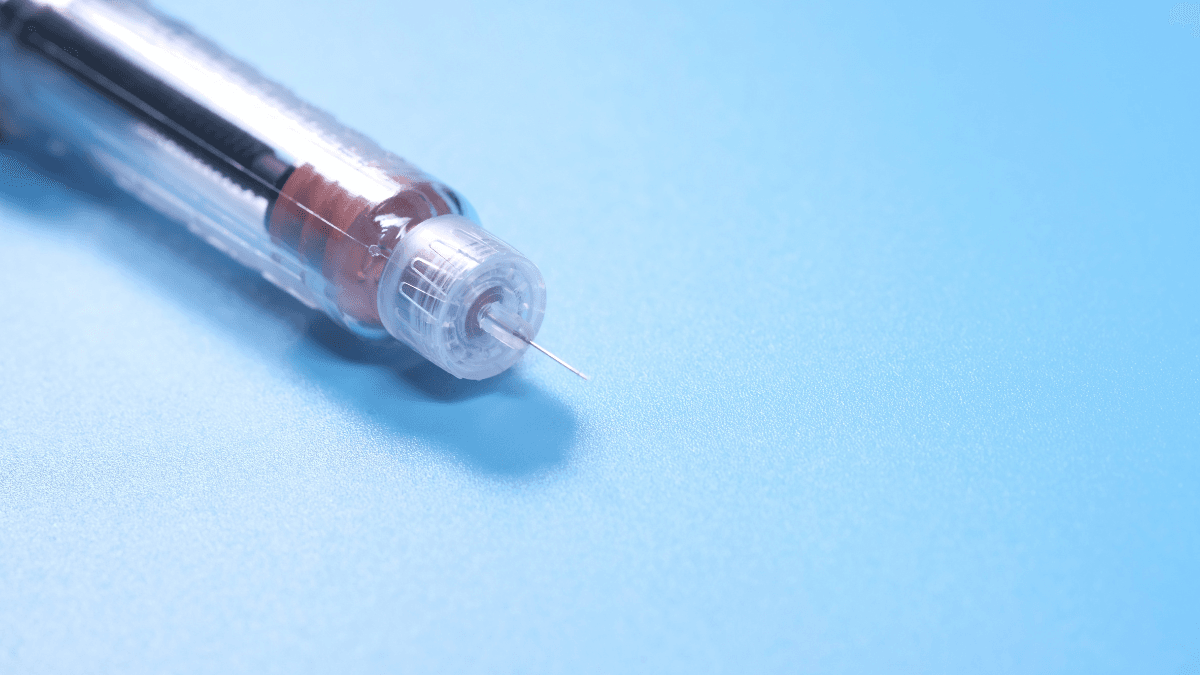
Current evidence does not show that Ozempic increases suicide or self-harm risk at a population level, but mood changes should still be taken seriously. Ozempic and mental health concerns often involve several factors at once, including rapid appetite change, nausea, sleep disruption, calorie restriction, diabetes distress, and prior depression or anxiety. The safest approach is not panic or dismissal. It is structured monitoring, early reporting, and coordinated care when symptoms appear.
Key Takeaways
- Suicide signal: Large reviews have not confirmed a causal link.
- Mood symptoms: Depression, anxiety, irritability, and brain fog need context.
- Risk factors: Prior mood disorders, poor sleep, and under-eating matter.
- Monitoring: Track changes during starts, dose changes, and major weight shifts.
- Urgent care: Self-harm thoughts, panic, mania, or severe depression need prompt help.
Many online stories describe dramatic emotional changes. Some may reflect real adverse experiences. Others may reflect overlapping medical, nutritional, or life changes. This article separates what the evidence can show from what still needs careful clinical judgment.
What the Evidence Says About Suicide Risk
Real-world studies and regulatory reviews have not established that GLP-1 receptor agonists cause suicidal thoughts or actions. That does not mean every report is false. It means available evidence has not confirmed a consistent causal pattern across large groups.
This distinction matters. Spontaneous reports can identify possible safety signals, but they cannot prove that a medicine caused the event. People using these medicines may also have diabetes, obesity, pain, stigma, sleep apnea, eating concerns, financial stress, or previous mental health diagnoses. Each can affect mood and suicide risk.
Regulators have reviewed reports of suicidal thoughts and self-harm with GLP-1 receptor agonists. The European Medicines Agency concluded that available evidence did not support a causal association between the class and suicidal or self-injurious thoughts and actions; see the EMA review of GLP-1 safety. Product labeling for obesity-dosed semaglutide still advises monitoring for suicidal thoughts or behavior as a precaution; the language appears in the Wegovy prescribing information.
For readers comparing this topic with broader safety questions, our practical safety overview covers warning signs and monitoring conversations in more detail: Ozempic Safety Guide.
Does Ozempic Cause Depression or Mood Changes?
There is no clear proof that Ozempic directly causes depression in most users, but some people report low mood, irritability, anxiety, or emotional flattening. These symptoms deserve review, especially when they begin soon after starting treatment or after a dose change.
The question “does Ozempic cause depression” is hard to answer with a simple yes or no. Depression can emerge during major health changes even when a medication is not the main cause. Appetite suppression may reduce comfort eating or change routines. Nausea may reduce food intake. Weight loss may alter body image, social attention, or relationships. Diabetes control can improve energy for some people, while strict eating patterns can worsen fatigue for others.
Clinicians usually look for timing and pattern. Did symptoms start after initiation, after escalation, or after another medication changed? Did sleep worsen first? Did food intake fall sharply? Did alcohol, cannabis, caffeine, or stimulant use change? These details help separate a possible drug effect from common confounders.
Some people search for “Ozempic depression” after reading personal stories. Case reports can be important, but they are not the same as population-level proof. A balanced view is best: do not assume every mood symptom is caused by the medicine, and do not ignore a symptom because large studies are reassuring.
For a deeper discussion of mood symptoms and possible contributors, see Ozempic Depression and Mood Changes.
Why Mood Symptoms Can Appear During Treatment
Mood symptoms during GLP-1 therapy often have more than one cause. The medicine may be part of the timeline, but the surrounding changes often matter just as much.
Nutrition, Hydration, and Sleep
Reduced appetite can lead to missed meals, low protein intake, dehydration, or long gaps between eating. These patterns can contribute to fatigue, poor concentration, headaches, and irritability. Nausea or reflux can also disturb sleep. Poor sleep then increases emotional reactivity and anxiety symptoms.
Some people describe “Ozempic brain fog” during early titration. Brain fog is a plain-language term for slowed thinking, poor focus, or mental fatigue. It is not one diagnosis. It can reflect under-fueling, dehydration, disrupted sleep, low blood glucose in people using certain diabetes medicines, or unrelated conditions.
If sleep problems are part of the pattern, our sleep-focused review may help you organize the discussion with your prescriber: Ozempic Insomnia Facts.
Reward Pathways and Appetite Changes
GLP-1 receptor agonists act in brain regions involved in satiety and reward. This does not mean they “change personality” in a predictable way. It means appetite, cravings, nausea, and reward-related habits can shift. For some people, reduced food drive feels helpful. For others, it feels emotionally unfamiliar.
Reports of Ozempic personality changes often describe reduced interest in food, less pleasure from eating, lower motivation, or feeling unlike oneself. Clinicians may ask whether pleasure is reduced only around food or across life. Loss of interest in work, relationships, hobbies, or self-care may suggest depression or anhedonia (reduced ability to feel pleasure), which needs closer assessment.
Why it matters: A change in appetite is not the same as a change in identity, but both can feel unsettling.
Who May Need Closer Mental Health Monitoring?
People with prior mental health conditions may need a more deliberate monitoring plan. This does not automatically rule out treatment. It means the care team should define what to watch, when to follow up, and who to contact if symptoms worsen.
Closer review may be appropriate for people with recurrent major depression, bipolar disorder, past self-harm, eating disorders, substance use disorder, panic disorder, or recent major stress. Medication changes also matter. Antidepressants, stimulants, antipsychotics, mood stabilizers, sleep medicines, and appetite-affecting drugs can all influence energy, sleep, and mood.
Questions about Ozempic bipolar disorder require special caution. Available evidence does not show a class-wide trigger for mania. Still, mania or mixed symptoms can emerge when sleep drops, substances change, or antidepressants are adjusted. Warning signs include unusually high energy, decreased need for sleep, racing thoughts, impulsive spending, risky behavior, or agitation that feels out of character.
Eating-disorder history also needs careful attention. Appetite suppression, weight focus, and nausea can interact with restrictive patterns or loss-of-control eating. Our related review explains screening and support considerations: Ozempic and Eating Disorders.
Readers who want related mental health topics can browse the Mental Health Articles collection. It is a category page for related editorial resources, not a substitute for care.
How to Monitor Mood Without Overreacting
A simple monitoring plan helps identify patterns before they become crises. It also prevents every difficult day from being blamed on one medicine.
Start with a baseline before beginning or changing treatment, if possible. Note sleep hours, mood, anxiety, appetite, concentration, alcohol intake, and current psychiatric medicines. Then repeat the same check weekly during early treatment and dose changes. Use the same wording each time so trends are easier to see.
- Mood: Low mood, tearfulness, guilt, or hopelessness.
- Anxiety: Restlessness, panic, intrusive thoughts, or avoidance.
- Sleep: Insomnia, early waking, or reduced need for sleep.
- Thinking: Brain fog, memory slips, or poor concentration.
- Eating: Skipped meals, nausea, restriction, or binge urges.
- Function: Work, relationships, hygiene, and social activity.
Bring the notes to follow-up visits. Your prescriber can consider whether symptoms fit the treatment timeline, another medication, low intake, glucose changes, or a mental health condition. Do not stop or adjust prescription treatment on your own without medical guidance.
Quick tip: Track symptoms in plain words, not just numbers, so changes are easier to interpret.
When Symptoms Need Prompt or Urgent Care
Some symptoms should be treated as urgent, regardless of whether Ozempic and mental health concerns seem connected. Seek immediate help if you have thoughts of self-harm, a plan to harm yourself, intense hopelessness, hallucinations, severe agitation, or behavior that feels unsafe.
New panic attacks, severe insomnia, rapid mood shifts, or signs of mania also deserve prompt clinical review. If you live with diabetes and use insulin or medicines that can cause low blood glucose, sudden anxiety, sweating, confusion, or shakiness may also need glucose assessment according to your care plan.
For non-urgent symptoms, contact your prescriber or mental health clinician soon, especially if symptoms persist beyond a few days, worsen after dose changes, or interfere with work, school, caregiving, or relationships. The goal is not to assign blame quickly. The goal is to keep you safe while the likely causes are reviewed.
How This Fits With Diabetes and Weight Management Care
Mental health and metabolic care often overlap. Diabetes distress, weight stigma, appetite changes, and medication routines can all affect day-to-day well-being.
Improved glucose control may support energy and concentration for some people. Weight loss may reduce physical limitations or sleep apnea symptoms for others. At the same time, rapid lifestyle changes can strain mood. Food may have been a coping tool. Social comments about weight can feel intrusive. Plateaus can trigger frustration.
That is why mood monitoring should sit beside routine metabolic monitoring. It should not be an afterthought. People using semaglutide for type 2 diabetes can also use condition-focused resources, such as the Type 2 Diabetes Articles collection, to understand related care topics.
For those reviewing formulation differences with a clinician, product pages can help identify the medication being discussed without replacing prescribing advice. Examples include Ozempic Semaglutide Pens, Wegovy, and Rybelsus Semaglutide Pills. Use these pages for orientation, not self-selection.
CanadianInsulin.com is a prescription referral platform, and prescription details may be confirmed with the prescriber where required. Dispensing is handled by licensed third-party pharmacies where permitted.
Authoritative Sources
Regulatory and label sources help anchor discussions about Ozempic and mental health. They do not replace individual medical review, but they provide a more reliable base than social media posts.
- EMA review of GLP-1 receptor agonists and suicidal thoughts
- Wegovy prescribing information, including mood-monitoring precaution
- Scientific Reports study on depression, anxiety, and suicidal behavior
Recap
Ozempic and mental health concerns deserve a measured response. Large reviews have not confirmed increased suicide risk, but individual mood symptoms can still be serious. Depression, anxiety, brain fog, personality concerns, and irritability should be assessed in context: timing, sleep, nutrition, glucose patterns, psychiatric history, and other medicines all matter.
If symptoms are mild, tracking patterns can make the next appointment more useful. If symptoms involve self-harm thoughts, mania, severe panic, or unsafe behavior, seek urgent help. Evidence can guide risk discussions, but safety always starts with the person in front of the clinician.
This content is for informational purposes only and is not a substitute for professional medical advice.