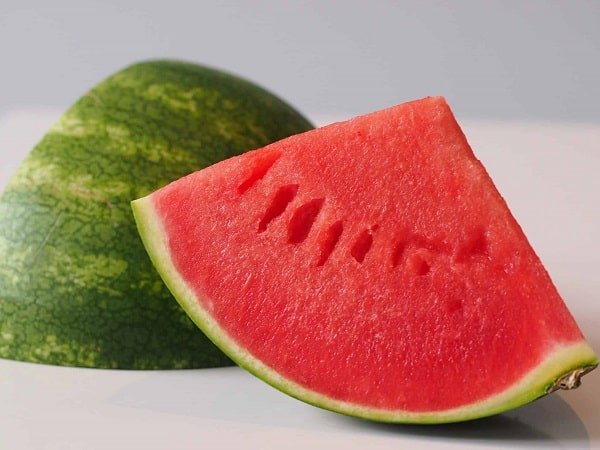
Many people try to balance watermelon and diabetes in everyday meals. This guide explains glycemic impact, smart portions, timing, and how to enjoy melon without unnecessary spikes. It also compares related fruits and offers practical monitoring steps you can use today.
Key Takeaways
- GI is high, but typical portions keep glycemic load modest.
- Pair with protein or fat to blunt post‑meal glucose rises.
- Whole fruit beats juice; fiber and chewing slow absorption.
- Start with one cup diced; test your response with a meter.
- Choose lower‑sugar fruits more often; keep melon as an occasional side.
Watermelon and Diabetes
Watermelon is refreshing, hydrating, and naturally sweet. It has a high glycemic index (GI), yet a small portion carries a modest glycemic load (GL). That means glucose can rise quickly in some people, but total impact may stay manageable when portions are controlled. Your individual response still matters, especially if you use insulin or secretagogues.
Nutritionally, a typical one‑cup diced serving is low in calories, rich in water, and provides vitamins A and C. The fiber content is modest, so pairing with protein or fat helps slow digestion. Context also matters. Eating melon after a balanced meal differs from eating it alone when you are hungry, or right after exercise when muscles uptake glucose more rapidly.
Glycemic Index and Load: What They Mean for Melons
People often ask is watermelon high in sugar, but GI and GL give clearer context. Watermelon’s GI is often reported in the high range, while GL stays lower when you keep portions small. GL accounts for how much carbohydrate you actually eat, which is why a one‑cup serving may have a gentler effect than the GI suggests. Individual variability remains significant, so check your own readings after similar portions.
For definitions and ranges, see Glycemic Index Basics, and for practical implications, consider Glycemic Index In Diabetes; both resources explain how GI and GL influence post‑meal glucose. For broader clinical context on the topic, the American Diabetes Association discusses the glycemic index and diabetes and why portion size still rules.
Portion Guidance and Timing
A practical starting point for many adults is about one cup diced (roughly 150 g). That portion usually contains around 11–12 g carbohydrate, which fits into many meal plans. If you wonder how much watermelon should a diabetic eat, begin with this serving, pair it with protein or fat, and check your meter two hours later. Adjust next time based on your personal response and overall carbohydrate goals.
Timing can also influence outcomes. Having melon with a mixed meal often blunts spikes compared with eating it on an empty stomach. Consider the rest of the plate: lean protein, healthy fats, and high‑fiber vegetables help smooth the curve. For meal structure ideas, you can review Best Diet For Insulin Resistance and add fruit within those balanced patterns. Morning meals can be tricky; see Breakfast Ideas For Diabetics for simple pairings that steady glucose.
Nighttime Snacking: Is It Different?
Eating watermelon at night is not automatically risky, but context matters. Late‑evening carbohydrates may raise overnight glucose if eaten alone, especially for people with higher insulin resistance. If you choose melon after dinner, keep portions small, pair with protein or fat, and test your glucose before bed and on waking. Continuous glucose monitoring can reveal whether a late snack causes nocturnal rises or early‑morning rebounds, guiding future timing and portion choices.
Sugar and Calories Per Serving
Many people want numbers they can use. If you ask how much sugar is in 1 cup of watermelon, the answer is usually about 9–10 grams of natural sugar, within roughly 11–12 grams of total carbohydrate. One cup provides around 46 calories, largely from carbohydrates and water. Exact values vary by ripeness and cut size.
For a very large portion, calories add up quickly. Half of a small whole watermelon can exceed several cups and may total 300–700 calories or more, depending on size and variety. For verified nutrient values, consult USDA nutrient data, which lists carbohydrate, sugar, and calorie estimates by weight and serving size.
Juice, Smoothies, and Whole Fruit
Whole fruit is usually the better choice. It requires chewing, moves more slowly through digestion, and encourages smaller portions. By contrast, large glasses of juice may deliver multiple servings in seconds, with minimal fiber and rapid absorption. If you wonder is watermelon juice good for diabetes, remember that liquid carbohydrates tend to raise glucose faster than whole fruit of the same amount.
If you make a smoothie, keep the portion small, include fiber (like chia or flax), and balance with yogurt, nut butter, or protein powder. Add non‑starchy vegetables such as cucumber or spinach to dilute carbohydrate per sip. When you want a refresher, try chilled cubes in sparkling water for flavor without significant sugar.
Comparing Melons and Other Fruits
Melon varieties differ. When discussing cantaloupe and diabetes, remember that portion size and pairing still dominate outcomes. Cantaloupe and honeydew have glycemic profiles similar to watermelon, though exact GI and GL values vary by ripeness. Start with a small serving, eat them with mixed meals, and test your own response with a meter or CGM.
If you enjoy different fruits, rotate options with more fiber and lower glycemic impact, such as berries or kiwi. Comparing choices by GI and GL helps, but total grams of carbohydrate per portion is still the most practical lever. For more structured comparisons and fruit rankings, see Best Fruits For Diabetics for smart picks and Worst Fruits For Diabetics for items to limit.
Fruits To Choose and Limit
People often look for low sugar fruits for diabetics they can eat more often. Berries, small apples, pears, and citrus sections are common staples because they offer fiber and moderate carbohydrate per serving. Tropical fruits like pineapple and mango can fit, but portions should be smaller and paired with protein or fat.
For structured shopping and planning, you can review Fruits For Diabetics To Avoid to learn which choices deserve caution and why. These lists help you compare portions, fiber, and likely glucose effects before you shop. Use them to rotate fruit through the week, prioritizing options that support steadier post‑meal readings.
Checks, Monitoring, and Practical Tips
Yes, can watermelon raise your blood sugar—especially if you eat large portions alone. The solution is simple: start small, pair wisely, and measure your own response. Check glucose before the meal and again about two hours after. Continuous glucose monitoring provides an even clearer curve across the next several hours.
For a systematic approach to meal planning, the National Institute of Diabetes and Digestive and Kidney Diseases explains carbohydrate counting, which can help you slot fruit into daily targets. If you need broader education on symptoms or general care, see Diabetes Symptoms and Treatment for background you can discuss with a clinician. Tip: Log what you ate with the glucose results; patterns appear quickly and guide future adjustments.
Note: If you have gestational diabetes, targets may differ. Review the fundamentals in Gestational Diabetes Diet and discuss specific goals with your healthcare professional. Personalized advice matters when pregnancy changes insulin sensitivity and timing needs.
For deeper context on GI and GL in everyday meals, the American Diabetes Association’s discussion of the glycemic index explains why portion size and mixed meals remain central. It aligns with the practical approach used throughout this guide.
Medical Disclaimer: This content is for informational purposes only and is not a substitute for professional medical advice.