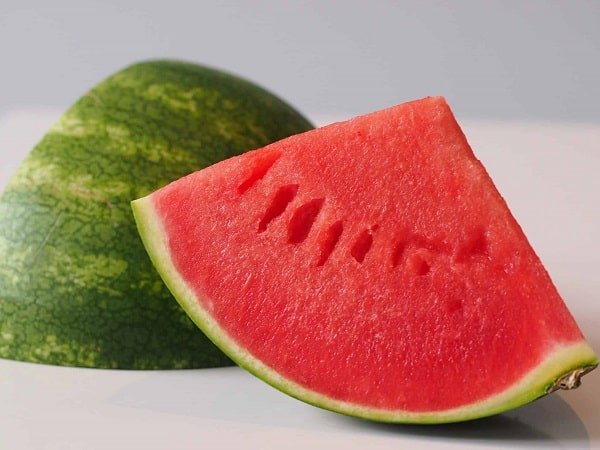
Yes—fresh watermelon can be part of a diabetes-conscious eating pattern, but portion size matters. Watermelon and diabetes can fit together best when you count the fruit’s carbohydrate, choose fresh fruit more often than juice, and compare your own glucose response. This matters because glycemic index tells only part of the story. A large bowl can affect blood sugar differently from a measured serving eaten with a balanced meal.
Watermelon is not a free food, and it is not a forbidden food. It contains water, natural sugars, small amounts of fiber, and useful nutrients. The practical question is how it fits with your meal plan, medicines, activity, and blood glucose targets.
Key Takeaways
- Fresh watermelon can fit: count its carbohydrate like other fruit.
- Glycemic index is incomplete: portion size changes the glycemic load.
- Juice is different: liquid fruit is easier to overconsume.
- Pairing may help: protein, fat, and fiber can change the glucose curve.
- Personal response matters: use meter or CGM patterns as directed.
Watermelon and Diabetes: The Glycemic Facts
Glycemic index and glycemic load answer different questions. Glycemic index (GI) estimates how quickly a carbohydrate food raises blood glucose after testing. Glycemic load (GL) adjusts that idea for the amount of available carbohydrate in a usual serving. Available carbohydrate means the carbohydrate likely to be digested and absorbed.
Watermelon is often described as a higher-GI fruit in older nutrition tables. Other tested values can vary by variety, ripeness, and testing method. That variation is important. A GI number is based on a fixed amount of carbohydrate, not on a typical bowl of fruit. Watermelon is mostly water, so a measured serving contains less carbohydrate than many people expect by volume.
A common nutrition reference is 1 cup of diced raw watermelon. It provides roughly 11 grams of total carbohydrate, mostly from natural sugars. That does not make it sugar-free. It does mean the amount you serve matters more than the fruit’s reputation.
| Measure | What It Tells You | Why It Matters |
|---|---|---|
| Glycemic index | How fast a carbohydrate food may raise glucose. | It can make watermelon look riskier than a normal serving may be. |
| Glycemic load | GI adjusted for the carbohydrate in a serving. | It helps compare a small slice with a large bowl. |
| Total carbohydrate | The grams of carbohydrate in your portion. | This is often the number used for meal planning. |
| Food form | Fresh fruit, juice, smoothie, or sweetened product. | Liquid or sweetened forms can raise intake quickly. |
You can use a glycemic load estimate to compare different portions. The calculator below uses GI and available carbohydrate to estimate glycemic load. It is a general math aid, not a personalized glucose target.
Glycaemic Load Calculator
Calculate glycaemic load from glycaemic index and available carbohydrate in a serving.
These calculations are for education only and do not replace clinical advice, diagnosis, or treatment. Always confirm medical decisions with a qualified healthcare professional.
Why it matters: A modest serving and a large serving can have very different glucose effects.
How Much Watermelon Makes Sense?
There is no universal amount of watermelon that fits every diabetes plan. The better question is how many grams of carbohydrate fit the meal or snack you already planned. For many people, a measured cup of diced watermelon is easier to account for than a wedge cut by eye.
Portion size becomes more important when watermelon is eaten alone. A bowl eaten quickly on an empty stomach may affect glucose differently from a smaller portion eaten after a meal with protein, fat, and fiber. The total meal pattern matters because digestion speed and carbohydrate amount both shape the blood sugar curve.
If you count carbohydrates, use the nutrition label when available or a reliable food database for fresh produce. If you do not count carbohydrates, measuring once can still help. It teaches you what a cup looks like in your own bowls.
Quick tip: Measure your usual bowl once, then compare it with a standard cup.
Hand rules, such as judging a portion by fingers or palm size, can be useful reminders. They are still rough estimates. A registered dietitian can help translate portions into a plan that matches your medicines, activity level, culture, appetite, and glucose goals.
Blood Sugar Response Depends on the Whole Meal
Your blood sugar response depends on more than the fruit. Watermelon eaten with a meal may behave differently from watermelon eaten as a large snack. Protein, fat, and higher-fiber foods can slow stomach emptying and digestion for some people, although they do not erase carbohydrate.
Ripeness can also matter. Very ripe fruit may taste sweeter and feel easier to eat in larger amounts. Heat, thirst, and summer meals can add another factor because watermelon is refreshing and easy to keep eating. The issue is often not one slice. It is the second or third serving that happens without noticing.
Activity, sleep, stress, insulin sensitivity, and medication timing can change the same food’s effect from one day to another. If you are learning your patterns, check glucose in the way your care team recommends. Continuous glucose monitor data can be useful, but single readings should be interpreted in context.
If you notice repeated high readings after fruit, do not assume all fruit is the problem. Review the portion, the meal, and the timing. You can also read more about Improving Insulin Sensitivity and how daily habits may affect glucose patterns. For symptoms and context around elevated readings, see Sugar High.
Fresh Watermelon, Juice, and Sweetened Products Are Not the Same
Fresh watermelon is usually the easiest form to portion. It requires chewing, contains water, and offers some fiber. Watermelon juice removes much of that eating pace. It can also concentrate intake because several cups of fruit may become one drink.
Juice, agua fresca, frozen drinks, and blended fruit beverages may also include added sugar. That changes the carbohydrate count. If you choose a drink, check the ingredient list and serving size. Words such as nectar, cocktail, sweetened, or syrup often signal added sugars.
Smoothies sit somewhere in the middle. They may include whole fruit, but blending makes it easier to drink a larger amount quickly. A smoothie with watermelon, banana, juice, and honey can contain far more carbohydrate than a small bowl of melon. Adding yogurt, nut butter, or seeds may change texture and fullness, but it does not remove carbohydrate already in the drink.
Watermelon seeds do not make watermelon a blood sugar treatment. Seeds contain fat and protein, but they are usually eaten in small amounts. No fruit seed should be treated as a substitute for prescribed diabetes care.
Fruit Swaps That Keep Carbs Visible
Fruit swaps work best when they compare portions, not just fruit names. Berries, apples, pears, citrus, peaches, plums, and kiwi can all fit different meal plans. Some are lower on glycemic index lists than watermelon. Others simply make portion control easier because one piece has a more predictable size.
Instead of asking for the single best fruit, ask what you need the fruit to do. A small serving of berries may work well with yogurt. Apple slices may pair well with peanut butter. Citrus may fit breakfast better than a large glass of juice. Watermelon may be a good choice when hydration and satisfaction matter, as long as the serving is counted.
- For portion comparisons, see Best Fruits For Diabetics.
- For label and meal-planning context, read What Fruits Are Good For Diabetics.
- For GI-focused choices, review Low GI Fruits.
Fruit swaps can also help when you want a larger volume. For example, a small portion of watermelon mixed with berries may feel more filling than watermelon alone. Another option is to serve fruit after a meal rather than as a standalone snack. These are practical experiments, not rules that work for everyone.
Avoid ranking fruits as universally safe or unsafe. Diabetes care is individualized. Kidney disease, gastroparesis, pregnancy, eating disorder history, and medications that can cause hypoglycemia may all change the right approach.
When Medication, Pregnancy, or Weight Goals Change the Plan
Food choices should be reviewed more carefully when your health situation changes. If you are pregnant or managing gestational diabetes, carbohydrate targets are usually more structured. Fruit can still fit, but timing and portions may need closer review. For pregnancy-specific context, see Gestational Diabetes Diet.
Some diabetes medicines increase the risk of low blood sugar, especially when meals are delayed or carbohydrate intake changes. Others may affect appetite, nausea, fullness, or meal size. If you use an appetite-changing medicine, including a glucagon-like peptide-1 (GLP-1) pathway medication, choose fruit portions that you can tolerate and discuss persistent symptoms with your care team. For broader eating considerations, read Diet And Weight Loss With GLP-1 Medications.
Seek medical guidance if fruit choices seem to trigger repeated highs or lows, if you are changing medications, or if you are unsure how to count carbohydrates. Get urgent help for severe low blood sugar symptoms, confusion, fainting, signs of dehydration, vomiting that prevents fluids, or very high readings with ketones when you have been told to check them.
No fruit is a miracle treatment for type 2 diabetes. Watermelon can be enjoyable and refreshing, but it cannot replace medication, glucose monitoring, nutrition therapy, sleep, movement, or follow-up care.
Putting the Advice Into Practice
The simplest approach is to start with the fresh fruit, measure the portion, and notice the pattern. If your usual serving causes repeated glucose concerns, reduce the portion, pair it with a balanced meal, or swap part of it for a lower-carbohydrate fruit. If readings remain difficult to interpret, bring food notes and glucose data to a clinician or registered dietitian.
For more education on food, medications, and glucose management, the Diabetes Education hub collects related resources. Use those resources for background, then rely on your care team for personal targets.
Authoritative Sources
- American Diabetes Association carbohydrate guidance explains how carbohydrate choices affect meal planning.
- USDA FoodData Central provides nutrient data for watermelon and other foods.
- University of Sydney Glycemic Index offers glycemic index database information and testing context.
Watermelon and diabetes can fit together when the serving is intentional. Focus on the portion, the full meal, and your own glucose pattern rather than judging the fruit by one number.
This content is for informational purposes only and is not a substitute for professional medical advice.