
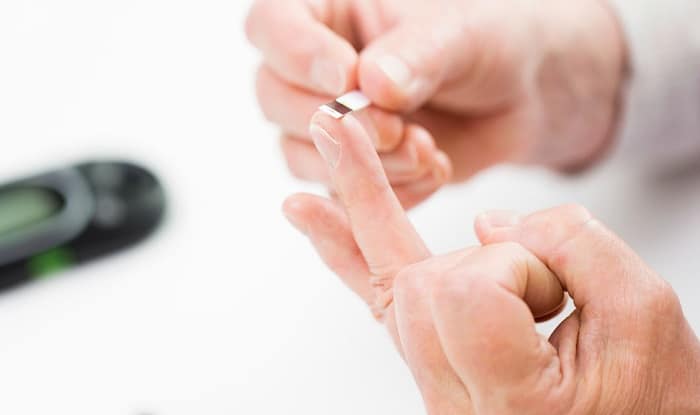
Rapid drops in blood glucose can escalate into hypoglycemic shock. This severe low-sugar state can impair thinking, trigger seizures, or cause loss of consciousness. Acting fast matters. This guide explains warning signs, first aid, emergency care, and prevention strategies for patients and caregivers.
Key Takeaways
- Recognize early neuroglycopenic signs and act before confusion develops.
- Use fast carbohydrates first, then recheck and repeat as needed.
- Know when to call emergency services and when to use glucagon.
- Identify personal triggers and adjust food, activity, and medications.
What Is Hypoglycemic Shock?
Clinically, severe hypoglycemia happens when blood glucose falls low enough to cause cognitive impairment or unconsciousness. You may also see the terms insulin shock or diabetic shock used colloquially. The core problem is insufficient glucose delivery to the brain, known as neuroglycopenia (low brain glucose), which can rapidly endanger breathing, circulation, and consciousness.
People on insulin or insulin-releasing drugs face the highest risk, but episodes can occur in others. The spectrum ranges from mild adrenergic symptoms (shaking, sweating, palpitations) to severe neurological symptoms. If someone becomes drowsy, disoriented, or unresponsive, treat it as an emergency. For overlapping terminology and symptom patterns, see Insulin Shock Signs for context on how these episodes are described in practice.
Signs and Symptoms
Early warning signs often include shakiness, hunger, sweating, anxiety, tingling, or a fast heartbeat. As glucose drops further, the brain may be affected. Watch for headache, blurred vision, slowed thinking, irritability, slurred speech, clumsiness, or bizarre behavior. Seizures or loss of consciousness indicate a medical emergency.
Clinicians sometimes describe hypoglycemia levels when categorizing severity. Many organizations flag glucose below 70 mg/dL (3.9 mmol/L) as needing action, and below 54 mg/dL (3.0 mmol/L) as clinically significant. According to NIDDK overview, severe episodes can impair judgment and coordination, increasing accident risk. For insulin dosing pitfalls linked to lows, see Novolog Dosage Overdose to understand how rapid-acting dosing errors may present.
Common Triggers and Risk Factors
Medication timing and dose mismatches are leading hypoglycemia causes. Taking rapid-acting insulin and then delaying or skipping a meal is a classic pathway. Unplanned vigorous exercise, alcohol on an empty stomach, or vomiting can also lower glucose unexpectedly. Kidney or liver disease may prolong drug effects and raise risk.
Rapid-acting insulins work quickly and require coordinated meal timing. If you use ultra-rapid formulations, plan carbohydrate intake carefully. For example, see Fiasp Insulin Cartridges for context on onset profiles when planning meals. If you experience episodes while fasting, review patterns and potential endocrine issues; see Fasting Hypoglycemia Causes and Treatment for mechanisms and monitoring approaches.
Immediate First Aid and Home Management
Know exactly what to do when blood sugar is low. If the person is awake and can swallow, give a fast-acting carbohydrate such as glucose gel, regular soda, or juice. Many guidelines suggest the 15-15 approach: about 15 grams of carbohydrate, then recheck in 15 minutes, and repeat if still low. Avoid high-fat foods initially because they slow absorption. If symptoms do not improve or readings remain low, escalate care.
If swallowing is unsafe or the person is unconscious, do not give food or drink by mouth. Use glucagon if available, and call emergency services. For device training and stepwise preparation, see Use Glucagon Injection Kit to understand kit components and injection steps. For lay guidance aligned to clinical best practices, the ADA hypoglycemia guidance summarizes home response basics.
Emergency Treatment and Hospital Care
When severe symptoms persist or the patient cannot swallow, emergency teams may give hypoglycemia treatment emergency iv dextrose to rapidly restore levels. If IV access is delayed, intramuscular or nasal glucagon can be used while access is established. Clinicians then look for underlying causes, such as dosing errors, infections, adrenal issues, or medication interactions.
After stabilization, staff typically monitor glucose closely, provide a longer-acting carbohydrate source, and adjust medications. They may evaluate renal and hepatic function, review injection technique, and update sick-day plans. For background on how insulin profiles influence risk and correction strategies, see Insulin Types Guide to compare onset and duration. For medication specifics, MedlinePlus glucagon information outlines indications and precautions in plain language.
Special Situations: Nighttime, Exercise, and Pregnancy
Nocturnal episodes can be silent. Some people wake with morning headaches, nightmares, or soaked sheets from sweating. A continuous glucose monitor (CGM) with alerts can reduce risk. People often worry, can you die from low blood sugar in your sleep; severe nocturnal lows can be dangerous, so use alarms, bedtime snacks when indicated, and cautious dose adjustments as advised by your clinician.
Exercise lowers glucose for hours, especially after afternoon or evening sessions. Plan extra monitoring, adjust carbohydrate intake, and discuss dose changes with your care team. During illness, dehydration and reduced intake can shift insulin needs quickly. Keep a written sick-day plan and share it with family or roommates. For pregnancy-specific risks and planning, see Gestational Diabetes Complications to understand maternal and fetal considerations.
Pregnancy Considerations
Pregnancy changes insulin sensitivity throughout trimesters, which can increase low-sugar risk. Nausea may limit intake, and fetal demands can fluctuate, especially overnight. Work with your obstetric and diabetes teams to set targets, choose meal plans, and refine dosing strategies. Carry fast carbohydrates at all times and consider CGM with alarms. Partners should know how to use glucagon. Postpartum, insulin needs can drop sharply, especially with breastfeeding. Reassess targets frequently and plan frequent checks until patterns stabilize.
Prevention and Long-Term Strategies
Preparation reduces risk. Always carry fast carbohydrates, such as glucose tablets for hypoglycemia or small juice boxes. Log episodes to identify patterns. Adjust meal timing, pre-exercise snacks, and overnight checks based on those patterns. Review alcohol use and avoid drinking on an empty stomach. If you use insulin, align dose timing with the insulin’s action curve.
Education helps you match insulin to food and activity. For mixing options and timing nuances, see Premixed Insulin Guide for pros, cons, and use cases. Technique also matters; see Ways of Administering Insulin to review pens, syringes, and injection sites. Consider medical ID jewelry, teach coworkers and family how to respond, and keep glucagon where others can find it quickly.
When to Seek Help and Aftercare
Know what level of low blood sugar is dangerous. Many experts treat readings under 54 mg/dL as urgent, particularly with neuroglycopenic symptoms. Call emergency services if the person is confused, seizing, unconscious, or not improving after repeat carbohydrates. After recovery, eat a longer-acting carbohydrate plus protein to prevent recurrence.
Follow up with your clinician after any severe episode. Review recent insulin doses, meal timing, alcohol intake, and recent illnesses. Ask whether medication adjustments, CGM alerts, or bedtime snacks would improve safety. For threshold definitions and clinical categories, the ADA Standards of Care detail levels and recommended actions.
How It Differs From High-Sugar Emergencies
Low-sugar emergencies result from too much insulin effect relative to food, while high-sugar crises such as diabetic ketoacidosis and hyperosmolar states arise from profound insulin deficiency. Their treatments differ markedly. Hypoglycemia requires rapid carbohydrate or parenteral glucose, whereas high-sugar crises need fluids, insulin, and electrolyte management under close supervision. Recognizing which pattern you are seeing speeds correct action.
Symptoms also diverge. High-sugar states may present with thirst, frequent urination, abdominal pain, nausea, or deep breathing. Ketone testing helps differentiate causes when readings are high. If you use long-acting insulin, understanding duration helps prevent rebound highs after rescue treatment. For an overview of action profiles that influence safety planning, see Insulin Types Guide to compare short- and long-acting options.
Note: Store fast carbohydrates and glucagon in the same visible location at home. Tell others where they are, and replace supplies before they expire.
This content is for informational purposes only and is not a substitute for professional medical advice.


