
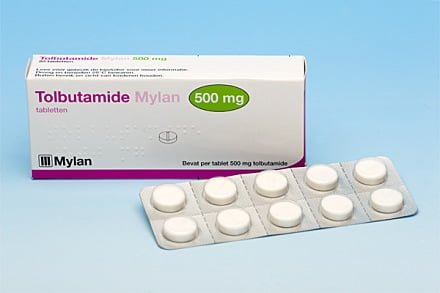
First-generation sulfonylureas remain part of diabetes history and practice. Tolbutamide is one of the earliest agents in this class, used to help lower blood glucose in adults with type 2 diabetes. While newer drugs often take priority today, some individuals still encounter this agent in specific clinical contexts. Understanding its profile helps patients and clinicians weigh benefits and risks confidently.
This updated overview explains how the drug works, who it may suit, practical dosing considerations, safety concerns, and where it fits among modern options. It also contrasts older and newer therapies, so readers can discuss choices with their healthcare team. When used thoughtfully, legacy agents can still offer value for select patients.
Key Takeaways
- Older agent context: First-generation sulfonylurea with established glucose-lowering effects.
- Major risk signal: Hypoglycemia remains the most important safety concern.
- Dose carefully: Start low, titrate cautiously, and monitor blood glucose closely.
- Not first-line: Usually considered after metformin or when newer options are unsuitable.
What Is tolbutamide?
This medicine belongs to the first generation of sulfonylurea drugs, a class that stimulates pancreatic beta cells to release insulin. It was marketed for decades and historically recognized by the brand Orinase. Many clinicians now favor modern therapies with lower hypoglycemia risk and broader cardio-renal benefits. Even so, this older agent may still be considered in carefully selected adults.
Its role today is generally limited to scenarios where patients cannot tolerate or obtain newer options. Some individuals respond consistently to this class and may prefer a familiar therapy. Because evidence and safety perspectives have evolved, most patients should review current standards before starting or continuing legacy medications. Shared decision-making supports safer, more personalized care.
Mechanism of Action and Pharmacology
The tolbutamide mechanism of action involves closing ATP-sensitive potassium channels in pancreatic beta cells. This action depolarizes the membrane, opens voltage-gated calcium channels, and promotes insulin secretion. The clinical result is reduced fasting and post-meal glucose, provided some beta-cell function remains. As insulin release increases independent of meals, hypoglycemia can occur, especially with missed meals or excess dosing.
After oral dosing, the drug is absorbed and metabolized primarily by the liver, producing metabolites that are excreted renally. Variable half-life, food timing, hepatic function, and drug interactions influence exposure. Clinicians typically emphasize consistent meal patterns and glucose monitoring. For patient-experience considerations with this class, see What To Expect With Sulfonylureas. For detailed labeling context, the DailyMed monograph summarizes safety and pharmacology information.
Indications and Patient Selection
A tolbutamide indication is adult type 2 diabetes, when diet and exercise alone are insufficient. It may be considered when metformin is not tolerated or contraindicated, or when cost, access, or preferences limit newer therapies. It is not indicated for type 1 diabetes or diabetic ketoacidosis, where insulin is required. Providers typically weigh hypoglycemia risk, treatment goals, and comorbidities before initiation.
Modern guidelines usually prioritize agents with lower hypoglycemia risk and proven cardiovascular or renal benefits. Still, this drug can be reasonable for selected individuals who accept the risk profile and need additional glucose lowering. For an overview of where sulfonylureas fit among options, see How Diabetes Medications Work. For current professional recommendations, refer to the ADA Standards of Care.
Dosage and Administration
Typical tolbutamide dosage information in older product labeling described low initial doses with gradual titration based on fasting glucose, A1C, and symptoms. Many adults responded to divided daily dosing with a morning emphasis, adjusted to meals and monitoring. Labeling also described a ceiling dose beyond which additional benefit was unlikely and adverse effects increased. Dosing must consider age, nutrition, hepatic function, and concomitant medications.
In practice, clinicians often re-evaluate therapy early, especially if hypoglycemia or poor response emerges. They may switch to safer or more effective agents when appropriate. Metformin-based approaches are common; for example, extended-release formulations like Glumetza Extended‑Release may support tolerability in some patients. Combination options such as Invokamet Tablets can also be considered when dual mechanisms are desired.
Safety and Side Effects
Common tolbutamide side effects include hypoglycemia, weight gain, nausea, and headache. Dermatologic rashes, pruritus, photosensitivity, or flushing can occur. Less commonly, hyponatremia (SIADH), cholestatic jaundice, or hematologic effects are reported. The risk of severe hypoglycemia increases with missed meals, heavy exertion, alcohol use, or interacting drugs that elevate sulfonylurea exposure.
Older adults, undernourished patients, and those with hepatic or renal impairment face higher risk. Medication interactions with warfarin, salicylates, sulfonamide antibiotics, azole antifungals, and gemfibrozil may potentiate hypoglycemia. Counsel patients to carry rapid carbohydrates and report severe or recurrent events. For background and safety details, consult the DailyMed monograph. For broader condition education and self-management skills, see the Type 2 Diabetes category.
Contraindications and Precautions
Formal tolbutamide contraindications include hypersensitivity to the drug or other sulfonylureas, and use in diabetic ketoacidosis. It is also inappropriate for type 1 diabetes. Significant hepatic or renal impairment can heighten hypoglycemia risk, warranting cautious evaluation. G6PD deficiency may predispose to hemolytic anemia with sulfonylureas. Use during pregnancy or lactation requires individualized risk–benefit discussion and consideration of insulin-based regimens.
Historical research suggested a possible increase in cardiovascular mortality with first-generation sulfonylureas; this signal informed warnings in legacy labeling. Although data are older and interpretation has evolved, clinicians typically consider the overall risk profile when selecting therapy. Review authoritative labeling for context, including the DailyMed monograph. For practical self-care and care-planning ideas, see Diabetes Education Tools.
Classification and Structure
As a tolbutamide class of drug reference, this medicine is a first-generation sulfonylurea. These older agents share a sulfonylurea core but vary by side chains, which influence potency and pharmacokinetics. The structure of tolbutamide differs from later agents such as glipizide, which tends to have a shorter half-life and lower hypoglycemia risk at comparable efficacy levels.
Structure–activity relationships within the class inform dosing nuances and interaction profiles. While modern practice often favors shorter-acting or lower-risk agents, knowing these chemical distinctions helps explain clinical differences. For mechanism comparisons across drug families, see How Diabetes Medications Work, which outlines how secretagogues differ from insulin sensitizers and incretin-based therapies.
Brands and Market Status
The tolbutamide brand name historically included Orinase. Availability has fluctuated across regions and time, and generic tablets have been more common than branded versions in recent decades. Because market status can change, patients should verify local availability and consider more contemporary alternatives when appropriate. Pharmacists can assist with substitution questions and therapeutic equivalence.
In practice, many patients transition to agents with stronger outcomes data or lower hypoglycemia risk. Incretin-based therapies are one example; for context on this growing class, see GLP-1 Weight‑Loss Drugs. If travel or storage logistics become relevant with injectables, these tips in Travel With Ozempic can help maintain dosing consistency.
Comparisons and Alternatives
When evaluating older sulfonylureas against newer choices, clinicians commonly weigh hypoglycemia risk, weight effects, comorbidity benefits, and cost or access. SGLT2 inhibitors and GLP-1 receptor agonists may provide cardiovascular or renal benefits beyond glucose control. DPP-4 inhibitors and thiazolidinediones offer alternatives when hypoglycemia is a central concern, though each class has trade-offs that require individualized consideration.
Combination therapies can help reach A1C goals with complementary mechanisms and potentially lower individual drug doses. Care teams often revisit therapy after lab reviews, life changes, or new comorbidities. For practical expectations specific to sulfonylureas, see What To Expect With Sulfonylureas and explore broader options in How Diabetes Medications Work, which maps drug classes to their mechanisms.
Recap
This legacy sulfonylurea can reduce blood glucose by stimulating insulin release, but it carries a meaningful hypoglycemia risk. Patient selection, cautious dosing, and steady meal patterns remain central to safe use. Labels from authoritative sources, along with modern guidelines, provide important context on risk signals and monitoring priorities.
Most adults today start with metformin or consider newer drug classes aligned with cardiovascular or renal goals. Even so, some individuals may still benefit from this older option when evidence, access, or preferences point that way. Discussing individualized risks and alternatives helps people balance glycemic control with safety and quality of life.
Note: Always align therapy with current professional guidance and individualized risk–benefit assessment.
This content is for informational purposes only and is not a substitute for professional medical advice.


