
Please note: a valid prescription is required for all prescription medication.
Promotion
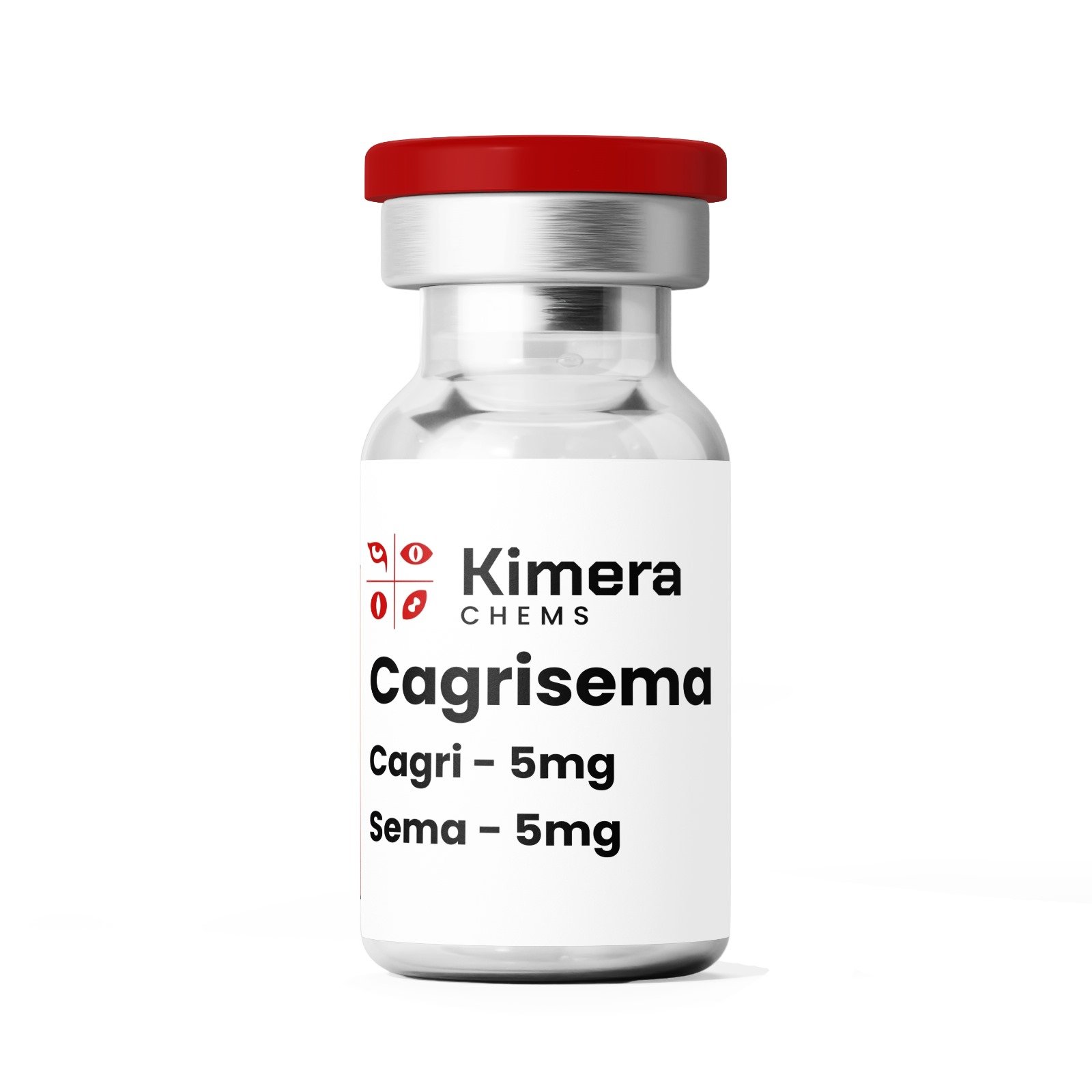
Cagrisema
Cagrisema® Injection for Adults with Obesity
Sitewide Super Sale - Get 15% off when you buy 3 or more of the same product using the code LESS15 at checkout.
Applies to all products originating from Canada. Maximum quantity limited to a 90-day supply per order.
Price:
You save


Cagrisema is an investigational once-weekly medicine studied for chronic weight management and glycemic control in type 2 diabetes. This overview explains how it works, safety basics, access considerations, and what to discuss with your prescriber, with US shipping from Canada and options for those without insurance.
What Cagrisema Is and How It Works
CanadianInsulin.com is a prescription referral platform. We verify prescriptions with your prescriber when required, and licensed Canadian pharmacies dispense your order.
Cagrisema® is a fixed-dose, subcutaneous co-formulation that combines cagrilintide and semaglutide. Cagrilintide is an amylin analogue that can reduce appetite and slow gastric emptying. Semaglutide is a GLP-1 receptor agonist that supports glucose regulation and satiety. Together, this treatment is being evaluated as a once-weekly injection.
The program remains under active evaluation, including at least one pivotal cagrisema trial in obesity and additional studies in type 2 diabetes. Novo Nordisk has reported phase 2 and phase 3 data, but dosing, device specifications, and final labeling are not established. Any use must follow a clinician’s guidance and the eventual approved label.
This medicine aligns with incretin-based strategies used across the GLP-1 class. For background on the class, see our category for GLP-1 Agonists. Within the same mechanism family, you may also review semaglutide references such as Ozempic Pens for context on weekly injections.
Who It’s For
Candidates under study include adults with obesity, and adults with overweight plus weight-related comorbidities. Programs also include people with type 2 diabetes. Labeling is not final, so eligibility will depend on approved indications and clinical judgment.
In research, the combination seeks to support cagrisema weight loss while assisting glucose control in those with diabetes. People with a history of pancreatitis, severe gastrointestinal disease, or medullary thyroid carcinoma risk should be assessed carefully before use of GLP-1–based therapies. Discuss pregnancy and breastfeeding plans with your clinician, as safety in these settings may be limited or not established.
To learn more about relevant conditions, see Obesity and Type 2 Diabetes.
Dosage and Usage
In clinical development, the product is administered as a once-weekly subcutaneous injection into the abdomen, thigh, or upper arm. Dosing uses a gradual titration approach in many incretin-based programs to improve gastrointestinal tolerability. Final titration steps, maximum dose, and device operation will be defined by the approved label.
Your prescriber will determine a starting plan and follow-up intervals. Rotate injection sites each week, and inject on the same day of the week when possible. If guidance differs between the pen and your clinician’s instructions, follow the clinical advice consistent with the official label. For specific questions about cagrisema dosage, consult your healthcare provider and the product’s instructions for use once available.
Because gastric emptying may slow, some oral medicines could be absorbed differently. If you take time-sensitive oral drugs, take them as advised by your clinician to avoid reduced exposure around the time of the injection.
Strengths and Forms
The treatment is expected as a prefilled, multi-dose pen or similar device intended for once-weekly use. Strengths and deliverable dose steps are still under evaluation across phase 2 and phase 3 programs. Availability and pen volume may vary by market once a final product is authorized. Device instructions will define priming, dose selection, and needle handling steps.
If a cagrisema pen becomes available, check the lot-specific instructions for use packaged with the device. Do not reuse needles. Use only the needles compatible with the pen platform recommended by the manufacturer.
Missed Dose and Timing
Weekly incretin therapies generally allow a missed dose to be taken when remembered, provided there is adequate time before the next scheduled dose. If it is close to the next dose window, skip the missed dose and resume the regular schedule. Do not take two doses within a short period to compensate for a missed injection.
Follow the official patient information for exact timing rules once the label is available. If unsure, contact your prescriber or pharmacist before taking an extra dose.
Storage and Travel Basics
Before first use, many peptide injections are stored in a refrigerator and protected from light. Do not freeze. After first use, pens may allow limited time at room temperature; refer to the specific label for permitted durations and temperatures. Keep the cap on the device when not in use, and keep out of reach of children and pets.
When traveling, carry the pen in hand luggage with a protective case. Use cooler packs to maintain temperature as directed, and do not place the device directly on ice. Bring your prescription, a copy of the label, and extra needles. If flying, allow additional time for security screening and carry documentation for medical supplies.
Pharmacy handling uses temperature-controlled handling when required to maintain product integrity. Always check the package upon receipt. If pens were exposed to extreme temperatures, consult the dispensing pharmacy for guidance before use.
Pen Handling and Sharps Disposal
Read the instructions for use before your first injection. Inspect the solution each time; do not use it if cloudy, discolored, or contains particles. Attach a new sterile needle for every injection. Prime the pen only if the instructions for use require it. Select the dose as directed and inject into clean skin at a right angle. Count a few seconds before withdrawing the needle to ensure a full dose.
Place used needles in an FDA-cleared sharps container or a puncture-resistant household container if a dedicated sharps container is not available. Do not throw loose needles in household trash or recycling. Follow local rules for sharps disposal.
Benefits
This therapy combines mechanisms that may reduce appetite and support glucose regulation. A once-weekly schedule can be convenient compared to daily injections. Titration strategies used in this class may help improve gastrointestinal tolerability over time.
For lifestyle support alongside pharmacotherapy, see our article on GLP-1 Weight Loss. Category resources for ongoing care are available in Weight Management.
Side Effects and Safety
- Gastrointestinal: nausea, vomiting, diarrhea, constipation, abdominal pain, dyspepsia
- Appetite-related: decreased appetite, early fullness
- Systemic: fatigue, headache, dizziness
- Injection site: redness, itching, mild swelling
Serious or rare risks may include pancreatitis, gallbladder disease, acute kidney injury from dehydration, and allergic reactions. GLP-1 receptor agonists carry a boxed warning for risk of thyroid C-cell tumors in rodents; relevance to humans is uncertain. People using insulin or sulfonylureas may face a higher risk of hypoglycemia; your clinician may adjust concomitant therapy to reduce low blood sugar risk.
Seek medical help for severe abdominal pain, persistent vomiting, symptoms of dehydration, difficulty breathing, swelling of the face or throat, or signs of hypoglycemia such as confusion or loss of consciousness.
Drug Interactions and Cautions
Slower gastric emptying can affect absorption of certain oral drugs. Caution is advised with time-critical agents such as some antibiotics, contraceptives, or thyroid medications; follow clinician guidance on spacing and timing. Monitor when combining with insulin or insulin secretagogues due to hypoglycemia risk.
Discuss history of pancreatitis, gallbladder disease, diabetic retinopathy, or kidney impairment. People with a personal or family history of medullary thyroid carcinoma or MEN 2 are typically cautioned against GLP-1–based therapy. Safety in pregnancy or while breastfeeding is not established; plan contraception and pregnancy timing with your clinician.
What to Expect Over Time
Many patients starting incretin-based therapy experience transient gastrointestinal symptoms that often improve during titration. Appetite and portion-size changes may develop gradually with adherence, diet quality, and activity goals. Glucose parameters may evolve with consistent use and monitoring when diabetes is present.
Set realistic expectations and follow scheduled follow-ups. Bring glucose logs if you have diabetes. If side effects limit use, your prescriber may adjust the titration plan consistent with the final label.
Compare With Alternatives
For chronic weight management, single-agent options are available. Wegovy delivers semaglutide in a once-weekly format for adults with obesity or overweight plus comorbidities. Another option is Zepbound, a GIP/GLP-1 receptor agonist studied for similar populations. Your prescriber can compare mechanisms, dosing steps, and suitability.
Pricing and Access
Canadian pharmacy channels may offer meaningful savings compared with typical US cash prices. Check the cagrisema price when available, compare package sizes, and consider prescriber-authorized multi-month fills to reduce per-fill fees. You can also order Cagrisema when your prescription is verified and the product is in stock.
For occasional offers, see our Promotions page. We use encrypted checkout and pharmacy partners that verify prescriptions as required. US delivery leverages Canadian pricing; availability can change without notice.
Availability and Substitutions
As an investigational therapy, market availability is subject to regulatory approval and supply. If not available, your prescriber may recommend an alternative within the GLP-1 or GIP/GLP-1 class that matches your goals and medical history. We cannot provide restock dates.
Patient Suitability and Cost-Saving Tips
Potential candidates include adults with obesity and adults with type 2 diabetes who need additional weight management or glycemic support. Suitability depends on medical history, concomitant medicines, and individual risk factors. People with significant gastrointestinal disease or certain endocrine cancer risks may not be candidates.
Cost-saving steps can include larger authorized quantities per shipment, refill reminders to avoid urgent single fills, and discussing therapeutic alternatives if coverage is limited. Ask about titration plans that minimize waste during the early weeks. Keep documentation for travel and consider consolidating supplies when clinically appropriate.
Questions to Ask Your Clinician
- Is this combination appropriate for my health goals?
- How should I coordinate dosing with other weekly medicines?
- What symptoms should prompt a call or visit?
- How will we monitor glucose, weight, and tolerability?
- Which alternatives are suitable if this is unavailable?
- What is the plan if I miss a weekly dose?
Authoritative Sources
For manufacturer updates on development status and labeling when available, see the Novo Nordisk pipeline resources and news:
- Novo Nordisk pipeline page with investigational programs
- Novo Nordisk news and media updates on clinical studies
Ready to proceed? You can place an order with prompt, express, cold-chain shipping once your prescription is verified and stock is available.
Medical disclaimer: This content is for informational purposes only and is not a substitute for professional medical advice.
Express Shipping - from $25.00
Shipping with this method takes 3-5 days
Prices:
- Dry-Packed Products $25.00
- Cold-Packed Products $35.00
Standard Shipping - $15.00
Shipping with this method takes 5-10 days
Prices:
- Dry-Packed Products $15.00
- Not available for Cold-Packed products
Is Cagrisema approved yet?
No. It remains investigational. Availability depends on regulatory review and market authorization. Your clinician can advise on approved alternatives meanwhile.
How often is Cagrisema taken?
Clinical studies evaluate once-weekly subcutaneous dosing. Final schedules, strengths, and device steps will be defined by the approved label.
What are common side effects?
Gastrointestinal effects like nausea, vomiting, diarrhea, constipation, and abdominal pain are common with incretin-based therapies. Injection site reactions may occur.
Can it be used with insulin or sulfonylureas?
It may increase hypoglycemia risk when combined with these agents. Your clinician may adjust other medicines and monitoring to reduce lows.
How should I store the pen?
Follow the label. Many peptide pens are refrigerated before first use and protected from light. Do not freeze. After first use, observe room-temperature time limits.
What if I miss a dose?
For weekly medicines, take the missed dose if there is ample time before the next dose. Otherwise, skip and resume the schedule. Do not double up.
Are there alternatives if it’s unavailable?
Yes. Your prescriber may consider approved options such as semaglutide or other incretin-based therapies, depending on your health history and goals.
Rewards Program
Earn points on birthdays, product orders, reviews, friend referrals, and more! Enjoy your medication at unparalleled discounts while reaping rewards for every step you take with us.
You can read more about rewards here.
POINT VALUE
How to earn points
- 1Create an account and start earning.
- 2Earn points every time you shop or perform certain actions.
- 3Redeem points for exclusive discounts.
You Might Also Like
Select options
This product has multiple variants. The options may be chosen on the product page
Select options
This product has multiple variants. The options may be chosen on the product page
Select options
This product has multiple variants. The options may be chosen on the product page
Select options
This product has multiple variants. The options may be chosen on the product page
Related Articles
Weight Management
Zepbound storage: Keep It Safe With Clear Temperature Rules
This guide explains Zepbound storage so your medication stays effective. You will learn temperature limits, how long doses can stay unrefrigerated, travel practices, and what to do if a pen…
Weight Management
Zepbound and Fatigue: Practical Tips to Ease Tiredness Safely
Feeling drained after starting tirzepatide can be unsettling. Many users describe a mix of low energy, mild aches, and disrupted sleep early on. If you are navigating Zepbound and fatigue,…
Cardiovascular, Diabetes, Type
Mounjaro Heart Benefits Beyond Weight Loss: Evidence-Based Guide
Patients often ask how tirzepatide might support cardiovascular health beyond weight loss. Understanding Mounjaro heart benefits requires looking at mechanisms, evolving trial data, and safety signals. This guide synthesizes key…
Diabetes, Type 2
Ozempic Rebound: A Practical Guide to Prevent Weight Regain
Many people stop GLP-1 therapy and wonder what comes next. Appetite changes, routine shifts, and metabolism can collide. A clear plan helps you keep progress steady and predictable, not reactive.…