
Shipping with this method takes 3-5 days

A valid prescription is required for prescription medications.
Compare Prices. See Your Savings.
Helps manage appetite and support weight loss
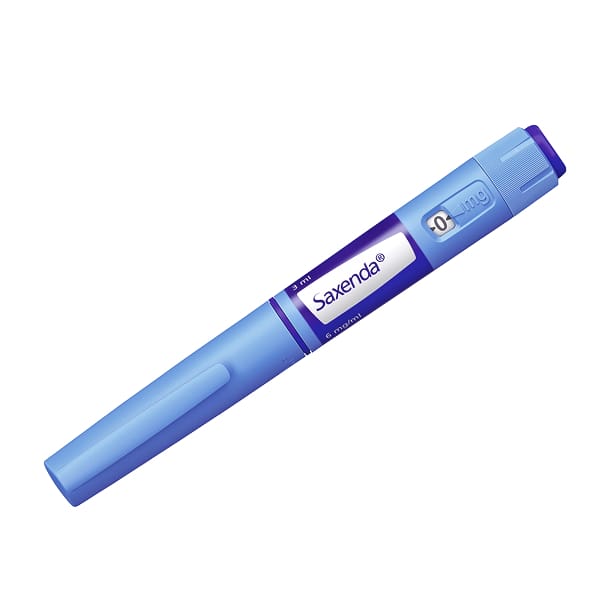
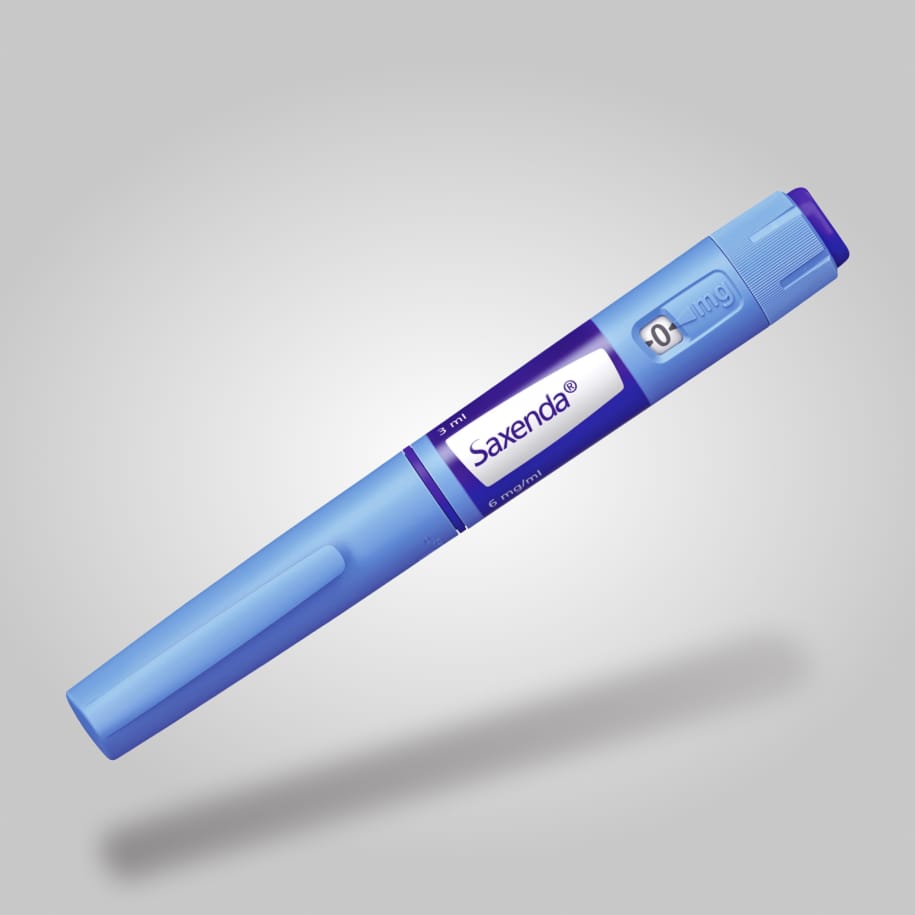
Saxenda
Buy Saxenda Online
Helps adults with obesity or overweight lose weight with diet and activity*
Clinical results show 63% lost at least 5% of their body weight, vs. 27% with placebo*
Supports appetite regulation so you eat less*
Once-daily treatment in a prefilled pen*
Fast secure shipping worldwide
Price Match Guarantee. Found a lower price? We’ll match it.
How much weight could I lose with Saxenda?
In a 56-week adult trial, 63.2% taking liraglutide 3 mg lost at least 5% of their starting weight, versus 27.1% with placebo. Both groups received diet and exercise counseling. This is a study result, not a prediction of your individual response.*
How is Saxenda taken?
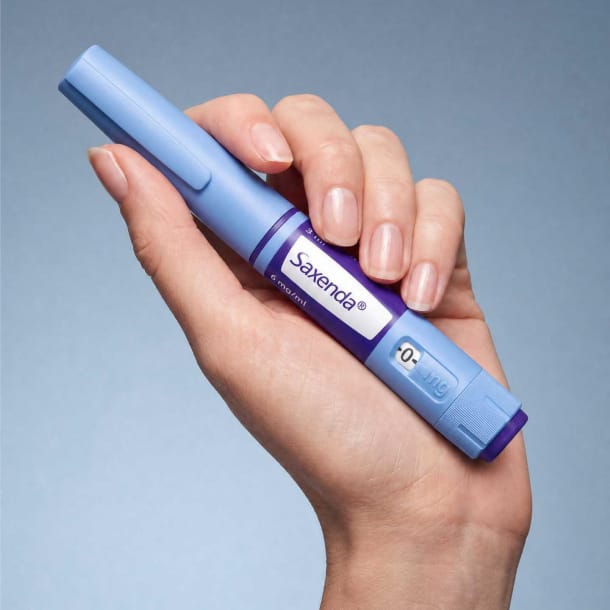
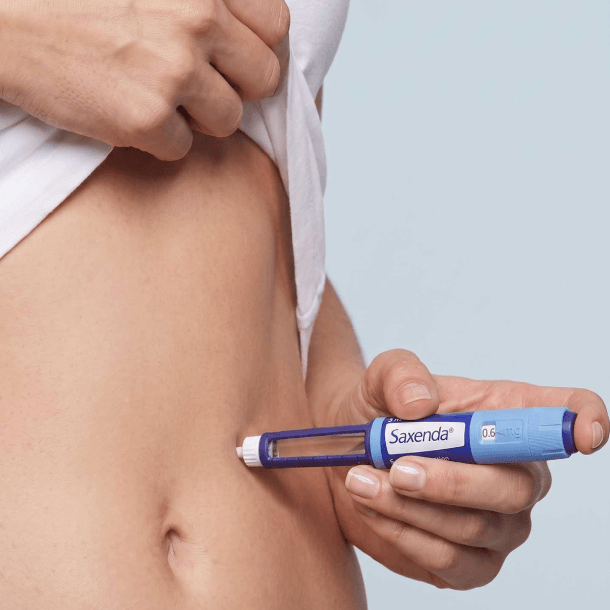
It is injected under the skin of the abdomen, thigh or upper arm once daily. Rotate injection sites and follow your prescribed gradual dose increases. The pen concentration, 6 mg/mL, is not your daily dose.
What side effects and warnings should I know about?
Common effects include nausea, diarrhea, constipation and vomiting. Do not use Saxenda if you or a family member has had medullary thyroid carcinoma (MTC), or if you have MEN 2. Thyroid tumors occurred in rodent studies; the human risk is unknown. Review the full safety information with your prescriber.
*Based on Novo Nordisk Saxenda patient information and Pi-Sunyer et al., NEJM 2015. Used with reduced-calorie diet and increased activity. In the 56-week study, 63% achieved at least 5% weight loss vs. 27% with placebo. Individual results vary. Prescription required.
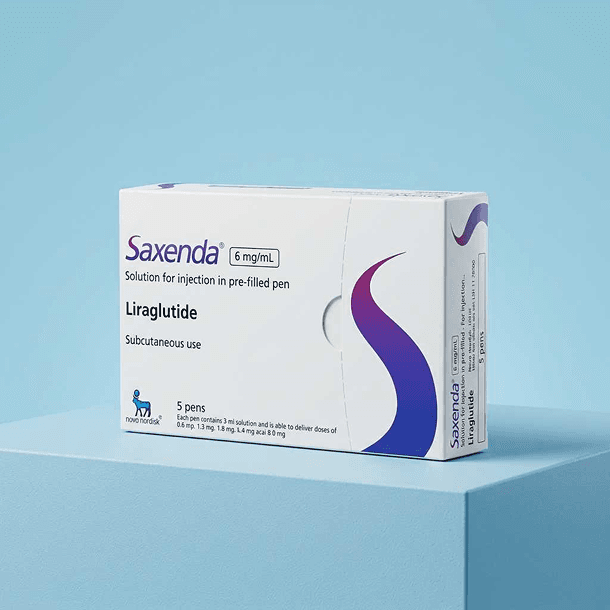
Saxenda is a liraglutide injection used for chronic weight management together with diet and physical activity. You can buy Saxenda online, view the current Saxenda price, and choose the dose or strength shown during ordering so it matches clinician directions. The medicine is supplied as an injectable pen and should be used only as directed by a healthcare professional.
Saxenda 6 mg/mL refers to the concentration inside the prefilled pen, while Saxenda 3 mg is commonly used to describe the labeled daily maintenance dose after gradual dose increases. Those terms are not interchangeable. Dose changes, missed-dose questions, and treatment goals should be handled with the clinician managing your weight-management plan.
Saxenda Price, Pen Quantity, and Strength Selection
The Saxenda cost shown during ordering should be read together with the pen quantity, concentration, and total amount supplied. A lower displayed amount may reflect a different number of pens or a different total supply, so evaluate the full order quantity before comparing cash-pay values. This is especially important for injectable medicines because packaging, handling, and temperature requirements can affect the final purchase decision.
Saxenda 6 mg/mL identifies the concentration of liraglutide in the pen. It does not mean that each injection is 6 mg. Your day-to-day dose follows the schedule given by your clinician, and many people reach a 3 mg daily maintenance dose only after titration. Do not estimate doses from milliliters alone or change the dose to make a pen last longer.
People looking at Saxenda without insurance can use the displayed cash-pay amount to understand out-of-pocket cost for the quantity being purchased. Insurance coverage, reimbursement, copay rules, and Saxenda list price references are separate from the store amount shown for the order. Keep receipts and product records if you plan to submit documents to an insurer yourself.
| What to evaluate | How it affects the order |
|---|---|
| Medication name | Confirms the order is for Saxenda liraglutide weight-management injection. |
| Concentration | Helps identify Saxenda 6 mg/mL and avoid confusing concentration with dose. |
| Pen count or quantity | Changes the total supply and the cash-pay amount. |
| Directions for use | Should match the clinician’s dose schedule and titration instructions. |
| Temperature handling | Injectable pens require careful storage and transport planning. |
Quick tip: Compare the total pen quantity before comparing any Saxenda price reference.
How to Order Saxenda Online
Start with the Saxenda pen format and strength displayed for ordering, then match those details to the directions you were given. Confirm the name, concentration, quantity, and intended supply before payment. If any part of the dose schedule is unclear, ask your healthcare professional before using the medicine rather than adjusting the amount yourself.
For Saxenda US shipping from Canada, review the medicine quantity and cold-chain handling needs before the shipment is arranged. Liraglutide pens are temperature-sensitive and require more planning than standard tablets. We may review order details when needed to help reduce delays caused by mismatched product information or unclear directions.
- Choose Saxenda in the pen format shown during ordering.
- Match the concentration and quantity to the treatment directions.
- Review storage and handling instructions before shipment.
- Keep clinic contact information available if order details require clarification.
- Read the patient instructions before using a new pen.
The order process should follow the clinician’s instructions, not guesswork. If the directions mention a dose change schedule, starting dose, maintenance dose, or follow-up timing, use those instructions as the reference point for selecting the correct quantity and planning refills.
What Saxenda Treats
Saxenda is used for chronic weight management in certain adults and adolescents when combined with a reduced-calorie diet and increased physical activity. It is not insulin and is not used to treat type 1 diabetes or diabetic ketoacidosis. The goal is long-term weight management under clinical supervision, not short-term cosmetic weight change.
Liraglutide belongs to a class called GLP-1 receptor agonists, which are incretin-based medicines that act on pathways involved in appetite and glucose regulation. In weight management, the medicine can help some people feel less hungry and support reduced calorie intake. Response varies, and treatment decisions usually consider body mass index, weight-related health conditions, current medicines, and tolerability.
People often ask whether Saxenda is a weight loss injection or a weight management medication. Both descriptions are used in everyday language, but the labeled use is chronic weight management as part of a broader plan. For condition background, the medical-condition pages on obesity and overweight may help frame questions for a healthcare professional.
Pen Details, Doses, and Injection Use
The Saxenda injectable pen is used for subcutaneous injection, which means the medicine is injected under the skin. Common injection areas may include the abdomen, thigh, or upper arm, depending on the patient instructions and clinician guidance. Rotate injection sites as directed to help reduce local irritation.
Saxenda doses are typically increased gradually to improve tolerability, especially because nausea and other stomach effects are common during treatment changes. Saxenda 3 mg refers to the labeled maintenance dose for many patients after titration, while Saxenda 6 mg/mL describes what is inside the pen. Always separate concentration, dose, and remaining pen volume when planning use.
Pen needles may be supplied or ordered separately depending on how the product is arranged. Use a new needle for each injection, remove the needle after use, and do not store the pen with a needle attached. Never share a Saxenda pen, even if the needle is changed, because sharing can transmit infections and makes dose tracking unsafe.
| Product term | Practical meaning |
|---|---|
| Saxenda liraglutide | The brand and active ingredient used for weight management. |
| Saxenda 6 mg/mL | The concentration of liraglutide in the prefilled pen. |
| Saxenda 3 mg | A commonly referenced labeled daily maintenance dose after titration. |
| Subcutaneous injection | An injection placed under the skin, not into a vein or muscle. |
| Pen needle | A separate injection supply that may need to be obtained with the pen. |
Why it matters: Confusing concentration with dose can lead to incorrect use.
Storage, Handling, and US Delivery from Canada
Unopened Saxenda pens are generally stored in the refrigerator. Do not freeze the pens, and do not use a pen that has been frozen. After first use, the pen may be stored under label-approved conditions for a limited time, so read the patient instructions that come with the medicine.
Temperature control matters because liraglutide can be affected by heat, freezing, and poor handling. For temperature-sensitive orders, prompt, express, cold-chain shipping may be used to help protect the medicine in transit. Plan to receive the shipment promptly and move the pens to proper storage as soon as possible.
- Keep unopened pens refrigerated as directed.
- Do not place pens directly against ice or freezer packs.
- Protect the pen from direct heat during travel.
- Remove the needle after each injection.
- Use a sharps container for used needles.
- Do not use medicine that looks cloudy, discolored, or damaged.
Storage instructions should be checked each time a new package is received. If a pen was exposed to freezing, excessive heat, or uncertain conditions, ask a pharmacist or healthcare professional whether it should be used. Do not try to judge medicine quality by appearance alone when a temperature problem is suspected.
Side Effects, Warnings, and When to Get Help
Common Saxenda side effects include nausea, vomiting, diarrhea, constipation, headache, indigestion, injection-site reactions, and reduced appetite. Stomach effects are often discussed during dose increases, but persistent or severe symptoms need medical attention. Dehydration from vomiting or diarrhea can increase the risk of kidney problems, especially in people with existing kidney concerns.
Saxenda carries important safety warnings. It should not be used by people with a personal or family history of medullary thyroid carcinoma or by people with Multiple Endocrine Neoplasia syndrome type 2. It should also be avoided by anyone with a serious hypersensitivity to liraglutide or any ingredient in the medicine.
Serious problems can include pancreatitis, gallbladder disease, kidney injury related to dehydration, increased heart rate, and severe allergic reactions. Seek urgent medical help for severe abdominal pain that may spread to the back, trouble breathing, swelling of the face or throat, fainting, or signs of a serious allergic reaction. Report new depression, mood changes, or suicidal thoughts promptly.
Saxenda is not recommended during pregnancy. People who become pregnant, plan pregnancy, or are breastfeeding should discuss treatment choices with a healthcare professional. Weight-management medicine may not be appropriate when pregnancy is planned or confirmed.
- Thyroid history: discuss personal or family thyroid cancer history.
- Pancreas symptoms: report severe or persistent abdominal pain.
- Gallbladder symptoms: ask about right upper abdominal pain or yellowing skin.
- Hydration problems: take vomiting or diarrhea seriously.
- Heart symptoms: report persistent racing heartbeat or palpitations.
- Mental health: report mood changes or self-harm thoughts.
Interactions and Monitoring During Treatment
Tell your healthcare professional about all medicines, supplements, and over-the-counter products before using Saxenda. Liraglutide can slow stomach emptying, which may affect how some oral medicines are absorbed. This does not make every oral medicine unsafe, but it means the full medication list matters.
People with type 2 diabetes may need closer glucose monitoring if Saxenda is used with insulin or medicines that increase insulin release, such as sulfonylureas. Low blood sugar risk may be higher when these medicines are combined. Do not change diabetes medicines, injection timing, or food intake plans without clinical guidance.
Monitoring may include weight-management progress, side effects, heart rate, hydration status, and kidney function if significant vomiting or diarrhea occurs. The official label includes guidance on stopping treatment when response is inadequate after an appropriate trial. Your clinician can explain how that applies to your health history and treatment goals.
- Diabetes medicines: ask about hypoglycemia symptoms and monitoring.
- Oral medicines: mention drugs that need consistent absorption.
- Kidney concerns: report dehydration early.
- Heart rate: track persistent palpitations or racing heartbeat.
- Tolerability: discuss severe nausea or ongoing stomach symptoms.
How Saxenda Compares With Related Weight-Management Options
Saxenda is one medicine within the broader prescription weight-management category. Some alternatives use different active ingredients, different dosing schedules, or different injection devices. The right comparison is based on diagnosis, treatment goals, medical history, side effect risks, and the medicine your clinician intended you to use.
GLP-1 and related incretin-based medicines are sometimes discussed together, but they are not automatically interchangeable. A weekly injection, a daily liraglutide injection, and a medicine approved for a different primary use may have different dosing rules and safety considerations. Do not substitute another product for Saxenda unless a healthcare professional changes the plan.
To view adjacent treatments in the same area, browse the Weight Management category. For broader education on nutrition, treatment planning, and medication topics, the Weight Management articles section can help you prepare questions for your next clinical visit.
Practical Questions Before Using a New Pen
Before starting a new Saxenda pen, make sure you understand the dose schedule, injection technique, needle use, storage rules, and what side effects should prompt a call. Keep the patient instructions available while learning the device. If the pen does not work as expected, do not force the injection or take an extra dose without guidance.
Ask how long treatment should be continued before progress is assessed. Weight-management medicines are usually evaluated alongside diet, activity, tolerability, and health markers. If Saxenda is not helping enough or side effects are difficult to manage, the clinician may reassess the plan rather than simply continuing unchanged.
Also ask about travel, missed doses, and refill timing. Because Saxenda pens are temperature-sensitive, travel planning should include refrigeration access, protection from freezing, and safe sharps disposal. Planning refills early can reduce gaps caused by storage questions, clinic clarification, or temperature-sensitive logistics.
Authoritative Sources
Official labeling is the best source for indication, dose language, contraindications, warnings, adverse reactions, interactions, and storage instructions. Product packaging and patient instructions should be read when the medicine arrives because device steps and storage limits matter for injectable pens.
- Official prescribing information: FDA prescribing information for Saxenda.
This content is for informational purposes only and is not a substitute for professional medical advice.
BMI Calculator
Estimate adult body mass index from height and weight, with metric and imperial units.
BMI
-
kg/m2 equivalent
Category
-
Adult screening range
These calculations are for education only and do not replace clinical advice, diagnosis, or treatment. Always confirm medical decisions with a qualified healthcare professional.
Calorie & TDEE Calculator
Estimate resting energy needs and daily calorie range from age, sex, body size, and activity level.
Hold Ctrl or Cmd to select more than one calculator.
BMR
-
estimated calories/day at rest
Maintenance
-
BMR multiplied by activity
Weight loss guide
-
maintenance minus 500 kcal/day
These calculations are for education only and do not replace clinical advice, diagnosis, or treatment. Always confirm medical decisions with a qualified healthcare professional.
Macro Calculator
Split a daily calorie target into protein, carbohydrate, and fat ranges using common nutrition planning ratios.
Protein
-
grams/day at 4 kcal/g
Carbohydrate
-
grams/day at 4 kcal/g
Fat
-
grams/day at 9 kcal/g
These calculations are for education only and do not replace clinical advice, diagnosis, or treatment. Always confirm medical decisions with a qualified healthcare professional.
Weight Loss Timeline Calculator
Estimate a simple timeline from current weight, goal weight, and average daily calorie deficit.
Estimated weekly change
-
based on 3,500 kcal per lb
Estimated time
-
simple arithmetic estimate
Approx. date
-
if average deficit is maintained
These calculations are for education only and do not replace clinical advice, diagnosis, or treatment. Always confirm medical decisions with a qualified healthcare professional.
Weight-Loss Progress Calculator
Track percentage body-weight change and progress toward a target weight.
Weight change
-
current vs starting weight
Body weight change
-
percent of starting weight
Goal progress
-
change achieved toward goal
These calculations are for education only and do not replace clinical advice, diagnosis, or treatment. Always confirm medical decisions with a qualified healthcare professional.
Customer Reviews
4.4
Based on 51 Reviews
Write a Review
Ask a Question
- Reviews
- Questions
Filter Reviews:
ES
01/28/2025
Eric S.  US
USSaxenda
Great product! I have lost 55 pounds over the last two years and have kept the weight off.
01/29/2025
CanadianInsulin.com
Hi Eric,Thank you for your feedback and congratulations on your incredible progress! We’re glad Saxenda has been a great fit for you.If you ever need any assistance, feel free to reach out, we’re happy to help.Thank you for choosing Canadian Insulin. Have a great day!
JS
01/22/2025
Jacquelyn S. USSome communication problems more than once.
It always takes longer for delivery than they say and the small ice pack is always melted.
01/23/2025
CanadianInsulin.com
Hi Jacquelyn,Thank you for your feedback. We sincerely apologize for the delays and the issues with the ice pack upon delivery. We understand how important timely and temperature-sensitive shipments are for your medication.We will assign one of our representatives to get in touch with you directly to further check on your order and ensure we address any underlying concerns it may have.We appreciate your understanding on this matter.
KT
01/21/2025
Karan T. USSaxenda
Really has helped me to lose weight. Thanks
01/21/2025
CanadianInsulin.com
Hi Karan,Thank you for sharing your success! We're thrilled to hear that Saxenda has been helpful in your weight loss journey. Your satisfaction is our priority, and we’re glad to support you in achieving your health goals.If you have any questions or need further assistance, please let us know. We're here to support you.Thank you for choosing Canadian Insulin. Have a great day!
SB
09/13/2024
Staci B. USGreat Company!
Easy to work with! Will tell my friends.
09/16/2024
CanadianInsulin.com
Hi Staci,Thank you for your kind words! We’re thrilled to hear you had a great experience and appreciate your recommendation. It means a lot to us!If you have any questions or need further assistance, please let us know, we’re here to support you.Thank you for choosing Canadian Insulin. Have a great day!
ES
09/06/2024
Eric S. USGreat Product
Have been taking Saxenda for over 2 years and have lost 55 pounds. Am now trying to lose 40 pounds more!!
09/06/2024
CanadianInsulin.com
Hi Eric,Thank you for sharing your experience with us! We're thrilled to hear about your success with Saxenda and the amazing progress you've made in your weight loss journey. 55 pounds down is a fantastic achievement, and we're rooting for you as you work toward your next goal!If you have any questions or need further assistance, please let us know, we’re here to support you.Thank you for choosing Canadian Insulin. Have a great day!
Express Shipping - from $29.99
Prices:
- Dry-Packed Products $29.99
- Cold-Packed Products $39.99
Standard Shipping - $19.99
Shipping with this method takes 5-10 days
Prices:
- Dry-Packed Products $19.99
- Not available for Cold-Packed products
What is Saxenda used for?
Saxenda is a liraglutide injection used for chronic weight management in certain adults and adolescents together with diet and increased physical activity. A healthcare professional should decide whether it fits your medical history and treatment goals.
Is Saxenda 6 mg/mL the same as a 3 mg dose?
No. Saxenda 6 mg/mL is the concentration in the prefilled pen. Saxenda 3 mg commonly refers to the labeled daily maintenance dose after titration. Follow the dose schedule given by your clinician.
What side effects are common with Saxenda?
Common side effects include nausea, vomiting, diarrhea, constipation, headache, indigestion, injection-site reactions, and reduced appetite. Severe or persistent symptoms should be discussed with a healthcare professional.
How should Saxenda pens be stored?
Unopened pens are generally refrigerated and should not be frozen. After first use, follow the storage limits in the patient instructions. Do not use a pen that has been frozen or exposed to unsafe temperatures.
Can Saxenda be used with diabetes medicines?
Some people using insulin or sulfonylureas may have a higher risk of low blood sugar when Saxenda is added. Tell your healthcare professional about all diabetes medicines before starting treatment.
Rewards Program
Earn points on birthdays, product orders, reviews, friend referrals, and more! Enjoy your medication at unparalleled discounts while reaping rewards for every step you take with us.
You can read more about rewards here.
POINT VALUE
How to earn points
- 1Create an account and start earning.
- 2Earn points every time you shop or perform certain actions.
- 3Redeem points for exclusive discounts.
You Might Also Like
Select options
This product has multiple variants. The options may be chosen on the product page
Select options
This product has multiple variants. The options may be chosen on the product page