Shop now & save up to 80% on medication

New here? Get 10% off with code WELCOME10
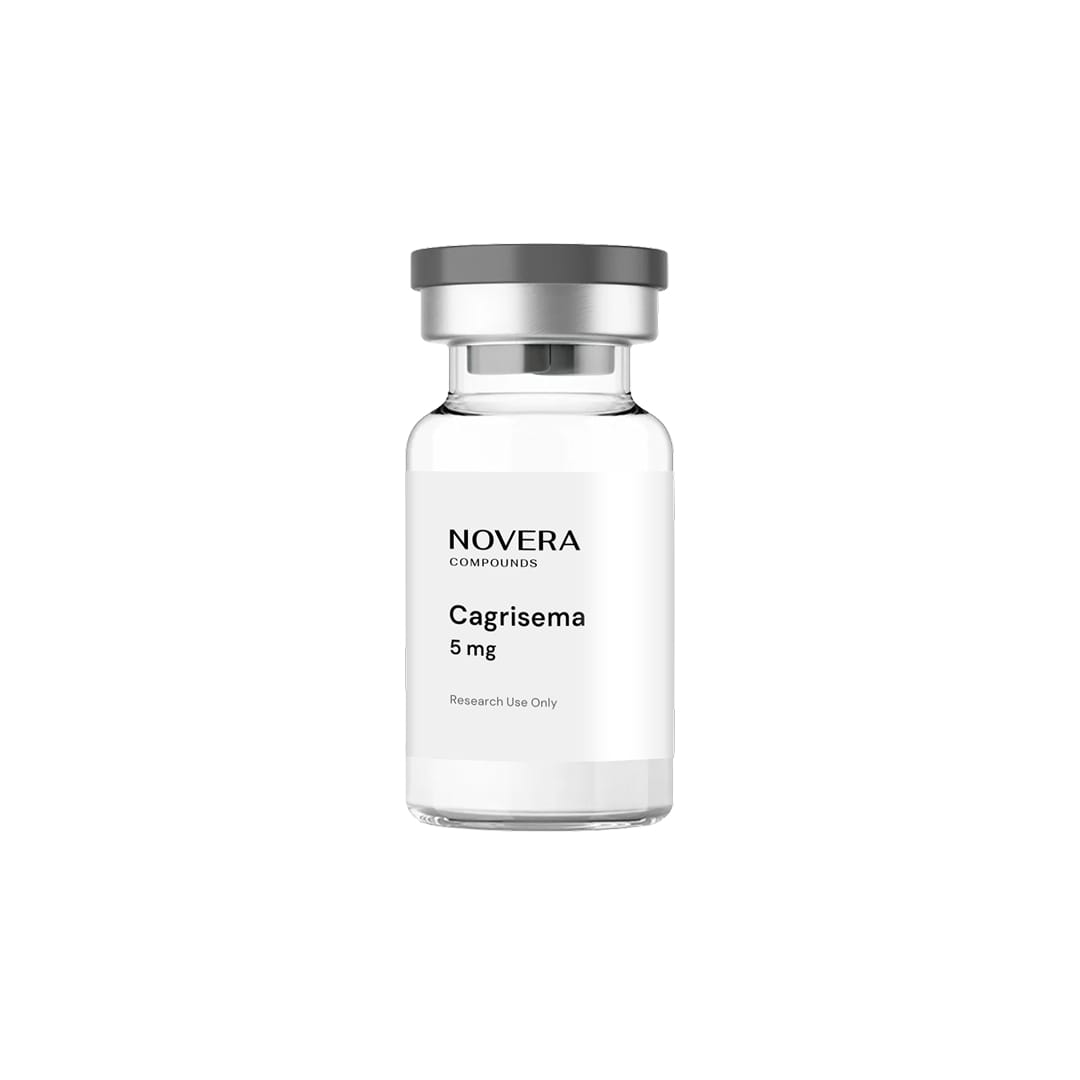
Cagrisema

Buy CagriSema Online

Book Now

Questions about peptides? Click here to schedule a free consultation with a physician.

Our Price
You save
Price Match Promise Found a lower price? We'll match it.

CagriSema is an injectable cagrilintide and semaglutide combination studied for weight management and type 2 diabetes. It can be ordered online when the dose or strength shown during ordering matches your clinician’s directions. Choose the cagrilintide and semaglutide strength, quantity, and injectable format carefully so the medicine you receive aligns with the treatment plan.

Cagrisema price, dose information, and availability should be read together because similar names can represent different total contents or use schedules. If more than one strength, quantity, or pack format appears during ordering, use the written directions from your care team as the controlling reference. For customers planning US delivery from Canada, confirm the order information, address, and handling needs before submitting.

CagriSema Price, Strength, and Quantity Choices

The CagriSema price is tied to the exact strength, injectable format, and quantity chosen during ordering. Compare the amount beside the cagrilintide and semaglutide wording, total contents, and pack count rather than relying on the product name alone. A medicine in this class may have similar branding across strengths while the delivered dose or treatment stage differs.

If a 2.4 mg reference appears in clinical or product context, do not treat it as a substitute for the strength your clinician directed. Some CagriSema clinical studies discuss target doses such as cagrilintide 2.4 mg with semaglutide 2.4 mg, but ordering decisions should follow the strength and quantity shown at checkout and the care plan you were given.

Detail to matchWhy it matters
Active ingredientsConfirm the combination names cagrilintide and semaglutide when they are shown.
Strength or doseMatch the number and unit exactly, especially around any 2.4 mg references.
Injectable formatFollow the format shown during ordering and any training from your care team.
QuantityRead pack count, total contents, and refill timing as separate practical details.
Total chargeReview the final amount after quantity and service details are entered.

Quick tip: Keep a copy of the strength, quantity, and active ingredient wording for your clinic notes.

How to Order CagriSema Online

To order CagriSema online, start with the strength and quantity that match your clinician’s directions. Enter your legal name, current contact information, and delivery address carefully. Small errors can delay review or create confusion with injectable medicines that have similar class names, dose steps, or active ingredients.

  1. Choose the CagriSema strength and quantity that match the written directions.
  2. Review the active ingredient wording for cagrilintide and semaglutide.
  3. Enter contact and address information exactly as it should appear on the order.
  4. Respond promptly if the order team asks for clarification about the medicine.
  5. Plan refill timing early if refrigeration or cold-chain handling is needed.

Cash-pay customers should review the total after strength, quantity, and shipping information are entered. Insurance coverage questions may depend on diagnosis, plan rules, and whether treatment is being considered for weight management, type 2 diabetes, or another clinical reason. The Weight Management category can help you view related weight-focused medicines when your clinician has discussed more than one acceptable treatment path.

Availability, Status, and Clinical Study Context

CagriSema availability may be discussed in both pharmacy and clinical-trial contexts, so separate ordering information from news about research. CagriSema combines cagrilintide, an amylin analogue, with semaglutide, a GLP-1 receptor agonist. GLP-1 receptor agonists are incretin-based medicines that can affect appetite, stomach emptying, and glucose regulation.

The combination has been studied as a once-weekly subcutaneous injection in adults with obesity, overweight, and type 2 diabetes. Trial discussions do not make CagriSema interchangeable with approved semaglutide-only products or tirzepatide products. Your clinician should decide whether the medication, strength, and treatment goal fit your health history.

People researching obesity or overweight treatment can compare condition-specific product groupings under Obesity and Overweight. Those looking at glucose-focused care can also review Type 2 Diabetes and the broader GLP-1 Agonists category. Use those sections for treatment discussions with your care team, not for self-switching between medicines.

What CagriSema Is Used For

CagriSema is being evaluated for weight management and type 2 diabetes because its two active ingredients work through related but distinct pathways. Cagrilintide is designed to act like amylin, a hormone involved in fullness and appetite signals. Semaglutide activates GLP-1 receptors, which can influence appetite, glucose-dependent insulin release, and how quickly the stomach empties.

For weight management, the clinical interest is appetite regulation and reduced energy intake under medical supervision. For type 2 diabetes, semaglutide’s glucose effects are part of why the combination is being studied. This does not mean CagriSema treats type 1 diabetes, diabetic ketoacidosis, or every cause of weight gain.

Treatment goals should be practical and measurable. Your clinician may follow weight, waist measurements, A1C, fasting glucose, kidney function, gastrointestinal tolerance, and nutrition status depending on why the medicine is being used. If reduced appetite leads to very low intake, dehydration, dizziness, or persistent vomiting, medical advice is needed.

Doses, Injection Use, and Device Handling

CagriSema doses should follow the strength and schedule chosen by your clinician. Do not split, combine, or stretch injections to imitate a different dose. Injectable combination medicines can have titration steps, storage requirements, and side-effect patterns that differ from single-ingredient GLP-1 medicines.

If the medicine is supplied in an injection device or container, follow the instructions included with that exact format. Pen priming, needle attachment, injection-site selection, and dose delivery checks can vary between devices. If training is needed, ask your clinic or pharmacist to demonstrate the steps before the first dose.

  • Use the dose and schedule from your care plan.
  • Inspect the container or device before each injection.
  • Do not use cloudy, discolored, or particle-containing solution unless the official instructions say otherwise.
  • Rotate injection sites as directed to reduce local irritation.
  • Dispose of needles and sharps in an approved sharps container.

Why it matters: Injection technique affects comfort, dose delivery, and safe disposal.

Storage, Travel, and Delivery Handling

Injectable medicines often need temperature control. Follow the package insert and carton instructions for refrigeration, room-temperature time, light exposure, and disposal after opening. Do not freeze the medicine, and do not use it if you believe it was stored outside the allowed range.

During travel, keep the medicine in its original packaging when possible and protect it from heat. Air travel usually requires extra planning because checked luggage can be exposed to temperature changes. Carry supplies such as needles, alcohol swabs, and a sharps container if your injection format requires them.

Orders requiring temperature control may use prompt, express, cold-chain shipping. Delivery timing should still be planned conservatively, especially if you are close to running out. Arrange refills early enough to account for handling requirements, holidays, weather disruptions, or questions about the strength or quantity.

  • Store according to the labeled temperature range.
  • Protect the medicine from freezing and direct heat.
  • Keep injectable supplies together during travel.
  • Inspect the carton, device, and solution before use.
  • Ask before using a product with damaged packaging or temperature concerns.

Side Effects, Warnings, and Monitoring

CagriSema side effects may include gastrointestinal symptoms because semaglutide-containing and related incretin therapies commonly affect the stomach and intestines. Nausea, vomiting, diarrhea, constipation, abdominal discomfort, decreased appetite, burping, and injection-site reactions can occur. These effects may be more noticeable when therapy begins or when the dose changes.

Serious symptoms need prompt medical attention. Seek help for severe or persistent abdominal pain, repeated vomiting, signs of dehydration, fainting, symptoms of gallbladder disease, allergic reaction, or low blood glucose if you also use glucose-lowering medicines. Abdominal pain that spreads to the back with nausea or vomiting can be a warning sign of pancreatitis.

Safety screening should consider thyroid cancer history, multiple endocrine neoplasia type 2, pancreatitis, gallbladder disease, kidney disease, severe stomach-emptying problems, diabetic eye disease, eating disorders, pregnancy plans, and breastfeeding. Semaglutide labels for marketed products include restrictions for people with a personal or family history of medullary thyroid carcinoma or MEN2. Your clinician should decide how those warnings apply to CagriSema and your health history.

Safety topicWhat to discuss
Low blood glucoseRisk can rise when glucose-lowering therapy is combined with insulin or sulfonylureas.
Kidney functionVomiting or diarrhea can cause dehydration and worsen kidney problems.
Gallbladder symptomsUpper abdominal pain, fever, or yellowing skin needs medical evaluation.
Stomach emptyingDelayed emptying may affect oral medicines and procedure planning.
Pregnancy or breastfeedingWeight management and glucose medicines may have specific restrictions.

Monitoring may include weight, blood glucose, A1C, kidney function, hydration, gastrointestinal tolerance, and nutrition intake. People with diabetes should ask whether glucose targets or other medicines need adjustment. Do not change insulin, sulfonylureas, or other diabetes medicines without clinical direction.

Interactions and Procedure Planning

Tell your clinician about prescription medicines, non-prescription products, vitamins, and supplements before starting a GLP-1 based injectable. Semaglutide can slow stomach emptying, which may change how some oral medicines are absorbed or tolerated. Medicines with a narrow therapeutic range may need closer monitoring.

Insulin and sulfonylureas deserve special attention because they can cause hypoglycemia. If appetite drops, meals become smaller, or vomiting occurs, blood glucose patterns can change quickly. A glucose-monitoring plan is especially important for people with type 2 diabetes, kidney disease, irregular meals, or recent medication changes.

Before surgery, endoscopy, or anesthesia, ask the procedure team how to handle medicines that delay stomach emptying. Some clinicians may adjust timing to reduce aspiration risk. Follow the instructions from the team performing the procedure, because recommendations can differ by health status and type of anesthesia.

CagriSema Compared With Wegovy, Ozempic, and Tirzepatide

CagriSema vs Wegovy, Ozempic, or tirzepatide is a common question because these medicines can affect appetite, weight, or glucose. The important differences are active ingredients, labeled uses, dosing schedules, titration plans, device instructions, storage requirements, and safety warnings. Product names alone do not show which therapy is safer or more appropriate for an individual.

Wegovy is a semaglutide injection used for chronic weight management in approved settings. Ozempic is a semaglutide injection used for type 2 diabetes and certain cardiovascular-risk indications on its label. Tirzepatide products act on both GIP and GLP-1 receptors, giving them a different ingredient profile from semaglutide-only and cagrilintide-semaglutide therapies.

Use comparisons to prepare better questions, not to replace medical guidance. Ask about the active ingredient, expected titration, injection training, gastrointestinal effects, glucose monitoring, pregnancy considerations, and what to do if side effects interfere with meals or hydration.

Authoritative Sources

Clinical sources can help separate trial evidence from routine treatment decisions. They should support, not replace, the instructions from your clinician and the medicine information supplied with your order.

Regulatory status, marketed presentations, and clinical guidance can change. Before using CagriSema, rely on the strength, quantity, instructions, and patient information supplied with the medicine and confirm individualized questions with your healthcare professional.

This content is for informational purposes only and is not a substitute for professional medical advice.

Research & Education Tool

BMI Calculator

Estimate adult body mass index from height and weight, with metric and imperial units.

BMI - kg/m2 equivalent
Category - Adult screening range

These calculations are for education only and do not replace clinical advice, diagnosis, or treatment. Always confirm medical decisions with a qualified healthcare professional.

Research & Education Tool

Calorie & TDEE Calculator

Estimate resting energy needs and daily calorie range from age, sex, body size, and activity level.

Hold Ctrl or Cmd to select more than one calculator.

BMR - estimated calories/day at rest
Maintenance - BMR multiplied by activity
Weight loss guide - maintenance minus 500 kcal/day

These calculations are for education only and do not replace clinical advice, diagnosis, or treatment. Always confirm medical decisions with a qualified healthcare professional.

Research & Education Tool

Macro Calculator

Split a daily calorie target into protein, carbohydrate, and fat ranges using common nutrition planning ratios.

Protein - grams/day at 4 kcal/g
Carbohydrate - grams/day at 4 kcal/g
Fat - grams/day at 9 kcal/g

These calculations are for education only and do not replace clinical advice, diagnosis, or treatment. Always confirm medical decisions with a qualified healthcare professional.

Research & Education Tool

Protein Intake Calculator

Estimate daily protein grams from body weight and nutrition goal.

Daily protein - grams/day
Per meal - daily target divided by meals
Protein calories - 4 kcal per gram

These calculations are for education only and do not replace clinical advice, diagnosis, or treatment. Always confirm medical decisions with a qualified healthcare professional.

Research & Education Tool

Weight Loss Timeline Calculator

Estimate a simple timeline from current weight, goal weight, and average daily calorie deficit.

Estimated weekly change - based on 3,500 kcal per lb
Estimated time - simple arithmetic estimate
Approx. date - if average deficit is maintained

These calculations are for education only and do not replace clinical advice, diagnosis, or treatment. Always confirm medical decisions with a qualified healthcare professional.

Express Shipping - from $29.99

Shipping with this method takes 3-5 days

Prices:
  • Dry-Packed Products $29.99
  • Cold-Packed Products $39.99

Standard Shipping - $19.99

Shipping with this method takes 5-10 days

Prices:
  • Dry-Packed Products $19.99
  • Not available for Cold-Packed products

Rewards Program

Earn points on birthdays, product orders, reviews, friend referrals, and more! Enjoy your medication at unparalleled discounts while reaping rewards for every step you take with us.

You can read more about rewards here.

POINT VALUE

100 points
1 USD

How to earn points

  • 1Register and/or Login
    Create an account and start earning.
  • 2Earn Rewards
    Earn points every time you shop or perform certain actions.
  • 3Redeem
    Redeem points for exclusive discounts.

You Might Also Like

Komboglyze
  • In Stock
  • Express Shipping
Our Price $107.99
You save
Select options This product has multiple variants. The options may be chosen on the product page
Invokana
  • In Stock
  • Express Shipping
US $615.90 CA $164.99
Our Price $122.39
You save
Select options This product has multiple variants. The options may be chosen on the product page
NovoRapid Vial
  • In Stock
  • Express Shipping
US $220 CA $96
Our Price $64.79
You save
Select options This product has multiple variants. The options may be chosen on the product page
Humulin N KwikPen
  • In Stock
  • Express Shipping
US $84.03
Our Price $74.69
You save
Select options This product has multiple variants. The options may be chosen on the product page

Related Articles

Weight Management
Weight Loss and Calories Calculator: Safe Planning Basics

A weight loss and calories calculator estimates daily calories for maintenance and planned weight change by using your age, sex, height, weight, activity level, and goal. It gives a starting…

Read More
Diabetes, Type 1
Humulin N Dosage Chart: Safe Use and Adjustment Factors

A Humulin N dosage chart can help you organize a prescribed insulin plan, but it should not decide your dose. Humulin N is insulin isophane, also called NPH insulin (neutral…

Read More
Diabetes, Type 1
Humalog KwikPen Generic Options and Insulin Lispro Safety

A Humalog KwikPen generic search usually comes down to one key point: Humalog KwikPen contains insulin lispro, but insulin copies are not always handled like traditional small-molecule generics. Some products…

Read More
Diabetes
Insulin Syringe Sizes: Barrel, Needle, and Safety Basics

Insulin syringe sizes describe three things: how much the barrel holds, how long the needle is, and how thin the needle is. These details matter because insulin is measured in…

Read More

Peptide Screening Form

Patient Information

Please provide your basic demographic information.

Type your date of birth in MM/DD/YYYY format.

Peptides of Interest

Peptides of Interest

Select the peptides you are interested in or have been recommended.

Medical History & Screening

Medical History & Screening

Please indicate if any of the following apply to you. Red flag alerts will appear if a condition contraindicates any of the available peptide therapies.

Contraindicated for CJC-1295: Growth hormone-releasing peptides like CJC-1295 are contraindicated in patients with active cancer because they may promote cell proliferation and tumor growth.

Contraindicated for Ipamorelin: Ipamorelin stimulates growth hormone release, which may promote tumor growth and cell proliferation in active cancers.

Contraindicated for Sermorelin: Sermorelin increases growth hormone production, which may stimulate growth of existing tumors.

Contraindicated for BPC-157: BPC-157 promotes angiogenesis (new blood vessel formation), which could support tumor growth and metastasis in active cancers.

Contraindicated for AOD-9604: Although AOD-9604 is a modified GH fragment, it may still interact with growth-related pathways in patients with active malignancies.

Contraindicated for TB-500 (Thymosin Beta-4): TB-500 promotes cell migration and angiogenesis, which may facilitate tumor growth and metastasis in active cancers.

Contraindicated for GHK-Cu: GHK-Cu promotes angiogenesis and tissue remodeling, which may support tumor growth in patients with active cancer.

Contraindicated for Epithalon (Epitalon): Epithalon stimulates telomerase activity. Cancer cells exploit telomerase to achieve immortality, potentially accelerating tumor growth.

Contraindicated for Semax: Semax has neurotrophic properties that promote cell growth, which may be concerning in patients with active malignancies.

Contraindicated for MOTS-c: MOTS-c influences cellular metabolism and AMPK pathways. Effects on cancer cell metabolism are not fully understood.

Contraindicated for Tesamorelin: Tesamorelin stimulates growth hormone release, which may promote tumor growth in patients with active malignancies.

Contraindicated for Hexarelin: Hexarelin stimulates growth hormone release, which may promote tumor growth and cell proliferation.

Contraindicated for GHRP-6: GHRP-6 stimulates growth hormone release, which may promote tumor growth in active cancers.

Contraindicated for GHRP-2: GHRP-2 stimulates growth hormone release, which may promote tumor growth in active malignancies.

Contraindicated for Melanotan II: Melanotan II stimulates melanocyte activity. In patients with skin cancers, particularly melanoma, it may accelerate disease progression.

Contraindicated for Dihexa: Dihexa activates hepatocyte growth factor (HGF) pathways, which can promote tumor growth and metastasis.

Contraindicated for Kisspeptin-10: Kisspeptin-10 influences reproductive hormone pathways. Hormone-sensitive cancers may be affected by altered GnRH and gonadotropin levels.

Contraindicated for Humanin: Humanin has anti-apoptotic properties that may protect cancer cells from programmed cell death, potentially supporting tumor survival.

Contraindicated for Retatrutide: Retatrutide acts on multiple metabolic pathways including GLP-1 and GIP receptors. Its effects on cell proliferation in patients with active malignancies have not been fully characterized.

Contraindicated for CJC-1295: CJC-1295 stimulates growth hormone release, which can increase IGF-1 levels. Elevated IGF-1 has been associated with cancer recurrence.

Contraindicated for Ipamorelin: The growth hormone and IGF-1 elevation from Ipamorelin may increase the risk of cancer recurrence.

Contraindicated for Sermorelin: Growth hormone stimulation from Sermorelin elevates IGF-1, which has been linked to increased cancer recurrence risk.

Contraindicated for BPC-157: The pro-angiogenic properties of BPC-157 may potentially support recurrence by promoting blood vessel growth that could feed dormant cancer cells.

Contraindicated for TB-500 (Thymosin Beta-4): The pro-angiogenic and cell-migration properties of TB-500 may increase the risk of cancer recurrence.

Contraindicated for Epithalon (Epitalon): Telomerase activation from Epithalon may increase the risk of cancer recurrence by supporting abnormal cell survival.

Contraindicated for Tesamorelin: Growth hormone and IGF-1 elevation from Tesamorelin may increase risk of cancer recurrence.

Contraindicated for Hexarelin: Elevated growth hormone and IGF-1 from Hexarelin may increase risk of cancer recurrence.

Contraindicated for GHRP-6: Growth hormone and IGF-1 elevation from GHRP-6 may increase risk of cancer recurrence.

Contraindicated for GHRP-2: Elevated IGF-1 from GHRP-2-stimulated growth hormone may increase cancer recurrence risk.

Contraindicated for Melanotan II: Melanocortin stimulation from Melanotan II may increase melanoma recurrence risk in patients with skin cancer history.

Contraindicated for Dihexa: HGF pathway activation from Dihexa may increase cancer recurrence risk through pro-growth signaling.

Contraindicated for Humanin: The cytoprotective effects of Humanin may increase cancer recurrence risk by inhibiting apoptosis in dormant cancer cells.

Contraindicated for Retatrutide: GLP-1 receptor agonists have been linked to thyroid C-cell tumors in animal studies. Retatrutide is contraindicated in patients with a personal or family history of medullary thyroid carcinoma.

Contraindicated for Retatrutide: Retatrutide is contraindicated in patients with Multiple Endocrine Neoplasia syndrome type 2 (MEN 2) due to the risk of medullary thyroid carcinoma associated with GLP-1 receptor agonists.

Contraindicated for CJC-1295: CJC-1295 has not been studied in pregnancy and may affect fetal development through altered growth hormone levels.

Contraindicated for Ipamorelin: Ipamorelin has not been studied in pregnancy. Altered growth hormone levels may impact fetal development.

Contraindicated for Sermorelin: Sermorelin is not approved for use during pregnancy due to potential effects on fetal growth and development.

Contraindicated for BPC-157: BPC-157 has not been adequately studied in human pregnancy. Its tissue-modulating effects may pose risks to fetal development.

Contraindicated for Thymosin Alpha-1: Immune modulation during pregnancy may disrupt the delicate immune tolerance required for fetal development.

Contraindicated for PT-141: PT-141 is contraindicated in pregnancy as melanocortin receptor activation may affect fetal development.

Contraindicated for AOD-9604: AOD-9604 has not been studied in pregnancy. Its effects on fetal metabolism are unknown.

Contraindicated for TB-500 (Thymosin Beta-4): TB-500 has not been studied in pregnancy. Its tissue-remodeling effects may pose risks to fetal development.

Contraindicated for GHK-Cu: GHK-Cu has not been studied in pregnancy. Copper peptide effects on fetal development are unknown.

Contraindicated for Epithalon (Epitalon): Epithalon has not been studied in pregnancy. Effects on fetal cellular development are unknown.

Contraindicated for Selank: Selank has not been studied in pregnancy. Its neuroactive effects may impact fetal brain development.

Contraindicated for Semax: Semax has not been studied in pregnancy. Its neuroactive and hormonal effects may affect fetal development.

Contraindicated for DSIP (Delta Sleep-Inducing Peptide): DSIP has not been studied in pregnancy. Its neuroendocrine effects may impact fetal development.

Contraindicated for MOTS-c: MOTS-c has not been studied in pregnancy. Its metabolic effects may impact fetal development.

Contraindicated for Tesamorelin: Tesamorelin is contraindicated in pregnancy due to potential effects on fetal growth from altered growth hormone levels.

Contraindicated for Hexarelin: Hexarelin has not been studied in pregnancy. Altered growth hormone levels may impact fetal development.

Contraindicated for GHRP-6: GHRP-6 has not been studied in pregnancy. Growth hormone modulation may affect fetal development.

Contraindicated for GHRP-2: GHRP-2 has not been studied in pregnancy. Its effects on fetal growth and development are unknown.

Contraindicated for Melanotan II: Melanotan II is contraindicated in pregnancy due to unknown effects on fetal development from melanocortin receptor activation.

Contraindicated for LL-37: LL-37 has not been studied in pregnancy. Immune modulation may disrupt maternal-fetal immune tolerance.

Contraindicated for KPV: KPV has not been studied in pregnancy. Its immunomodulatory effects may impact fetal development.

Contraindicated for Dihexa: Dihexa has not been studied in pregnancy. Its neurotrophic and growth factor effects may impact fetal development.

Contraindicated for 5-Amino-1MQ: 5-Amino-1MQ has not been studied in pregnancy. Its metabolic enzyme inhibition may affect fetal development.

Contraindicated for SS-31 (Elamipretide): SS-31 has not been studied in pregnancy. Its effects on mitochondrial function in developing tissues are unknown.

Contraindicated for PE-22-28: PE-22-28 has not been studied in pregnancy. Its neurogenic effects may impact fetal brain development.

Contraindicated for Kisspeptin-10: Kisspeptin-10 directly affects reproductive hormones and GnRH signaling. Use during pregnancy may disrupt hormonal balance critical for fetal development.

Contraindicated for Humanin: Humanin has not been studied in pregnancy. Its effects on fetal cellular development and apoptosis pathways are unknown.

Contraindicated for KLOW: KLOW has not been studied in pregnancy. Effects on fetal development are unknown.

Contraindicated for GLOW: GLOW has not been studied in pregnancy. Effects on fetal development are unknown.

Contraindicated for Retatrutide: Retatrutide has not been studied in pregnancy. GLP-1 receptor agonists may affect fetal development and maternal glucose regulation.

Contraindicated for CJC-1295: Safety of CJC-1295 during breastfeeding has not been established. Growth hormone modulation could affect lactation.

Contraindicated for BPC-157: Insufficient safety data exists for BPC-157 use during breastfeeding.

Contraindicated for PT-141: Safety of PT-141 during breastfeeding has not been established.

Contraindicated for AOD-9604: Insufficient safety data for AOD-9604 during breastfeeding.

Contraindicated for Selank: Safety of Selank during breastfeeding has not been established. Neuroactive peptides may pass into breast milk.

Contraindicated for DSIP (Delta Sleep-Inducing Peptide): Safety of DSIP during breastfeeding has not been established.

Contraindicated for KPV: Safety of KPV during breastfeeding has not been established.

Contraindicated for 5-Amino-1MQ: Safety of 5-Amino-1MQ during breastfeeding has not been established.

Contraindicated for PE-22-28: Safety of PE-22-28 during breastfeeding has not been established. Neuroactive peptides may pass into breast milk.

Contraindicated for Kisspeptin-10: Kisspeptin-10 modulates reproductive hormones, which may affect lactation and hormonal balance during breastfeeding.

Contraindicated for KLOW: Safety of KLOW during breastfeeding has not been established.

Contraindicated for GLOW: Safety of GLOW during breastfeeding has not been established.

Contraindicated for Retatrutide: Safety of Retatrutide during breastfeeding has not been established. It is unknown whether the peptide is excreted in breast milk.

Contraindicated for CJC-1295: Growth hormone elevation from CJC-1295 can worsen diabetic retinopathy by promoting abnormal blood vessel growth in the retina.

Contraindicated for Ipamorelin: Elevated growth hormone from Ipamorelin can accelerate retinal neovascularization in diabetic retinopathy.

Contraindicated for GHRP-6: Elevated growth hormone from GHRP-6 can worsen diabetic retinopathy by promoting abnormal blood vessel growth.

Contraindicated for GHRP-2: Growth hormone elevation from GHRP-2 can accelerate retinal neovascularization in diabetic retinopathy.

Contraindicated for Retatrutide: Rapid improvement in glycemic control from Retatrutide may temporarily worsen diabetic retinopathy. Close ophthalmologic monitoring is recommended.

Contraindicated for CJC-1295: Growth hormone-releasing peptides can elevate intracranial pressure, worsening existing intracranial hypertension.

Contraindicated for Sermorelin: Growth hormone elevation from Sermorelin can increase intracranial pressure.

Contraindicated for Tesamorelin: Growth hormone elevation from Tesamorelin can increase intracranial pressure.

Contraindicated for CJC-1295: CJC-1295 acts on the pituitary gland. Existing pituitary disorders may lead to unpredictable or dangerous hormone responses.

Contraindicated for Ipamorelin: Ipamorelin directly stimulates the pituitary gland. Pre-existing pituitary conditions may result in adverse hormonal responses.

Contraindicated for Sermorelin: Sermorelin requires a functioning pituitary gland. Pituitary disorders may prevent proper response or cause adverse effects.

Contraindicated for DSIP (Delta Sleep-Inducing Peptide): DSIP affects neuroendocrine signaling involving the pituitary gland. Pre-existing pituitary conditions may lead to unpredictable effects.

Contraindicated for Tesamorelin: Tesamorelin acts directly on the pituitary gland. Pre-existing pituitary disorders may cause unpredictable hormonal responses.

Contraindicated for Hexarelin: Hexarelin acts on the pituitary gland. Pre-existing pituitary conditions may result in adverse hormonal responses.

Contraindicated for GHRP-6: GHRP-6 acts directly on the pituitary gland. Pre-existing disorders may cause adverse hormonal effects.

Contraindicated for GHRP-2: GHRP-2 directly stimulates the pituitary gland. Pre-existing pituitary disorders may cause unpredictable responses.

Contraindicated for Kisspeptin-10: Kisspeptin-10 stimulates the hypothalamic-pituitary axis. Pre-existing pituitary disorders may lead to unpredictable hormonal responses.

Contraindicated for Thymosin Alpha-1: Thymosin Alpha-1 stimulates T-cell activity and immune response. In patients with autoimmune conditions, this can trigger disease flares.

Contraindicated for Epithalon (Epitalon): Epithalon may modulate immune function through its effects on the pineal gland, potentially exacerbating autoimmune conditions.

Contraindicated for Melanotan II: Melanotan II modulates immune function through melanocortin receptors, potentially exacerbating autoimmune conditions.

Contraindicated for LL-37: LL-37 is a potent immune activator. In autoimmune conditions, it may trigger inflammatory flares and worsen disease activity.

Contraindicated for KLOW: Peptide blends may modulate immune function. Patients with autoimmune conditions should consult their provider before use.

Contraindicated for GLOW: Peptide blends may modulate immune function. Patients with autoimmune conditions should consult their provider before use.

Contraindicated for Thymosin Alpha-1: Thymosin Alpha-1 enhances immune function, which directly counteracts immunosuppressive therapy required to prevent organ rejection.

Contraindicated for LL-37: LL-37 enhances immune function, which may counteract immunosuppressive therapy in transplant recipients.

Contraindicated for PT-141: PT-141 affects blood pressure and cardiovascular function. Patients with heart disease face increased risk of adverse cardiac events.

Contraindicated for Hexarelin: Hexarelin has been shown to affect cardiac function and cortisol release. Patients with cardiovascular disease should use caution.

Contraindicated for Melanotan II: Melanotan II affects cardiovascular function and can cause nausea and flushing. Heart disease patients should avoid use.

Contraindicated for PT-141: PT-141 can cause transient increases in blood pressure. Uncontrolled hypertension increases the risk of cardiovascular events.

Contraindicated for Semax: Semax can influence blood pressure regulation. Patients with uncontrolled hypertension should use caution.

Contraindicated for Melanotan II: Melanotan II can cause blood pressure fluctuations. Patients with uncontrolled hypertension face increased cardiovascular risk.

Contraindicated for Dihexa: Dihexa may influence cardiovascular function. Patients with uncontrolled hypertension should exercise caution.

Contraindicated for AOD-9604: Patients with severe kidney disease may have impaired clearance of AOD-9604 metabolites.

Contraindicated for MOTS-c: Patients with severe kidney disease may have impaired clearance of MOTS-c metabolites.

Contraindicated for 5-Amino-1MQ: Patients with kidney disease may have impaired clearance of 5-Amino-1MQ metabolites.

Contraindicated for SS-31 (Elamipretide): Patients with severe kidney disease may have impaired clearance of SS-31 and its metabolites.

Contraindicated for Retatrutide: Patients with severe kidney disease may have impaired clearance of Retatrutide. Dose adjustment or avoidance may be necessary.

Contraindicated for GHK-Cu: Copper metabolism is heavily dependent on liver function. Patients with liver disease may accumulate copper to toxic levels.

Contraindicated for 5-Amino-1MQ: 5-Amino-1MQ affects metabolic enzyme pathways. Patients with liver disease may experience altered drug metabolism and increased toxicity risk.

Contraindicated for Retatrutide: Retatrutide is metabolized hepatically. Patients with significant liver impairment may experience altered drug levels and increased risk of adverse effects.

Contraindicated for Retatrutide: GLP-1 receptor agonists, including Retatrutide, have been associated with an increased risk of pancreatitis. Patients with a history of pancreatitis should avoid use.

Contraindicated for BPC-157: BPC-157 affects the nitric oxide system and may influence blood clotting. Patients with clotting disorders should avoid use.

Contraindicated for TB-500 (Thymosin Beta-4): TB-500 can influence blood clotting pathways. Patients with clotting disorders or on anticoagulants should avoid use.

Contraindicated for Selank: Selank is derived from tuftsin, which can influence immune and coagulation pathways. Patients with clotting disorders should use caution.

Contraindicated for SS-31 (Elamipretide): SS-31 has been associated with injection site reactions. Patients with known peptide allergies should be monitored.

Contraindicated for KLOW: Multi-component peptide blends carry increased risk of allergic reactions. Patients with known peptide allergies should be monitored.

Contraindicated for GLOW: Multi-component peptide blends carry increased risk of allergic reactions. Patients with known peptide allergies should be monitored.

Contraindicated for Thymosin Alpha-1: Thymosin Alpha-1 directly opposes immunosuppressive medications, potentially causing dangerous drug interactions.

Contraindicated for LL-37: LL-37 stimulates immune responses, potentially opposing immunosuppressive medications.

Contraindicated for KPV: KPV has anti-inflammatory and immune-modulating effects that may interact with immunosuppressive medications.

Current Medications

List all medications, supplements, and treatments you are currently using.

Additional Notes

Medical Disclaimer

This screening questionnaire is for informational and pre-consultation purposes only. It does not constitute medical advice, diagnosis, or a treatment recommendation.

All peptide therapy protocols must be prescribed and supervised by a licensed healthcare provider. The contraindication information provided here is based on general clinical guidelines and may not reflect every individual’s unique medical circumstances.

Peptide therapies are used off-label in many cases. Results vary by individual. Borderfreehealth.com does not guarantee outcomes from any peptide therapy program.

By submitting this form, you acknowledge that a qualified medical professional will review your responses and determine appropriate treatment options. Do not discontinue any current medications or begin any new treatment based solely on the results of this screening.

Peptide Screening Form

Patient Information

Please provide your basic demographic information.

Type your date of birth in MM/DD/YYYY format.

Peptides of Interest

Peptides of Interest

Select the peptides you are interested in or have been recommended.

Medical History & Screening

Medical History & Screening

Please indicate if any of the following apply to you. Red flag alerts will appear if a condition contraindicates any of the available peptide therapies.

Contraindicated for CJC-1295: Growth hormone-releasing peptides like CJC-1295 are contraindicated in patients with active cancer because they may promote cell proliferation and tumor growth.

Contraindicated for Ipamorelin: Ipamorelin stimulates growth hormone release, which may promote tumor growth and cell proliferation in active cancers.

Contraindicated for Sermorelin: Sermorelin increases growth hormone production, which may stimulate growth of existing tumors.

Contraindicated for BPC-157: BPC-157 promotes angiogenesis (new blood vessel formation), which could support tumor growth and metastasis in active cancers.

Contraindicated for AOD-9604: Although AOD-9604 is a modified GH fragment, it may still interact with growth-related pathways in patients with active malignancies.

Contraindicated for TB-500 (Thymosin Beta-4): TB-500 promotes cell migration and angiogenesis, which may facilitate tumor growth and metastasis in active cancers.

Contraindicated for GHK-Cu: GHK-Cu promotes angiogenesis and tissue remodeling, which may support tumor growth in patients with active cancer.

Contraindicated for Epithalon (Epitalon): Epithalon stimulates telomerase activity. Cancer cells exploit telomerase to achieve immortality, potentially accelerating tumor growth.

Contraindicated for Semax: Semax has neurotrophic properties that promote cell growth, which may be concerning in patients with active malignancies.

Contraindicated for MOTS-c: MOTS-c influences cellular metabolism and AMPK pathways. Effects on cancer cell metabolism are not fully understood.

Contraindicated for Tesamorelin: Tesamorelin stimulates growth hormone release, which may promote tumor growth in patients with active malignancies.

Contraindicated for Hexarelin: Hexarelin stimulates growth hormone release, which may promote tumor growth and cell proliferation.

Contraindicated for GHRP-6: GHRP-6 stimulates growth hormone release, which may promote tumor growth in active cancers.

Contraindicated for GHRP-2: GHRP-2 stimulates growth hormone release, which may promote tumor growth in active malignancies.

Contraindicated for Melanotan II: Melanotan II stimulates melanocyte activity. In patients with skin cancers, particularly melanoma, it may accelerate disease progression.

Contraindicated for Dihexa: Dihexa activates hepatocyte growth factor (HGF) pathways, which can promote tumor growth and metastasis.

Contraindicated for Kisspeptin-10: Kisspeptin-10 influences reproductive hormone pathways. Hormone-sensitive cancers may be affected by altered GnRH and gonadotropin levels.

Contraindicated for Humanin: Humanin has anti-apoptotic properties that may protect cancer cells from programmed cell death, potentially supporting tumor survival.

Contraindicated for Retatrutide: Retatrutide acts on multiple metabolic pathways including GLP-1 and GIP receptors. Its effects on cell proliferation in patients with active malignancies have not been fully characterized.

Contraindicated for CJC-1295: CJC-1295 stimulates growth hormone release, which can increase IGF-1 levels. Elevated IGF-1 has been associated with cancer recurrence.

Contraindicated for Ipamorelin: The growth hormone and IGF-1 elevation from Ipamorelin may increase the risk of cancer recurrence.

Contraindicated for Sermorelin: Growth hormone stimulation from Sermorelin elevates IGF-1, which has been linked to increased cancer recurrence risk.

Contraindicated for BPC-157: The pro-angiogenic properties of BPC-157 may potentially support recurrence by promoting blood vessel growth that could feed dormant cancer cells.

Contraindicated for TB-500 (Thymosin Beta-4): The pro-angiogenic and cell-migration properties of TB-500 may increase the risk of cancer recurrence.

Contraindicated for Epithalon (Epitalon): Telomerase activation from Epithalon may increase the risk of cancer recurrence by supporting abnormal cell survival.

Contraindicated for Tesamorelin: Growth hormone and IGF-1 elevation from Tesamorelin may increase risk of cancer recurrence.

Contraindicated for Hexarelin: Elevated growth hormone and IGF-1 from Hexarelin may increase risk of cancer recurrence.

Contraindicated for GHRP-6: Growth hormone and IGF-1 elevation from GHRP-6 may increase risk of cancer recurrence.

Contraindicated for GHRP-2: Elevated IGF-1 from GHRP-2-stimulated growth hormone may increase cancer recurrence risk.

Contraindicated for Melanotan II: Melanocortin stimulation from Melanotan II may increase melanoma recurrence risk in patients with skin cancer history.

Contraindicated for Dihexa: HGF pathway activation from Dihexa may increase cancer recurrence risk through pro-growth signaling.

Contraindicated for Humanin: The cytoprotective effects of Humanin may increase cancer recurrence risk by inhibiting apoptosis in dormant cancer cells.

Contraindicated for Retatrutide: GLP-1 receptor agonists have been linked to thyroid C-cell tumors in animal studies. Retatrutide is contraindicated in patients with a personal or family history of medullary thyroid carcinoma.

Contraindicated for Retatrutide: Retatrutide is contraindicated in patients with Multiple Endocrine Neoplasia syndrome type 2 (MEN 2) due to the risk of medullary thyroid carcinoma associated with GLP-1 receptor agonists.

Contraindicated for CJC-1295: CJC-1295 has not been studied in pregnancy and may affect fetal development through altered growth hormone levels.

Contraindicated for Ipamorelin: Ipamorelin has not been studied in pregnancy. Altered growth hormone levels may impact fetal development.

Contraindicated for Sermorelin: Sermorelin is not approved for use during pregnancy due to potential effects on fetal growth and development.

Contraindicated for BPC-157: BPC-157 has not been adequately studied in human pregnancy. Its tissue-modulating effects may pose risks to fetal development.

Contraindicated for Thymosin Alpha-1: Immune modulation during pregnancy may disrupt the delicate immune tolerance required for fetal development.

Contraindicated for PT-141: PT-141 is contraindicated in pregnancy as melanocortin receptor activation may affect fetal development.

Contraindicated for AOD-9604: AOD-9604 has not been studied in pregnancy. Its effects on fetal metabolism are unknown.

Contraindicated for TB-500 (Thymosin Beta-4): TB-500 has not been studied in pregnancy. Its tissue-remodeling effects may pose risks to fetal development.

Contraindicated for GHK-Cu: GHK-Cu has not been studied in pregnancy. Copper peptide effects on fetal development are unknown.

Contraindicated for Epithalon (Epitalon): Epithalon has not been studied in pregnancy. Effects on fetal cellular development are unknown.

Contraindicated for Selank: Selank has not been studied in pregnancy. Its neuroactive effects may impact fetal brain development.

Contraindicated for Semax: Semax has not been studied in pregnancy. Its neuroactive and hormonal effects may affect fetal development.

Contraindicated for DSIP (Delta Sleep-Inducing Peptide): DSIP has not been studied in pregnancy. Its neuroendocrine effects may impact fetal development.

Contraindicated for MOTS-c: MOTS-c has not been studied in pregnancy. Its metabolic effects may impact fetal development.

Contraindicated for Tesamorelin: Tesamorelin is contraindicated in pregnancy due to potential effects on fetal growth from altered growth hormone levels.

Contraindicated for Hexarelin: Hexarelin has not been studied in pregnancy. Altered growth hormone levels may impact fetal development.

Contraindicated for GHRP-6: GHRP-6 has not been studied in pregnancy. Growth hormone modulation may affect fetal development.

Contraindicated for GHRP-2: GHRP-2 has not been studied in pregnancy. Its effects on fetal growth and development are unknown.

Contraindicated for Melanotan II: Melanotan II is contraindicated in pregnancy due to unknown effects on fetal development from melanocortin receptor activation.

Contraindicated for LL-37: LL-37 has not been studied in pregnancy. Immune modulation may disrupt maternal-fetal immune tolerance.

Contraindicated for KPV: KPV has not been studied in pregnancy. Its immunomodulatory effects may impact fetal development.

Contraindicated for Dihexa: Dihexa has not been studied in pregnancy. Its neurotrophic and growth factor effects may impact fetal development.

Contraindicated for 5-Amino-1MQ: 5-Amino-1MQ has not been studied in pregnancy. Its metabolic enzyme inhibition may affect fetal development.

Contraindicated for SS-31 (Elamipretide): SS-31 has not been studied in pregnancy. Its effects on mitochondrial function in developing tissues are unknown.

Contraindicated for PE-22-28: PE-22-28 has not been studied in pregnancy. Its neurogenic effects may impact fetal brain development.

Contraindicated for Kisspeptin-10: Kisspeptin-10 directly affects reproductive hormones and GnRH signaling. Use during pregnancy may disrupt hormonal balance critical for fetal development.

Contraindicated for Humanin: Humanin has not been studied in pregnancy. Its effects on fetal cellular development and apoptosis pathways are unknown.

Contraindicated for KLOW: KLOW has not been studied in pregnancy. Effects on fetal development are unknown.

Contraindicated for GLOW: GLOW has not been studied in pregnancy. Effects on fetal development are unknown.

Contraindicated for Retatrutide: Retatrutide has not been studied in pregnancy. GLP-1 receptor agonists may affect fetal development and maternal glucose regulation.

Contraindicated for CJC-1295: Safety of CJC-1295 during breastfeeding has not been established. Growth hormone modulation could affect lactation.

Contraindicated for BPC-157: Insufficient safety data exists for BPC-157 use during breastfeeding.

Contraindicated for PT-141: Safety of PT-141 during breastfeeding has not been established.

Contraindicated for AOD-9604: Insufficient safety data for AOD-9604 during breastfeeding.

Contraindicated for Selank: Safety of Selank during breastfeeding has not been established. Neuroactive peptides may pass into breast milk.

Contraindicated for DSIP (Delta Sleep-Inducing Peptide): Safety of DSIP during breastfeeding has not been established.

Contraindicated for KPV: Safety of KPV during breastfeeding has not been established.

Contraindicated for 5-Amino-1MQ: Safety of 5-Amino-1MQ during breastfeeding has not been established.

Contraindicated for PE-22-28: Safety of PE-22-28 during breastfeeding has not been established. Neuroactive peptides may pass into breast milk.

Contraindicated for Kisspeptin-10: Kisspeptin-10 modulates reproductive hormones, which may affect lactation and hormonal balance during breastfeeding.

Contraindicated for KLOW: Safety of KLOW during breastfeeding has not been established.

Contraindicated for GLOW: Safety of GLOW during breastfeeding has not been established.

Contraindicated for Retatrutide: Safety of Retatrutide during breastfeeding has not been established. It is unknown whether the peptide is excreted in breast milk.

Contraindicated for CJC-1295: Growth hormone elevation from CJC-1295 can worsen diabetic retinopathy by promoting abnormal blood vessel growth in the retina.

Contraindicated for Ipamorelin: Elevated growth hormone from Ipamorelin can accelerate retinal neovascularization in diabetic retinopathy.

Contraindicated for GHRP-6: Elevated growth hormone from GHRP-6 can worsen diabetic retinopathy by promoting abnormal blood vessel growth.

Contraindicated for GHRP-2: Growth hormone elevation from GHRP-2 can accelerate retinal neovascularization in diabetic retinopathy.

Contraindicated for Retatrutide: Rapid improvement in glycemic control from Retatrutide may temporarily worsen diabetic retinopathy. Close ophthalmologic monitoring is recommended.

Contraindicated for CJC-1295: Growth hormone-releasing peptides can elevate intracranial pressure, worsening existing intracranial hypertension.

Contraindicated for Sermorelin: Growth hormone elevation from Sermorelin can increase intracranial pressure.

Contraindicated for Tesamorelin: Growth hormone elevation from Tesamorelin can increase intracranial pressure.

Contraindicated for CJC-1295: CJC-1295 acts on the pituitary gland. Existing pituitary disorders may lead to unpredictable or dangerous hormone responses.

Contraindicated for Ipamorelin: Ipamorelin directly stimulates the pituitary gland. Pre-existing pituitary conditions may result in adverse hormonal responses.

Contraindicated for Sermorelin: Sermorelin requires a functioning pituitary gland. Pituitary disorders may prevent proper response or cause adverse effects.

Contraindicated for DSIP (Delta Sleep-Inducing Peptide): DSIP affects neuroendocrine signaling involving the pituitary gland. Pre-existing pituitary conditions may lead to unpredictable effects.

Contraindicated for Tesamorelin: Tesamorelin acts directly on the pituitary gland. Pre-existing pituitary disorders may cause unpredictable hormonal responses.

Contraindicated for Hexarelin: Hexarelin acts on the pituitary gland. Pre-existing pituitary conditions may result in adverse hormonal responses.

Contraindicated for GHRP-6: GHRP-6 acts directly on the pituitary gland. Pre-existing disorders may cause adverse hormonal effects.

Contraindicated for GHRP-2: GHRP-2 directly stimulates the pituitary gland. Pre-existing pituitary disorders may cause unpredictable responses.

Contraindicated for Kisspeptin-10: Kisspeptin-10 stimulates the hypothalamic-pituitary axis. Pre-existing pituitary disorders may lead to unpredictable hormonal responses.

Contraindicated for Thymosin Alpha-1: Thymosin Alpha-1 stimulates T-cell activity and immune response. In patients with autoimmune conditions, this can trigger disease flares.

Contraindicated for Epithalon (Epitalon): Epithalon may modulate immune function through its effects on the pineal gland, potentially exacerbating autoimmune conditions.

Contraindicated for Melanotan II: Melanotan II modulates immune function through melanocortin receptors, potentially exacerbating autoimmune conditions.

Contraindicated for LL-37: LL-37 is a potent immune activator. In autoimmune conditions, it may trigger inflammatory flares and worsen disease activity.

Contraindicated for KLOW: Peptide blends may modulate immune function. Patients with autoimmune conditions should consult their provider before use.

Contraindicated for GLOW: Peptide blends may modulate immune function. Patients with autoimmune conditions should consult their provider before use.

Contraindicated for Thymosin Alpha-1: Thymosin Alpha-1 enhances immune function, which directly counteracts immunosuppressive therapy required to prevent organ rejection.

Contraindicated for LL-37: LL-37 enhances immune function, which may counteract immunosuppressive therapy in transplant recipients.

Contraindicated for PT-141: PT-141 affects blood pressure and cardiovascular function. Patients with heart disease face increased risk of adverse cardiac events.

Contraindicated for Hexarelin: Hexarelin has been shown to affect cardiac function and cortisol release. Patients with cardiovascular disease should use caution.

Contraindicated for Melanotan II: Melanotan II affects cardiovascular function and can cause nausea and flushing. Heart disease patients should avoid use.

Contraindicated for PT-141: PT-141 can cause transient increases in blood pressure. Uncontrolled hypertension increases the risk of cardiovascular events.

Contraindicated for Semax: Semax can influence blood pressure regulation. Patients with uncontrolled hypertension should use caution.

Contraindicated for Melanotan II: Melanotan II can cause blood pressure fluctuations. Patients with uncontrolled hypertension face increased cardiovascular risk.

Contraindicated for Dihexa: Dihexa may influence cardiovascular function. Patients with uncontrolled hypertension should exercise caution.

Contraindicated for AOD-9604: Patients with severe kidney disease may have impaired clearance of AOD-9604 metabolites.

Contraindicated for MOTS-c: Patients with severe kidney disease may have impaired clearance of MOTS-c metabolites.

Contraindicated for 5-Amino-1MQ: Patients with kidney disease may have impaired clearance of 5-Amino-1MQ metabolites.

Contraindicated for SS-31 (Elamipretide): Patients with severe kidney disease may have impaired clearance of SS-31 and its metabolites.

Contraindicated for Retatrutide: Patients with severe kidney disease may have impaired clearance of Retatrutide. Dose adjustment or avoidance may be necessary.

Contraindicated for GHK-Cu: Copper metabolism is heavily dependent on liver function. Patients with liver disease may accumulate copper to toxic levels.

Contraindicated for 5-Amino-1MQ: 5-Amino-1MQ affects metabolic enzyme pathways. Patients with liver disease may experience altered drug metabolism and increased toxicity risk.

Contraindicated for Retatrutide: Retatrutide is metabolized hepatically. Patients with significant liver impairment may experience altered drug levels and increased risk of adverse effects.

Contraindicated for Retatrutide: GLP-1 receptor agonists, including Retatrutide, have been associated with an increased risk of pancreatitis. Patients with a history of pancreatitis should avoid use.

Contraindicated for BPC-157: BPC-157 affects the nitric oxide system and may influence blood clotting. Patients with clotting disorders should avoid use.

Contraindicated for TB-500 (Thymosin Beta-4): TB-500 can influence blood clotting pathways. Patients with clotting disorders or on anticoagulants should avoid use.

Contraindicated for Selank: Selank is derived from tuftsin, which can influence immune and coagulation pathways. Patients with clotting disorders should use caution.

Contraindicated for SS-31 (Elamipretide): SS-31 has been associated with injection site reactions. Patients with known peptide allergies should be monitored.

Contraindicated for KLOW: Multi-component peptide blends carry increased risk of allergic reactions. Patients with known peptide allergies should be monitored.

Contraindicated for GLOW: Multi-component peptide blends carry increased risk of allergic reactions. Patients with known peptide allergies should be monitored.

Contraindicated for Thymosin Alpha-1: Thymosin Alpha-1 directly opposes immunosuppressive medications, potentially causing dangerous drug interactions.

Contraindicated for LL-37: LL-37 stimulates immune responses, potentially opposing immunosuppressive medications.

Contraindicated for KPV: KPV has anti-inflammatory and immune-modulating effects that may interact with immunosuppressive medications.

Current Medications

List all medications, supplements, and treatments you are currently using.

Additional Notes

Medical Disclaimer

This screening questionnaire is for informational and pre-consultation purposes only. It does not constitute medical advice, diagnosis, or a treatment recommendation.

All peptide therapy protocols must be prescribed and supervised by a licensed healthcare provider. The contraindication information provided here is based on general clinical guidelines and may not reflect every individual’s unique medical circumstances.

Peptide therapies are used off-label in many cases. Results vary by individual. Borderfreehealth.com does not guarantee outcomes from any peptide therapy program.

By submitting this form, you acknowledge that a qualified medical professional will review your responses and determine appropriate treatment options. Do not discontinue any current medications or begin any new treatment based solely on the results of this screening.