
Please note: a valid prescription is required for all prescription medication.
Promotion
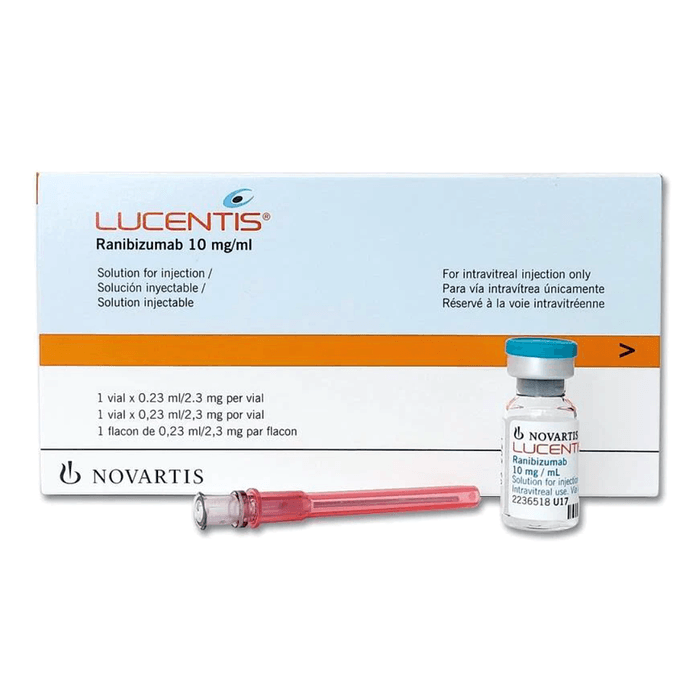
Lucentis Vial
Lucentis® Vial for Wet Age-Related Macular Degeneration
Sitewide Super Sale - Get 15% off when you buy 3 or more of the same product using the code LESS15 at checkout.
Applies to all products originating from Canada. Maximum quantity limited to a 90-day supply per order.
Price:
$2,299.99
You save


Lucentis® is a prescription anti-VEGF eye medicine for select retinal diseases. This page outlines the vial format, how it is given, key safety points, and how to place an order. Ships from Canada to US with options for those paying without insurance.
What Lucentis Is and How It Works
CanadianInsulin.com is a prescription referral platform. We verify prescriptions with your prescriber when required, and licensed Canadian pharmacies dispense your order.
Lucentis® contains ranibizumab, a monoclonal antibody fragment that binds vascular endothelial growth factor A (VEGF-A). By blocking VEGF-A, it helps reduce abnormal blood vessel growth and retinal fluid that can impair central vision. The ranibizumab vial is used by retina specialists to deliver a precise intravitreal dose under sterile conditions. It is intended for administration in a clinical setting by trained eye-care professionals.
This medicine acts locally inside the eye, and systemic exposure is low. Your clinician may adjust visit intervals based on response and disease stability. The treatment plan often includes vision checks, optical coherence tomography imaging, and monitoring of intraocular pressure after each injection.
Who It’s For
This therapy is FDA- and Health Canada–approved for adults with neovascular (wet) age-related macular degeneration, diabetic macular edema, macular edema following retinal vein occlusion, and myopic choroidal neovascularization. For background on these conditions, see Wet Age Related Macular Degeneration, Diabetic Macular Edema, and Myopic Choroidal Neovascularization.
The phrase Lucentis vial for wet AMD refers to one common indication; however, your ophthalmologist will determine suitability across all approved uses. Do not receive this medicine if you have an eye infection or active inflammation in or around the eye, or if you have a known hypersensitivity to any component.
Dosage and Usage
This treatment is administered by a retina specialist as an intravitreal injection under local anesthesia and aseptic technique. The Lucentis injection vial is single-use; the clinician prepares the dose using sterile tools and antiseptic measures, typically including povidone-iodine to the ocular surface.
General schedules vary by indication and practice patterns. Many patients begin with monthly injections, and some may transition to a treat-and-extend approach if the disease stabilizes. Your clinician will assess vision, retinal imaging, and eye pressure to time subsequent injections. Follow post-visit instructions, avoid eye rubbing the day of the procedure, and promptly report any significant pain, worsening redness, light sensitivity, or vision changes.
Only a qualified eye-care professional should inject this product. Do not attempt self-injection. If you use contact lenses, follow your provider’s guidance about when to resume lens wear after the appointment.
Strengths and Forms
The vial is a sterile, single-use presentation prepared for intravitreal administration. Clinics may also use prefilled syringes of the same medicine when appropriate. Availability can vary by source and region.
Commonly ordered presentation includes the Ranibizumab 0.5 mg vial for intravitreal dosing at the prescriber’s direction. Packaging details and labels may differ by market; your clinic will verify the correct presentation before use.
Missed Dose and Timing
If you miss a scheduled injection visit, contact your retina clinic to reschedule as soon as feasible. The timing of injections depends on your condition and how your eye responds, so your clinician will set the next appointment.
Do not double up on visits without medical guidance. If your eye feels unusually painful or your vision changes after a missed or delayed visit, call your clinic immediately.
Storage and Travel Basics
Vials are typically stored refrigerated and protected from light per the product label. Do not freeze. Clinics handle cold storage and preparation. If you are picking up a clinic-directed supply or transporting between authorized locations, keep the package in its original container and follow the pharmacy’s instructions for temperature and protection from light.
For air travel or longer trips, use an insulated carrier if instructed, bring your prescription paperwork, and keep the medicine in your carry-on. Confirm storage guidance with your clinic before departure. Keep all medications out of reach of children and pets.
Benefits
Anti-VEGF treatment can reduce fluid under or within the retina and may help maintain or improve central vision in eligible conditions. In-office dosing offers controlled, sterile delivery and immediate post-injection monitoring. Over time, some patients may extend intervals between visits if the disease stabilizes.
Clinic-based administration helps ensure consistent technique and safety checks, including assessment of eye pressure and inflammation after each injection.
Side Effects and Safety
- Eye pain or irritation: usually mild and short-lasting
- Conjunctival redness or small surface hemorrhages
- Floaters or vitreous opacities after injection
- Blurry vision or light sensitivity for a short period
- Increased eye pressure shortly after injection
- Inflammation inside the eye
Serious risks are uncommon but can include endophthalmitis (serious eye infection), retinal detachment, significant intraocular inflammation, traumatic cataract, and sustained elevation in intraocular pressure. Systemic arterial thromboembolic events have been reported rarely with intravitreal anti-VEGF agents. Seek immediate care for severe or worsening eye pain, marked vision loss, pus-like discharge, or spreading redness.
Drug Interactions and Cautions
Systemic interactions are not commonly reported at intravitreal doses, but precautions still apply. Tell your clinician about all medicines you take, including anticoagulants and antiplatelet agents; minor conjunctival bleeding can occur at the injection site. Inform your clinician about recent ocular or eyelid infections, glaucoma history, uveitis, or prior intraocular surgery.
Discuss pregnancy and breastfeeding plans before treatment. Avoid treatment on the day if you have an active ocular or periocular infection. If you have diabetes and are managing retinopathy care with your specialist, this article may help: Retinopathy In Diabetes.
What to Expect Over Time
Many patients require multiple injections over months or years to manage disease activity. Your clinician will tailor the interval based on retinal imaging and your visual function. Some individuals may transition to longer intervals between injections once signs of fluid lessen, while others may need consistent monthly visits.
After each procedure, short-term scratchiness or mild irritation is common. Plan for safe transport home and avoid strenuous eye strain the same day. Reading and screen use can resume when comfortable, but follow your clinic’s instructions.
Compare With Alternatives
Several intravitreal anti-VEGF options exist. Your prescriber may consider alternatives based on your diagnosis and response history. Two options we offer include Eylea and Beovu Pre Filled Syringe. Steroid-based intraocular therapies may be considered in select cases of edema when appropriate and safe.
Pricing and Access
Canadian pharmacy pricing can offer significant value for eligible patients and clinics, with US delivery from Canada. You can view current options, compare packaging, and upload scripts at checkout. For periodic offers, see our Promotions. We support encrypted checkout for added security.
If you are paying out of pocket, your care team may schedule fewer clinic visits once stable, which can help lower overall visit-related expenses. Ask your provider whether manufacturer assistance or independent support programs are appropriate for your situation.
Availability and Substitutions
Supply can vary. If the exact vial is not available, your prescriber may recommend a comparable anti-VEGF alternative or an equivalent presentation suitable for your indication. A valid script is required for dispensing, consistent with a Lucentis vial prescription.
For condition education, you can also review Diabetic Eye Disease, which explains common retinal findings and care pathways.
Patient Suitability and Cost-Saving Tips
Good candidates generally include adults with approved retinal conditions who can attend injection visits and follow post-procedure guidance. Individuals with active eye infections, severe ocular inflammation, or a known allergy to any component should avoid treatment. Discuss risks and benefits if you are pregnant, planning pregnancy, or nursing.
To reduce overall costs, consider coordinating multi-vial orders for clinic use when your prescriber anticipates ongoing therapy. Set refill reminders tied to upcoming injection visits. For broader product navigation, explore our Ophthalmology category to see related retina-care items. For general wellness context, you may also find this overview helpful: Promote Eye Health.
Questions to Ask Your Clinician
- My diagnosis: what is the primary goal of therapy?
- Visit schedule: how often will I need injections?
- Monitoring: what signs should I report immediately?
- Safety: how is infection risk minimized in the clinic?
- Alternatives: when would another anti-VEGF be considered?
- Logistics: can appointments be extended if my eye is stable?
- Costs: which assistance options might apply to me?
Authoritative Sources
For comprehensive labeling details, see the US Prescribing Information from the manufacturer.
For official US drug labeling in a standardized format, review the DailyMed Monograph.
For Canadian product information, consult Health Canada’s Drug Product Database entry: DPD Record.
Medical disclaimer: This content is for informational purposes only and is not a substitute for professional medical advice.
To proceed, Order Lucentis vial online with prompt, express, cold-chain shipping.
Express Shipping - from $25.00
Shipping with this method takes 3-5 days
Prices:
- Dry-Packed Products $25.00
- Cold-Packed Products $35.00
Standard Shipping - $15.00
Shipping with this method takes 5-10 days
Prices:
- Dry-Packed Products $15.00
- Not available for Cold-Packed products
What is ranibizumab used for?
Ranibizumab is an anti-VEGF medicine used by retina specialists to treat wet age-related macular degeneration, diabetic macular edema, macular edema following retinal vein occlusion, and myopic choroidal neovascularization.
Can I inject the vial myself?
No. Intravitreal injections must be performed by a trained ophthalmologist or retina specialist using sterile technique and appropriate monitoring.
How many injections will I need?
The number and spacing of injections vary by condition and response. Your clinician will individualize the plan and may adjust intervals over time.
What happens if I miss an appointment?
Contact your retina clinic to reschedule. The timing of injections is set by your clinician; do not attempt any self-administration to make up a dose.
How should the vial be stored and handled?
Vials are typically refrigerated and protected from light. Do not freeze. Clinics manage storage and preparation; follow pharmacy or clinic instructions if transporting.
Is each vial single-use?
Yes. Each vial is intended for single use in one eye under sterile conditions. Any unused portion is discarded by the clinic after the procedure.
Do I need a prescription to order?
Yes. A valid prescription is required. The pharmacy verifies and dispenses according to your prescriber’s directions.
Rewards Program
Earn points on birthdays, product orders, reviews, friend referrals, and more! Enjoy your medication at unparalleled discounts while reaping rewards for every step you take with us.
You can read more about rewards here.
POINT VALUE
How to earn points
- 1Create an account and start earning.
- 2Earn points every time you shop or perform certain actions.
- 3Redeem points for exclusive discounts.
You Might Also Like
Select options
This product has multiple variants. The options may be chosen on the product page
Select options
This product has multiple variants. The options may be chosen on the product page
Select options
This product has multiple variants. The options may be chosen on the product page
Select options
This product has multiple variants. The options may be chosen on the product page
Related Articles
Weight Management
Zepbound storage: Keep It Safe With Clear Temperature Rules
This guide explains Zepbound storage so your medication stays effective. You will learn temperature limits, how long doses can stay unrefrigerated, travel practices, and what to do if a pen…
Weight Management
Zepbound and Fatigue: Practical Tips to Ease Tiredness Safely
Feeling drained after starting tirzepatide can be unsettling. Many users describe a mix of low energy, mild aches, and disrupted sleep early on. If you are navigating Zepbound and fatigue,…
Cardiovascular, Diabetes, Type
Mounjaro Heart Benefits Beyond Weight Loss: Evidence-Based Guide
Patients often ask how tirzepatide might support cardiovascular health beyond weight loss. Understanding Mounjaro heart benefits requires looking at mechanisms, evolving trial data, and safety signals. This guide synthesizes key…
Diabetes, Type 2
Ozempic Rebound: A Practical Guide to Prevent Weight Regain
Many people stop GLP-1 therapy and wonder what comes next. Appetite changes, routine shifts, and metabolism can collide. A clear plan helps you keep progress steady and predictable, not reactive.…