

Fibromyalgia Medications and Resources
Browse Fibromyalgia medications, related pain and mental health categories, and educational resources for comparing options with clinician guidance.

Prices in USD, the lowest price for each product; your dose and quantity set the final price. Struck prices are the US and Canadian comparison prices shown on each product page.
Fibromyalgia: products, conditions and resources
Fibromyalgia can involve widespread pain, poor sleep, fatigue, and cognitive fog. This condition collection helps patients and caregivers browse fibromyalgia medication options, related pain categories, and educational resources in one place. Use it to compare product classes, understand common discussion points, and choose the next page to review with a clinician.
The items listed here are not a complete care plan. Fibromyalgia treatment often combines medication, movement pacing, sleep support, stress management, and treatment of overlapping conditions. CanadianInsulin.com operates as a prescription referral platform, and prescription details may be confirmed with the prescriber when required.
What This Fibromyalgia Category Contains
This collection brings together products and resources often reviewed during fibromyalgia treatment planning. It includes medicines used for pain modulation, sleep-related symptoms, mood symptoms, and overlapping nerve pain. Product pages may include brand or generic names, forms, strengths, and safety details where available.
Common medication classes in this category include serotonin-norepinephrine reuptake inhibitors, or SNRIs, which affect pain and mood pathways. Alpha-2-delta ligands are another group used for neuropathic pain, meaning pain linked to irritated or sensitized nerves. Some people also review tricyclic antidepressants, anti-inflammatory options, or related mental health categories when symptoms overlap.
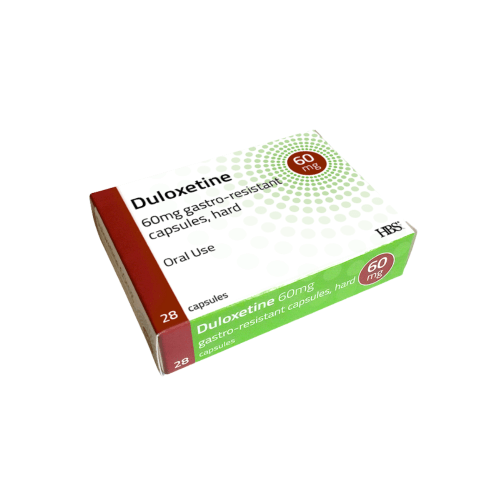
- Duloxetine is an SNRI product page often reviewed for pain and mood-related symptoms.
- Lyrica is a pregabalin product page used for neuropathic pain discussions.
- Amitriptyline is a tricyclic antidepressant sometimes discussed when pain and sleep concerns overlap.
- Gabapentin is another nerve pain medication page that may be relevant for comparison.
- Celebrex may be considered when a clinician is also assessing inflammatory or joint-related pain.
Quick tip: Compare one medication class at a time to keep differences clear.
How to Compare Fibromyalgia Medication Options
People often compare medication for fibromyalgia by matching the main symptom pattern to the product class. Nerve-like burning, tingling, or sensitivity may prompt review of pregabalin or gabapentin-class options. Low mood or anxiety alongside pain may lead to SNRI discussions. Sleep disruption may change how a clinician weighs sedating and non-sedating choices.
Product format also matters. Capsules and tablets may differ in release type, dosing schedule, and tolerability. Some medicines require gradual titration, which means slowly adjusting the dose under medical supervision. Others need extra caution when used with sedatives, alcohol, serotonergic drugs, or medicines that affect alertness.
There is no single best medication for fibromyalgia for every person. A clinician usually considers age, kidney or liver function, fall risk, blood pressure, mood history, and previous medication response. If weight change is a concern, ask about expected monitoring rather than assuming one option is weight-neutral or weight-reducing.
| Browsing factor | Why it helps |
|---|---|
| Main symptom pattern | Helps separate nerve pain, mood symptoms, sleep problems, and joint pain. |
| Medication class | Clarifies whether the product targets pain signaling, mood pathways, or inflammation. |
| Daily routine | Supports practical questions about timing, alertness, and missed-dose planning. |
| Safety cautions | Highlights issues to discuss, such as dizziness, sedation, kidney function, or interactions. |
Diagnosis Questions and Symptom Context
Fibromyalgia diagnosis is clinical. That means a healthcare professional reviews symptoms, history, exam findings, and other possible causes. A fibromyalgia blood test does not confirm the condition by itself. Blood work may help rule out other disorders, such as thyroid disease, anemia, inflammatory arthritis, or autoimmune disease.
Older discussions used fibromyalgia test points, also called tender points. Current clinical assessment usually looks more broadly at widespread pain, fatigue, sleep quality, memory or concentration problems, and symptom duration. Patients may search for a new fibromyalgia test, but no single routine test can replace a full medical assessment.
A complete list of fibromyalgia symptoms can vary by person. Common symptoms include widespread muscle pain, tenderness, fatigue, nonrestorative sleep, headaches, irritable bowel symptoms, and brain fog. Fibromyalgia symptoms in females are reported more often, but the condition can affect people of any sex. Rare fibromyalgia symptoms should be reviewed with a clinician, especially if they are new, progressive, or one-sided.
Authoritative background from the CDC fibromyalgia page explains common symptoms and management themes. The NIAMS fibromyalgia resource also outlines symptoms, risk factors, and diagnostic considerations.
Related Pain, Mood, and Inflammation Categories
Fibromyalgia often overlaps with other conditions that affect pain, sleep, and daily function. Browsing related condition pages can help you separate centralized pain from nerve pain, mood symptoms, or inflammatory joint disease. These pages are useful for orientation, not self-diagnosis.
The Neuropathic Pain category may help when burning, tingling, or electric-like pain is prominent. The Depression and Anxiety categories can support browsing when mood symptoms affect pain coping, sleep, or treatment priorities.
Joint conditions may also complicate symptom tracking. The Rheumatoid Arthritis and Psoriatic Arthritis categories focus on inflammatory disorders, which differ from centralized pain syndromes. For broader product browsing, the Pain and Inflammation and Mental Health product categories group items by clinical area.
Why it matters: Overlapping conditions can change which product pages are most relevant.
Educational Articles for Deeper Reading
Some visitors need product comparisons, while others want background reading before speaking with a clinician. Article resources can explain related mechanisms, pain terminology, and medication topics without replacing medical care. They are best used to prepare questions and organize symptom notes.
Taltz and Nerve Pain discusses biologic therapy in relation to nerve pain topics, though biologics are not standard fibromyalgia treatments. Celebrex Pain Relief Guide focuses on celecoxib, which may be relevant when inflammatory pain is part of the broader discussion. Diabetes and Joint Pain may help readers think through other causes of pain or stiffness.
When using these articles, separate general education from personal treatment decisions. Bring questions about interactions, kidney or liver cautions, pregnancy, mood changes, or fall risk to a licensed healthcare professional. Dispensing and fulfillment, where permitted, are handled by licensed third-party pharmacies.
Using This Collection Safely
This browse page is a starting point for organized comparison. It can help you identify whether a product page, related condition category, or educational article fits your next question. It should not be used to start, stop, or change medicine without professional guidance.
Before reviewing fibromyalgia treatments with a clinician, consider listing your most limiting symptoms, current medicines, allergies, sleep pattern, and previous side effects. Include over-the-counter products and supplements. This information helps a professional assess interactions, sedation risk, mood changes, and whether another condition needs evaluation.
If you are unsure where to begin, start with the product class that matches the symptom area being discussed, then compare related condition pages for overlap. Keep notes concise so your healthcare visit can focus on diagnosis, safety, and realistic treatment goals.
This content is for informational purposes only and is not a substitute for professional medical advice.
Related conditions
All medical conditions →Frequently asked questions
About browsing Fibromyalgia resources on this page.
How is this Fibromyalgia collection organized?
This collection groups condition-relevant product pages, related medical-condition categories, broader product categories, and educational articles. Product pages help you compare specific medicines and formats. Related condition pages help you understand overlap with nerve pain, mood symptoms, or inflammatory joint disease. Articles provide background reading for preparing questions, not instructions for treatment changes.
What should I compare before discussing medication with a clinician?
Compare the main symptom pattern, medicine class, possible sedation, interaction risks, and any kidney or liver cautions noted on product pages. It also helps to write down current prescriptions, over-the-counter products, supplements, allergies, and prior side effects. A clinician can use that information to decide whether a fibromyalgia medication fits your situation.
Is there a test that confirms Fibromyalgia?
Fibromyalgia is usually diagnosed through a clinical review of symptoms, medical history, exam findings, and exclusion of other possible causes. A blood test may help rule out conditions with similar symptoms, but it does not confirm fibromyalgia by itself. Tender point exams may be discussed, but current assessment often looks at broader symptom patterns.
Can over-the-counter medicine treat Fibromyalgia symptoms?
Some people use over-the-counter pain relievers for occasional aches, but they may not address centralized pain, sleep disruption, or nerve-like symptoms. They can also interact with other medicines or be unsafe for certain stomach, kidney, liver, or heart conditions. Ask a healthcare professional what role, if any, these products should play in your plan.
Related articles
View all articles →
Taltz and Fibromyalgia: Evidence, Safety, and Nerve Pain
Taltz (ixekizumab) is approved for several inflammatory diseases, but it is not approved for fibromyalgia or typical neuropathic pain (nerve-related pain) conditions.…
Read more →The contents of CanadianInsulin.com are for informational purposes only and should not be considered medical advice. We do not guarantee the accuracy of the content on CanadianInsulin.com, nor do we assume any responsibility for any actions taken using the information found on our website. Always consult with your family physician or a qualified health care provider about any health or medical concerns.