

Rheumatoid Arthritis Medications and Resources
Browse Rheumatoid Arthritis medication options, related condition pages, and patient resources to compare forms, classes, safety topics, and next steps.

Prices in USD, the lowest price for each product; your dose and quantity set the final price. Struck prices are the US and Canadian comparison prices shown on each product page.
Rheumatoid Arthritis: products, conditions and resources
Rheumatoid Arthritis is a chronic autoimmune condition that can involve joint pain, swelling, stiffness, and fatigue. This condition collection helps patients and caregivers browse medication options, related joint conditions, and educational articles in one place. Use it to compare product forms, treatment classes, device types, and practical safety questions before discussing choices with a clinician.
Items in this collection may include injectable biologics, supportive pain medicines, and condition-linked resources. It does not replace a rheumatoid arthritis diagnosis, a rheumatoid arthritis test, or individualized care planning. It is meant to make browsing clearer, especially when comparing disease-modifying therapies with medicines used for pain or stiffness.
Rheumatoid Arthritis Medication Options in This Collection
The products linked here reflect common categories used around rheumatoid arthritis treatment. Some medicines aim to reduce immune-driven inflammation and protect joint function. Others may help with pain signals or inflammatory discomfort. The right category depends on clinical history, current symptoms, lab monitoring needs, infection risk, and prescriber preference.
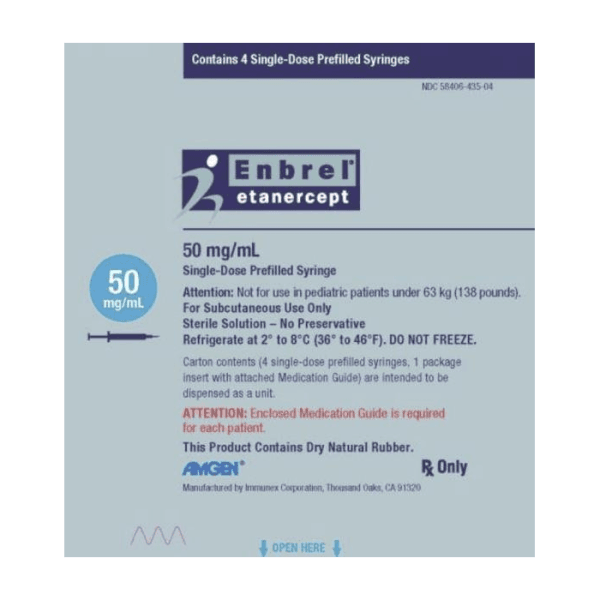
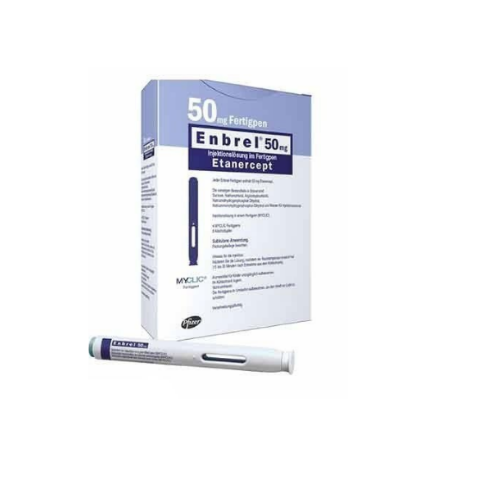
Biologic medicines are often supplied as injections. They target specific immune pathways rather than broadly suppressing inflammation. Examples in this collection include Humira, Enbrel Pre-Filled Syringe, and Enbrel SureClick Auto-Injector. These product pages can help you compare device format, handling details, and product presentation.
Supportive options may appear alongside disease-modifying antirheumatic drugs, also called DMARDs for rheumatoid arthritis. For pain and inflammation discussions, Celebrex is a nonsteroidal anti-inflammatory drug option. Duloxetine may be relevant when chronic pain pathways are part of the broader care discussion. These medicines are not interchangeable with biologics, so compare their role carefully.
Quick tip: Check whether a product page describes a tablet, capsule, syringe, pen, or other form.
How to Compare Forms, Classes, and Monitoring Needs
A rheumatoid arthritis medication list can feel easier to review when you separate treatment goals from product format. First, identify whether the medication is intended as a disease-modifying option, a targeted immune therapy, or supportive pain treatment. Then compare the form, such as oral dosing, a pre-filled syringe, or an auto-injector.
Device choice can affect comfort, storage planning, and training needs. A pre-filled syringe may suit one person, while an auto-injector may feel simpler for another. Infusion therapies, when prescribed, require a clinic-based schedule and different monitoring logistics. Do not switch devices or schedules without prescriber direction.
| Browsing factor | What to compare |
|---|---|
| Medication role | Disease modification, biologic pathway targeting, or symptom support |
| Form | Tablet, capsule, syringe, auto-injector, or clinic-administered infusion |
| Handling | Storage instructions, sharps disposal, and travel planning |
| Monitoring | Blood tests, infection screening, vaccinations, and follow-up timing |
| Safety questions | Drug interactions, pregnancy planning, infection history, and side effects |
Many people also search for the best medicine for rheumatoid arthritis or ask what is the latest treatment for rheumatoid arthritis. Those questions need a clinician’s review because disease activity, prior response, and risk factors matter. This category can help you prepare better questions, but it cannot rank one option as best for every person.
Symptoms, Diagnosis, and Questions to Bring to Care Visits
Rheumatoid arthritis symptoms often include morning stiffness, tender joints, swelling, and reduced hand or wrist function. Some people also report fatigue or symptoms outside the joints. These signs can overlap with other conditions, which is why formal assessment matters.
A rheumatoid arthritis diagnosis may involve a physical exam, imaging, and lab work. Common discussions include the RF test for rheumatoid arthritis, anti-CCP antibodies, inflammation markers, and how rheumatoid arthritis blood test results fit the full clinical picture. A normal or unclear result does not always answer the question alone.
People also ask whether rheumatoid arthritis is curable or how to cure rheumatoid arthritis permanently. Current care usually focuses on controlling inflammation, reducing flares, protecting joints, and maintaining function. Your clinician can explain realistic goals, including remission, low disease activity, and long-term monitoring.
- Ask how early symptoms are distinguished from osteoarthritis or injury.
- Confirm which labs need repeating before or during therapy.
- Review vaccination timing before starting immune-targeted treatment.
- Discuss rheumatoid arthritis medication side effects in plain language.
- Ask when pain medicines are supportive, not disease-modifying.
Related Joint Conditions and Pain Categories
Some inflammatory joint diseases share medication classes, but they are not the same diagnosis. Psoriatic Arthritis resources may help when joint symptoms occur with psoriasis, nail changes, or tendon insertion pain. Ankylosing Spondylitis focuses more on spine and sacroiliac inflammation.
Families comparing pediatric joint conditions can browse Juvenile Idiopathic Arthritis for age-specific context. For wear-and-tear joint pain, Osteoarthritis helps separate degenerative joint disease from autoimmune inflammation. If pain persists across conditions, the Chronic Pain category can support broader symptom-focused browsing.
Why it matters: Similar joint pain can come from different disease pathways.
Educational Articles for Deeper Product and Safety Context
Article resources can help you understand product classes without turning the category into a treatment plan. The Enbrel Etanercept Guide explains a biologic option in more detail. The Celebrex Celecoxib Guide focuses on a pain and inflammation medicine used in several conditions.
Biosimilars may appear in conversations about biologics for rheumatoid arthritis. The article What Are Biosimilar Drugs explains how these medicines relate to reference biologics. For broader joint wellness reading, Bone and Joint Health Tips covers prevention-minded habits and everyday function.
CanadianInsulin.com works as a prescription referral platform. When required, prescription details may be confirmed with the prescriber, while dispensing is handled by licensed third-party pharmacies where permitted. Some patients also compare cash-pay access depending on eligibility and jurisdiction.
Using This Category Safely
Use this collection as a browsing aid, not as a substitute for medical evaluation. Start with the medication role, then compare form, handling, monitoring, and related condition pages. Bring product names, prior reactions, current medicines, and lab questions to your next care visit.
Diet questions are also common, including best foods for rheumatoid arthritis, rheumatoid arthritis diet foods to avoid, or a 7-day meal plan for rheumatoid arthritis. Nutrition choices may support general health, but they do not replace prescribed therapy. A dietitian or clinician can help tailor food choices around other conditions and medications.
This content is for informational purposes only and is not a substitute for professional medical advice.
Related conditions
All medical conditions →Frequently asked questions
About browsing Rheumatoid Arthritis resources on this page.
How should I use this Rheumatoid Arthritis category?
Use it to compare medication types, product forms, and related resources before speaking with a clinician. Start with whether an option is a biologic, supportive pain medicine, or another therapy type. Then review format, monitoring needs, storage notes, and safety questions. The category is for browsing and preparation, not for diagnosing symptoms or choosing a medication on your own.
Are biologics and pain medicines used for the same purpose?
Not usually. Biologics for rheumatoid arthritis are prescribed to target immune pathways involved in inflammation. Pain medicines may help manage discomfort but may not slow joint damage. Some patients use more than one type of therapy under clinical supervision. Product pages and educational articles can help clarify roles, but a prescriber should explain how each medicine fits a care plan.
What should I compare before discussing injections with a clinician?
Compare the device type, storage needs, injection schedule, training requirements, and sharps disposal instructions. Also ask about infection screening, vaccines, lab monitoring, and what to do if a dose is missed. If several injectable products look similar, focus on practical differences and safety questions rather than assuming one is automatically better.
Can this page help with rheumatoid arthritis diagnosis questions?
It can help you organize questions, but it cannot diagnose rheumatoid arthritis. Diagnosis may involve symptoms, a joint exam, imaging, and blood tests such as RF, anti-CCP, and inflammation markers. If symptoms are new, worsening, or confusing, a clinician can interpret test results and rule out other joint conditions.
Related articles
View all articles →
Metformin and Inflammation: Mechanisms, Benefits, and Safety
Metformin may help reduce inflammation indirectly by improving blood sugar, insulin resistance, weight-related metabolic stress, and oxidative stress. Research also suggests some…
Read more →
Ustekinumab vs Adalimumab: Malignancy Risk and Safety
For most people, ustekinumab vs adalimumab does not come down to a clearly safer cancer-risk choice. Both biologics carry malignancy warnings, but…
Read more →
Celebrex: Safety, Uses, Dosage, and Side Effects
Celebrex is a prescription nonsteroidal anti-inflammatory drug (NSAID) used to reduce pain and inflammation in conditions such as arthritis, acute pain, and…
Read more →
Enbrel: Safety, Uses, Injections, and Monitoring Basics
Enbrel is a biologic medicine used to reduce immune-driven inflammation in conditions such as rheumatoid arthritis, psoriatic arthritis, ankylosing spondylitis, plaque psoriasis,…
Read more →The contents of CanadianInsulin.com are for informational purposes only and should not be considered medical advice. We do not guarantee the accuracy of the content on CanadianInsulin.com, nor do we assume any responsibility for any actions taken using the information found on our website. Always consult with your family physician or a qualified health care provider about any health or medical concerns.