

Hypothyroidism Medications and Resources
Browse Hypothyroidism medication options and condition resources for patients and caregivers comparing thyroid products, formats, and clinician follow-up needs.
Prices in USD, the lowest price for each product; your dose and quantity set the final price. Struck prices are the US and Canadian comparison prices shown on each product page.
Hypothyroidism: products, conditions and resources
Hypothyroidism is an underactive thyroid condition that often requires long-term medication review and follow-up testing. This collection helps patients and caregivers compare relevant thyroid medication pages, understand common browsing factors, and prepare questions for a clinician. Use it to narrow options by product type, form, consistency, and related thyroid resources before opening a specific item page.
What This Hypothyroidism Collection Includes
This medical-condition collection focuses on prescription thyroid hormone replacement options and related thyroid content. The main product type shown here is levothyroxine, a synthetic T4 hormone used when the thyroid gland does not make enough hormone. Product pages may describe brand names, tablet details, listed strengths, ingredients, and prescription requirements.
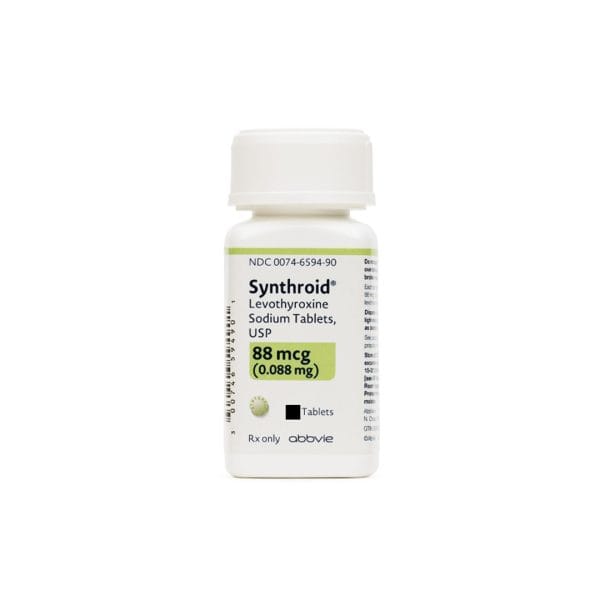
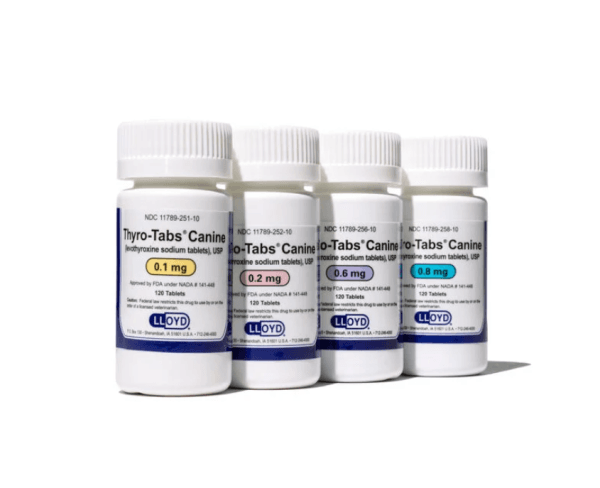
Two representative product pages in this collection are Synthroid and Thyro-Tabs. Both are levothyroxine products, but the product pages may differ in available strengths, packaging details, manufacturer information, and excipients. Review those details carefully if your prescriber has asked you to stay with a consistent product.
Why it matters: Small formulation changes can matter for some people taking thyroid hormone.
Condition Basics That Help With Browsing
An underactive thyroid can slow normal body processes. Common hypothyroidism symptoms include fatigue, cold intolerance, dry skin, constipation, weight changes, and slowed thinking. Some people also report hair changes, menstrual changes, low mood, or muscle aches. These symptoms can overlap with many other conditions, so clinicians usually confirm thyroid status with blood testing.
A common hypothyroidism test is thyroid-stimulating hormone, often called TSH. Clinicians may also review free T4, thyroid antibodies, medications, pregnancy status, prior thyroid surgery, or radiation history. Hypothyroidism diagnosis is not based on symptoms alone. Lab patterns, medical history, and risk factors all help guide next steps.
Hypothyroidism causes can include Hashimoto’s thyroiditis, thyroid surgery, radioactive iodine treatment, some medicines, pituitary disorders, and iodine imbalance. People often search for what causes hypothyroidism in females because the condition is more common in women, especially with autoimmune thyroid disease and life-stage changes. Men can also develop it, and hypothyroidism symptoms in men may include fatigue, cold sensitivity, weight gain, low mood, and sexual health changes.
How to Compare Thyroid Medication Pages
Hypothyroidism treatment commonly involves levothyroxine, but the right product and strength are individualized. Your prescriber may consider age, heart history, pregnancy status, other medicines, and lab results. Product pages help you compare practical details, but they do not replace a treatment plan.
When comparing thyroid medication pages, focus on details that affect daily use and consistency:
- Active ingredient, such as levothyroxine sodium.
- Dosage form, including tablet information where listed.
- Available strengths shown on the product page.
- Inactive ingredients if you have known sensitivities.
- Storage instructions and handling notes.
- Whether the product name matches your prescription.
Many clinicians prefer stable use of the same thyroid product when possible. If a product changes, follow-up lab timing may be discussed. Do not adjust dose, split tablets, or switch products without guidance from the prescriber who manages your thyroid care.
Quick tip: Keep your product name and strength handy when comparing item pages.
Timing, Interactions, and Side Effect Questions
Levothyroxine absorption can be affected by food, coffee, calcium, iron, antacids, and some other medicines. Product labeling and pharmacy instructions may include timing guidance. If your routine includes supplements or morning coffee, ask your clinician or pharmacist how to separate them from thyroid medication.
People also compare levothyroxine side effects and hypothyroidism medication side effects before reviewing products. Too little thyroid hormone may leave symptoms under-treated, while too much may cause signs such as palpitations, shakiness, sweating, trouble sleeping, or bone and heart concerns over time. These symptoms need clinical review because lab values and medical history guide interpretation.
For general disease education, the National Institute of Diabetes and Digestive and Kidney Diseases provides a patient-friendly thyroid overview at NIDDK hypothyroidism information. MedlinePlus also summarizes underactive thyroid and Hashimoto’s disease at MedlinePlus thyroid resources.
Diet and Lifestyle Topics to Place in Context
Diet questions are common, especially around thyroid foods to avoid, thyroid foods to eat and avoid, and iodine intake. A balanced eating pattern can support general health, but food choices do not replace prescribed hormone replacement when it is indicated. Be cautious with rigid lists, detox plans, or a woman thyroid diet chart that promises to correct thyroid levels without medication review.
Some people look for a hypothyroidism diet plan for weight loss, hypothyroidism diet recipes, or hypothyroidism diet and exercise advice. These resources can be useful for meal planning, energy balance, and routine building. They should be interpreted alongside lab monitoring, medication timing, and other health conditions. If weight changes are a major concern, ask about thyroid labs, medication adherence, sleep, activity, and other possible causes.
Can hypothyroidism be cured? The answer depends on the cause. Some temporary thyroid changes improve, while autoimmune or post-surgical hypothyroidism often needs ongoing medication. A clinician can explain whether your situation is likely temporary or long term.
Related Thyroid Resources
Thyroid conditions can overlap in symptoms, testing, and follow-up needs. If your browsing relates to cancer treatment, thyroid removal, or hormone replacement after surgery, the Thyroid Cancer condition collection may help you compare related product and care considerations. It is separate from routine underactive thyroid browsing, but some medication questions can connect after thyroid procedures.
This collection is meant to help you move from condition-level questions to specific product review. Start with the medication pages that match your prescription, then compare form, strength, ingredients, and storage notes. If details do not match your current plan, confirm with your prescriber or pharmacist before making any change.
CanadianInsulin.com is a prescription referral platform. Where required, prescription details may be confirmed with the prescriber, and dispensing is handled by licensed third-party pharmacies where permitted.
This content is for informational purposes only and is not a substitute for professional medical advice.
Related conditions
All medical conditions →Frequently asked questions
About browsing Hypothyroidism resources on this page.
What warning signs should prompt a thyroid discussion with a clinician?
Common warning signs include persistent fatigue, cold intolerance, constipation, dry skin, slowed thinking, weight changes, hair changes, and menstrual changes. These symptoms can have many causes, so a clinician usually reviews history and orders thyroid blood tests before confirming hypothyroidism. Seek prompt medical guidance for severe symptoms, pregnancy-related concerns, heart symptoms, or sudden changes in health.
How should I compare hypothyroidism medication pages?
Compare the active ingredient, brand or generic name, dosage form, listed strengths, inactive ingredients, and storage information. Also check whether the product name matches your prescription. Thyroid medicines often require consistent use and lab monitoring, so product switches should be discussed with the prescriber managing your thyroid care.
Is levothyroxine the best medicine for hypothyroidism?
Levothyroxine is commonly used for hypothyroidism treatment because it replaces T4 thyroid hormone. Whether it is the best option for a specific person depends on lab results, symptoms, medical history, pregnancy status, other medicines, and prescriber judgment. Some cases need specialist input, especially when symptoms persist despite monitored treatment.
Can diet replace hypothyroidism medication?
Diet can support general health, weight management, and medication routines, but it does not replace prescribed thyroid hormone when replacement is medically needed. Food, coffee, calcium, iron, and some medicines may affect levothyroxine absorption. Ask a clinician or pharmacist how to time meals, supplements, and medication for your situation.
Related articles
View all articles →
Diabetes and Endocrine System: Hormones, Glands, and Care
Diabetes and endocrine system function are closely linked because diabetes begins with hormone regulation. The pancreas, brain, liver, gut, thyroid, and adrenal…
Read more →
Burning Feet: Causes, Diagnosis, and Practical Relief
Burning feet are usually a symptom, not a diagnosis. The feeling may come from nerve irritation, skin inflammation, circulation problems, vitamin deficiency,…
Read more →
Saxenda vs Victoza: Differences That Affect Treatment
Saxenda and Victoza are not the same treatment, even though both contain liraglutide. The main saxenda vs victoza difference is the approved…
Read more →
Metformin and Weight Loss: Results, Timing, and Safety
Metformin and weight loss are linked, but the effect is usually modest and gradual. Metformin may reduce appetite, improve insulin sensitivity, and…
Read more →The contents of CanadianInsulin.com are for informational purposes only and should not be considered medical advice. We do not guarantee the accuracy of the content on CanadianInsulin.com, nor do we assume any responsibility for any actions taken using the information found on our website. Always consult with your family physician or a qualified health care provider about any health or medical concerns.