

Unstable Angina Medications and Resources
Browse Unstable Angina medications, related heart condition pages, and patient education resources to compare classes, uses, and safety questions.
Prices in USD, the lowest price for each product; your dose and quantity set the final price. Struck prices are the US and Canadian comparison prices shown on each product page.
Unstable Angina: products, conditions and resources
Unstable Angina is a condition-focused browse page for medications and resources related to sudden or worsening chest pain from reduced coronary blood flow. It helps patients, caregivers, and shoppers compare relevant product pages, related heart conditions, and educational articles before discussing care with a clinician. Use this collection to narrow by medication class, treatment setting, and safety questions.
This page does not diagnose chest pain or replace urgent care. New chest pain at rest, chest pressure with sweating, shortness of breath, fainting, or symptoms that feel different from usual need prompt medical assessment.
What This Unstable Angina Category Contains
The unstable angina definition usually describes chest discomfort caused by reduced blood flow to the heart, without blood-test evidence of heart muscle injury. Clinicians often group it with non-ST-elevation acute coronary syndromes. The condition can overlap with a heart attack workup, so evaluation often includes serial electrocardiograms and troponin blood tests.
This collection focuses on product pages and resources that may appear in care pathways. You can browse antiplatelet therapy, anticoagulant options, and medicines that reduce heart workload or help control blood pressure. Product pages may show forms, strengths, and key handling details. Final treatment choices depend on clinical assessment, bleeding risk, kidney function, and hospital protocols.
- Antiplatelet medicines: These help reduce platelet clumping, which can contribute to clot growth.
- Anticoagulants: These may be used in monitored settings to reduce clot propagation.
- Beta-blockers: These can lower heart rate and oxygen demand when appropriate.
- Calcium channel blockers: These may help selected patients when other options are unsuitable.
- Related resources: Condition pages and articles help explain terms, comparisons, and safety questions.
How to Compare Medication Options
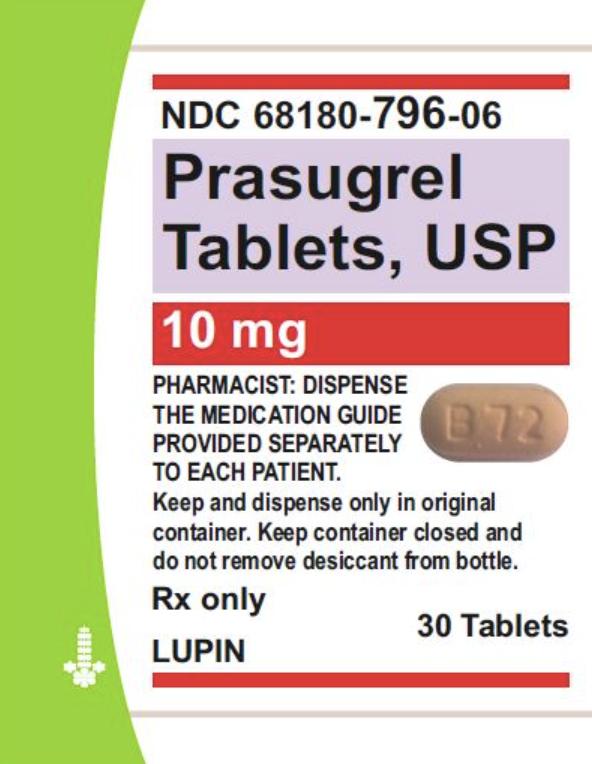
Medication browsing works best when you start with the drug class. For antiplatelet examples, Prasugrel is a P2Y12 inhibitor used in selected coronary care plans. The article Prasugrel 10 mg Uses can help you review common safety topics before reading a product page.
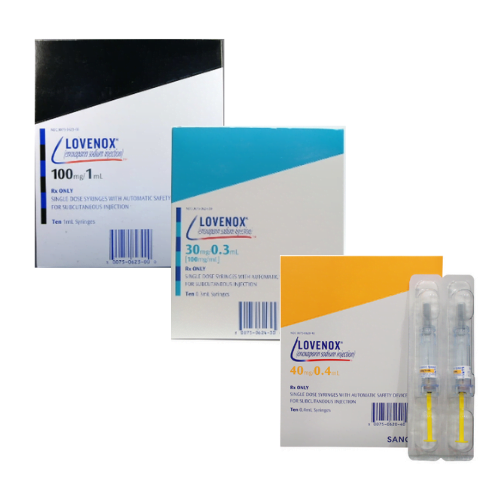
Anticoagulants serve a different role. Lovenox Injections contains enoxaparin, a low molecular weight heparin used in certain acute care pathways. Kidney function, procedure timing, and bleeding history can affect whether this class fits a plan. Do not adjust, combine, or stop blood thinners without prescriber guidance.
Some listings support symptom control or risk-factor management after the acute workup. Atenolol and Metoprolol are beta-blockers, while Norvasc is a calcium channel blocker. These pages help compare formats and product details, but the right choice depends on heart rate, blood pressure, other diagnoses, and current prescriptions.
Quick tip: Keep a current medication list nearby when comparing product pages.
Symptoms, Diagnosis Terms, and Warning Context
People often browse this page after searching for unstable angina symptoms. Typical descriptions include chest pressure, tightness, heaviness, or pain that starts at rest, becomes more frequent, lasts longer, or feels more intense than prior episodes. Some people report shortness of breath, nausea, sweating, fatigue, back discomfort, jaw pain, or upper abdominal discomfort.
Unstable angina symptoms in females can be less classic, and symptoms may also differ in older adults or people with diabetes. That makes self-triage risky. The phrase stable vs unstable angina symptoms often compares predictable exertional chest pain with new, rest-related, or worsening symptoms. A clinician uses the full history, examination, unstable angina ecg findings, and troponin results to decide next steps.
Unstable angina diagnosis criteria generally involve ischemic symptoms without biomarker evidence of heart muscle death. By contrast, unstable angina vs nstemi usually turns on troponin results, while unstable angina vs nstemi vs stemi also considers ECG patterns and artery blockage patterns. These distinctions guide monitoring and treatment intensity, not self-treatment at home.
Treatment Pathways and Safety Questions
Unstable angina treatment may include medicines that reduce clot risk, relieve ischemic chest discomfort, and manage blood pressure or heart workload. In many care settings, clinicians follow unstable angina treatment guidelines while tailoring decisions to bleeding risk, kidney function, planned angiography, age, and other conditions. The same medication class may be used differently in emergency, inpatient, and outpatient settings.
When comparing pages, note whether a medicine affects clotting, heart rate, blood pressure, or blood vessel tone. Also check whether the product is oral or injectable, whether monitoring may be required, and whether it overlaps with a current prescription. CanadianInsulin.com operates as a prescription referral platform, and prescription details may be confirmed with the prescriber where required.
- Ask which medicines are temporary and which are intended for longer-term prevention.
- Confirm whether aspirin, P2Y12 inhibitors, or anticoagulants should be used together.
- Review bleeding warning signs and when urgent care is needed.
- Check whether kidney disease, liver disease, ulcers, or prior stroke changes medication choice.
- Clarify follow-up plans after angiography, stress testing, or discharge.
Why it matters: Similar-looking heart medicines can have very different safety considerations.
Related Heart Conditions and Reading Paths
Several related pages can help you place this condition in a broader cardiovascular context. The Angina condition page covers chest pain patterns more broadly. Coronary Artery Disease connects plaque buildup with reduced blood flow, while Heart Attack helps distinguish infarction-focused resources from unstable chest pain workups.
Risk-factor pages may also support browsing after the acute episode. Hypertension is relevant because blood pressure control often forms part of long-term cardiovascular care. If rhythm symptoms are part of the history, Arrhythmia resources may help you organize questions about palpitations, irregular heartbeat, or monitoring.
Article pages can add plain-language detail without replacing clinical advice. The Cardiovascular Articles archive groups heart and blood vessel topics. For antiplatelet comparisons, Ticagrelor 90 mg explains another P2Y12 inhibitor in patient-friendly language. For blood pressure therapy, Atenolol and Hypertension may help frame questions about beta-blockers.
Practical Browsing Notes Before You Continue
Unstable Angina can be serious because it may signal an active coronary problem. It is not the same as predictable exertional angina, and it can precede myocardial infarction in some cases. Questions about unstable angina prognosis, unstable angina complications, or unstable angina life expectancy depend on test results, coronary anatomy, treatment response, and long-term risk control.
Lifestyle topics also matter, but they should not delay urgent evaluation. People often ask about foods to avoid with angina or whether exercise can cure angina. Diet, activity, smoking cessation, diabetes care, and cholesterol management can support cardiovascular health, yet exercise plans should be cleared by a clinician after an unstable presentation.
As you browse, use product pages for medication-specific details and condition pages for related navigation. Dispensing and fulfilment are handled by licensed third-party pharmacies where permitted, and some patients review cash-pay options depending on eligibility and jurisdiction. Keep the focus on understanding categories, preparing questions, and confirming any care plan with qualified professionals.
This content is for informational purposes only and is not a substitute for professional medical advice.
Related conditions
All medical conditions →Frequently asked questions
About browsing Unstable Angina resources on this page.
How are products on this Unstable Angina page organized?
Products and resources are grouped around medication roles and related cardiovascular topics. You may see antiplatelet medicines, anticoagulants, beta-blockers, calcium channel blockers, condition pages, and educational articles. The layout is meant to help you compare classes and open the most relevant product or resource page. It is not a treatment plan, and it should not be used to choose or change medication without clinical guidance.
Is unstable angina a heart attack?
Unstable angina is not usually defined as a heart attack because troponin tests do not show heart muscle injury. However, it is often evaluated alongside heart attack conditions because symptoms can overlap and risk can be high. Clinicians use symptoms, ECG results, serial troponin testing, and other findings to separate unstable angina from NSTEMI or STEMI. New or worsening chest pain needs urgent medical assessment.
What should I compare before opening a medication page?
Start with the medication class, such as antiplatelet, anticoagulant, beta-blocker, or calcium channel blocker. Then check form, strength, prescription requirements, storage basics, and warnings listed on the product page. Also consider your current medication list, kidney function, bleeding history, allergies, and planned procedures. These factors help you prepare better questions for a prescriber or pharmacist.
What is the main cause of unstable angina?
A common cause is reduced blood flow through a coronary artery, often related to plaque disruption and clot formation. Other factors can also worsen oxygen supply and demand, including severe high blood pressure, fast heart rhythm, anemia, or other acute illness. Because the cause cannot be confirmed by symptoms alone, clinicians use testing and risk assessment to decide the safest next steps.
Related articles
View all articles →
Atenolol: Safe Use, Side Effects, and Monitoring
Atenolol is a beta blocker used to lower high blood pressure, reduce angina symptoms, and slow the heart rate in selected rhythm…
Read more →
Ticagrelor 90 mg: Safety, Dosing, and Clot Prevention
Ticagrelor 90 mg is an oral antiplatelet medicine used to lower the risk of clot-related heart and stroke events in selected adults,…
Read more →
Prasugrel 10 mg: Uses, Bleeding Risks, and Dose Basics
Prasugrel 10 mg uses mainly relate to preventing dangerous blood clots after certain heart problems, especially after a heart attack or a…
Read more →The contents of CanadianInsulin.com are for informational purposes only and should not be considered medical advice. We do not guarantee the accuracy of the content on CanadianInsulin.com, nor do we assume any responsibility for any actions taken using the information found on our website. Always consult with your family physician or a qualified health care provider about any health or medical concerns.