

Brain & Nerves
Neurology Products and Related Care Options
Browse Neurology products and related resources for patients and caregivers comparing nerve, brain, diabetes-linked symptom, and care-option information.
Explore optionsChoose your medication
Every product in this category, in the order patients choose them most. Open a product to see every strength, quantity price and the prescription details.




Prices in USD, the lowest price for each product; your dose and quantity set the final price.
Shipping, shown before you pay

Express Shipping, 3-5 days
$39.99 USD cold-packedCold-packed products must ship Express, in medical-grade, temperature-controlled packaging. Dry-packed products ship Express for $29.99. A $50.00 surcharge may apply to cold-packed orders of less than 3 units.

Standard Shipping, 5-10 days
$19.99 USD dry-packedFor dry-packed products only; not available for cold-packed products. Shipping to Hawaii, Alaska and Puerto Rico may need additional charges. A $35.00 surcharge may apply to orders of $300.00 or less. See our shipping policy
Compare the most ordered
Active ingredient, comparison prices and starting price for the products patients order most in this category. Your prescriber decides what is right for you.
| Product | Active ingredient | US / Canadian comparison | Starting price (USD) |
|---|---|---|---|
| Lyrica | Pregabalin | CA |
From $96.89 You save |
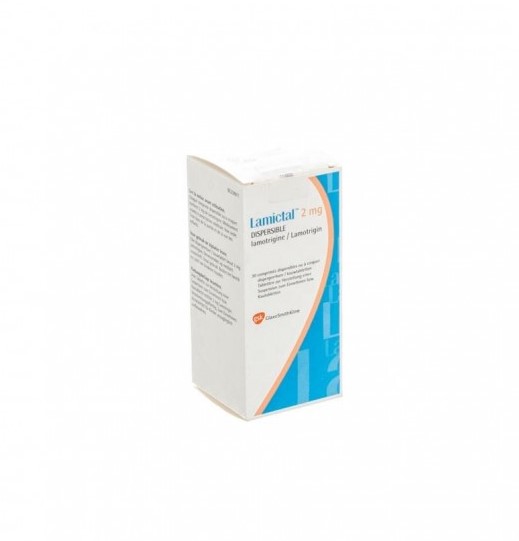
| Lamictal (Chewable) | Lamotrigine |
From $29.44 You save | |
| Lamictal | Lamotrigine | US |
From $75.99 You save |
| Nimotop | Nimodipine |
From $1,026.94 You save | |
| Levetiracetam | Levetiracetam |
From $49.39 You save | |
Comparison prices as shown on each product page.
We stand behind our prices
We work hard to offer the very best available price. If you find a lower price on the same product, we will match it.
Learn how →Tiered pricingNew tiered pricing is here
Buy more and save more on the medications you trust: save 7% per pack when you buy 2, and 14% per pack when you buy 3 or more.
See tiered pricing →Read the full Brain & Nerves guide
Neurology products on this page are organized for patients and caregivers who want a clearer way to browse nervous-system related care options. Use this product collection to compare item pages, adjacent diabetes categories, and education links that may help you prepare better questions for a clinician. The page is not a diagnosis tool; it is a starting point for sorting choices and reading related material.Browse Neurology Products by Related NeedNeurology covers concerns involving the brain, spinal cord, nerves, and muscles. In a product category, that broad scope usually appears through medications, supplies, and related pages that connect to symptoms or risk factors. The listings may be most useful when a nervous-system concern overlaps with diabetes, endocrine health, weight management, or blood sugar changes.The strongest browsing paths here are practical rather than diagnostic. Product pages can help you review names, forms, and item details. Related condition and article pages can help you understand terms like neuropathy (nerve damage), hypoglycemia (low blood sugar), and seizure symptoms before discussing them with a clinician.Browsing areaWhat to compareProduct detailsCheck the listed name, form, device, strength, and any prescription notes before comparing options.Clinical fitMatch listings to the diagnosis and care plan already discussed with your clinician.Support resourcesUse related articles when you need definitions, safety questions, or symptom context.How to Compare Listings Without Guessing at TreatmentDo not use a product category to choose neurology medications by symptom alone. Product names, medication classes, and formats only make sense when they are connected to a confirmed diagnosis, current medications, allergies, and clinician instructions. Use Neurology products as a sorting label, then review each item page with your prescription details in mind.Compare the product name and active ingredient when both are listed.Check whether the page describes a medicine, device, supply, or nutrition product.Review any listed form, strength, or device details without changing your dose.Look for related condition pages when symptoms overlap across body systems.Write down questions for your prescriber before switching products or routines.Quick tip: Keep your diagnosis, medication list, and prescriber notes nearby while comparing listings.Nerve, Brain, and Diabetes-Linked ResourcesSeveral related resources focus on diabetes complications that can involve nerves, sensation, or brain function. When the browsing question involves tingling, burning, numbness, or pain, Diabetic Neuropathy Diagnosis and Treatment gives a structured starting point. Diabetic Neuropathy Overview can help separate basic definitions from product-specific browsing. These pages should not replace a neurological exam, but they can make product and category labels easier to interpret.Blood sugar changes can also raise practical questions about headache, confusion, seizures, or concentration. Diabetic Seizures Symptoms and Causes covers a serious symptom pattern that needs clinical review. Blood Sugar and Brain Function can help readers frame questions about glucose swings and cognitive symptoms. Sudden, severe, or changing symptoms are not suited to category browsing alone.Access Details to Confirm Before Choosing a ListingCanadianInsulin.com functions as a prescription referral platform, so prescription requirements may shape which listings are relevant. Where required, prescription details may be confirmed with the prescriber before an eligible item is dispensed. This matters for neurology-related browsing because many symptoms can involve more than one condition, medication class, or specialist.Before moving from category browsing to a specific item page, confirm the basics. Check the product name, form, storage notes if shown, and whether the listing aligns with your current prescription. If your clinician has not discussed a product or class with you, use the page to prepare questions rather than to make a change.Why it matters: Nerve symptoms can overlap across conditions, so labels alone rarely answer the main question.Related Categories for Wider BrowsingMetabolic categories can be useful when nerve or brain symptoms are part of a broader diabetes picture. Start with Diabetes Medications when you need a broader medication list. Narrow to Non-Insulin Diabetes Medications or DPP-4 Inhibitors when class-level comparison matters. For low blood sugar preparedness, Hypoglycemia Aids groups related support products. Endocrine Thyroid Products may also be relevant when symptoms overlap with hormone-related concerns.Use This Collection as a Careful Starting PointNeurology products can help you sort product pages and related resources, but they cannot explain the cause of symptoms on their own. Use the collection to compare item details, move into diabetes-linked nerve resources when relevant, and prepare clearer questions for your prescriber or specialist. A neurologist can evaluate symptoms, test results, and treatment fit in a way a category page cannot.This content is for informational purposes only and is not a substitute for professional medical advice.
This content is for informational purposes only and is not a substitute for professional medical advice.
What customers say once the box arrives
- Verified buyers only
- Collected independently by Stamped
- Every review stays visible
Reviews from verified buyers, collected by Stamped; spelling corrected only. Each describes one customer's own experience and is not medical advice. Individual results vary.
 Model
Model4.8/5 from 2K+ verified reviews
I choose to fill my prescription through Canadian Insulin because of the tremendous savings. The customer service at Canadian Insulin is the best!…Read the full review
 Model
Model4.8/5 from 2K+ verified reviews
An online order that felt personalized because of its consistent and efficient communication.Read the full review
 Model
Model4.8/5 from 2K+ verified reviews
Received quick and sincere responses. Life happens but people who care let you know they are working for you. Sincere Thank youRead the full review
 Model
Model4.8/5 from 2K+ verified reviews
Never a glitch after placing many orders. Thanks everyone for being so responsive!Read the full review
 Model
Model4.8/5 from 2K+ verified reviews
Ozempic has been a life saver for me. Although I slowed down on losing quickly, I am still maintaining and losing around 5 lbs a month which works for me. Canadian Insulin is the perfect company to deal with: very honest and friendly.Read the full review
Browse more categories





Related articles
View all articles →
Weight Loss and Calories Calculator: Safe Planning Basics
A weight loss and calories calculator estimates daily calories for maintenance and planned weight change by using your age, sex, height, weight,…
Read more →
Humulin N Dosage Chart: Safe Use and Adjustment Factors
A Humulin N dosage chart can help you organize a prescribed insulin plan, but it should not decide your dose. Humulin N…
Read more →
Humalog KwikPen Generic Options and Insulin Lispro Safety
A Humalog KwikPen generic search usually comes down to one key point: Humalog KwikPen contains insulin lispro, but insulin copies are not…
Read more →
Fiasp Cartridge Safety, Compatibility, and Mealtime Use
A Fiasp cartridge is a replaceable cartridge form of Fiasp, a faster-acting insulin aspart used around meals when prescribed for diabetes. It…
Read more →Speak to us
Our customer service team are highly experienced and friendly. Get in touch today.
How should I compare items in this Neurology category?
Compare each item by active ingredient, listed form, device or supply type, prescription status, and the condition context shown on the page. A category page can help you sort possibilities, but it cannot choose a treatment for you. If a listing seems relevant, match it against your diagnosis, current medications, allergies, and prescriber instructions before relying on it.
What exactly does a neurologist do?
A neurologist is a doctor who evaluates conditions affecting the brain, spinal cord, nerves, and muscles. They may review symptoms, perform a neurological exam, request tests, explain possible diagnoses, and coordinate care with other clinicians. A product category can support browsing, but a neurologist doctor interprets symptoms and recommends individualized treatment when needed.
Why would I be referred to a neurologist?
A referral may happen when symptoms suggest a brain, nerve, spinal cord, or muscle concern. Examples can include persistent numbness, weakness, seizures, severe headaches, balance issues, or unexplained nerve pain. Referral reasons vary by person and medical history. The category can help you review related products and resources, but the referral itself should be explained by the clinician managing your care.
Can product listings explain neurological disorders symptoms?
No. Product listings can show names, forms, classes, and related item details, but they cannot diagnose neurological disorders symptoms. Many symptoms overlap across common neurological disorders, diabetes complications, endocrine problems, and medication effects. Use listings for browsing and comparison only. A clinician can assess symptom timing, severity, exam findings, and test results before discussing treatment options.

Speak to our team
 Call toll free1-844-560-7790
 Emailservice@canadianinsulin.com
Monday to Friday 7am – 11pm EST
Saturday 7am to 7pm EST
Sunday 8am – 5pm EST