
Please note: a valid prescription is required for all prescription medication.
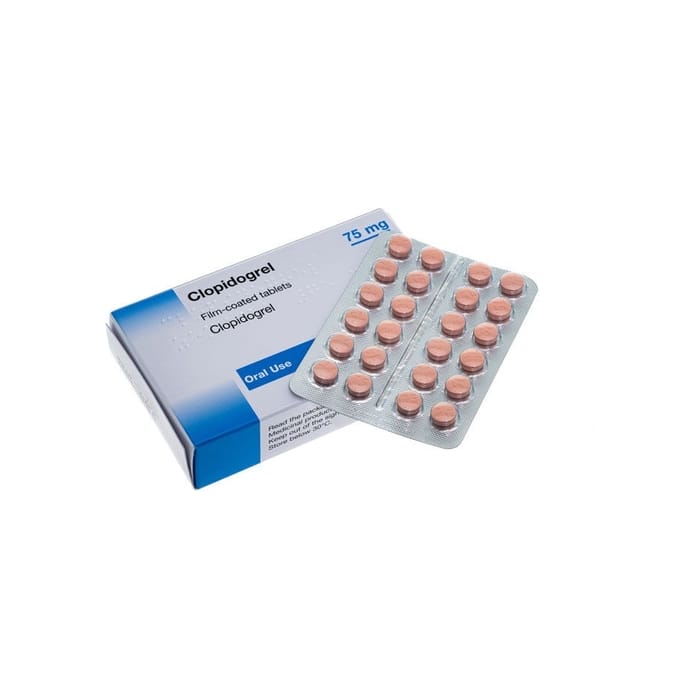
Clopidogrel
Clopidogrel: Buy With Prescription and Safety Basics
Price:
Price range: $27.99 through $271.99
You save


Clopidogrel is a prescription antiplatelet medicine used to help reduce the risk of clot-related events in selected patients. People researching clopidogrel 75 mg price often also want clear basics on how the medicine works and how to take it safely. This page summarizes typical uses, dosing patterns, interaction risks, storage, and practical access considerations to review with a clinician.
What Clopidogrel Is and How It Works
Clopidogrel belongs to a class called P2Y12 inhibitors, also described as antiplatelet drugs (medicines that reduce platelet clumping). It is commonly used in people with atherosclerotic cardiovascular disease, where platelet activation can contribute to thrombosis (blood clots). CanadianInsulin operates as a prescription-referral service and may verify prescription details with the prescriber. Some patients explore Ships from Canada to US arrangements for ongoing prescriptions, depending on eligibility and jurisdiction.
This medicine is a prodrug, meaning it must be activated in the liver before it works. Once active, it reduces platelet aggregation for the life of the platelet, so its effects can last for several days after the last dose. Clopidogrel is sometimes described as a “blood thinner,” but it does not thin blood in the same way as anticoagulants (such as warfarin); it targets platelets instead. Because stopping antiplatelet therapy can raise clotting risk for some people, changes should be coordinated with the prescribing clinician, especially after stent placement or a recent acute event.
Who It’s For
Clopidogrel is prescribed for adults when an antiplatelet is indicated to lower the risk of future clot-related events. Common situations include a history of heart attack, ischemic stroke (stroke caused by a blocked artery), or peripheral artery disease. For condition context and related therapy categories, you can browse the Heart Attack, Ischemic Stroke, and Peripheral Artery Disease hubs.
This medication is not appropriate for everyone. It is generally avoided in people with active pathological bleeding (such as an active gastrointestinal bleed) or a history of hypersensitivity to clopidogrel. Clinicians also weigh risks carefully in patients with bleeding disorders, recent major surgery or trauma, significant liver disease, or a history of intracranial hemorrhage. In urgent-care settings, the team may review current antiplatelet use because it can affect procedural bleeding risk. The right choice depends on the indication and the patient’s overall risk profile.
Dosage and Usage
Clopidogrel is taken by mouth as directed on the prescription label. For many long-term indications, it is prescribed once daily, and it may be used alone or together with aspirin for certain cardiac conditions. In specific acute coronary syndromes or around percutaneous coronary intervention (PCI), a clinician may prescribe a one-time loading dose followed by maintenance dosing. The exact schedule varies by diagnosis and is not the same for every patient.
Try to take the tablet at the same time each day to support adherence. If a dose is missed, follow the instructions provided by the prescriber or pharmacist rather than doubling up. Swallow tablets whole unless your pharmacist confirms an acceptable alternative. When comparing clopidogrel 75 mg price information across sources, confirm you are looking at the same tablet strength and the same day-supply, since those details can change how listings look.
Strengths and Forms
Clopidogrel is typically supplied as oral tablets. Depending on the jurisdiction and manufacturer, tablets may differ in appearance, imprint, and packaging. Many patients receive a generic version, while some may use the brand Plavix when prescribed or when coverage rules apply. Availability can vary over time, and substitutions are generally handled at the pharmacy level when allowed, using standard equivalence rules.
For safety, the most important details to match are the drug name, strength, and dosing directions on the label. If tablets look different after a refill, confirm the imprint and paperwork before taking a dose, and ask a pharmacist to verify the product. People reviewing clopidogrel 75 mg price listings should also ensure the listing reflects tablets (not a different strength or a different medicine with a similar name).
Storage and Travel Basics
Store clopidogrel at controlled room temperature per the product label, protected from excess moisture and heat. Keep tablets in the original container when possible, and close the cap tightly. Avoid storing the bottle in a bathroom medicine cabinet if the area gets humid. Keep all medications out of reach of children and pets, and do not use tablets that are past the labeled expiration date.
Quick tip: When traveling, carry a labeled container and an up-to-date medication list.
For trips, it helps to plan for time-zone changes without changing your total daily dose unless a clinician instructs otherwise. If you use a weekly pill organizer, consider keeping the original labeled bottle as a backup for identification. If you are tracking clopidogrel 75 mg price for budgeting purposes, separate the financial research from daily handling steps so storage and adherence remain consistent.
Side Effects and Safety
The most common risks with clopidogrel relate to bleeding, because platelets are part of normal clot formation. Some people notice easier bruising, nosebleeds, or bleeding gums. Gastrointestinal effects such as stomach upset, diarrhea, or abdominal discomfort can occur. A mild rash has also been reported. Many side effects are manageable, but any unexpected or persistent symptom should be reviewed with a clinician, especially if it affects daily function.
More serious problems are less common but require urgent evaluation. Seek immediate care for signs of major bleeding, such as black or tarry stools, vomiting blood, coughing blood, sudden severe headache, weakness on one side, or fainting. Rarely, clopidogrel has been associated with thrombotic thrombocytopenic purpura (TTP), a serious condition involving low platelets and small-vessel clots; symptoms can include fever, confusion, unusual bruising, or dark urine. Why it matters: Early assessment can reduce harm when severe bleeding or neurologic symptoms occur.
Drug Interactions and Cautions
Clopidogrel can interact with other medicines that increase bleeding risk. Examples include anticoagulants, other antiplatelet drugs, nonsteroidal anti-inflammatory drugs (NSAIDs), and some antidepressants (such as SSRIs/SNRIs). Some acid-reducing drugs can reduce clopidogrel activation by inhibiting CYP2C19; clinicians often review proton pump inhibitor choices when both are needed. Alcohol can also increase gastrointestinal irritation, which may compound bleeding risk for some people.
Tell your care team about all prescription drugs, over-the-counter products, and supplements you take, including fish oil, ginkgo, or high-dose vitamin E. If you live with diabetes alongside cardiovascular disease, coordinating medication changes across conditions matters; the Diabetic Ketoacidosis guide explains one acute complication clinicians may screen for in diabetes care. When comparing clopidogrel 75 mg price across sources, keep in mind that interaction screening and clinical review are part of safe ongoing therapy, regardless of where a medication is obtained.
Compare With Alternatives
Clopidogrel is one option within antiplatelet therapy, and alternatives may be considered based on diagnosis, bleeding risk, kidney or liver function, and other medications. Aspirin is a different antiplatelet with its own benefits and risks, and it is sometimes used together with a P2Y12 inhibitor for a defined period in certain heart conditions. Other P2Y12 inhibitors (such as ticagrelor or prasugrel) may be chosen in specific clinical scenarios, but they are not interchangeable without prescriber oversight. When people compare clopidogrel 75 mg price to other therapies, the safest comparison starts with the indication and the prescriber’s plan.
Managing other long-term medicines
Some patients taking antiplatelet therapy also manage chronic lung disease, and medication routines can overlap. If you are organizing a broader medication list, you may see inhaled therapies listed separately from heart medicines because they treat different conditions and have different handling needs. For examples of inhaled maintenance and rescue therapies, see Symbicort Inhaler and Ventolin HFA Inhaler. Keeping an updated list of all medicines, including dose and frequency, helps clinicians evaluate interaction risks and bleeding precautions in context.
Pricing and Access
Access to clopidogrel depends on prescription requirements, local regulations, and the supply channel used. Coverage rules can vary by plan and may differ for generic clopidogrel versus brand Plavix. Quantity dispensed, pharmacy dispensing policies, and state or provincial rules can also affect what is provided. For broader browsing of related therapy areas, the Cardiovascular Products hub and Cardiovascular Articles hub can help you compare categories and learn key terms.
Dispensing is completed by licensed third-party pharmacies where permitted. Documentation checks may include confirming the prescriber, directions, and patient identifiers, and some people explore cross-border fulfilment when eligible under applicable rules. If you are reviewing clopidogrel 75 mg price, make sure comparisons reflect the same strength and day-supply, and note whether you are evaluating coverage rules or a cash-pay scenario. People looking up options without insurance may want to ask a pharmacist which product version is being quoted and whether a therapeutic substitution is permitted. For general program context (when available), see Patient Programs.
Authoritative Sources
For prescribing information and safety details, consult the official drug label on: DailyMed.
For consumer-friendly medication guidance, review: MedlinePlus Clopidogrel.
Where distribution is permitted, prompt, express, cold-chain shipping may be used when handling requires it.
This content is for informational purposes only and is not a substitute for professional medical advice.
Express Shipping - from $25.00
Shipping with this method takes 3-5 days
Prices:
- Dry-Packed Products $25.00
- Cold-Packed Products $35.00
Standard Shipping - $15.00
Shipping with this method takes 5-10 days
Prices:
- Dry-Packed Products $15.00
- Not available for Cold-Packed products
What is clopidogrel used for?
Clopidogrel is an antiplatelet medication used in adults to help reduce the risk of blood-clot–related events in certain settings, such as after a heart attack, an ischemic stroke, or with peripheral artery disease. It may also be used with other therapies in selected cardiac conditions, depending on the prescriber’s plan. Because the right antiplatelet strategy depends on the reason it was started and a person’s bleeding risk, it’s important to follow the exact directions on the prescription label.
How quickly does clopidogrel start working and how long does it last?
Clopidogrel needs to be converted to an active form in the body before it can reduce platelet activity. After dosing, antiplatelet effects build as more platelets are affected. Its action is irreversible for each platelet, so the overall effect can persist for several days after the last dose while the body makes new platelets. This is one reason clinicians ask about clopidogrel use before procedures or surgeries. Do not stop or restart it without clinical guidance.
What signs of bleeding should I watch for while taking clopidogrel?
Mild bruising or small nosebleeds can happen, but certain symptoms need urgent evaluation. Seek immediate care for black or tarry stools, vomiting blood, coughing blood, sudden severe headache, fainting, new weakness or numbness, or unusual heavy bleeding that won’t stop. Also report frequent unexplained bruises or pinpoint red spots on the skin. If you are scheduled for a dental procedure or surgery, tell the clinician you take clopidogrel so bleeding risk can be managed safely.
What should I do if I miss a dose of clopidogrel?
Follow the instructions provided by your prescriber or pharmacist, since guidance can depend on the reason you take clopidogrel and your dosing schedule. In general, do not take extra tablets to “catch up” unless you are specifically instructed to do so. If you are not sure what to do, contact a pharmacist or clinic for clarification. Keeping a consistent routine (same time each day) and using reminders can reduce missed doses.
Can I take clopidogrel with omeprazole or other heartburn medicines?
Some acid-reducing medicines can interfere with clopidogrel activation in the body, which may reduce its antiplatelet effect. Proton pump inhibitors (PPIs) are the most discussed group, and the interaction risk can vary by specific product. Do not stop your stomach medicine on your own; untreated reflux or ulcer disease also carries risk. Instead, ask your clinician or pharmacist to review your full medication list and recommend a safer option when needed.
Do I need lab tests or monitoring while taking clopidogrel?
Routine lab monitoring is not the same as with certain anticoagulants, but clinicians may still check blood counts if symptoms suggest bleeding or anemia (low red blood cells). Monitoring is often symptom-driven: unusual bruising, prolonged bleeding, weakness, dizziness, or black stools should be reported. In selected cases, a clinician may consider testing for factors that reduce clopidogrel activation (such as CYP2C19-related issues), especially if treatment goals are not being met.
What should I ask my clinician before starting clopidogrel?
Useful questions include: why clopidogrel was chosen for your specific condition, how long it is expected to be used, and whether it should be taken with aspirin or other therapies. Ask about bleeding precautions, what to do before dental work or surgery, and which over-the-counter pain relievers are safer. It also helps to review any history of ulcers, liver disease, prior bleeding, or allergies. Bring a complete list of prescriptions, supplements, and nonprescription products.
Rewards Program
Earn points on birthdays, product orders, reviews, friend referrals, and more! Enjoy your medication at unparalleled discounts while reaping rewards for every step you take with us.
You can read more about rewards here.
POINT VALUE
How to earn points
- 1Create an account and start earning.
- 2Earn points every time you shop or perform certain actions.
- 3Redeem points for exclusive discounts.
You Might Also Like
Select options
This product has multiple variants. The options may be chosen on the product page
Select options
This product has multiple variants. The options may be chosen on the product page
Select options
This product has multiple variants. The options may be chosen on the product page
Select options
This product has multiple variants. The options may be chosen on the product page
Related Articles
Type 2 Diabetes,
Generic Ozempic Explained for Patients and Caregivers
Key Takeaways People searching generic ozempic are usually trying to confirm whether a lower-cost semaglutide option is a true approved equivalent, a compounded product, or a different diabetes medicine. Separate…
Uncategorized
Rybelsus Generic: A Patient Guide to Current Options
Key TakeawaysMany people searching for rybelsus generic are trying to answer one practical question: is there a true lower-cost equivalent tablet, or only the brand product and look-alike alternatives?Brand and…
Type 2 Diabetes,
Generic Liraglutide For Weight Loss: A Practical Guide
People searching for generic liraglutide for weight loss usually want clear answers on three points: whether an approved lower-cost version exists, how it differs from brand-name products, and what access…
Type 2 Diabetes,
Liraglutide Vs Semaglutide Comparison Guide For Patients
Key Takeaways People searching liraglutide vs semaglutide usually want a practical comparison, not a slogan. The most useful differences involve formulation, schedule, approved uses, side effect patterns, and the paperwork…