
Please note: a valid prescription is required for all prescription medication.
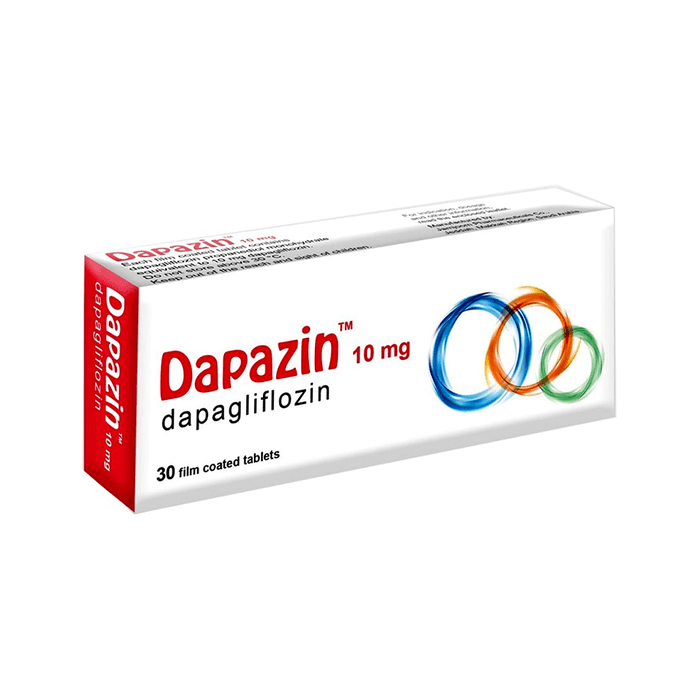
Dapagliflozin
Dapagliflozin Buying Guide and Safety Basics
Price:
Price range: $42.99 through $69.99
You save


This prescription tablet is used for type 2 diabetes and, in some adults, chronic kidney disease or heart failure. This page helps patients understand how to pursue a prescription purchase, what safety points to review first, and which tablet strengths and access checks may apply. It is a product page for people exploring how to buy Dapagliflozin or begin a compliant prescription process.
Some patients explore US delivery from Canada while reviewing pharmacy options allowed by eligibility and jurisdiction.
How to Buy Dapagliflozin and What to Know First
This medicine is an SGLT2 inhibitor (a medicine that helps the kidneys remove excess glucose in urine). It is prescription-only, so the first step is confirming whether the indication, kidney status, and current treatment plan fit the label and the prescriber’s judgment. Before pursuing a purchase, review any history of dehydration, low blood pressure, frequent urinary or genital infections, or past diabetic ketoacidosis.
It may be used for blood sugar management, and in some patients for kidney or heart-related reasons, but the reason for treatment affects which strength is used and what monitoring is needed. Because it increases glucose loss in urine, recent kidney function, usual fluid intake, and any pattern of recurrent yeast or urinary infections are part of the decision. Prescription details may be checked with the original prescriber when required.
Patients comparing options may also want background on related therapies. The SGLT2 Inhibitors category and the Forxiga Dapagliflozin Uses guide can help explain how this class is commonly used and what questions to raise before prescription review.
Why it matters: Kidney function, fluid balance, and other diabetes medicines can change whether this treatment is a good fit.
Who It’s For and Access Requirements
Dapagliflozin may be prescribed for adults with Type 2 Diabetes who need an oral non-insulin option, and it may also be used in selected patients with chronic kidney disease or heart failure when the label and clinician support that use. The brand names Farxiga and Forxiga are used in different markets, while generic availability can vary by pharmacy and jurisdiction. Age eligibility depends on the indication and local label.
This treatment is not a substitute for insulin in type 1 diabetes, and it is generally not the right choice during active diabetic ketoacidosis. A prescriber may also look more closely at prior genital infections, repeated urinary infections, very low blood pressure, significant dehydration risk, or severely reduced kidney function before deciding if it is appropriate.
Access review usually focuses on the diagnosis being treated, recent kidney labs, current medicines, and whether pregnancy, breastfeeding, surgery, or acute illness could affect safety or timing. Those checks are part of deciding whether the medicine fits, not a promise that supply will always be available.
- Common fit factors: diagnosis, age, and current therapy
- Kidney review: baseline labs and ongoing monitoring plans
- Safety history: infections, low blood pressure, or ketoacidosis
- Special situations: pregnancy, breastfeeding, surgery, or acute illness
Dosage and Usage
Dapagliflozin is taken by mouth once daily. The tablet is usually taken with or without food, and many patients do best when it is taken at the same time each day to reduce missed doses. The prescriber chooses the starting strength based on the condition being treated, kidney function, and other medicines already being used.
Directions on the dispensing label matter because type 2 diabetes, kidney disease, and heart failure indications may not be managed in exactly the same way. As with other Oral Diabetes Medications, it helps to keep an updated medication list and bring it to routine appointments. Patients often ask whether the same tablet is used for every indication; the answer depends on the label, kidney status, and treatment goal.
Swallow the tablet exactly as directed on the pharmacy label, and do not change the daily amount unless the prescriber instructs it. If a dose is missed, the specific instructions on the label should guide the next step. Extra tablets can increase the chance of side effects without improving safety.
- Usual schedule: once daily by mouth
- Food timing: may be taken with or without meals
- Missed dose: follow the pharmacy label instructions
- Do not double: extra tablets can raise risk
Strengths and Forms
This medicine is supplied as an oral tablet. Common brand presentations include 5 mg and 10 mg tablets, including Farxiga 10 mg or Forxiga 10 depending on market naming. Not every pharmacy stocks every presentation at all times, so the exact product supplied may depend on the prescription and source.
A brand tablet or generic version is different from fixed-dose combination products that include another glucose-lowering medicine. Even when the active ingredient overlaps, one product is not automatically interchangeable with another unless the prescription matches the product dispensed.
| Form | Common strengths | Notes |
|---|---|---|
| Oral tablet | 5 mg | Used in some starting or indication-specific regimens |
| Oral tablet | 10 mg | Common maintenance or indication-specific strength |
| Brand naming | Farxiga or Forxiga | Name varies by market; active ingredient is the same |
Storage and Travel Basics
Store the tablets according to the pharmacy label, usually at room temperature in a dry place. Keep them in the original, labeled container and away from excess bathroom moisture, direct heat, and children or pets. If a refill arrives in pharmacy packaging, keep that packaging with the medication information until treatment is finished.
Tablets can usually travel without refrigeration, but extreme heat and moisture are still a problem. Avoid leaving the bottle in a parked car, checked luggage exposed to temperature swings, or an unsealed bathroom cabinet.
Quick tip: During travel, keep tablets in carry-on luggage and bring the labeled bottle plus a current medication list.
- Best storage spot: cool, dry, and secure
- Avoid moisture: bathrooms can be too humid
- Keep labeling: original container supports safe use
- Travel planning: carry enough tablets for delays
Side Effects and Safety
Dapagliflozin can cause more frequent urination, increased thirst, and dehydration-related symptoms such as dizziness or lightheadedness. Genital yeast infections and urinary tract infections can also occur because more glucose is present in the urine. When this medicine is combined with insulin or a sulfonylurea, the chance of low blood sugar may increase even though this class alone is not usually associated with major hypoglycemia.
More serious warnings need prompt medical review. These include ketoacidosis (dangerous acid buildup), severe dehydration, kidney function changes, serious urinary infection, and rare but urgent genital infection symptoms such as pain, swelling, fever, or feeling very unwell. Nausea, vomiting, abdominal pain, trouble breathing, or unusual fatigue warrant urgent attention because ketoacidosis can occur even when blood sugar is not extremely high.
The medicine works through the kidneys, so kidney function is usually reviewed before starting and from time to time during treatment. That does not mean it is harmful to the kidneys in every case; it is also prescribed for some kidney-related indications. The key question is whether baseline kidney function, hydration status, and the treatment goal make the medicine appropriate.
Routine follow-up may include questions about thirst, dizziness, urination changes, infections, and any new medicines started since the last review. It is sensible to clarify which symptoms warrant same-day contact versus routine follow-up, especially after vomiting, fever, or reduced fluid intake.
- Common effects: urination changes, thirst, yeast infection, UTI
- Fluid warning: dizziness may signal dehydration or low pressure
- Urgent symptoms: vomiting, breathing trouble, severe genital pain
- Monitoring focus: kidney labs, symptoms, and medication changes
Drug Interactions and Cautions
Not every interaction is a reason to avoid treatment, but the full medication list matters. Diuretics can increase fluid loss, while insulin or sulfonylureas can raise the chance of low blood sugar when used together. Other factors that deserve review include heavy alcohol use, very low food intake, repeated vomiting, or plans for surgery, because these situations can raise ketoacidosis risk.
Patients with recurrent genital infections, repeated urinary infections, low blood pressure, severe kidney impairment, or a history of diabetic ketoacidosis may need closer assessment before treatment. Tell the prescribing clinician about prescription drugs, supplements, and recent health changes. If combination therapy is being considered, the Acceptable Combinations guide can help with question planning.
Before surgery, colonoscopy preparation, or any period when normal eating and drinking will be interrupted, it is worth asking how the medicine should be managed. That decision should be individualized and based on the reason the medicine is prescribed, current kidney function, and the overall treatment plan.
Compare With Alternatives
Choice among glucose-lowering medicines depends on the diagnosis, kidney and heart considerations, risk of low blood sugar, weight goals, side effects, and whether a tablet or injection is preferred. Dapagliflozin and metformin are not the same medicine: metformin mainly reduces glucose production by the liver, while this treatment increases urinary glucose excretion through the kidneys. Some plans use one medicine first and add another later, while others combine classes from the start.
| Option | How it differs | When it may be considered |
|---|---|---|
| Metformin | Biguanide; works differently from SGLT2 inhibitors | Often used early in type 2 diabetes if tolerated |
| Jardiance | Another SGLT2 inhibitor with its own label and tablet strengths | May be compared when class selection is being reviewed |
| Invokana | SGLT2 inhibitor with different brand labeling | Considered when a same-class alternative is needed |
A broader overview of non-insulin options is available in the site’s Diabetes Medications category. For some patients, combination treatment is relevant, but exact regimens should follow the prescriber’s plan rather than self-selection.
There is no single best substitute for everyone. Differences in kidney function, heart failure history, gastrointestinal tolerance, prior response, and other medical conditions usually matter more than brand recognition alone.
Prescription, Pricing and Access
This medicine requires a valid prescription. Licensed partner pharmacies dispense the medication where regulations permit. Depending on the prescription, jurisdiction, and pharmacy requirements, review may include confirmation of diagnosis, prescriber details, and medication history.
Records that may help the review include the prescriber’s contact information, a current medication list, allergies, and recent lab details when relevant. These checks help confirm that the prescribed product, strength, and indication match what the dispensing pharmacy is allowed to provide.
The amount due may vary by brand versus generic supply, strength, quantity, pharmacy source, and benefit rules. Some patients ask about cash-pay options; availability depends on the prescription, jurisdiction, and the pharmacy able to dispense. If paying without insurance, documentation or prior authorization steps may still matter.
For broader browsing, the Diabetes Medications section can help compare categories, and general site updates may appear on Promotions. Availability is not guaranteed and may change with supply, prescription review, or pharmacy requirements.
Authoritative Sources
For an official drug summary, see MedlinePlus Drug Information.
For a broader clinical overview, review Mayo Clinic oral route information.
For labeled tablet strengths and dosing context, refer to FARXIGA HCP dosing information.
When a prescription is approved and a partner pharmacy can supply the medicine, handling may involve prompt, express, cold-chain shipping procedures where appropriate to the product dispensed.
This content is for informational purposes only and is not a substitute for professional medical advice.
Express Shipping - from $25.00
Shipping with this method takes 3-5 days
Prices:
- Dry-Packed Products $25.00
- Cold-Packed Products $35.00
Standard Shipping - $15.00
Shipping with this method takes 5-10 days
Prices:
- Dry-Packed Products $15.00
- Not available for Cold-Packed products
Is dapagliflozin the same as Farxiga?
Dapagliflozin is the generic name of the active ingredient. Farxiga and Forxiga are brand names used in different markets for that same medicine. The main therapeutic ingredient is the same, but tablet appearance, manufacturer, inactive ingredients, and packaging may differ. A single-ingredient tablet is also not the same as a fixed-dose combination product that contains dapagliflozin plus another medicine, so the pharmacy label and prescribed strength should always be checked.
What is dapagliflozin used for?
Dapagliflozin is used to help manage blood sugar in type 2 diabetes. In appropriate adults, it may also be prescribed for chronic kidney disease or heart failure, depending on the approved label and the clinician’s reason for treatment. It works by helping the kidneys remove extra glucose into the urine. It is not a substitute for insulin in type 1 diabetes and should not be used for active diabetic ketoacidosis.
What are the common side effects of dapagliflozin?
Common side effects include more frequent urination, thirst, dizziness related to fluid loss, genital yeast infections, and urinary tract infections. When it is used with insulin or a sulfonylurea, low blood sugar can become more likely. More urgent warning signs include nausea, vomiting, abdominal pain, breathing difficulty, severe weakness, or painful swelling in the genital area. Those symptoms need prompt medical assessment because they can signal a serious reaction.
Is dapagliflozin hard on the kidneys?
Not necessarily. The medicine works through the kidneys, so kidney function is reviewed before treatment and monitored over time. In some people, it is prescribed specifically for kidney-related indications. The main concern is whether baseline kidney function, hydration status, current illnesses, or other medicines make it a good fit. Very reduced kidney function or dehydration can change suitability, which is why lab review and follow-up matter.
What's the difference between dapagliflozin and metformin?
Metformin and dapagliflozin are different classes of medicine. Metformin mainly reduces glucose production by the liver and improves insulin sensitivity, while dapagliflozin helps the kidneys remove extra glucose through the urine. Metformin is often used early in type 2 diabetes, but dapagliflozin may be added or chosen when treatment goals, side effects, kidney factors, or heart-related considerations differ. They are not directly interchangeable, and some patients use both.
What should I ask a clinician before starting dapagliflozin?
Useful things to ask include why this medicine is being recommended, which strength is intended, how kidney function affects suitability, what side effects need urgent attention, and how it fits with insulin or other diabetes medicines. It also helps to ask whether surgery, fasting, poor fluid intake, or recurrent infections could change the plan. Clarifying how often follow-up labs or symptom checks are expected can make ongoing monitoring easier.
Rewards Program
Earn points on birthdays, product orders, reviews, friend referrals, and more! Enjoy your medication at unparalleled discounts while reaping rewards for every step you take with us.
You can read more about rewards here.
POINT VALUE
How to earn points
- 1Create an account and start earning.
- 2Earn points every time you shop or perform certain actions.
- 3Redeem points for exclusive discounts.
You Might Also Like
Select options
This product has multiple variants. The options may be chosen on the product page
Select options
This product has multiple variants. The options may be chosen on the product page
Select options
This product has multiple variants. The options may be chosen on the product page
Select options
This product has multiple variants. The options may be chosen on the product page
Related Articles
Uncategorized
Rybelsus Generic: A Patient Guide to Current Options
Key TakeawaysMany people searching for rybelsus generic are trying to answer one practical question: is there a true lower-cost equivalent tablet, or only the brand product and look-alike alternatives?Brand and…
Type 2 Diabetes,
Generic Liraglutide For Weight Loss: A Practical Guide
People searching for generic liraglutide for weight loss usually want clear answers on three points: whether an approved lower-cost version exists, how it differs from brand-name products, and what access…
Type 2 Diabetes,
Liraglutide Vs Semaglutide Comparison Guide For Patients
Key Takeaways People searching liraglutide vs semaglutide usually want a practical comparison, not a slogan. The most useful differences involve formulation, schedule, approved uses, side effect patterns, and the paperwork…
Weight Management
Generic Zepbound: Availability, Status, and Options
Key Takeaways Patients and caregivers often search for generic zepbound when they need a clear answer about availability, labeling, and lower-cost access. The term is common online, but it does…