
Shipping with this method takes 3-5 days
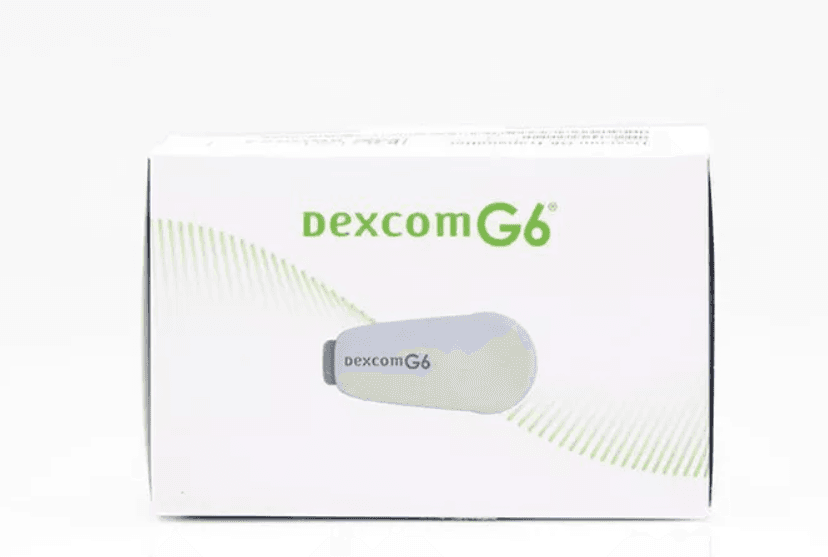
Dexcom G6 Transmitter
Dexcom G6 Transmitter Uses, Setup, and Safety Basics
Price:
$49.99
You save


The Dexcom G6 Transmitter is the reusable component of the Dexcom G6 continuous glucose monitoring system that sends sensor glucose data to a display device. Some patients explore US shipping from Canada when planning CGM supply replacements. This page explains how the system works, typical replacement workflow, safety cautions, compatibility considerations, and storage basics.
What Dexcom Transmitter Is and How It Works
A CGM transmitter sits in the sensor housing and communicates glucose readings to a compatible receiver or smartphone app. It collects data from the sensor filament under the skin and sends it using Bluetooth. Alerts and trend information depend on the app or receiver settings, not just the hardware itself. CanadianInsulin is a prescription referral service and may confirm details with your prescriber.
The transmitter is intended to be reused across multiple sensor wear periods until it reaches end of life. Pairing usually requires entering a transmitter ID (often found on the device or packaging) and completing in-app prompts. If the connection drops, the issue can relate to distance, Bluetooth settings, or app permissions, rather than a sensor problem. For broader context about diabetes technology and supplies, browsing hubs like Diabetes Supplies can help you compare common categories.
Because a transmitter is part of a regulated medical device system, it is important to follow the manufacturer instructions for setup, wear, and disposal. If a replacement is needed, the process may be different when a sensor session is active versus when it has ended. Dispensing is completed by licensed third-party pharmacies, where this model is permitted.
Who It’s For
Continuous glucose monitoring is commonly used by people living with diabetes who want ongoing glucose trend information, along with optional alerts. The Dexcom G6 Transmitter is designed to work only as part of the Dexcom G6 system, so it is not interchangeable with other generations or brands. Many patients use CGM data to support day-to-day decisions, but treatment changes should still be made with a clinician’s guidance and the full clinical picture. Background information and related topics are available in the Diabetes Hub.
This device may not be appropriate for everyone. Situations that can require added caution include difficulty hearing or responding to alerts, inability to maintain device hygiene, or frequent exposure to environments where the system is not permitted (such as certain imaging areas). Age indications can vary by jurisdiction and labeling updates, so confirm the version of the user guide that applies to your device. If you are pregnant, on dialysis, or have rapidly changing glucose patterns, your clinician may recommend specific monitoring practices alongside CGM use.
Dosage and Usage
Unlike a medicine, a transmitter does not have a dose. Instead, usage is defined by wear time, pairing steps, and replacement intervals. A Dexcom G6 Transmitter typically stays in place while you replace sensors on the schedule described in the user guide, and it stops working after its approved lifespan. The app or receiver usually provides notices as the transmitter nears end of life, which helps with planning a change. Follow the on-screen workflow so the new unit pairs correctly and begins transmitting data.
Replacement steps vary depending on whether a sensor session is active and whether the sensor is being changed at the same time. For example, guidance for changing g6 transmitter components may involve ending a session, removing the old unit from the sensor holder, and pairing the new one before starting a new sensor. If you are trying to replace dexcom transmitter without removing sensor hardware, use the manufacturer’s method to avoid damaging the sensor cradle or affecting readings.
Quick tip: Keep the transmitter ID noted in a safe place for future pairing.
Strengths and Forms
This product is a small electronic transmitter rather than a medication, so there are no strengths (such as mg or IU). Packaging can vary by channel and region, but it is commonly supplied as a single transmitter unit with labeling that includes device identifiers. If you are verifying you have the correct item, the identifier 08627001601 may appear on packaging or product documentation depending on the distributor. The Dexcom G6 Transmitter should be used only with Dexcom G6 sensors and approved display options.
Compatibility is a frequent source of confusion, especially when patients switch phones or update operating systems. Some setups use a dedicated receiver, while others use a mobile app, and the approved device list can change over time. If you use a receiver and phone together, be aware that pairing rules and alert behavior can differ. For broader equipment context beyond CGM, the resource BD Needles Guide explains how other common diabetes supplies are categorized and selected.
Storage and Travel Basics
Store CGM components in line with the manufacturer labeling and keep them protected from moisture and extreme temperatures. In general, keep unopened supplies in their original packaging until use, and avoid leaving electronics in hot cars or in direct sunlight. The Dexcom G6 Transmitter should not be exposed to conditions outside the recommended ranges because heat or cold can affect electronics and may shorten usable life. If packaging is damaged, review the instructions for whether the device remains acceptable to use.
For travel, plan for security screening and time zone changes without relying on last-minute setup. Many manufacturers advise carrying diabetes devices and supplies in a carry-on bag, along with back-up monitoring options. Airport screening approaches can differ; if you are unsure about scanners or X-ray exposure, consult the user guide and consider requesting an alternative screening method. Bringing extra supplies can reduce disruption if an adhesive fails early or a pairing issue occurs.
Why it matters: Temperature extremes can affect electronics and sensor performance.
Side Effects and Safety
Most side effects reported with CGM systems relate to the sensor site and adhesive rather than the transmitter itself. People may experience skin irritation, itching, redness, or discomfort where the sensor is worn, and some may develop allergic contact dermatitis (a delayed skin reaction) to adhesives. Inaccurate readings can also occur, especially during rapid glucose changes, compression of the sensor site, or if a sensor is failing. If symptoms do not match CGM values, confirm with a blood glucose meter and follow your care plan for next steps.
Serious issues are less common but important to recognize. Seek medical attention for signs of infection at the insertion site (increasing pain, warmth, swelling, pus, or fever) or for severe allergic reactions. With any CGM, do not ignore severe hypoglycemia (low blood sugar) symptoms even if the display seems reassuring. The Dexcom G6 Transmitter is a small object; keep it away from young children and pets to reduce choking risk, and follow disposal instructions for electronics and sharps used with sensors.
Drug Interactions and Cautions
CGM systems can be affected by certain medicines or physiologic conditions, which may lead to readings that are higher or lower than a capillary meter. The set of known interfering substances varies by model and labeling updates, so rely on the current user guide for your system. Some medications (for example, hydroxyurea in certain CGM labels) have been reported to interfere with sensor glucose readings. If you start a new prescription, ask whether it could affect CGM accuracy or alert reliability.
Non-drug factors also matter. Dehydration, poor circulation, and pressure on the sensor site can influence readings. Bluetooth connectivity can be disrupted by distance, phone power settings, or competing connections. If you use the CGM for alerts overnight, confirm that “Do Not Disturb” or battery optimization settings are not blocking notifications. For additional education topics, the Diabetes Articles section covers general medication and monitoring concepts that can complement device instructions.
Compare With Alternatives
CGM systems differ in how the transmitter is designed and how often components are replaced. Some newer systems integrate the transmitter into a single disposable sensor unit, while others keep a reusable transmitter that is replaced less often. Differences can include warm-up time, sensor wear duration, alert options, device size, and smartphone compatibility. When comparing options, consider how you prefer to view data (receiver versus phone), whether you need shared monitoring features, and how comfortable you are managing troubleshooting steps.
Another alternative is structured fingerstick monitoring with a blood glucose meter, which can be used alone or as a back-up to CGM when readings do not match symptoms. Many clinicians recommend having a meter available for confirmation during suspected inaccuracies, illness, or device errors. If you are browsing related categories on the site, Diabetes Products is a hub for comparing available diabetes-related items by type rather than brand. Your care team can help you choose a system that matches your medical needs, daily routine, and comfort with technology.
Pricing and Access
Access to CGM transmitters generally depends on prescription requirements, local regulations, and the documentation needed for device processing. Coverage varies widely across private insurance, employer plans, and public programs, and criteria may involve diagnosis, insulin regimen, or history of hypoglycemia. For people paying without insurance, total out-of-pocket expense can depend on whether supplies are bundled, whether a receiver is needed, and how often components are replaced. Cross-border fulfilment may be considered depending on eligibility and jurisdiction.
Some patients obtain supplies through different channels over time, such as retail pharmacies, mail-order programs, or specialty providers, and each may have distinct verification steps. Eligibility can also affect whether a pharmacy Ships from Canada to US. If prescription clarification is required, details may be confirmed with the prescriber before processing. A neutral overview of available site-wide programs is listed on the Promotions Overview page, but availability and rules can change.
If you use CanadianInsulin for different household needs, the education library also includes veterinary medication topics such as Explore Doxycycline Guide, Onsior Cat Medicine, and Apoquel For Dogs.
Authoritative Sources
For manufacturer instructions and device safety details, see: Dexcom guides and user documentation.
For a regulatory overview of CGM technology, see: FDA continuous glucose monitoring information.
When permitted and appropriate, fulfilment partners may use prompt, express, cold-chain shipping based on product requirements.
This content is for informational purposes only and is not a substitute for professional medical advice.
Express Shipping - from $25.00
Prices:
- Dry-Packed Products $25.00
- Cold-Packed Products $35.00
Standard Shipping - $15.00
Shipping with this method takes 5-10 days
Prices:
- Dry-Packed Products $15.00
- Not available for Cold-Packed products
How long does a Dexcom G6 transmitter last?
Transmitter lifespan is set by the manufacturer and is not meant to be extended by charging or battery changes. In typical use, a Dexcom G6 transmitter is reused across multiple sensor wear periods and then stops working at its end of life. Your app or receiver often provides notices as the transmitter nears expiration, which can help you plan a replacement. Exact timing and prompts can vary based on the system version and how sessions are started and ended, so follow the current user guide.
Can I replace the transmitter without removing the sensor?
In some situations, people look for ways to change a transmitter while a sensor is still in place, especially if a sensor has time remaining. The correct approach depends on the device design and the steps shown in the Dexcom instructions. Trying to force the transmitter out of the sensor holder can damage the housing, affect the sensor, or interrupt data. If you are unsure, review the user guide steps for transmitter replacement and consider asking a clinician or diabetes educator for practical guidance.
What devices are compatible with the G6 transmitter?
Compatibility depends on which display option you use: a Dexcom receiver, a smartphone app, or both. Phone compatibility can change with operating system updates, model differences, and regional app availability. The safest way to confirm is to check Dexcom’s current compatibility list and the instructions that came with your device. Also note that Bluetooth settings, app permissions, and power-saving features may affect performance even on a compatible phone. If you use both a receiver and phone, follow pairing rules carefully.
What should I do if readings do not match how I feel?
If your symptoms do not match the CGM reading, treat the situation as a potential accuracy issue and confirm with a fingerstick blood glucose meter when appropriate for your care plan. Compression of the sensor site, rapid glucose shifts, or a failing sensor can contribute to mismatches. Avoid making treatment changes based only on a single unexpected CGM value. Review the device messages for calibration or sensor error prompts, and seek clinical advice if discrepancies are frequent or you have severe low or high blood sugar symptoms.
How can I tell whether a transmitter is new or refurbished?
Packaging, labeling, and device identifiers can help clarify whether a transmitter is new and intended for first-time use. A “refurbished” unit may be labeled differently, may come from a different channel, and could have different warranty terms. Because transmitters have a limited operating lifespan, starting with a unit that is not clearly new can create uncertainty about remaining life and reliability. If you have questions about a unit’s origin or labeling, compare it to the manufacturer documentation and ask for clarification through the appropriate pharmacy channel.
What should I ask my clinician before starting CGM?
Useful questions include how to respond to high and low alerts, when to confirm CGM readings with a fingerstick, and how CGM data should be used alongside your current diabetes plan. Ask about situations where CGM can be less reliable, such as during rapid glucose changes, illness, or certain medications. If you use insulin or other glucose-lowering therapies, discuss what patterns should prompt outreach rather than self-adjustment. You can also ask about skin care strategies if you have a history of adhesive sensitivity.
How should I store extra transmitters and supplies at home or while traveling?
Store transmitters and sensors according to the manufacturer’s temperature and handling instructions. Keep supplies dry, protected from direct sunlight, and away from extreme heat or freezing conditions. Leave items in original packaging until use when possible, and avoid storing electronics in cars, near heaters, or in checked luggage where temperatures can fluctuate. For travel, carry a back-up monitoring option and keep key identifiers, like the transmitter ID, accessible in case you need to re-pair the system. Always consult the user guide for model-specific details.
Rewards Program
Earn points on birthdays, product orders, reviews, friend referrals, and more! Enjoy your medication at unparalleled discounts while reaping rewards for every step you take with us.
You can read more about rewards here.
POINT VALUE
How to earn points
- 1Create an account and start earning.
- 2Earn points every time you shop or perform certain actions.
- 3Redeem points for exclusive discounts.
You Might Also Like
Select options
This product has multiple variants. The options may be chosen on the product page
Select options
This product has multiple variants. The options may be chosen on the product page
Select options
This product has multiple variants. The options may be chosen on the product page
Select options
This product has multiple variants. The options may be chosen on the product page
Related Articles
Type 2 Diabetes,
Oral Wegovy Explained: Facts, Risks, and Access Options
The phrase oral wegovy is best understood as a search term, not a settled product name. Most people use it to mean a pill version of semaglutide for weight management,…
Diabetes, General Health,
Glp-1 Drugs Over The Counter: What’s Real And What’s Not
Key Takeaways Prescription GLP-1 medicines are not sold as true OTC drugs. Many “GLP-1” supplements aim to support fullness, not mimic prescriptions. Online “no prescription” offers raise counterfeit and quality…
Diabetes, Type 2
GLP-1 Cost Without Insurance: Compare Cash-Pay Options
Key Takeaways Many people searching for glp-1 cost without insurance are trying to plan for a long-term expense. The total can change based on the drug, the pharmacy, and how…
Cardiovascular, Diabetes, Nephrology,
SGLT2 Inhibitors Drugs: Names, Uses, And Safety Notes
Key Takeaways They lower glucose by increasing urinary sugar loss. Common options include dapagliflozin, empagliflozin, canagliflozin, and ertugliflozin. Some products combine an SGLT2 inhibitor with metformin. Risks include dehydration and…