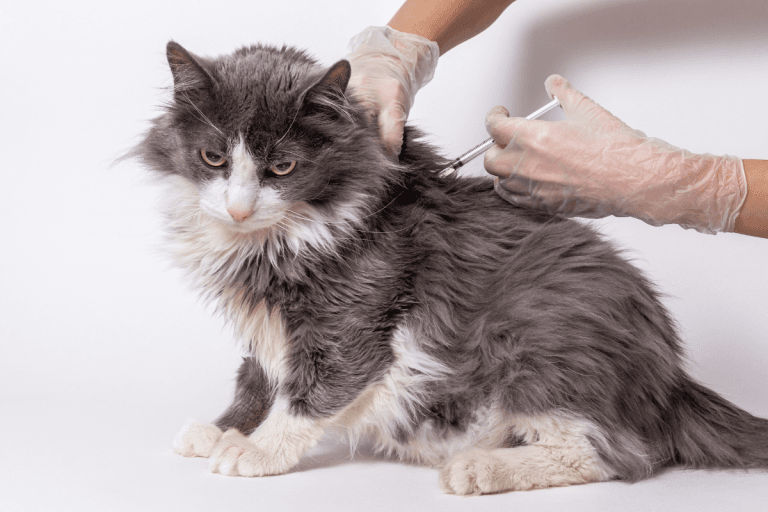


Apoquel for dogs is a prescription allergy medicine used to reduce allergic itch and inflammation in dogs at least 12 months old. It can help dogs scratch, lick, and chew less while the underlying allergy plan is being worked out. It is not Benadryl, not a steroid, and not a cure for allergies. Its best role is symptom control under veterinary supervision.
That distinction matters. Many itchy dogs also need flea control, infection treatment, ear care, diet review, or environmental allergy management. A tablet can calm the itch signal, but it does not identify the trigger by itself.
Key Takeaways
- Fast itch relief: Many dogs improve quickly, though response varies.
- Prescription use: Veterinary diagnosis and dosing are essential.
- Not an antihistamine: It works through JAK pathway modulation.
- Safety monitoring: Watch for digestive upset, infections, and skin changes.
- Alternatives exist: Injections, cyclosporine, topicals, and allergy plans may help.
How Apoquel for Dogs Fits Allergy Care
Apoquel is the brand name for oclacitinib, a Janus kinase inhibitor. Janus kinase, often shortened to JAK, is part of several immune-signaling pathways. In allergic skin disease, some of those signals help drive pruritus, which means itch. By reducing selected itch-related signaling, the medicine can make a dog more comfortable without using corticosteroids.
Veterinarians most often consider it for allergic dermatitis and atopic dermatitis. Allergic dermatitis is skin inflammation caused by an allergic trigger. Atopic dermatitis is a chronic allergic skin condition often linked with environmental allergens such as pollens, molds, dust mites, or grasses. Fleas, food reactions, yeast, bacteria, and ear disease can also contribute to the same scratching pattern.
Apoquel for dogs is therefore one part of a broader plan. If a dog keeps licking paws, rubbing the face, shaking the head, or waking at night to scratch, the veterinarian usually looks for both itch control and causes. That may include skin cytology, ear checks, parasite control, diet trials, or allergy testing in selected cases.
For readers comparing product forms and tablet information, the site’s Apoquel page can provide item-level context. Use that kind of information as a reference for discussions with your veterinarian, not as a substitute for a prescription plan.
What It Can and Cannot Do
Apoquel can reduce allergic itch, but it does not remove allergens from a dog’s environment. This is why improvement on medication does not always mean the allergy has been solved. It often means the itch pathway is quieter while other parts of care continue.
Owners often notice less scratching, chewing, licking, or rubbing when treatment works well. That can help damaged skin settle and may make bathing, ear cleaning, or diet changes easier to tolerate. Reduced self-trauma can also lower the chance that a minor flare becomes a larger skin problem.
However, itchy skin has many causes. Mange mites, fleas, yeast, bacterial infection, contact irritation, pain, and some endocrine disorders can mimic or worsen allergic skin disease. A dog that does not respond as expected may not have the right diagnosis, may have a secondary infection, or may need a different long-term strategy.
Why it matters: Better itch control should not replace a search for treatable triggers.
Is it just Benadryl?
No. Benadryl is a brand name for diphenhydramine, an antihistamine. Antihistamines block histamine receptors. Oclacitinib works differently by affecting selected JAK-dependent immune signals involved in itch and inflammation. Because the drug classes differ, you should not swap one for the other without veterinary guidance.
Can a dog take Zyrtec instead?
Zyrtec is a brand name for cetirizine, another antihistamine. Some veterinarians may use antihistamines in certain allergy plans, but they are not direct substitutes for oclacitinib. The choice depends on diagnosis, severity, other medicines, age, and safety factors. Ask your veterinarian before adding any human allergy medicine, because inactive ingredients and dosing errors can create risk.
Dosing Basics and Prescription Boundaries
Apoquel for dogs dosage is weight-based and should come from a veterinarian. The labeled plan commonly includes an initial phase followed by maintenance dosing, but the exact tablet strength and schedule depend on body weight and clinical judgment. Do not estimate the dose from another dog’s prescription.
Veterinarians consider more than weight. They also review age, infection history, cancer history, current medicines, pregnancy or breeding status, and the pattern of itching. A dog with a severe flare may need a different short-term plan than a dog with mild seasonal symptoms.
Online searches for an Apoquel for dogs dosage chart can be useful for understanding why tablets differ by weight range. They should not be used to self-prescribe. A chart cannot confirm whether the dog has allergies, mites, infection, ear disease, or another cause of scratching. It also cannot assess whether the medicine is appropriate for that specific dog.
Searches for Apoquel for dogs without vet prescription are common, but this is a prescription medication. Veterinary oversight matters because the drug changes immune signaling and because allergic skin disease often overlaps with infections or parasites. CanadianInsulin.com functions as a prescription referral platform; where required, prescription details may be confirmed with the prescriber before third-party pharmacy dispensing is arranged where permitted.
If you miss a dose, ask your veterinarian or follow the clinic’s written instructions. Avoid doubling doses unless your veterinarian specifically tells you to do so. If a dog may have taken too much, contact a veterinarian, emergency clinic, or animal poison control service promptly.
Side Effects and Warning Signs to Watch
Apoquel side effects can include vomiting, diarrhea, reduced appetite, lethargy, and changes in skin or ear health. Many dogs tolerate the medicine, but any persistent or severe change deserves veterinary attention. The goal is to control itch without overlooking new problems.
Because oclacitinib affects immune pathways, veterinarians also watch for infections. Skin redness, odor, greasy debris, pustules, scabs, ear discharge, or repeated head shaking can suggest yeast or bacterial overgrowth. These problems may need testing and targeted treatment rather than a dose change alone.
Owners sometimes ask whether Apoquel is bad for dogs. A better question is whether the benefits outweigh the risks for a particular dog. For many dogs with allergic itch, improved comfort and sleep can be meaningful. For dogs with certain medical histories, recurrent infections, or suspected cancer, the risk discussion may be different.
Apoquel for dogs side effects long term use should be reviewed during routine rechecks. Your veterinarian may recommend skin exams, ear exams, lump checks, and review of any infections or new symptoms. Report new growths, non-healing sores, unusual tiredness, weight changes, or repeated infections.
When to seek urgent help
Seek prompt veterinary care if your dog has repeated vomiting, severe diarrhea, collapse, trouble breathing, facial swelling, seizures, or signs of overdose. Also call quickly if a dog eats another pet’s tablets or chews through a bottle. Keep all medications stored away from pets and children.
Long-Term Monitoring and Dogs Who Need Extra Caution
Long-term use should be individualized. The medication is labeled for dogs at least 12 months old, and the label includes important cautions about young dogs and certain populations. Puppies, breeding dogs, pregnant dogs, and lactating dogs need special veterinary review because safety expectations differ.
Dogs with chronic skin infections, ear disease, demodex mite history, immune-related conditions, or cancer history also need careful discussion. This does not mean every dog in these groups can never receive the medicine. It means the veterinarian must weigh the dog’s full medical picture.
Monitoring is practical, not just technical. Keep a short record of itch severity, sleep disruption, licking sites, ear signs, diet changes, flea prevention, and seasonal patterns. A simple 0-to-10 itch score can help you and your veterinarian see whether the plan is working or drifting.
Quick tip: Photograph recurring skin spots in the same lighting before recheck visits.
Skin care often continues alongside tablets. Medicated shampoos, antiseptic wipes, ear cleaners, and strict parasite prevention may reduce flare frequency. To browse related skin-care categories, see the Dermatology Products collection. For broader reading on skin conditions and allergy care, the Dermatology Articles section may help you prepare questions.
Alternatives and Comparison Points
An Apoquel for dogs alternative may be considered when side effects occur, itch control is incomplete, pill-taking is difficult, or the dog’s health history changes. Alternatives are not automatically safer or stronger. They simply work differently and fit different cases.
Cytopoint, an injectable monoclonal antibody used by veterinarians, targets interleukin-31, an itch-related cytokine. It is often discussed when owners want a non-tablet option or when daily dosing is difficult. Apoquel offers daily adjustability, while injections may suit dogs that resist pills. Your veterinarian can explain which approach fits the diagnosis and risk profile.
Cyclosporine is another non-steroidal immune-modulating option used in some allergic skin disease plans. It works through a different immune pathway and may be selected for long-term control in certain dogs. For more context on this class, see Atopica Capsules for Dogs. If your household also includes cats with allergic skin concerns, Atopica for Cats covers a separate species-specific context.
Topical therapy may also play a major role. Shampoos, mousses, sprays, ear treatments, and barrier-support products can reduce surface yeast, bacteria, allergens, or irritation. These tools are especially useful when a dog has localized paw, belly, or ear flares.
Decision factors to discuss
- Itch pattern: seasonal, year-round, or sudden onset.
- Skin findings: infection, ear disease, sores, or hair loss.
- Medical history: cancer, immune disease, or repeated infections.
- Practical fit: pills, injections, bathing, and follow-up visits.
- Trigger control: fleas, food, environment, and grooming needs.
If pain or joint disease complicates a dog’s comfort, do not assume scratching and restlessness are only allergy-related. Separate conditions may need separate evaluation. For general context on pain-related veterinary medicines, see Deramaxx for Dogs. For mobility-related background, Arthritis in Dogs and Cats may help distinguish skin discomfort from movement problems.
Access, Reviews, and Online Claims
Apoquel for dogs reviews can help owners understand common experiences, but they cannot predict an individual dog’s response. Reviews often leave out diagnosis, dose, age, other medicines, infection status, and follow-up findings. Those missing details can change the meaning of a good or bad experience.
Be cautious with alarming statements such as “Apoquel killed my dog.” Serious adverse events and deaths should be taken seriously, but causation is difficult to confirm from a post alone. Age, cancer, infections, other drugs, and underlying disease may all be involved. If you suspect a serious reaction, contact a veterinarian and ask how adverse event reporting works.
There is also no approved generic version in some markets at the time of many owner searches. Availability can change, and regulatory status may differ by country. Ask your veterinarian or pharmacist whether a proposed substitute is an approved product, a compounded preparation, or something else.
Some patients explore cash-pay access or cross-border fulfillment depending on eligibility and jurisdiction. For prescription medicines, dispensing and fulfillment are handled by licensed third-party pharmacies where permitted. These access details do not change the need for veterinary diagnosis, prescription review, and monitoring.
For broader animal wellness topics, the Pet Health Articles section groups related educational content. The Pet Health condition collection can also help readers navigate relevant pet-care categories.
Authoritative Sources
For label-backed information on indications, age limits, dosing, and adverse reactions, review the FDA Freedom of Information summary for oclacitinib tablets.
For current manufacturer safety and product context, see the Zoetis Apoquel product information page and discuss any questions with your veterinarian.
For reporting suspected animal drug side effects, the FDA explains how to submit concerns through its animal drug side effect reporting process.
Recap
Apoquel for dogs can be a useful tool for allergic itch when a veterinarian confirms that it fits the dog’s age, diagnosis, and health history. It may reduce scratching while the broader plan addresses fleas, infections, ears, diet, skin barrier care, and environmental triggers.
The safest approach is structured follow-up. Track itch, watch for side effects, report infections early, and ask how long-term monitoring should work for your dog. If control fades or concerns develop, your veterinarian can reassess the diagnosis and compare other options.
This content is for informational purposes only and is not a substitute for professional medical advice.