
Please note: a valid prescription is required for all prescription medication.
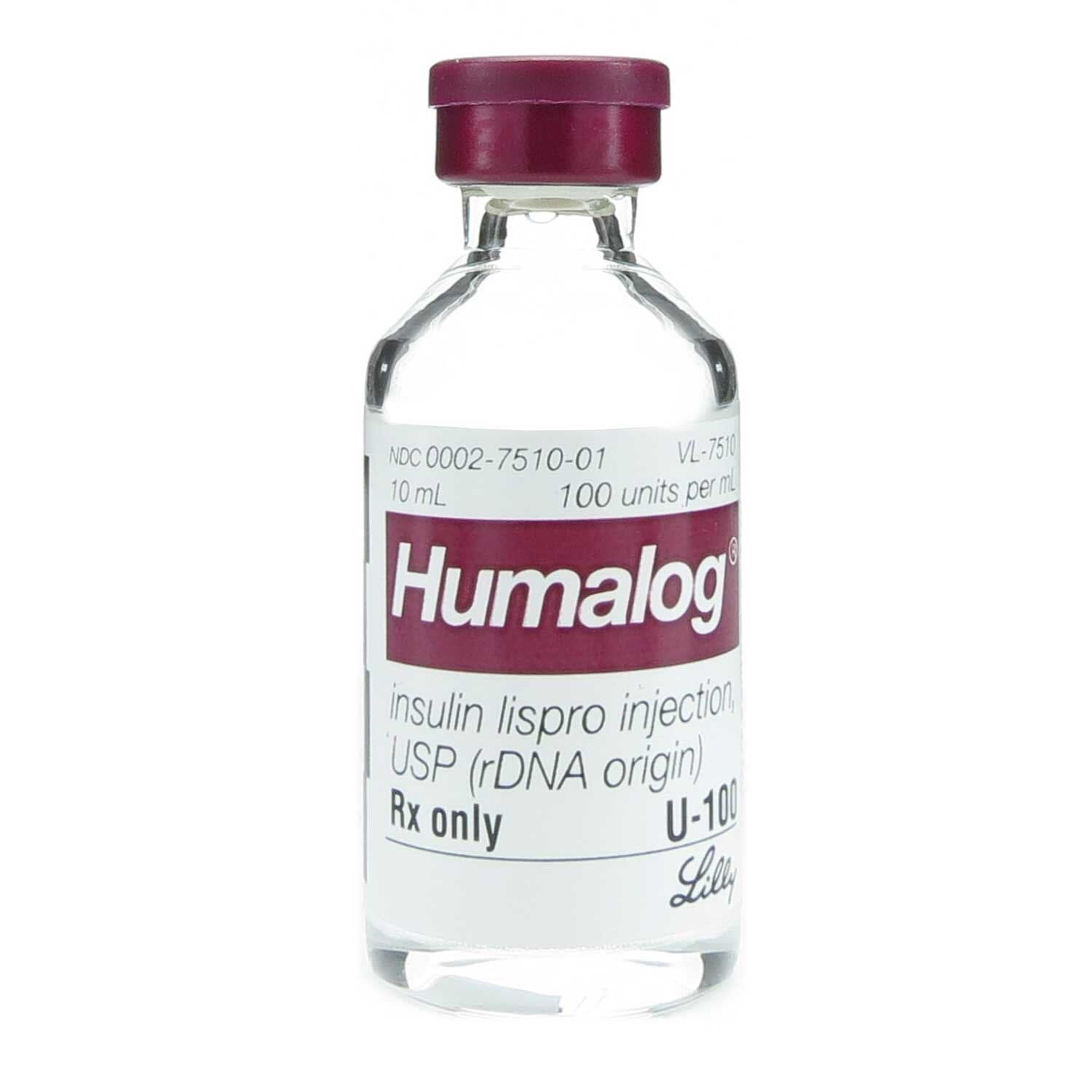
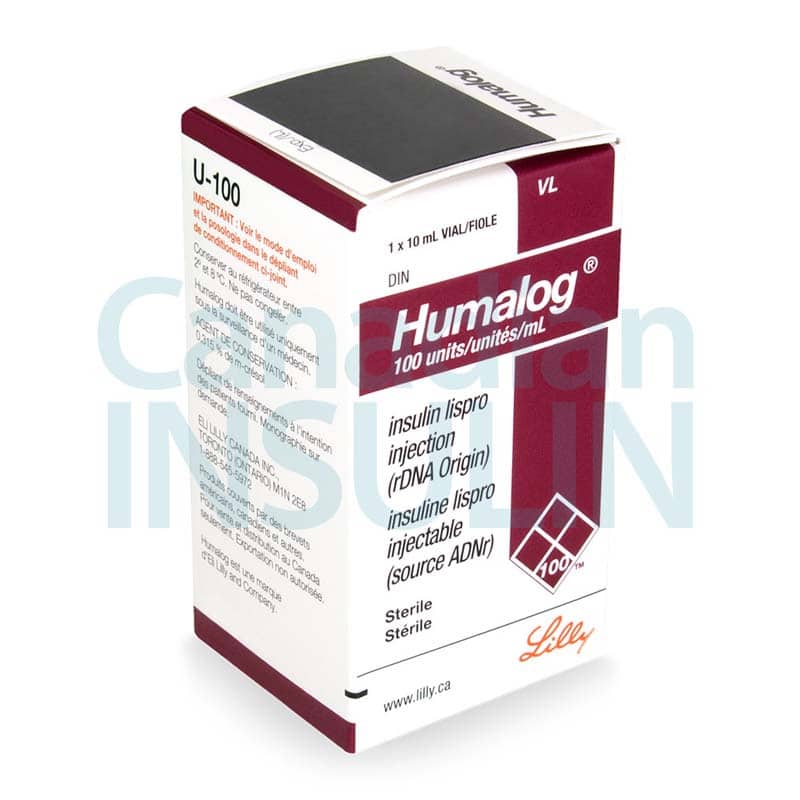
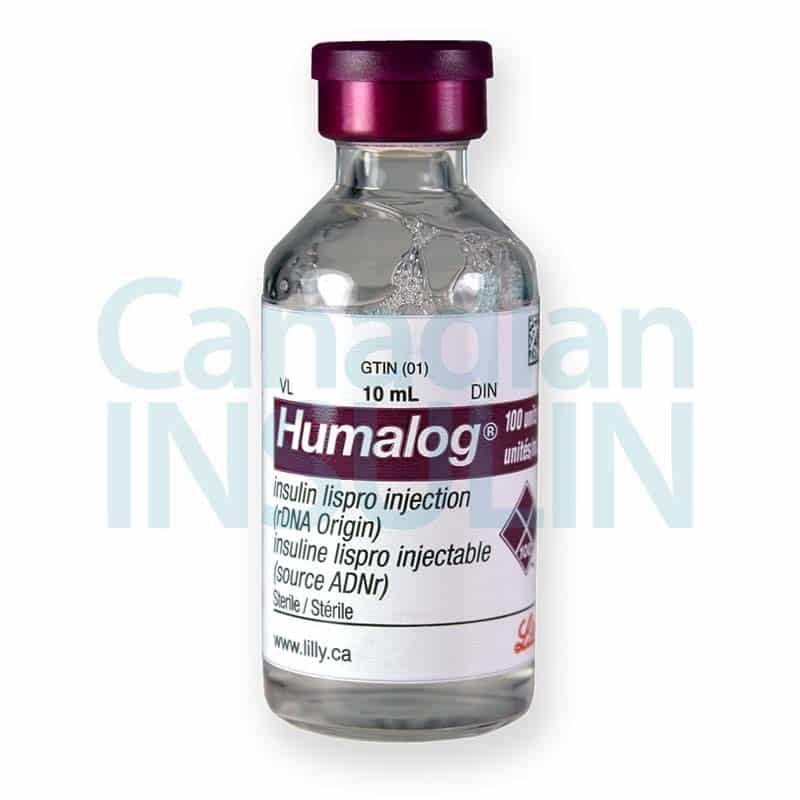
Humalog Vial
Humalog Vial: Buy With Prescription and Safety Basics
Also available for your pet.
Price:
$59.99
You save


Humalog Vial is a rapid-acting insulin lispro used to help control blood sugar in diabetes. This page helps people compare how to buy the 100 units/mL 10 mL vial, what prescription checks may apply, and the main storage and safety points to review first. If Humalog Vial price is part of the decision, the later access section explains the practical factors that can change what a patient may pay.
Some patients explore US delivery from Canada depending on eligibility and jurisdiction. The vial is prescription-only, and strength mix-ups, dosing errors, and low blood sugar risk are important to understand before pursuing a purchase.
How to Buy Humalog Vial and What to Know First
Humalog Vial contains insulin lispro, a rapid-acting mealtime insulin used in people with diabetes mellitus. On a product page like this, the main decision points are whether the prescribed presentation is the correct one, whether the person using it can manage vial-based dosing, and whether there is an active prescription that matches the intended supply. Prescription details can be checked with the prescriber when required.
Before moving forward, confirm that the prescription is for the U-100 10 mL multiple-dose vial rather than a pen, cartridge, or mixed insulin product. That distinction matters because syringes, injection technique, refill patterns, and daily handling are different. For people comparing related options, the site’s Insulin Category can help show nearby presentations and insulin types without assuming they are interchangeable.
This page is designed for people exploring a prescription-based purchase path, not for replacing the label or clinician instructions. The safest starting point is matching the exact prescription, confirming the intended user, and checking that storage, monitoring, and hypoglycemia preparedness are in place before the vial is used.
- Match the exact strength and vial size.
- Confirm the prescription is current.
- Check how doses will be measured.
- Review storage before first use.
- Keep a plan for low blood sugar.
Who It’s For and Access Requirements
This insulin is generally prescribed for adults and children with diabetes who need rapid blood sugar control around meals. It is a human insulin analog, not a pet insulin, and it is not a substitute for every other insulin product. People who are new to insulin, switching from another mealtime insulin, or moving from pens to a vial may need extra training because the workflow is different.
The vial format may suit people who are comfortable using syringes, need flexible dose drawing, or already use a vial-based routine. Others may do better with a pen if vision, dexterity, or portability issues make manual dose drawing harder. The article on Different Types Of Insulin can help explain how rapid-acting, short-acting, and longer-acting products fit into a larger treatment plan.
Access usually starts with a valid prescription that identifies the correct drug, strength, and presentation. A clinician may also want recent glucose records, a current medication list, and a clear plan for monitoring. Extra review is often needed when there is a history of severe hypoglycemia, difficulty recognizing lows, allergy to insulin lispro or ingredients, or major kidney or liver disease. Humalog should not be started or used during an active episode of low blood sugar.
Dosage and Usage
Humalog Vial is usually taken close to meals because it works quickly. The label generally places dosing within 15 minutes before eating or immediately after a meal, but the exact amount and schedule are individualized. The prescribed plan may depend on meal pattern, blood glucose readings, body size, kidney function, other insulin products, and whether correction doses are part of the regimen.
When a vial is used with syringes, the correct U-100 insulin syringe matters. Injection sites are commonly rotated within the abdomen, thigh, upper arm, or buttocks to lower the chance of skin changes that can affect absorption. The solution should appear clear and colorless; it should not be used if it looks cloudy, thickened, or contains particles. If a pump is involved, the pump plan and infusion set instructions should match the clinician’s directions and the product labeling.
Checking the label before each dose is a practical safety step because insulin mix-ups can happen when several products are stored together. If the regimen includes a separate basal insulin, that long-acting product has a different role from this mealtime vial. The guides on Insulin Timing and Blood Sugar Monitoring can support general education about timing and observation, but dose changes still need clinician direction.
Why it matters: Meal timing and insulin timing need to match to reduce unexpected lows.
Needles and syringes should never be shared. If a dose is missed, duplicated, or taken without adequate food, the safest next step depends on the person’s prescribed plan, current glucose reading, and symptoms rather than a one-size-fits-all rule.
Strengths and Forms
The standard Humalog vial on this page is the 100 units/mL, 10 mL multiple-dose presentation. That means each vial contains 1,000 units of insulin lispro in total. Multiple-dose means repeated doses can be withdrawn during the labeled in-use period when handled correctly; it does not mean the dose itself is standardized.
| Feature | Details |
|---|---|
| Active ingredient | Insulin lispro |
| Strength | 100 units/mL |
| Container | 10 mL multiple-dose vial |
| Total insulin | 1,000 units per vial |
| Typical role | Rapid-acting insulin for mealtime glucose control |
A Humalog Vial price comparison only makes sense when the same U-100 10 mL presentation is being matched, because pens, cartridges, and mixed products can be supplied through different channels and billing rules. It is also worth checking whether the prescription specifies brand Humalog or another insulin lispro product, because substitution rules can vary.
Other presentations may suit different routines, but they should not be treated as identical simply because the active ingredient sounds familiar. Timing, dose dialing, syringe use, and day-to-day handling differ enough that the container choice can affect both safety and convenience.
Storage and Travel Basics
Unopened vials are usually stored in the refrigerator and should not be frozen. After first use, Humalog vials are generally labeled for use for up to 28 days when kept as directed, whether refrigerated or at room temperature below 86°F, but the current carton and insert should still be checked. Keep insulin away from direct heat, excessive light, and places where temperatures can swing quickly, such as cars, window ledges, or checked luggage.
For day-to-day use, inspect the liquid before each dose and note the date the vial was first opened. A vial that has been frozen, overheated, cracked, or contaminated should not be relied on. Travel planning matters because insulin is temperature-sensitive and replacement can be difficult if supplies are lost while away from home.
Quick tip: Keep the vial in its original carton when practical to reduce light exposure and product mix-ups.
For broader handling advice, the site’s Insulin Storage 101 guide covers temperature protection, transport basics, and signs that insulin may no longer be dependable.
Side Effects and Safety
The most important safety concern with Humalog Vial is hypoglycemia, or blood sugar that drops too low. This can happen if too much insulin is used, a meal is delayed or missed, activity increases unexpectedly, alcohol is involved, or another medicine changes the person’s insulin needs. Early signs may include sweating, shaking, hunger, headache, dizziness, irritability, or a fast heartbeat.
Common but less urgent issues can include injection-site redness, mild swelling, temporary skin irritation, weight gain, or fluid retention. Repeated injections into the same area can lead to lipodystrophy, meaning the fatty tissue under the skin becomes thickened or thinned and insulin absorption becomes less predictable. Allergic reactions can range from local irritation to more serious generalized symptoms.
Serious problems need prompt medical attention. These may include:
- Confusion, fainting, or seizures
- Trouble breathing
- Widespread rash or swelling
- Marked weakness or palpitations
Low potassium is uncommon but important because it can affect the heart and muscles. A clear plan for recognizing and treating lows is essential, and the site’s Low Blood Sugar Guide can support general education alongside the clinician’s instructions.
Drug Interactions and Cautions
Many medicines and health changes can alter how much insulin is needed. Some drugs can raise the chance of low blood sugar, while others can raise glucose and make insulin seem less effective. Examples include other diabetes medicines, corticosteroids, certain blood pressure medicines, some antidepressants, alcohol, and medications that affect the sympathetic nervous system.
Beta-blockers deserve special mention because they can mask warning signs of hypoglycemia, especially a fast heartbeat or tremor. Illness, infection, stress, changes in food intake, and changes in exercise can also shift insulin requirements quickly. People with kidney or liver impairment may be more vulnerable to glucose swings and may need closer review.
Insulin should never be switched with another product just because the names look similar. Brand, strength, delivery device, and timing profile all matter. When insulin is used with thiazolidinediones such as pioglitazone, fluid retention and heart failure symptoms can worsen in some patients, so the prescriber should know about shortness of breath, swelling, or sudden weight gain.
Compare With Alternatives
Humalog Vial is one way to use insulin lispro, but it is not the only mealtime insulin option. The best comparison usually depends on how quickly the insulin is meant to act, whether the person prefers a vial or a device-based system, and what the prescription or plan recognizes as interchangeable.
| Option | How it differs | What to confirm |
|---|---|---|
| Humalog vial | Rapid-acting insulin lispro drawn from a vial | Syringe technique, storage, and dose measurement |
| Other rapid-acting analogs | Similar meal-time role but different brand labeling | Whether the prescriber considers a switch appropriate |
| Humulin R 100U Ml | Short-acting regular insulin with slower onset | Different meal timing and clinician instructions |
Some people compare a vial with pen-based insulin lispro because the active ingredient can be the same while the delivery method is different. Others compare Humalog with insulin aspart or regular human insulin. These are not routine self-switches. Even when products look similar in search results, timing, technique, and dosing assumptions can differ enough to affect safety.
A Humalog Vial price search can also surface pen cartons, mix products, and non-Humalog lispro listings, which makes side-by-side comparisons less reliable unless the presentation is matched line by line. For people considering regular insulin instead of a rapid-acting analog, onset and meal timing are especially important differences.
Prescription, Pricing and Access
Humalog Vial price can vary because listings may refer to different presentations, quantities, or pharmacy channels. A useful comparison starts by matching the exact product: brand Humalog, insulin lispro, 100 units/mL, 10 mL vial, and the same number of vials. Without that match, one quote may reflect a pen carton while another reflects a single vial or a different insulin entirely.
Prescription status also affects access. A current prescription is generally required, and partner pharmacies may need enough information to verify the patient, prescriber, drug name, strength, and directions before dispensing. Dispensing is handled by licensed partner pharmacies where allowed.
Coverage rules can add other variables. Formulary preference, prior authorization, refill timing, deductible stage, and quantity limits may all change what a patient owes or whether a brand needs extra review. For people paying without insurance, the exact presentation, quantity, and pharmacy source often matter just as much as the brand name. The general guide on How Much Does Insulin Cost explains why insulin quotes can look different across channels, and the overview on Buying Insulin Online covers verification points for online sourcing.
Cash-pay arrangements and cross-border options may exist for some patients, but eligibility and jurisdiction rules can limit what is available. If a prescriber wrote brand-specific directions or if a plan prefers another rapid-acting product, a substitution may not be appropriate without review. Matching the exact presentation remains the clearest way to compare offers fairly.
Authoritative Sources
The references below can help verify label-specific details and manufacturer information.
- For manufacturer pricing context, see Lilly Pricing Information for Humalog.
- For official drug labeling materials, see DailyMed Humalog Search Results.
When a valid prescription is confirmed and a partner pharmacy can dispense, temperature-sensitive orders may use prompt, express, cold-chain shipping.
This content is for informational purposes only and is not a substitute for professional medical advice.
Customer Reviews
4.5 Based on 46 Reviews
Write a Review Ask a Question - Reviews
- Questions
Filter Reviews:
CS
05/22/2025
Caroline S.  US
USCanadian Insulin
Great. They worked with me to get it shipped perfectly.
05/23/2025
CanadianInsulin.com
Hi Caroline,We’re glad to hear you found the product great and the delivery process easy. Your satisfaction means a lot to us!If you have any questions or need further assistance, please let us know. We’re here to support you.Thank you for choosing Canadian Insulin. Have a great day.
SO
05/17/2025
Simeon O. USGreat service
Wonderful attentive and communicative staff at all levels. Appreciate being able to get my medicine at a fraction of the cost
05/23/2025
CanadianInsulin.com
Hi Simeon,We’re thrilled to know you found our staff helpful! It's always our goal to exceed expectations in providing attentive, friendly service and affordable products.If you have any questions or need further assistance, please let us know, we're here to support you.Thank you for choosing Canadian Insulin. Have a great day!
LC
04/04/2025
Lilah C. USI didn't receive my insulin
04/07/2025
CanadianInsulin.com
Hi Lilah,We're truly sorry to hear that you haven’t received your insulin yet. We completely understand how concerning that must be.We will assign one of our representatives to get in touch with you directly to further check on your order and ensure we address any underlying concerns it may have.We apologize for the experience and we appreciate your understanding on this matter.
DL
10/24/2024
Donna L. USInsulin came so quickly. Thank you so much….
10/28/2024
CanadianInsulin.com
Hi Donna,Thank you for sharing your excitement with us!We're thrilled that your insulin arrived swiftly and that we could provide the support you need. Fast, reliable service is our goal, and we're so pleased we could deliver!If there’s anything else we can do for you, please feel free to reach out.Thank you for choosing Canadian Insulin. Have a fantastic day!
DJ
10/20/2024
Destiney J. USLiterally lifesaving
In the most literal way, this product is a lifesaver. Unfortunately, my second order was extremely delayed, but customer support was great.
10/22/2024
CanadianInsulin.com
Hi Destiney,Thank you for sharing your experience! We're thrilled to hear how much this product has positively impacted your life. It's exactly why we do what we do. Although we would like to apologize for the delay with your second order.A team member will be in touch shortly to help resolve this for you and ensure any underlying concerns are addressed promptly.We truly appreciate your patience and understanding in this matter.
Express Shipping - from $25.00
Shipping with this method takes 3-5 days
Prices:
- Dry-Packed Products $25.00
- Cold-Packed Products $35.00
Standard Shipping - $15.00
Shipping with this method takes 5-10 days
Prices:
- Dry-Packed Products $15.00
- Not available for Cold-Packed products
What is Humalog Vial used for?
Humalog Vial contains insulin lispro, a rapid-acting insulin used to improve glycemic control in adults and children with diabetes mellitus. It is usually used around meals because it starts working faster than regular human insulin. The vial format is drawn with a syringe and may be one part of a broader insulin plan that also includes a separate long-acting product. It should only be used according to the prescription and current labeling.
How quickly does Humalog Vial work?
Humalog is generally used within 15 minutes before a meal or immediately after eating because it acts quickly. Exact onset, peak, and duration can vary between patients and can also change with dose, injection site, activity, and blood flow. Because it works rapidly, meal timing and glucose monitoring matter when treatment is started or changed. The prescribing clinician should set the timing and dosing plan for the individual patient.
Can Humalog Vial be used in an insulin pump?
In some cases, insulin lispro from a vial may be used for continuous subcutaneous insulin infusion, but pump use depends on the prescribed regimen, the pump system, and the current labeling. Not every patient using a vial is using a pump, and pump settings should not be copied from another insulin product. People on pump therapy need device-specific training, backup supplies, and clear instructions for infusion set changes and unexpected highs or lows.
What side effects need urgent medical attention with Humalog Vial?
Urgent attention is needed for severe low blood sugar, confusion, seizure, loss of consciousness, trouble breathing, widespread rash, swelling of the face or throat, or marked weakness that may suggest low potassium. Less urgent effects can include injection-site irritation or mild swelling, but symptoms that spread, worsen, or interfere with breathing should not be ignored. Repeated unexplained lows or a suspected insulin mix-up also need prompt clinical review because the cause may not be obvious.
What should be discussed with a clinician before using Humalog Vial?
Important topics to review include the exact insulin name and strength, meal timing, glucose monitoring, other diabetes medicines, kidney or liver problems, recent severe lows, pregnancy or breastfeeding status, and whether a vial or a pen is the better fit for dexterity and routine. It also helps to discuss storage, sick-day planning, pump use if relevant, and what to do if food intake changes. A full medication list is useful because several common drugs can change insulin needs or mask low blood sugar symptoms.
How should Humalog Vial be stored after opening?
After first use, a Humalog vial is generally labeled for limited in-use storage, commonly up to 28 days when kept as directed. It should be protected from freezing, excessive heat, and direct light, and the liquid should stay clear and colorless. Many people mark the open date on the carton or label to avoid confusion. The current package insert should be checked because storage details can matter if the vial has traveled or been exposed to temperature extremes.
Rewards Program
Earn points on birthdays, product orders, reviews, friend referrals, and more! Enjoy your medication at unparalleled discounts while reaping rewards for every step you take with us.
You can read more about rewards here.
POINT VALUE
How to earn points
- 1Create an account and start earning.
- 2Earn points every time you shop or perform certain actions.
- 3Redeem points for exclusive discounts.
You Might Also Like
Select options
This product has multiple variants. The options may be chosen on the product page
Select options
This product has multiple variants. The options may be chosen on the product page
Select options
This product has multiple variants. The options may be chosen on the product page
Select options
This product has multiple variants. The options may be chosen on the product page
Related Articles
Type 2 Diabetes,
Generic Liraglutide For Weight Loss: A Practical Guide
People searching for generic liraglutide for weight loss usually want clear answers on three points: whether an approved lower-cost version exists, how it differs from brand-name products, and what access…
Type 2 Diabetes,
Liraglutide Vs Semaglutide Comparison Guide For Patients
Key Takeaways People searching liraglutide vs semaglutide usually want a practical comparison, not a slogan. The most useful differences involve formulation, schedule, approved uses, side effect patterns, and the paperwork…
Weight Management
Generic Zepbound: Availability, Status, and Options
Key Takeaways Patients and caregivers often search for generic zepbound when they need a clear answer about availability, labeling, and lower-cost access. The term is common online, but it does…
Type 2 Diabetes,
Oral Wegovy Explained: Facts, Risks, and Access Options
The phrase oral wegovy is best understood as a search term, not a settled product name. Most people use it to mean a pill version of semaglutide for weight management,…