
Please note: a valid prescription is required for all prescription medication.
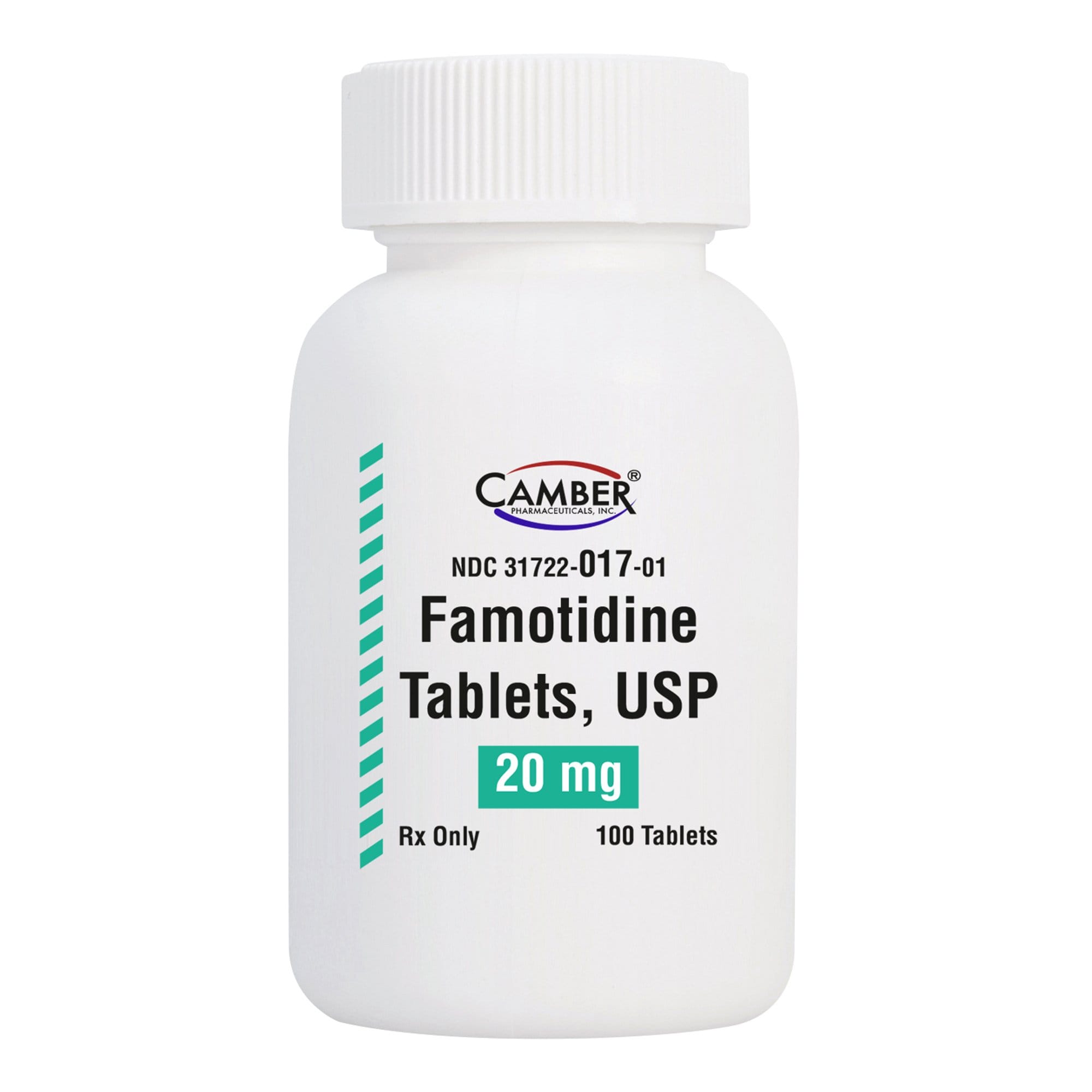
Famotidine
Buy Famotidine Online


Famotidine is an acid-reducing medicine known as a histamine-2 receptor antagonist, or H2 blocker. You can buy famotidine online, view the current price, and choose the strength shown during ordering so it matches the directions from your healthcare professional. Famotidine tablets are commonly used for acid-related conditions such as heartburn, acid reflux, gastroesophageal reflux disease, and certain ulcer conditions when an H2 blocker is appropriate.
This medicine works by reducing signals that tell the stomach to make acid. Lower acid levels can help relieve burning symptoms and support healing in conditions where excess acid irritates the esophagus or ulcer tissue. Use the strength, quantity, and tablet form exactly as directed by your clinician, and ask for clarification if the order instructions or medicine label do not match what you expected.
Famotidine Price, Tablet Strengths, and Quantity
Famotidine price depends on the strength, total tablet count, brand or generic status, and the product format chosen during ordering. Review the subtotal after choosing the exact tablet strength and quantity, because a lower unit figure may not reflect the total amount of medicine supplied. If you are comparing famotidine cost without insurance, focus on the same strength and tablet count for a fair comparison.
Common tablet strengths include famotidine 20 mg and famotidine 40 mg. These strengths contain different amounts of active ingredient, so they should not be treated as interchangeable unless a healthcare professional changes your directions. Tablet count affects how long the supply may last, but it does not determine how often to take the medicine.
Quick tip: Match the medicine name, strength, form, and quantity before checkout.
| Ordering detail | What to verify |
|---|---|
| Active ingredient | Confirm the medicine is famotidine. |
| Strength | Match the mg amount, such as 20 mg or 40 mg, to your directions. |
| Form | Confirm tablets are the intended form. |
| Quantity | Review the total tablet count and supply amount. |
| Brand status | Generic famotidine and Pepcid famotidine products may appear separately. |
Cash-pay totals may vary between generic and brand-related formats. Generic famotidine contains the same active ingredient name, but inactive ingredients, tablet appearance, packaging, and manufacturer information may differ. If appearance changes after a refill, compare the label and ask a pharmacist or clinician before taking a tablet that seems unfamiliar.
How to Order Famotidine Online
Order famotidine online by choosing the tablet strength and quantity that match your healthcare professional’s directions, then entering the requested order and delivery information. For US delivery from Canada, review the destination information and medicine details carefully before submitting the order. We may review order information when clarification is needed, and products are supplied through licensed pharmacies.
Accuracy matters more than choosing the most convenient-looking tablet. A 40 mg tablet is not the same as a 20 mg tablet, and changing the number of tablets can change the total amount taken. If your directions are unclear, pause the order and ask your clinician or pharmacist how the strength should be used.
Before payment, read the medicine name, tablet form, strength, and quantity one final time. This simple check helps prevent receiving a tablet strength that does not match the treatment plan. It also helps you compare famotidine cost from Canada or cash-pay totals using the same product attributes.
What Famotidine Treats
Famotidine reduces stomach acid and may be used for gastroesophageal reflux disease, acid reflux, heartburn, erosive esophagitis, and stomach or duodenal ulcers. In gastroesophageal reflux disease, acid repeatedly flows back into the esophagus and can cause burning, regurgitation, cough, or throat irritation. Reducing acid can make reflux less irritating while the underlying pattern is assessed and treated.
For heartburn, famotidine may be used when symptoms are related to acid and an H2 blocker fits the care plan. For peptic ulcer disease, lowering stomach acid can support ulcer healing and reduce irritation. Severe, persistent, or recurring symptoms should be assessed rather than repeatedly treated without follow-up.
Seek prompt medical care for trouble swallowing, vomiting blood, black or tarry stools, unexplained weight loss, persistent vomiting, severe abdominal pain, or chest discomfort that feels different from usual heartburn. Heart-related pain can sometimes feel like indigestion. Chest pressure, pain spreading to the arm or jaw, shortness of breath, sweating, fainting, or sudden weakness needs emergency evaluation.
Generic Pepcid and Brand-Name Context
Famotidine is the active ingredient associated with Pepcid products. A generic Pepcid product may be labeled as famotidine and may be offered in tablet strengths such as 20 mg or 40 mg when those strengths are available during ordering. The active ingredient and strength are the key comparison points when matching your directions.
Brand and generic products can differ in color, shape, imprint, inactive ingredients, packaging, and manufacturer. These differences do not automatically mean the medicine is wrong, but they are worth checking if you have allergies, sensitivities, or a history of reacting to tablet fillers. Keep the labeled container so the medicine can be identified accurately if questions arise.
Do not switch between famotidine and a different acid-reducing medicine just because another product is familiar. Proton pump inhibitors, antacids, protective agents, and H2 blockers work differently and may have different timing, interactions, and treatment lengths. Use the medicine class and strength chosen for your condition unless your clinician recommends a change.
How Famotidine Works and What to Expect
Famotidine blocks histamine-2 receptors in the stomach. Histamine is one of the chemical signals that stimulates acid production, so blocking that signal lowers acid output. This mechanism differs from proton pump inhibitors, which act on a later acid-production step, and from antacids, which neutralize acid already present in the stomach.
Some people use H2 blockers for symptoms that occur after meals or at night, while others use them as part of a longer plan for reflux or ulcer-related conditions. The best timing and duration depend on the condition being treated, kidney function, age, other medicines, and symptom pattern. Follow your label and clinician instructions rather than changing the famotidine dosage based on symptom intensity alone.
Keep a simple symptom record if you are starting or restarting therapy. Note when symptoms occur, whether food or lying down makes them worse, and whether side effects appear after doses. This information can help your clinician decide whether famotidine is working well enough or whether another evaluation is needed.
Storage, Handling, and Delivery Basics
Store famotidine tablets at room temperature unless the package label gives different instructions. Keep tablets away from excess heat, moisture, and direct sunlight. A bathroom cabinet may expose tablets to humidity, so a dry storage area is usually preferable.
Leave tablets in the original labeled container when possible. The label helps identify the active ingredient, strength, quantity, and any pharmacy directions. If you use a pill organizer, keep the original container until the medicine is finished so you can compare tablet appearance and instructions if needed.
During travel, carry the medicine in a labeled container and protect it from extreme heat or freezing temperatures. If a shipment or package arrives damaged, or if tablets look cracked, wet, discolored, or otherwise unusual, set them aside and ask for guidance before using them. Proper handling helps preserve tablet quality and reduces confusion between strengths.
Side Effects, Warnings, and Monitoring
Famotidine side effects can include headache, dizziness, constipation, diarrhea, nausea, or tiredness. These effects are often mild, but persistent or severe symptoms should be discussed with a clinician. Avoid driving or using machinery if dizziness or unusual drowsiness affects you.
Serious reactions are less common but need urgent care. Seek medical help for swelling of the face, lips, tongue, or throat; hives; breathing trouble; severe dizziness; fainting; confusion; fast or irregular heartbeat; or severe abdominal pain. New or worsening chest pain should not be assumed to be heartburn.
Kidney problems are an important safety consideration because famotidine is cleared partly through the kidneys. Older adults and people with reduced kidney function may be more sensitive to confusion, drowsiness, or other adverse effects. Do not adjust the dose on your own; ask a healthcare professional how kidney function affects your directions.
- Allergy history: mention prior reactions to famotidine or other H2 blockers.
- Kidney disease: ask whether monitoring or dose changes are needed.
- Pregnancy or nursing: discuss ongoing use with a healthcare professional.
- Persistent symptoms: report reflux, pain, or heartburn that returns quickly.
- Alarm signs: seek care for bleeding, weight loss, or swallowing trouble.
Famotidine may interact with medicines whose absorption depends on stomach acidity. Tell your clinician and pharmacist about all prescription medicines, over-the-counter products, supplements, antacids, and herbal products you use. Important examples may include certain HIV medicines, antifungals, cancer medicines, iron products, and other treatments affected by acid suppression.
Avoid combining several acid-reducing products unless a healthcare professional tells you to. Famotidine may be used with antacids or other acid medicines in some plans, but timing and purpose should be clear. Extra acid suppression can also mask symptoms that need evaluation.
Choosing Between Acid-Reduction Products
H2 blockers such as famotidine reduce acid by blocking histamine signals. Proton pump inhibitors reduce acid through a different pathway and are often used for different symptom patterns or treatment durations. Antacids act more directly by neutralizing existing stomach acid for short-term relief.
The gastrointestinal products category can help you browse related acid-reduction and digestive-health medicines. If you are comparing broader condition information, the gastrointestinal articles section may help explain how reflux, ulcers, and stomach acid symptoms are commonly discussed. Product comparisons should not replace individualized instructions from a clinician.
Some shoppers also notice famotidine in pet-medication contexts, but human and veterinary use should not be mixed. The pet medications category is separate from human treatment decisions. Never give your medicine to an animal, and never take a medicine intended for a pet.
Questions to Ask Before Reordering
Before reordering, ask whether the current strength still fits the care plan, especially if symptoms have changed. Heartburn that improves for a short time but keeps returning may need a different evaluation. Ulcer symptoms, reflux complications, or frequent nighttime symptoms may require follow-up rather than repeated self-directed changes.
Ask how long to continue famotidine, what to do if a dose is missed, and whether other medicines should be spaced apart. Also ask what symptoms should prompt urgent care. Clear instructions are especially important if you take medicines affected by stomach acid or have kidney disease.
Why it matters: Reflux and ulcer symptoms can improve while an underlying problem still needs monitoring.
Authoritative Sources
Patient drug information from the U.S. National Library of Medicine: MedlinePlus famotidine drug information summarizes uses, precautions, interactions, and adverse effects.
Clinical drug information from Mayo Clinic: Mayo Clinic famotidine oral-route monograph reviews common uses, cautions, and patient safety considerations.
This content is for informational purposes only and is not a substitute for professional medical advice.
eGFR Calculator
Estimate kidney filtration using the 2021 CKD-EPI creatinine equation.
eGFR
-
mL/min/1.73 m2
G category
-
requires clinical context
These calculations are for education only and do not replace clinical advice, diagnosis, or treatment. Always confirm medical decisions with a qualified healthcare professional.
Creatinine Clearance Calculator
Estimate creatinine clearance using the Cockcroft-Gault equation.
CrCl
-
mL/min estimate
These calculations are for education only and do not replace clinical advice, diagnosis, or treatment. Always confirm medical decisions with a qualified healthcare professional.
Express Shipping - from $29.99
Shipping with this method takes 3-5 days
Prices:
- Dry-Packed Products $29.99
- Cold-Packed Products $39.99
Standard Shipping - $19.99
Shipping with this method takes 5-10 days
Prices:
- Dry-Packed Products $19.99
- Not available for Cold-Packed products
What is famotidine used for?
Famotidine is an H2 blocker that reduces stomach acid. It may be used for heartburn, acid reflux, gastroesophageal reflux disease, erosive esophagitis, and stomach or duodenal ulcers when an acid-reducing medicine is appropriate.
Is famotidine the same as Pepcid?
Famotidine is the active ingredient associated with Pepcid products. Generic famotidine and Pepcid famotidine products may differ in appearance, packaging, inactive ingredients, or manufacturer, so match the active ingredient and strength to your directions.
What strengths of famotidine tablets are common?
Common tablet strengths include famotidine 20 mg and famotidine 40 mg. These strengths are different amounts of active ingredient and should not be substituted for each other unless a healthcare professional changes your instructions.
What are common famotidine side effects?
Common side effects may include headache, dizziness, constipation, diarrhea, nausea, or tiredness. Seek medical help for allergic reactions, fainting, confusion, irregular heartbeat, severe abdominal pain, or chest pain that could be heart-related.
Can famotidine interact with other medicines?
Yes. Because famotidine lowers stomach acid, it can affect absorption of some medicines, including certain HIV medicines, antifungals, cancer medicines, and iron products. Tell your clinician and pharmacist about all medicines and supplements you use.
How should famotidine tablets be stored?
Store famotidine tablets at room temperature unless the label says otherwise. Keep them away from excess heat, moisture, and direct sunlight, and keep the labeled container so the strength and directions can be identified.
Rewards Program
Earn points on birthdays, product orders, reviews, friend referrals, and more! Enjoy your medication at unparalleled discounts while reaping rewards for every step you take with us.
You can read more about rewards here.
POINT VALUE
How to earn points
- 1Create an account and start earning.
- 2Earn points every time you shop or perform certain actions.
- 3Redeem points for exclusive discounts.
You Might Also Like
Select options
This product has multiple variants. The options may be chosen on the product page
Select options
This product has multiple variants. The options may be chosen on the product page
Select options
This product has multiple variants. The options may be chosen on the product page
Select options
This product has multiple variants. The options may be chosen on the product page