
Please note: a valid prescription is required for all prescription medication.
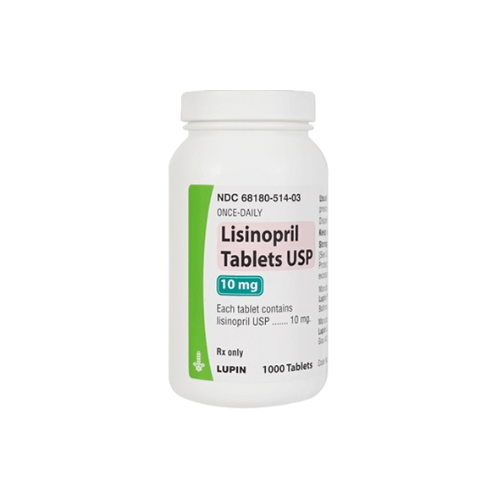
Lisinopril
Buy Lisinopril Online


Looking for Lisinopril 10 mg or another prescribed tablet strength? Compare current listed pricing, available tablet presentations, and key safety basics before you buy Lisinopril online with US delivery from Canada. A valid prescription is required, and the selected strength and quantity should match what your clinician prescribed.
Use this page to check the Lisinopril price factors that matter at checkout: tablet strength, quantity, pack size if shown, and whether your order is paid out of pocket or linked to coverage paperwork. The goal is simple: choose the listing that matches your prescription, then review the practical safety points before placing an order.
Lisinopril is an angiotensin-converting enzyme inhibitor, often shortened to ACE inhibitor, used for blood pressure and selected heart or kidney-related conditions. It is not the same as combination lisinopril with hydrochlorothiazide, so check the product name carefully.
Lisinopril 10 mg Price and Tablet Options
The listed price should be read together with the selected tablet strength and quantity. If you are checking Lisinopril cost without insurance, compare the actual listing details rather than assuming that every strength has the same total amount. A 30-tablet listing and a 90-tablet listing may look similar at first glance, but they represent different supplies.
Lisinopril price without insurance may also be affected by the route your order takes, the payment method used, and whether any prescriber details need confirmation. When comparing Lisinopril cash price options, focus on the product name, strength, and count before comparing totals.
| Detail to compare | Why it matters |
|---|---|
| Tablet strength | The strength must match your prescription, such as 5 mg, 10 mg, 20 mg, or 40 mg if listed. |
| Quantity | Tablet count affects the total supply shown on the product page. |
| Form | Lisinopril tablets are different from liquid formulations or combination blood pressure medicines. |
| Product name | Generic Lisinopril is not the same as lisinopril with hydrochlorothiazide. |
| Order details | Prescriber information should be available in case confirmation is needed. |
Quick tip: Match the strength first, then compare quantity and total listed amount.
How to Buy Lisinopril Online
To order Lisinopril online, start by choosing the correct tablet listing and confirming that the strength matches the prescription label. Then review the quantity and checkout information before submitting the order. Keep your prescriber details available because prescription details may be confirmed when needed.
CanadianInsulin.com may request supporting documents when they are needed to complete an order safely. This helps keep the selected product aligned with the written prescription and reduces the chance of ordering the wrong strength.
- Choose the tablet strength shown on your prescription.
- Compare the listed quantity and supply.
- Enter accurate patient and prescriber details.
- Check storage and safety information before checkout.
- Keep refill timing in mind to avoid gaps.
Some customers also review US shipping from Canada when comparing access options. Shipping language should not be read as a timeline promise; order planning should still account for prescription confirmation, product handling, and personal refill needs.
Product Details That Affect Ordering
Lisinopril medication is usually supplied as an oral tablet. The tablet strength is shown in milligrams, written as mg. Strength is not the same as tablet count, and it is not a dosing instruction by itself. Your clinician decides the appropriate regimen based on your condition, response, kidney function, and other medicines.
Common tablet strengths include Lisinopril 5 mg, Lisinopril 10 mg, Lisinopril 20 mg, and Lisinopril 40 mg. The product page may show one or more strengths as separate choices or listings. If the prescription says 10 mg, do not select 20 mg with the intention of splitting tablets unless your clinician specifically instructed that approach.
Check whether the listing is for plain lisinopril or a combination product. Lisinopril-hydrochlorothiazide contains a diuretic, sometimes called a water pill, and has different safety considerations. The names can look similar, especially when both include a 10 mg number.
Why it matters: A matching strength and product name reduce order delays and dispensing errors.
What This Blood Pressure Medication Is Used For
Lisinopril for hypertension is a common use because ACE inhibitors help relax blood vessels and reduce the workload on the heart. Clinicians may also prescribe it after certain heart problems or for kidney protection in selected patients, especially when diabetes and high blood pressure overlap.
This Lisinopril blood pressure medication is not a quick-relief medicine for chest pain or sudden symptoms. It is typically part of a longer-term treatment plan that may include blood pressure checks, kidney monitoring, electrolyte testing, and lifestyle measures recommended by a healthcare professional.
The High Blood Pressure category can help customers browse related cardiovascular listings when a prescriber changes therapy. The Managing Diabetes And Hypertension resource may be useful when blood pressure and glucose treatment plans overlap.
Tablet Strengths and Dose Matching
Lisinopril dosage decisions should come from a clinician, not from a product page or price comparison. A 10 mg tablet describes the amount of medicine in one tablet. It does not tell you whether that amount is right for your age, kidney function, blood pressure readings, or other prescriptions.
Customers often ask what Lisinopril 10 mg does. In general, this strength may be used as part of blood pressure treatment, but the clinical effect depends on the individual plan. Your clinician may start, maintain, or adjust Lisinopril doses based on response and lab results.
- Do not double doses to catch up unless instructed.
- Do not change timing without clinician guidance.
- Ask before splitting tablets.
- Report dizziness or fainting promptly.
- Keep lab appointments when ordered.
If your prescription was recently changed from 10 mg to 20 mg, select the updated listing only after confirming the new directions. Strength changes can affect blood pressure, potassium, and kidney-related monitoring.
Storage, Handling, and Travel Basics
Lisinopril tablets are generally stored at room temperature in a dry place, away from excess moisture and heat. Keep the bottle closed when not in use. A bathroom cabinet may be convenient, but steam and humidity can make it a poor storage location for many tablets.
Unlike refrigerated biologics or insulin products, lisinopril tablets are not usually managed as cold-chain items. Still, handling matters. Keep tablets in their original labeled container when possible, especially during travel or when another caregiver helps manage medicines.
When traveling, bring enough tablets for the planned trip and keep them away from extreme heat, direct sunlight, and checked-bag temperature swings when practical. If your supply is damaged, wet, or unusually discolored, ask a pharmacist or clinician before taking it.
Safety Information Before Buying
Review safety basics before buying Lisinopril tablets online. Common side effects can include dizziness, headache, tiredness, and a dry cough. Some people notice lightheadedness when standing, especially after starting therapy or when fluid intake, diuretics, or illness affects blood pressure.
Serious reactions need prompt medical attention. Angioedema, which means swelling under the skin, can involve the face, lips, tongue, throat, or airway. Seek emergency help for swelling, trouble breathing, or swallowing problems. This reaction can happen at any time during treatment.
Lisinopril can raise potassium levels and may affect kidney function. Your clinician may order blood tests, especially if you have kidney disease, diabetes, dehydration, heart failure, or take medicines that influence potassium. Report severe weakness, irregular heartbeat, very low urine output, or fainting.
The official labeling for medicines that affect the renin-angiotensin system warns about fetal injury and death when used during pregnancy. Tell your clinician right away if you are pregnant, planning pregnancy, or become pregnant while taking this medicine.
Interactions, Monitoring, and What to Avoid
Before taking lisinopril, tell your clinician about all prescription medicines, over-the-counter products, and supplements. Important interaction concerns include potassium supplements, potassium-containing salt substitutes, potassium-sparing diuretics, lithium, certain anti-inflammatory pain relievers, aliskiren in some patients with diabetes, and other blood pressure medicines.
Alcohol, dehydration, vomiting, diarrhea, or heavy sweating can increase the chance of dizziness or low blood pressure. The Low Blood Pressure and Hypertension article can help customers recognize why blood pressure changes matter, especially when diabetes is also present.
Monitoring may include home blood pressure logs and periodic blood tests for kidney function and potassium. The Diabetic Nephropathy resource may be relevant for customers whose clinician is balancing kidney protection, glucose control, and blood pressure therapy.
Avoid starting potassium supplements or salt substitutes without clinical guidance. Also ask before using frequent NSAIDs, such as ibuprofen or naproxen, because they may reduce blood pressure control and affect kidney function in some people.
Compare With Related Treatment Options
Lisinopril belongs to the ACE inhibitor class. Other blood pressure treatment classes include angiotensin receptor blockers, calcium channel blockers, beta blockers, and diuretics. These options are not interchangeable without a clinician because they work differently and carry different monitoring needs.
If cough, swelling, high potassium, kidney changes, or pregnancy planning becomes an issue, your clinician may consider a different approach. Do not switch products just because another listing has a different price or tablet count. The safest comparison starts with the prescribed medicine and the reason it was chosen.
Customers should also compare plain lisinopril against combination products carefully. A lisinopril and hydrochlorothiazide tablet may include two active ingredients, even when the lisinopril portion looks familiar. That difference can affect side effects, lab monitoring, and fluid balance.
Authoritative Sources
Key clinical facts on this page align with regulator-backed and medical references. Use them to confirm safety topics with your healthcare professional.
- Mayo Clinic lisinopril reference outlines uses and safety considerations.
- NHS lisinopril medicine page summarizes common side effects and cautions.
- NCBI StatPearls monograph reviews pharmacology, dosing ranges, and monitoring.
This content is for informational purposes only and is not a substitute for professional medical advice.
Express Shipping - from $25.00
Shipping with this method takes 3-5 days
Prices:
- Dry-Packed Products $25.00
- Cold-Packed Products $35.00
Standard Shipping - $15.00
Shipping with this method takes 5-10 days
Prices:
- Dry-Packed Products $15.00
- Not available for Cold-Packed products
What does 10 mg of lisinopril do?
Lisinopril 10 mg is one tablet strength used in some blood pressure treatment plans. As an ACE inhibitor, lisinopril helps relax blood vessels, which can lower blood pressure and reduce strain on the heart. The 10 mg amount does not tell whether it is the right dose for a specific person. Clinicians choose and adjust therapy based on blood pressure readings, kidney function, potassium levels, age, other medicines, and treatment goals.
What is the biggest side effect of lisinopril?
A dry cough is one of the better-known side effects of lisinopril, but the most serious concerns include angioedema, high potassium, kidney function changes, severe dizziness, and fetal harm during pregnancy. Angioedema can cause swelling of the face, lips, tongue, throat, or airway and needs urgent care. Any troubling or persistent symptom should be discussed with a healthcare professional, especially after a dose change or a new interacting medicine.
When is the best time of day to take lisinopril 10 mg?
The best time depends on the prescription directions and how the person responds. Some people take lisinopril in the morning, while others take it later in the day if their clinician recommends that schedule. Taking it consistently at the same time can help maintain a routine. If dizziness, nighttime urination from other medicines, or missed doses are a concern, ask the prescriber or pharmacist before changing the schedule.
What should I avoid while taking lisinopril?
Avoid potassium supplements or potassium-containing salt substitutes unless a clinician approves them, because lisinopril can raise potassium levels. Ask before using frequent NSAID pain relievers, such as ibuprofen or naproxen, especially if kidney disease, dehydration, or diuretic use is present. Alcohol, vomiting, diarrhea, or heavy sweating can increase dizziness or low blood pressure. Do not stop or change the medicine without medical guidance.
What should I ask my clinician before using lisinopril?
Ask why lisinopril was chosen, which strength and schedule to follow, and what blood pressure range should prompt a call. It is also useful to ask whether kidney function or potassium blood tests are needed, what symptoms require urgent care, and how to handle missed doses. Tell the clinician about pregnancy plans, kidney disease, diabetes, dehydration episodes, and all prescription, over-the-counter, and supplement products.
Rewards Program
Earn points on birthdays, product orders, reviews, friend referrals, and more! Enjoy your medication at unparalleled discounts while reaping rewards for every step you take with us.
You can read more about rewards here.
POINT VALUE
How to earn points
- 1Create an account and start earning.
- 2Earn points every time you shop or perform certain actions.
- 3Redeem points for exclusive discounts.
You Might Also Like
Select options
This product has multiple variants. The options may be chosen on the product page
Select options
This product has multiple variants. The options may be chosen on the product page
Select options
This product has multiple variants. The options may be chosen on the product page
Select options
This product has multiple variants. The options may be chosen on the product page
Related Articles
Type 2 Diabetes,
Does Metformin Cause Weight Loss? Expectations and Limits
Yes, metformin can cause modest weight loss in some people, but it is not primarily a weight-loss drug. If you are asking does metformin cause weight loss, the practical answer…
Women’s Health
Non Hormonal Contraception: Options, Risks, and Fit
Non hormonal contraception means birth control that prevents pregnancy without using estrogen or progestin. Common options include the copper IUD, condoms, diaphragms, spermicides or contraceptive gels, fertility awareness-based methods, withdrawal,…
Weight Management
Weight Loss With Saxenda: Expectations, Risks, and Next Steps
Weight loss with Saxenda is usually gradual, not dramatic at the start. Saxenda is the brand name for liraglutide, a GLP-1 receptor agonist, which is a medicine class that can…
Type 2 Diabetes,
Semaglutide Weight Loss Medication: Safety, Options, and Expectations
A semaglutide weight loss medication is a GLP-1 receptor agonist (a hormone-mimicking drug that can reduce appetite) used in some settings to support chronic weight management. It changes hunger and…