

Yes, metformin can cause modest weight loss in some people, but it is not primarily a weight-loss drug. If you are asking does metformin cause weight loss, the practical answer is that some adults lose a small amount over time, some stay about the same, and some notice no meaningful change. That matters because expectations are often too high. Metformin is best understood as a diabetes medicine that may be weight-neutral or modestly weight-reducing, not a rapid body-fat treatment.
Key Takeaways
- Modest effect: Metformin may support small weight loss, but not for everyone.
- Slow timeline: Changes usually develop over months, not days.
- Mechanism varies: Appetite, insulin resistance, and glucose control may all play a role.
- No spot reduction: It does not target belly fat specifically.
- Safety matters: Persistent digestive symptoms, dehydration, or rapid unexplained weight loss need medical review.
Does Metformin Cause Weight Loss in Practice?
Metformin sometimes causes weight loss, but the effect is usually limited. In routine diabetes care, clinicians often describe it as weight-neutral to modestly weight-reducing. That means it may help some people avoid weight gain. Others may lose a small amount, especially when insulin resistance is part of the picture.
Insulin resistance means the body’s cells do not respond well to insulin. When that happens, blood sugar and hunger patterns can become harder to manage. Metformin lowers glucose made by the liver and can improve how the body uses insulin. For some people, that steadier metabolic pattern may make appetite easier to regulate.
Digestive symptoms can also affect eating early on. Nausea, loose stools, gas, bloating, and reduced appetite are common reasons people eat less after starting metformin. That may move the scale, but it is not always healthy or sustainable weight loss. If weight is dropping because you cannot eat or keep fluids down, that needs clinical review.
Why it matters: The same scale change can have very different causes.
How Much Weight Change Is Realistic?
Weight change with metformin is usually gradual and often small. Many adults do not see much change during the first month. Some see none at all. When weight loss occurs, it is more often measured over several months than over a few days or weeks.
A common follow-up question is how much weight someone can lose in one month. The honest answer is often “not much,” and one month can be misleading. Fluid shifts, constipation, meal timing, menstrual changes, and scale variability can hide or exaggerate early changes. A several-month trend is usually more useful than one weigh-in.
People also ask whether metformin reduces belly fat. There is no reliable way to use metformin for spot reduction. If weight changes happen, they usually reflect overall body weight, appetite patterns, and metabolic health. Waist size may improve for some people, but that usually tracks with broader changes in diet, activity, sleep, and insulin sensitivity.
A practical approach is to track the same variables each week. Use body weight, waist size, appetite, energy, and side effects. A stable weight can still represent progress if blood sugar markers improve or if weight gain slows after starting treatment.
This calculator can help you track general weight change and percentage progress toward a goal. It does not predict your response to metformin or replace clinical guidance.
Weight-Loss Progress Calculator
Track percentage body-weight change and progress toward a target weight.
These calculations are for education only and do not replace clinical advice, diagnosis, or treatment. Always confirm medical decisions with a qualified healthcare professional.
Why Results Differ From Person to Person
The answer to does metformin cause weight loss depends heavily on the starting point. A person with type 2 diabetes, prediabetes, polycystic ovary syndrome, or marked insulin resistance may respond differently from someone taking it for another reason. Starting weight, eating patterns, activity, sleep, stress, and other medicines can all shape the result.
Other diabetes medicines matter too. Some treatments are more likely to contribute to weight gain, while others are more weight-neutral. In that setting, metformin may help by avoiding extra weight gain rather than producing a large loss by itself. That distinction is easy to miss, but it changes expectations.
No visible weight loss does not automatically mean metformin is failing. If A1C, fasting glucose, or other metabolic markers improve, the medicine may still be doing what it was prescribed to do. Weight is only one outcome, and it is not always the main reason metformin is used.
It is also worth correcting a common misconception. Metformin remains widely used in type 2 diabetes care. People may hear less about it in weight-loss conversations because newer medicines are more directly associated with weight-management goals. For broader reading, the Type 2 Diabetes collection and Weight Management collection provide related educational content.
Taking Metformin Without Diabetes
Metformin is sometimes discussed outside type 2 diabetes, but it is not a do-it-yourself weight-loss medicine. Some clinicians may consider it for selected people with metabolic risk factors, insulin resistance, or other conditions where it may fit the full clinical picture. That decision depends on medical history, labs, kidney function, other medicines, and the reason for treatment.
Someone asking for metformin only to lose weight may receive a different recommendation than someone with clear glucose or insulin-resistance concerns. The safety review is also different for people with kidney disease, dehydration risk, heavy alcohol use, acute illness, or other factors that can change medication risk.
Before expecting weight loss, it helps to clarify the treatment goal. Is the main target blood sugar, insulin resistance, weight stability, or another metabolic marker? The answer affects how progress should be judged. A focused discussion can also help decide when to reassess the plan if the scale barely moves.
- Treatment goal: Ask what outcome matters most.
- Expected range: Clarify what counts as meaningful change.
- Review point: Set a time to assess response.
- Side-effect plan: Know which symptoms are common.
- Monitoring needs: Ask about kidney function and vitamin B12.
How Metformin Compares With Newer Weight-Management Medicines
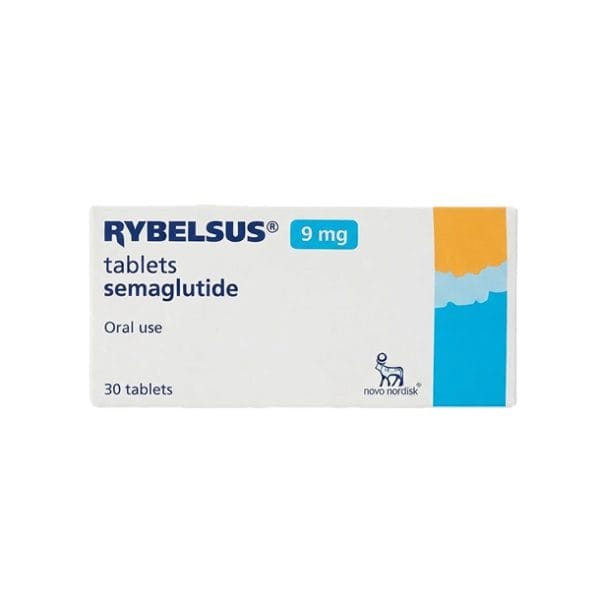
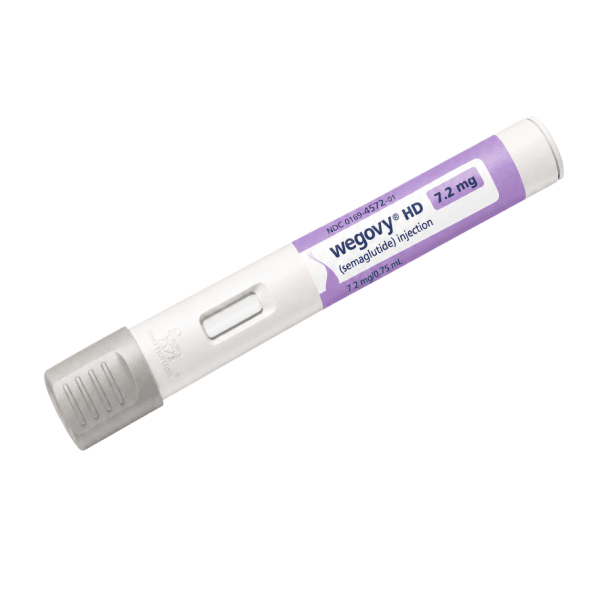
Metformin has a different role from GLP-1 receptor agonists and dual incretin medicines. It is mainly used for glucose control and metabolic support. Weight loss, when it happens, is usually a secondary effect. Newer incretin-based medicines are often discussed with weight change as a central treatment outcome.
That does not mean one option is best for every person. The right comparison starts with the treatment goal. Blood sugar control, cardiovascular risk, kidney function, gastrointestinal tolerance, other medicines, and access considerations can all change the discussion. A person mainly seeking glucose control may have different priorities than someone whose main concern is weight management.
If you want more context on diabetes medicines and body weight, see Diabetes Medications and Weight Loss. For a metformin-focused discussion, Metformin Weight Loss covers a related angle. The Type 2 Diabetes medical-condition page can also help readers browse condition-related options without replacing a prescriber’s advice.
Where prescription treatment is involved, prescription details may need confirmation with the prescriber. Dispensing and fulfillment are handled by licensed third-party pharmacies where permitted.
Side Effects That Can Affect Weight
Digestive symptoms are often the first effects people notice with metformin. Nausea, diarrhea, abdominal discomfort, gas, bloating, and a metallic taste can occur. These symptoms may reduce appetite, which can make the scale drop. Sometimes appetite returns as the body adjusts, and weight then stabilizes.
If you are still wondering does metformin cause weight loss or mainly reduce appetite, the answer may be both for some people. The effect is not only appetite-related, and not every person with appetite changes loses body fat. Weight can also fall for less welcome reasons, such as dehydration, ongoing diarrhea, or another illness.
Long-term use can raise monitoring questions. Clinicians may review kidney function and, in some people, vitamin B12 status over time. Metformin may not be appropriate during certain acute illnesses or in people with significant kidney problems. Serious reactions are rare, but severe weakness, trouble breathing, fainting, persistent vomiting, or signs of dehydration should be taken seriously.
Quick tip: Keep a simple log of weight, appetite, bowel changes, and energy.
Call a clinician sooner if weight loss is rapid, unplanned, or paired with red-flag symptoms. These include ongoing vomiting, inability to keep fluids down, confusion, severe abdominal symptoms, or fainting. Unexplained weight loss should not automatically be blamed on metformin.
Questions to Ask Before Judging the Scale
The better question is often not only “will I lose weight?” but “what are we trying to improve?” That may be A1C, fasting glucose, insulin resistance, medication tolerance, or long-term risk reduction. Weight can matter, but it is only one part of the overall plan.
It also helps to separate medication effects from lifestyle and health changes. A new eating pattern, more activity, illness, reduced alcohol intake, poor sleep, or stress can all affect weight. If several changes happen at once, it becomes harder to know what metformin contributed.
Consider asking these questions at a medication review:
- Main reason: Why was metformin chosen?
- Weight expectation: What change would be realistic?
- Lab markers: Which results matter most?
- Side effects: Which symptoms should be reported?
- Other medicines: Could another drug affect weight?
- Next step: When should the plan be revisited?
Some readers also compare metformin with combination medicines that include it. If that is relevant to your care discussion, Janumet and Weight Loss provides related context. For another diabetes comparison, see Invokana and Metformin.
Authoritative Sources
- NHS guidance on common metformin questions
- Cleveland Clinic Journal review on metformin for weight loss
- PubMed Central review of mechanisms in obesity and weight loss
So, does metformin cause weight loss for everyone? No. For many adults, the effect is small, slow, or absent. Metformin is better viewed as a metabolic treatment that may support modest weight change in the right context. If weight management is the main goal, the next step is a focused discussion about expectations, side effects, monitoring, and whether another approach fits better.
This content is for informational purposes only and is not a substitute for professional medical advice.