
Please note: a valid prescription is required for all prescription medication.
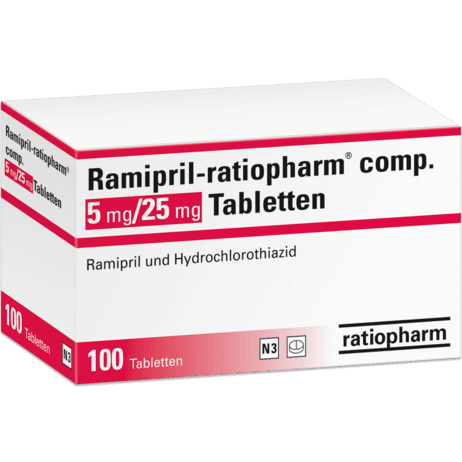
Ramipril HCTZ
Ramipril HCTZ Tablets: How to Buy and Use Safely
Price:
$61.99
You save


Ramipril HCTZ is a prescription oral tablet that combines two medicines used to lower blood pressure. It is commonly prescribed for hypertension (high blood pressure) when a single medication is not enough. This page summarizes how the combination works, typical use basics, safety concerns, and practical handling points.
What Ramipril HCTZ Is and How It Works
This medication combines ramipril (an ACE inhibitor, or angiotensin-converting enzyme blocker) with hydrochlorothiazide (a thiazide diuretic, sometimes called a “water pill”). Ramipril reduces formation of angiotensin II, a hormone that tightens blood vessels, which can help vessels relax and lower blood pressure. Hydrochlorothiazide increases sodium and water excretion through the kidneys, which can reduce fluid volume and also lower blood pressure. Together, the two components may provide a stronger blood-pressure effect than either alone in some people.
CanadianInsulin can help verify prescription details with the prescriber when needed. Some patients explore US shipping from Canada when coordinating refills for chronic therapy. Even with a stable regimen, blood pressure goals and monitoring plans should be individualized by a clinician, especially for people with kidney disease, diabetes, or heart disease.
Who It’s For
This combination is generally used to treat hypertension in adults when combination therapy is appropriate. Clinicians may choose a fixed-dose combination to simplify a regimen for someone already taking both components separately, or for someone who needs more than one type of blood-pressure medicine. High blood pressure often has no symptoms, so treatment decisions are usually based on measurements over time and the person’s overall cardiovascular risk profile. For condition context and related options, some people browse the Hypertension Hub and the Cardiovascular Products listing.
It may not be appropriate for everyone. ACE inhibitors are contraindicated in pregnancy because they can harm the developing fetus, particularly in the second and third trimesters. People with a history of angioedema (rapid swelling of the face, lips, tongue, or throat), especially related to an ACE inhibitor, may be advised to avoid this class. Because hydrochlorothiazide affects fluid and electrolytes, clinicians also use extra caution in people with severe kidney impairment, dehydration, or certain electrolyte abnormalities.
Dosage and Usage
Ramipril HCTZ is taken by mouth as directed on the prescription label. Many fixed-dose ACE inhibitor/diuretic combinations are used once daily, but the exact schedule and titration depend on the prescribed strength and individual response. A prescriber may adjust therapy based on blood pressure readings, kidney function, and electrolyte labs. If a dose is missed, standard label guidance is often to take it when remembered unless it is close to the next dose; double-dosing is generally avoided unless a clinician directs otherwise.
Quick tip: Taking the dose at a consistent time can help with routine and monitoring.
Because hydrochlorothiazide increases urination, timing can matter for daily activities and sleep. A clinician may suggest taking it earlier in the day to reduce nighttime bathroom trips, if that fits the prescribed schedule. If the medicine causes dizziness, getting up slowly from sitting or lying positions can reduce fall risk. For people tracking home readings, recording blood pressure at similar times with similar conditions (rested, seated) helps make measurements easier to interpret over time.
Strengths and Forms
This treatment is supplied as an oral tablet containing a fixed dose of ramipril and hydrochlorothiazide. Fixed-dose combinations come in multiple strength options in many markets, and availability can vary by jurisdiction and pharmacy. The prescribed strength is chosen to match the patient’s prior therapy, blood pressure response, and tolerance. If a switch is made from separate pills to a combination tablet, clinicians typically consider whether the dose of each component stays equivalent.
Labels and tablet appearance can differ by manufacturer. In practice, the medicine may be dispensed as a generic fixed-dose combination, and the tablet’s imprint and color may change when the pharmacy changes suppliers. That does not necessarily mean the medication is different, but it is reasonable to confirm the name and strength on the bottle. Keeping an up-to-date medication list, including over-the-counter products, can also reduce errors during clinic visits or transitions of care.
Storage and Travel Basics
Store tablets at room temperature in a dry place, away from excess heat and moisture. Many tablets are sensitive to humidity, so keeping them in the original container with the lid closed can help maintain stability. Bathrooms and kitchen areas near sinks can be more humid than other rooms. If a desiccant (drying packet) is included in the bottle, it is usually meant to stay inside the container.
For travel, carry medication in the original labeled container to reduce mix-ups and to support identification if care is needed away from home. If you use a pill organizer, consider bringing a small photo of the label or a printed medication list as backup. Avoid leaving medicines in hot cars or in direct sunlight. If you are managing multiple conditions (for example, hypertension and diabetes), consolidating supplies and lab schedules may also help; related reading appears in Cardiovascular Articles and in resources like Managing Diabetes Hypertension.
Side Effects and Safety
Like many blood-pressure medications, this combination can cause side effects, especially when starting or after dose changes. Common effects may include dizziness or lightheadedness (from lower blood pressure), increased urination (from the diuretic), headache, or fatigue. Ramipril can also cause a persistent dry cough in some people. Hydrochlorothiazide can contribute to electrolyte shifts, such as low sodium or low potassium, and may affect blood sugar or uric acid levels in susceptible individuals.
More serious reactions are uncommon but important to recognize. Ramipril can rarely cause angioedema, which can be life-threatening if it affects breathing. Kidney function can worsen in some settings, particularly with dehydration, severe heart failure, or narrowed kidney arteries. Changes in potassium can occur in either direction depending on clinical context and other medications. Ramipril HCTZ should be used with special caution if there is a history of severe allergic reactions or significant kidney disease.
Why it matters: Routine lab monitoring helps detect kidney and electrolyte changes early.
| What to watch | Why it may matter | General next step |
|---|---|---|
| Severe facial or throat swelling | Possible angioedema | Seek urgent medical care |
| Fainting, severe dizziness | Low blood pressure or dehydration | Contact a clinician promptly |
| Very low urine output | Possible kidney stress | Contact a clinician promptly |
| Muscle cramps or weakness | Possible electrolyte imbalance | Discuss symptoms and labs |
Drug Interactions and Cautions
Many interactions relate to blood pressure, kidney function, and electrolytes. Medicines that also lower blood pressure can increase the chance of lightheadedness. Nonsteroidal anti-inflammatory drugs (NSAIDs) may reduce the blood-pressure effect in some people and can increase kidney risk, especially with dehydration. Other drugs that affect potassium (such as potassium supplements, salt substitutes containing potassium, or certain diuretics) may raise the risk of abnormal potassium levels when combined with an ACE inhibitor.
Clinicians also screen for interactions with lithium (which can increase to toxic levels with some diuretics), certain diabetes medicines, and alcohol (which can worsen dizziness). If you have diabetes, kidney disease, or a history of high potassium, it helps to review all medicines and supplements before starting therapy. Background reading that some patients find helpful includes Insulin And Potassium and Insulin And Hyperkalemia, since potassium balance can be relevant across conditions. Always discuss new symptoms, lab changes, or added medications with a clinician or pharmacist.
Compare With Alternatives
Blood pressure management often involves more than one medication class, and choices depend on age, kidney function, diabetes status, cardiovascular history, and side-effect tolerance. One alternative is using a single agent, such as an ACE inhibitor alone or a thiazide diuretic alone, especially early in treatment. Another approach is combining different classes using separate tablets, which can allow more flexible dose adjustments if one component needs to change.
Other commonly used classes include angiotensin receptor blockers (ARBs), calcium channel blockers, and beta blockers in selected situations. Some patients with diabetes look for care plans that consider both conditions; the guide Diabetes High Blood Pressure outlines why clinicians often treat these risks together. For people with kidney complications, resources like Diabetic Nephropathy can help explain why kidney monitoring and blood pressure control are closely linked.
Pricing and Access
Ramipril HCTZ is a prescription medication, so access typically requires a valid prescription and appropriate clinical follow-up. Coverage and out-of-pocket expenses can vary widely based on insurance formularies, generic availability, and the prescribed strength and quantity. People who are without insurance sometimes compare cash-pay options, but costs still depend on pharmacy sourcing and local rules. If you are reviewing coverage, it can help to have the exact drug name, strength, and tablet count from the prescription.
Dispensing and fulfilment are handled by licensed third-party pharmacies where permitted. Documentation requirements may include confirming the prescriber, verifying patient details, and ensuring the prescription is appropriate for the destination jurisdiction. For those seeking general site updates, CanadianInsulin maintains a Promotions Overview page, though any eligibility or applicability depends on the medication and regulations. Broader cardiovascular risk education may also be useful alongside medication review, such as Diabetes Heart Connection.
Authoritative Sources
For FDA-label details and professional prescribing information, see the listing on DailyMed from the U.S. National Library of Medicine.
For patient-friendly medication explanations and safety topics, review MedlinePlus drug information from the NIH.
Where permitted, fulfilment may use prompt, express, cold-chain shipping when clinically appropriate.
This content is for informational purposes only and is not a substitute for professional medical advice.
Express Shipping - from $25.00
Shipping with this method takes 3-5 days
Prices:
- Dry-Packed Products $25.00
- Cold-Packed Products $35.00
Standard Shipping - $15.00
Shipping with this method takes 5-10 days
Prices:
- Dry-Packed Products $15.00
- Not available for Cold-Packed products
What is Ramipril HCTZ used for?
Ramipril HCTZ is used to treat hypertension (high blood pressure). It combines an ACE inhibitor (ramipril), which relaxes blood vessels, with a thiazide diuretic (hydrochlorothiazide), which helps the body remove extra salt and water. Clinicians may use a combination when one medicine alone does not adequately control blood pressure, or when a person is already taking both components separately. Treatment choice depends on overall cardiovascular risk, kidney function, and how well the medicine is tolerated.
How does ramipril and hydrochlorothiazide lower blood pressure?
The two ingredients work in different ways. Ramipril blocks the angiotensin-converting enzyme, lowering angiotensin II levels and reducing blood-vessel tightening. This can lower blood pressure and reduce strain on the heart. Hydrochlorothiazide increases sodium and water excretion by the kidneys, which can lower fluid volume and reduce blood pressure. Because the mechanisms are complementary, the combination can be effective for some patients, but it can also increase the need for monitoring of blood pressure, kidney function, and electrolytes.
What side effects should I watch for with ramipril hydrochlorothiazide tablets?
Common side effects can include dizziness, lightheadedness, increased urination, headache, or fatigue. A persistent dry cough can occur with ACE inhibitors like ramipril. More serious concerns include swelling of the face, lips, tongue, or throat (possible angioedema), fainting, or signs of kidney stress such as very low urine output. Because hydrochlorothiazide can affect electrolytes, symptoms like unusual muscle cramps or weakness should be discussed with a clinician, especially if they occur suddenly or worsen.
Does ramipril hydrochlorothiazide affect potassium or kidney function?
It can. ACE inhibitors may increase potassium in some people, while thiazide diuretics more often lower potassium, so the net effect varies by individual and by other medicines. Both components can influence kidney function, particularly if a person is dehydrated, has severe heart failure, or takes interacting drugs such as NSAIDs. Clinicians commonly monitor creatinine (kidney function) and electrolytes after starting therapy and during follow-up. Reporting vomiting, diarrhea, or poor fluid intake is important because these can raise dehydration risk.
Can I take ramipril hydrochlorothiazide with NSAIDs or other blood-pressure medicines?
Some combinations require caution and monitoring. NSAIDs (such as ibuprofen or naproxen) may reduce the blood-pressure effect in some people and can increase kidney risk, especially when combined with an ACE inhibitor and a diuretic. Other blood-pressure medicines can further lower blood pressure and increase dizziness risk. Certain products that raise potassium (supplements or salt substitutes) may also be an issue. A clinician or pharmacist can review your full medication list, including over-the-counter products, to identify interaction risks.
What should I ask my clinician before starting Ramipril HCTZ?
Useful questions include: what blood pressure goal is being targeted, how and when to check home readings, and what labs will be monitored (kidney function and electrolytes are common). It also helps to ask about pregnancy precautions (ACE inhibitors are contraindicated in pregnancy), what to do during dehydration or illness, and whether any current medicines or supplements could interact. If you have gout, diabetes, kidney disease, or a history of angioedema, mention this clearly so the prescriber can weigh benefits and risks.
Is ramipril hctz a generic, and does the tablet appearance matter?
In many regions, the ramipril/hydrochlorothiazide combination is available as a generic medication. Pharmacies may change manufacturers over time, which can change tablet color, shape, or imprint. A different appearance does not necessarily mean the medicine is incorrect, but it should match the name and strength on the label. If something looks unfamiliar, confirm it with the dispensing pharmacy before taking it. Keeping a current medication list and bringing the bottle to appointments can reduce confusion and dosing errors.
Rewards Program
Earn points on birthdays, product orders, reviews, friend referrals, and more! Enjoy your medication at unparalleled discounts while reaping rewards for every step you take with us.
You can read more about rewards here.
POINT VALUE
How to earn points
- 1Create an account and start earning.
- 2Earn points every time you shop or perform certain actions.
- 3Redeem points for exclusive discounts.
You Might Also Like
Select options
This product has multiple variants. The options may be chosen on the product page
Select options
This product has multiple variants. The options may be chosen on the product page
Select options
This product has multiple variants. The options may be chosen on the product page
Select options
This product has multiple variants. The options may be chosen on the product page
Related Articles
Type 2 Diabetes,
Generic Ozempic Explained for Patients and Caregivers
Key Takeaways People searching generic ozempic are usually trying to confirm whether a lower-cost semaglutide option is a true approved equivalent, a compounded product, or a different diabetes medicine. Separate…
Uncategorized
Rybelsus Generic: A Patient Guide to Current Options
Key TakeawaysMany people searching for rybelsus generic are trying to answer one practical question: is there a true lower-cost equivalent tablet, or only the brand product and look-alike alternatives?Brand and…
Type 2 Diabetes,
Generic Liraglutide For Weight Loss: A Practical Guide
People searching for generic liraglutide for weight loss usually want clear answers on three points: whether an approved lower-cost version exists, how it differs from brand-name products, and what access…
Type 2 Diabetes,
Liraglutide Vs Semaglutide Comparison Guide For Patients
Key Takeaways People searching liraglutide vs semaglutide usually want a practical comparison, not a slogan. The most useful differences involve formulation, schedule, approved uses, side effect patterns, and the paperwork…