
Please note: a valid prescription is required for all prescription medication.
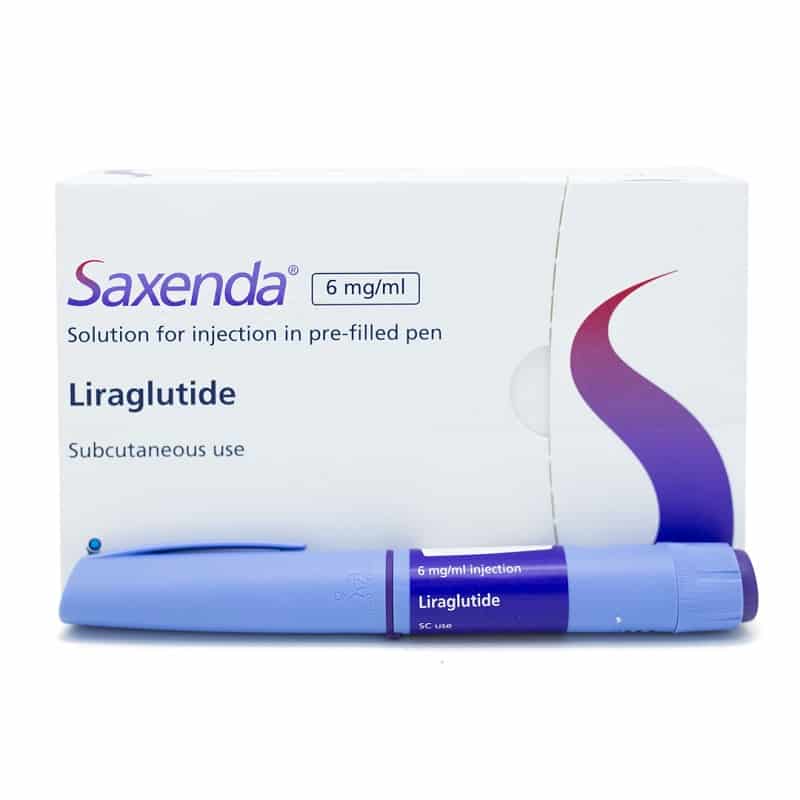
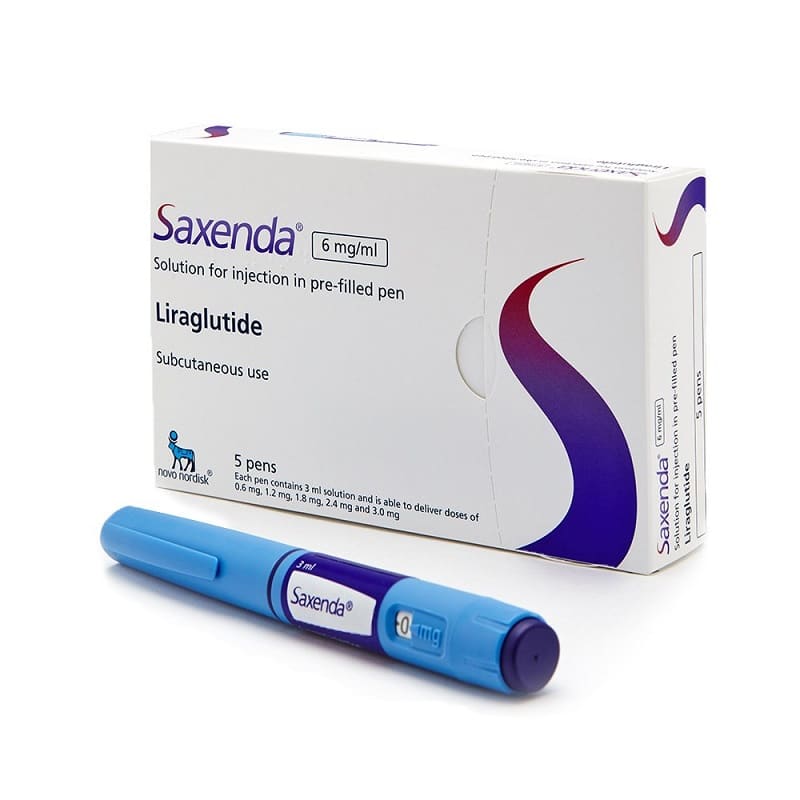
Saxenda
Saxenda: How to Buy It and What to Know
Price:
$499.99
You save


Saxenda is a prescription injection used for chronic weight management in certain adults and some adolescents, and this page helps patients evaluate how to buy it through a compliant referral process. Before pursuing this medicine, it helps to know who may be eligible, what it is used for, and the main safety issues that can affect whether it is appropriate. Some patients explore US delivery from Canada when reviewing access options, but prescription and jurisdiction rules still apply.
How to Buy Saxenda and What to Know First
Liraglutide is a glucagon-like peptide-1 GLP-1 receptor agonist, a medicine class that can reduce appetite and increase fullness as part of a broader weight-management plan. This site supports a referral process rather than direct in-house dispensing. Because this is an injectable prescription treatment, the starting point is usually confirming the intended use, reviewing medical history, and checking for reasons it may be unsafe.
Its effect is based on appetite regulation and slower stomach emptying, not stimulant-like energy boosting. That distinction matters because people searching for a quick weight-loss shot may miss the need for gradual dose escalation, side-effect monitoring, and regular follow-up during the first month and beyond.
For many patients, the key questions come before payment or logistics. Important screening points include a history of medullary thyroid carcinoma, multiple endocrine neoplasia syndrome type 2, pancreatitis, pregnancy, severe stomach symptoms, and use of other diabetes medicines that can lower blood sugar. People comparing therapy categories can browse the Weight Management hub or related Weight Management Articles for broader context.
This medicine is a daily injection rather than a tablet. That matters when comparing device handling, storage, and dose-escalation steps with other options, especially for patients who want to understand what regular use involves before moving ahead.
Who It’s For and Access Requirements
At a high level, this treatment may be considered for adults with obesity or with overweight plus at least one weight-related medical problem, such as high blood pressure, abnormal cholesterol, or type 2 diabetes. In some jurisdictions, it may also be used in certain adolescents with obesity. Exact BMI thresholds, age criteria, and local labeling can differ, so prescription review usually includes weight history, current health conditions, and previous management attempts.
Access review may also look at prior weight-management measures, whether symptoms need investigation before treatment starts, and whether the expected use matches the approved indication. The aim is to decide whether the prescription fits safely, not simply whether an injectable option is of interest.
Condition background can be useful when comparing options. The site sections on Obesity and Overweight outline common treatment pathways and the role of lifestyle changes alongside medicines.
It is generally not appropriate during pregnancy, for patients with a personal or family history of certain thyroid cancers, or as a substitute for insulin. It also is not intended as a short-term cosmetic appetite suppressant. Eligibility depends on the approved indication, individual risk factors, and clinician judgment rather than interest alone.
Why it matters: Early screening can prevent starting a medicine that is a poor fit or needs closer monitoring.
Dosage and Usage
Saxenda is injected once daily under the skin, usually in the abdomen, thigh, or upper arm, and it can be taken with or without food. It is not meant for intravenous or intramuscular use. The labeled approach starts with a low dose and increases gradually to reduce stomach-related effects. The schedule below is a general label-based outline, not personal dosing advice.
- Week 1: 0.6 mg once daily.
- Week 2: 1.2 mg once daily.
- Week 3: 1.8 mg once daily.
- Week 4: 2.4 mg once daily.
- Week 5 and after: 3 mg once daily if tolerated and prescribed.
Daily use matters because the medicine is designed for steady exposure rather than occasional appetite suppression. A clinician may slow the escalation if stomach symptoms are difficult, and some patients do not remain on treatment if the target dose is not tolerated. That is one reason follow-up is part of appropriate prescribing.
Dose timing is usually kept consistent from day to day. Pens should not be shared, even if the needle is changed, and injection sites should be rotated to reduce local irritation. For general device context, the guide on Insulin Pen Vs Syringe explains handling differences across common injection formats.
The label also matters after missed doses. If several days of treatment are skipped, re-titration may be needed rather than restarting at the highest daily amount. Patients who are also using glucose-lowering therapy may need more individualized monitoring because nausea, reduced food intake, and low blood sugar risk can overlap.
Strengths and Forms
Saxenda comes as a prefilled multidose pen for subcutaneous use, meaning an injection under the skin. The standard branded presentation is liraglutide 18 mg/3 mL, which equals 6 mg/mL. There is no tablet version, so search results or forum posts about pills usually reflect confusion with other weight-management medicines.
| Presentation | Strength | What to know |
|---|---|---|
| Prefilled multidose pen | 18 mg/3 mL | Delivers adjustable daily doses as directed on the label. |
| Solution concentration | 6 mg/mL | Used for weekly dose escalation and daily maintenance when tolerated. |
The pen format allows gradual weekly titration and then a fixed daily maintenance amount if the medicine is tolerated. This is different from a single-use autoinjector and different from weekly GLP-1 devices. Patients comparing options often focus on how many dose steps are available, whether the concentration matches the prescription, and whether the supplied carton fits the expected treatment period.
Availability may differ by pharmacy and jurisdiction. Branded and nonbranded liraglutide listings, needle supply, and carton presentation can change over time, so the dispensed product should always be checked against the prescription and label instructions.
Storage and Travel Basics
Unopened pens are generally stored in a refrigerator at 2°C to 8°C and should not be frozen. After first use, the in-use storage period is typically limited; many labels allow refrigeration or room temperature up to 30°C for a defined number of days. Heat, freezing, and direct light can damage the solution, so label instructions should be checked each time the product is supplied.
Before each injection, the solution should look clear and colorless. A pen that has been frozen, overheated, discolored, or shows particles should not be used. Keeping the cap on when not in use helps protect the solution from light and reduces handling errors.
Needles should be removed after each injection. Leaving a needle attached can increase the chance of leakage, blocked flow, contamination, or inaccurate dosing. When traveling, the practical basics are temperature control, carrying prescription details, and keeping the pen capped when not in use.
Quick tip: Keep a photo of the carton label when traveling so the active ingredient and strength are easy to confirm.
Side Effects and Safety
Common side effects are mostly gastrointestinal and are often more noticeable during the first weeks of dose escalation. Nausea, vomiting, diarrhea, constipation, stomach pain, indigestion, decreased appetite, headache, and injection-site reactions can occur. These effects may lessen as the body adjusts, but persistent symptoms can still interfere with hydration and daily function.
- Nausea and vomiting: often appear early in treatment.
- Diarrhea or constipation: may alternate during titration.
- Stomach pain: should be watched if severe or ongoing.
- Headache and tiredness: can occur with reduced food intake.
- Injection-site reactions: redness or soreness may happen.
Many early side effects are linked to slower stomach emptying and reduced appetite. Smaller meals, adequate fluids, and the step-up dosing schedule may improve tolerability, but severe or persistent symptoms still need review. The aim is not to push through symptoms that are becoming unsafe.
More serious concerns include a boxed warning about thyroid C-cell tumors seen in animal studies, pancreatitis, gallbladder problems, kidney injury related to dehydration, increased heart rate, and low blood sugar when the medicine is used with insulin or insulin-releasing drugs. Severe allergic reactions and mood changes, including worsening depression or suicidal thoughts, also require attention.
- Severe abdominal pain: may suggest pancreatitis.
- Neck swelling or hoarseness: needs medical assessment.
- Persistent vomiting: can raise dehydration and kidney risks.
- Faintness or sweating: may signal low blood sugar.
- Rash or breathing trouble: may reflect hypersensitivity.
Not every patient will experience these problems, but warning signs should be taken seriously. Ongoing nausea, repeated vomiting, signs of gallbladder disease, or symptoms that interfere with eating and drinking can change whether continued treatment remains appropriate. Monitoring over time may also include weight response, tolerability, hydration, and any relevant changes in mood or pulse.
Drug Interactions and Cautions
This medicine should not be combined with another GLP-1 receptor agonist unless a prescriber has clearly directed otherwise. Because liraglutide can slow gastric emptying, it may affect how quickly some oral medicines are absorbed. That does not automatically make combination therapy unsafe, but it can matter for medicines with a narrow timing window or where delayed absorption changes effect.
Extra caution is needed when treatment is used alongside insulin or sulfonylureas because the chance of low blood sugar can rise. The product is not an insulin replacement and is not indicated for diabetic ketoacidosis. Patients looking at a separate diabetes discussion can review Liraglutide In Type 1 Diabetes, but that context should not be read as the same indication.
It also may not be appropriate for patients with a history of severe gastroparesis or other major gastrointestinal motility problems, since the medicine can further slow stomach emptying. During acute illness, dehydration, or poor oral intake, the risk profile can change and temporary reassessment may be appropriate.
Past pancreatitis, gallbladder disease, significant kidney problems, severe gastrointestinal disease, and pregnancy are all reasons for a careful medication review. A full list of prescription drugs, nonprescription products, and supplements helps a clinician judge whether the expected benefit outweighs the risk.
Compare With Alternatives
Saxenda uses liraglutide and requires daily injections, so it is often compared with other medicines that patients see discussed online for weight loss or diabetes. Those comparisons can be useful, but they are not one-to-one. Active ingredient, approved indication, dosing frequency, side-effect profile, and monitoring needs can all differ.
- Weekly semaglutide for obesity: a different GLP-1 medicine with less frequent dosing and its own label.
- Ozempic for type 2 diabetes: often mentioned in comparisons, but it is primarily a diabetes product.
- Metformin: an oral medicine sometimes linked with weight change, but not a direct replacement.
- Diabetes combination injectables: products discussed in Xultophy Prefilled Pen serve different glucose-control goals.
Online discussions often blur the difference between a medicine labeled for chronic weight management and one labeled for diabetes that may be discussed off-label. The weekly-versus-daily decision can affect adherence, refill patterns, and how quickly side effects appear during dose escalation. It can also affect how closely progress is reassessed before long-term use continues.
The most practical comparison points are how often the medicine is taken, whether the indication matches the treatment goal, and which side effects are most acceptable for longer-term use. A daily injectable may suit some patients who tolerate liraglutide well, while others may prefer a different active ingredient or a non-GLP-1 option after clinical review.
Questions about whether one brand is better than another usually depend on the approved use, tolerance, medical history, and follow-up plan rather than a simple headline answer.
Prescription, Pricing and Access
Access to Saxenda usually starts with an active prescription and enough clinical information to support the intended use. Coverage rules can vary widely between plans, and some insurers require prior authorization or documentation of BMI, related health conditions, and earlier treatment efforts. Without insurance, the out-of-pocket amount may differ by pharmacy, jurisdiction, prescribed quantity, and whether separate supplies such as needles are included.
Some people compare cash-pay options when weight-management benefits are limited or excluded. Licensed third-party pharmacies dispense where permitted, and some requests need prescriber confirmation. Insurance approval can also depend on diagnosis coding, renewal criteria, and whether follow-up shows the treatment still fits the care plan.
- Prescription status: current and clinically appropriate.
- Coverage review: plan rules or prior authorization.
- Pharmacy route: permitted jurisdiction and stock.
- Follow-up needs: ongoing review for continued use.
Cross-border pharmacy arrangements, stock patterns, and local rules can also affect what format can be provided and when a refill is appropriate. The main decision questions are usually whether the prescription is current, whether the medical criteria are met, and whether the expected benefit still outweighs tolerability concerns over time.
Authoritative Sources
These references support the indication, safety information, and general use details summarized above.
- For official US labeling, see FDA Prescribing Information.
- For a plain-language clinical overview, see Cleveland Clinic Drug Overview.
- For broader regulatory context, see NCBI Clinical Review.
Where permitted, temperature-sensitive dispensing may use prompt, express, cold-chain shipping through licensed pharmacy partners.
This content is for informational purposes only and is not a substitute for professional medical advice.
Customer Reviews
4.4 Based on 51 Reviews
Write a Review Ask a Question - Reviews
- Questions
Filter Reviews:
ES
01/28/2025
Eric S.  US
USSaxenda
Great product! I have lost 55 pounds over the last two years and have kept the weight off.
01/29/2025
CanadianInsulin.com
Hi Eric,Thank you for your feedback and congratulations on your incredible progress! We’re glad Saxenda has been a great fit for you.If you ever need any assistance, feel free to reach out, we’re happy to help.Thank you for choosing Canadian Insulin. Have a great day!
JS
01/22/2025
Jacquelyn S. USSome communication problems more than once.
It always takes longer for delivery than they say and the small ice pack is always melted.
01/23/2025
CanadianInsulin.com
Hi Jacquelyn,Thank you for your feedback. We sincerely apologize for the delays and the issues with the ice pack upon delivery. We understand how important timely and temperature-sensitive shipments are for your medication.We will assign one of our representatives to get in touch with you directly to further check on your order and ensure we address any underlying concerns it may have.We appreciate your understanding on this matter.
KT
01/21/2025
Karan T. USSaxenda
Really has helped me to lose weight. Thanks
01/21/2025
CanadianInsulin.com
Hi Karan,Thank you for sharing your success! We're thrilled to hear that Saxenda has been helpful in your weight loss journey. Your satisfaction is our priority, and we’re glad to support you in achieving your health goals.If you have any questions or need further assistance, please let us know. We're here to support you.Thank you for choosing Canadian Insulin. Have a great day!
SB
09/13/2024
Staci B. USGreat Company!
Easy to work with! Will tell my friends.
09/16/2024
CanadianInsulin.com
Hi Staci,Thank you for your kind words! We’re thrilled to hear you had a great experience and appreciate your recommendation. It means a lot to us!If you have any questions or need further assistance, please let us know, we’re here to support you.Thank you for choosing Canadian Insulin. Have a great day!
ES
09/06/2024
Eric S. USGreat Product
Have been taking Saxenda for over 2 years and have lost 55 pounds. Am now trying to lose 40 pounds more!!
09/06/2024
CanadianInsulin.com
Hi Eric,Thank you for sharing your experience with us! We're thrilled to hear about your success with Saxenda and the amazing progress you've made in your weight loss journey. 55 pounds down is a fantastic achievement, and we're rooting for you as you work toward your next goal!If you have any questions or need further assistance, please let us know, we’re here to support you.Thank you for choosing Canadian Insulin. Have a great day!
Express Shipping - from $25.00
Shipping with this method takes 3-5 days
Prices:
- Dry-Packed Products $25.00
- Cold-Packed Products $35.00
Standard Shipping - $15.00
Shipping with this method takes 5-10 days
Prices:
- Dry-Packed Products $15.00
- Not available for Cold-Packed products
How does Saxenda help with weight management?
Saxenda contains liraglutide, a GLP-1 receptor agonist. It mimics a hormone involved in appetite and fullness signals, so some people feel less hungry and feel satisfied sooner with meals. It is intended to be used alongside a reduced-calorie eating plan and increased physical activity, not as a stand-alone shortcut. Response is gradual and varies by person, and the first weeks often focus as much on tolerability and dose escalation as on visible scale changes.
Is Saxenda the same as Ozempic?
No. They are different brands with different active ingredients and approved uses. Saxenda contains liraglutide and is labeled for chronic weight management, while Ozempic contains semaglutide and is primarily labeled for type 2 diabetes in many markets. They also differ in dosing schedule, with Saxenda taken daily and Ozempic taken weekly. Online comparisons are common, but the best option depends on the treatment goal, medical history, side effects, and whether the product matches the approved indication.
What side effects should be monitored after starting Saxenda?
The most common problems are nausea, vomiting, diarrhea, constipation, stomach pain, and decreased appetite, especially while the dose is being increased. Monitoring becomes more important if symptoms lead to poor fluid intake or missed meals. More serious concerns include severe abdominal pain, gallbladder symptoms, allergic reactions, mood changes, and signs of low blood sugar when other diabetes medicines are also being used. Ongoing hoarseness, a neck lump, or severe persistent vomiting should also be reviewed promptly because they can signal more serious problems.
What should be discussed with a clinician before starting Saxenda?
It helps to review weight history, current medical conditions, pregnancy plans, and all prescription and nonprescription medicines. A clinician should also know about any personal or family history of medullary thyroid carcinoma, multiple endocrine neoplasia syndrome type 2, pancreatitis, gallbladder disease, kidney problems, severe gastrointestinal symptoms, or prior reactions to GLP-1 medicines. Practical issues matter too, including comfort with daily injections, how missed doses would be handled, and what follow-up would be needed to judge benefit and tolerability over time.
How quickly does Saxenda work for weight loss?
There is no reliable monthly timeline that applies to every patient. Some people notice appetite changes early, but visible weight change can take longer and depends on dose escalation, adherence, food intake, physical activity, concurrent medicines, and side effects. Early results do not guarantee long-term response, and a slow start does not always mean the medicine will fail. Progress is usually reviewed over time, with attention to both tolerability and whether the treatment goal still fits the overall care plan.
Rewards Program
Earn points on birthdays, product orders, reviews, friend referrals, and more! Enjoy your medication at unparalleled discounts while reaping rewards for every step you take with us.
You can read more about rewards here.
POINT VALUE
How to earn points
- 1Create an account and start earning.
- 2Earn points every time you shop or perform certain actions.
- 3Redeem points for exclusive discounts.
You Might Also Like
Related Articles
Type 2 Diabetes,
Generic Liraglutide For Weight Loss: A Practical Guide
People searching for generic liraglutide for weight loss usually want clear answers on three points: whether an approved lower-cost version exists, how it differs from brand-name products, and what access…
Type 2 Diabetes,
Liraglutide Vs Semaglutide Comparison Guide For Patients
Key Takeaways People searching liraglutide vs semaglutide usually want a practical comparison, not a slogan. The most useful differences involve formulation, schedule, approved uses, side effect patterns, and the paperwork…
Weight Management
Generic Zepbound: Availability, Status, and Options
Key Takeaways Patients and caregivers often search for generic zepbound when they need a clear answer about availability, labeling, and lower-cost access. The term is common online, but it does…
Type 2 Diabetes,
Oral Wegovy Explained: Facts, Risks, and Access Options
The phrase oral wegovy is best understood as a search term, not a settled product name. Most people use it to mean a pill version of semaglutide for weight management,…