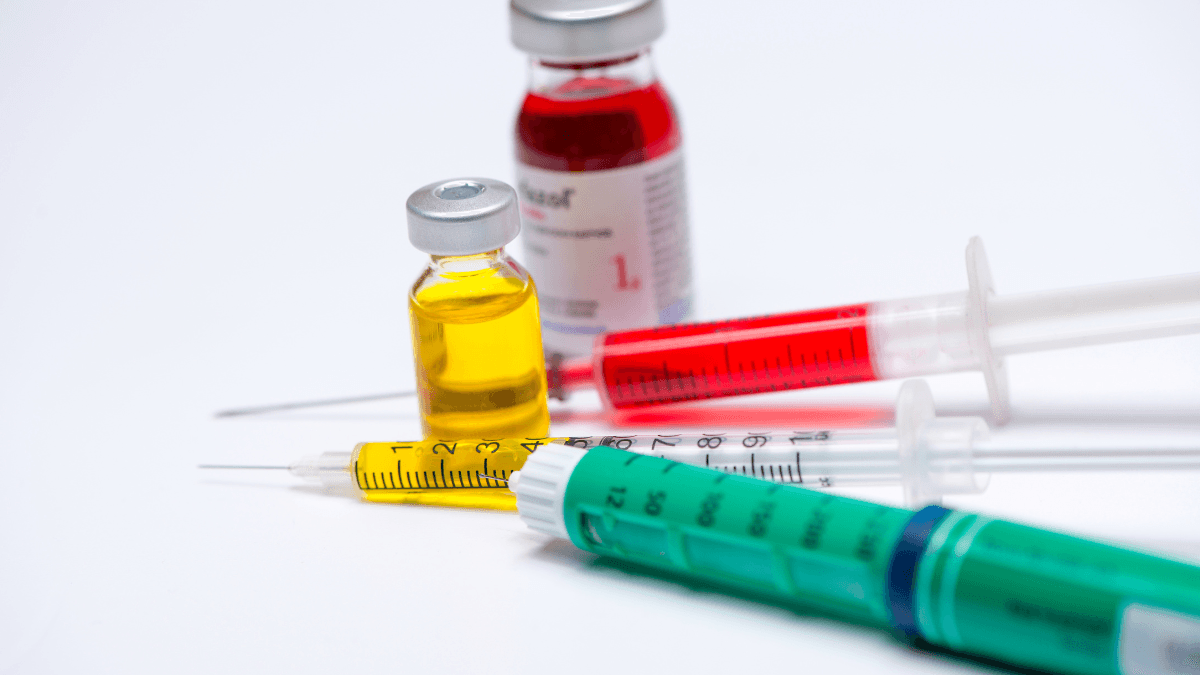
Choosing between an insulin pen vs syringe is usually about safe, repeatable dosing rather than one device being best for everyone. Pens let you dial a dose from a prefilled or cartridge device. Syringes let you draw insulin from a vial to a marked line. Your insulin type, eyesight, hand strength, daily routine, travel needs, and coverage or cash cost all matter.
This article explains the practical differences, where dosing errors happen, and what to review with your clinician or pharmacist. It uses clinical terms and plain-language steps, but it does not replace the instructions for use that come with your insulin or device.
Key Takeaways
- Pens dial units; syringes measure from a vial.
- Both can be accurate when used correctly.
- Insulin concentration and syringe markings must match.
- Pen priming and needle changes reduce common errors.
- Cost depends on insulin format, coverage, and supplies.
How Pens and Syringes Work in Daily Use
Both methods deliver insulin into subcutaneous tissue, which is the fatty layer under the skin. The main difference is how you prepare and measure the dose. With a pen, you attach a pen needle, prime when directed, dial the dose, inject, and hold the button long enough for delivery. With a vial and syringe, you draw insulin through the needle into the syringe barrel, remove air bubbles as taught, and inject the measured amount.
Pens often feel simpler when you inject away from home. They combine the insulin reservoir and dose selector in one device. Syringes require a vial, syringe, and more visual checking, but some people prefer seeing the liquid and dose markings directly. For a broader orientation to delivery methods, see Diabetes Tech Pens Pumps And CGMs.
The better choice is the one you can use correctly every time. A person with limited hand strength may find a pen easier than pulling a syringe plunger. Another person with strong routine skills may prefer an insulin vial and syringe because the steps feel familiar and transparent.
| Practical factor | Insulin pen | Vial and syringe |
|---|---|---|
| Dose measuring | Dials a unit number, often with clicks | Draws insulin to a line on the barrel |
| Portability | Usually easier to carry discreetly | Requires vial, syringe, and disposal supplies |
| Dexterity needs | Grip, dialing, and button force matter | Steady plunger control and good lighting matter |
| Device steps | Attach needle, prime, dial, inject | Draw dose, check bubbles, inject |
| Supply matching | Needle must fit the pen system | Syringe must match insulin concentration |
Insulin Pen vs Syringe Units and Measurement Safety
Insulin pen vs syringe units can confuse people at first because the dose appears in different ways. A pen shows the unit number on a dial or dose window. A syringe shows volume markings that correspond to units only when the syringe matches the insulin concentration. Many insulins are U-100, meaning 100 units per mL, but other concentrations exist.
Why it matters: A concentration or syringe mismatch can cause a serious dosing error.
If you use a U-100 insulin, the syringe should be designed for U-100 insulin unless your care team gives different instructions. Do not convert units on your own. Check the insulin label, the syringe package, and the teaching instructions together. If any detail does not match, pause and ask a pharmacist or clinician before injecting.
Syringe size also affects readability. A smaller-capacity syringe may show small dose increments more clearly for some prescribed doses, while a larger syringe may be used for larger volumes. Needle length and gauge are separate features. Gauge describes thickness; a higher gauge number is thinner. For more detail on markings and capacity, review Insulin Syringes Measurements.
Disposable, Reusable, and Cartridge Pens
Insulin pens are not all the same. A disposable insulin pen comes prefilled and is discarded when empty. A reusable insulin pen is a durable pen body that holds a replaceable insulin cartridge. In both cases, the pen needle is usually changed for each injection, following the product instructions and local sharps rules.
A disposable device can reduce setup steps because the insulin is already inside the pen. A reusable pen can feel familiar over time because the pen body stays the same while cartridges change. The right format depends on your prescribed insulin, the available device system, and whether your pharmacy can supply the matching cartridges or pens consistently. To understand the reservoir part of cartridge systems, see Insulin Cartridges.
People use insulin pens for diabetes in both type 1 and type 2 care. The device does not define how serious the condition is. It is simply a delivery tool. Some people with type 2 diabetes use a basal insulin pen once daily, while others use different insulin schedules. The schedule and dose should come from the prescribing clinician.
CanadianInsulin.com is a prescription referral platform. When prescription details are required, they may be confirmed with the prescriber before processing through permitted pharmacy channels.
Needles, Fit, and Injection Comfort
The needle can shape comfort as much as the device itself. Pen needles are described by length in millimetres and gauge. Many modern pen needles are short and thin, but the right size depends on body build, injection site, and technique. For a closer look at sizing and fit, read the Insulin Pen Needles Guide.
People often ask whether pen needles are universal. Many pen needles use broadly compatible threaded connections, but compatibility is not guaranteed for every pen. Packaging usually lists compatible pen brands or systems. Confirm fit when you change pen brands, switch from disposable to reusable devices, or receive a substitute supply.
Syringe needles also vary by length and gauge. The phrase 100 unit insulin syringe needle size may refer to a syringe capacity, a U-100 marking system, or the attached needle dimensions. These details are related, but not interchangeable. Capacity tells you how much the syringe can hold. Concentration marking tells you which insulin strength it is intended to measure. Needle size affects injection depth and feel.
Quick tip: Bring your actual needle box or a clear photo to appointments.
Technique Habits That Prevent Avoidable Errors
Small technique steps can make a large difference. With pens, priming is a common missed step. Priming means expelling a small amount of insulin, as directed by the manufacturer, to confirm flow and clear air from the needle. If you do not prime when instructed, the dose delivered may be less than expected, especially if air is present or the needle is blocked.
With syringes, the common problem is measurement. Low light, air bubbles, and angled viewing can make the plunger line look different. Some people benefit from using the same well-lit location and the same measuring sequence each time. Others need larger print labels, magnification, or caregiver support.
Injection sites also matter. Repeated injections into the same small area can contribute to lipohypertrophy, which means fatty lumps under the skin. These areas may affect insulin absorption. Rotate within recommended sites and ask your care team to check skin areas during visits if you notice lumps, bruising, or unexplained glucose changes.
Common pitfalls to review
- Skipped priming: pen flow is not confirmed.
- Reused needles: pain, dullness, or leakage may increase.
- Wrong syringe type: concentration mismatch can occur.
- Poor lighting: syringe lines may be misread.
- No site rotation: absorption may become less predictable.
- Loose needle fit: leaking or blocked flow may happen.
Used pen needles and syringes are sharps. Place them in an approved sharps container and follow local disposal rules. Do not place loose needles directly in household trash unless your local rules specifically allow a defined method.
Cost, Waste, and Access Considerations
Insulin pen vs syringe cost varies because the device is only one part of the total expense. Insulin format, coverage, pharmacy pricing, needle or syringe use, and wasted insulin can all change the real cost. Pens may have higher device-related costs for some people. Vials and syringes may cost less in some plans or cash-pay settings, but that is not universal.
Soft costs also matter. A pen may reduce steps during work, school, travel, or public dosing. A syringe may suit someone who already stores vials and prefers direct visual measurement. Waste differs too. Pens include more device plastic. Syringes create more individual sharps. Neither option is automatically more responsible; the practical answer depends on your use pattern and local disposal system.
Some patients compare cash-pay options, including cross-border fulfilment when allowed by eligibility and jurisdiction. Dispensing and fulfilment are handled by licensed third-party pharmacies where permitted. This access context should not replace a supply plan from your clinician or pharmacist.
If you need to browse relevant product categories without treating them as medical advice, the Diabetes Products category lists diabetes-related items. Specific examples of supply types include BD Ultra-Fine II Syringes and pen needle options such as BD Nano Pro Pen Needles.
How to Choose: Questions for Your Care Team
A good insulin pen vs syringe decision starts with compatibility, then moves to routine. Your prescribed insulin determines whether a vial, prefilled pen, or cartridge format is available. Your routine determines whether the device is realistic for daily use.
Use these questions as a structured conversation. They are especially useful when starting insulin, changing insulins, travelling more often, or having trouble with injections.
- Insulin format: Is my insulin supplied as a vial, pen, cartridge, or more than one format?
- Concentration match: Is it U-100 or another concentration?
- Dose increments: What is the smallest adjustment my device can measure?
- Vision needs: Can I read the dose window or syringe lines clearly?
- Hand strength: Can I press the button or pull the plunger smoothly?
- Needle fit: Which needles are compatible with this device?
- Backup plan: What should I do if a pen fails or a vial breaks?
- Disposal plan: Where will used sharps go at home and during travel?
Example: Someone who injects at work may prefer a pen because it reduces separate supplies. Someone who measures carefully at home and wants to see the liquid may prefer a vial. Both choices can be reasonable when they match the prescription and training.
Where Pumps and Smart Devices Fit
An insulin pen vs pump comparison is a separate decision from syringe choice. A pump delivers insulin through an infusion set and requires device programming, site changes, and troubleshooting. It may suit some treatment plans, but it adds different responsibilities. Pens and syringes remain injection methods, while pumps are wearable delivery systems.
Smart pens and connected devices may add dose memory or tracking features in some systems. These tools can help certain people review patterns, but they still require correct technique and compatible supplies. If technology options interest you, start with the device tasks you can manage consistently rather than the feature list alone.
Authoritative Sources
For device-specific steps, rely on the official instructions supplied with your insulin, pen, cartridge, needles, or syringes. For broader safety context, these sources are useful starting points:
- The American Diabetes Association explains insulin basics.
- The CDC outlines injection safety principles.
- Health Canada provides drug product database access.
You can also browse the Diabetes Articles collection or the Diabetes Condition Hub for related diabetes navigation. If you are switching devices, ask for teach-back training so you can demonstrate each step before using the device independently.
This content is for informational purposes only and is not a substitute for professional medical advice.