
Please note: a valid prescription is required for all prescription medication.


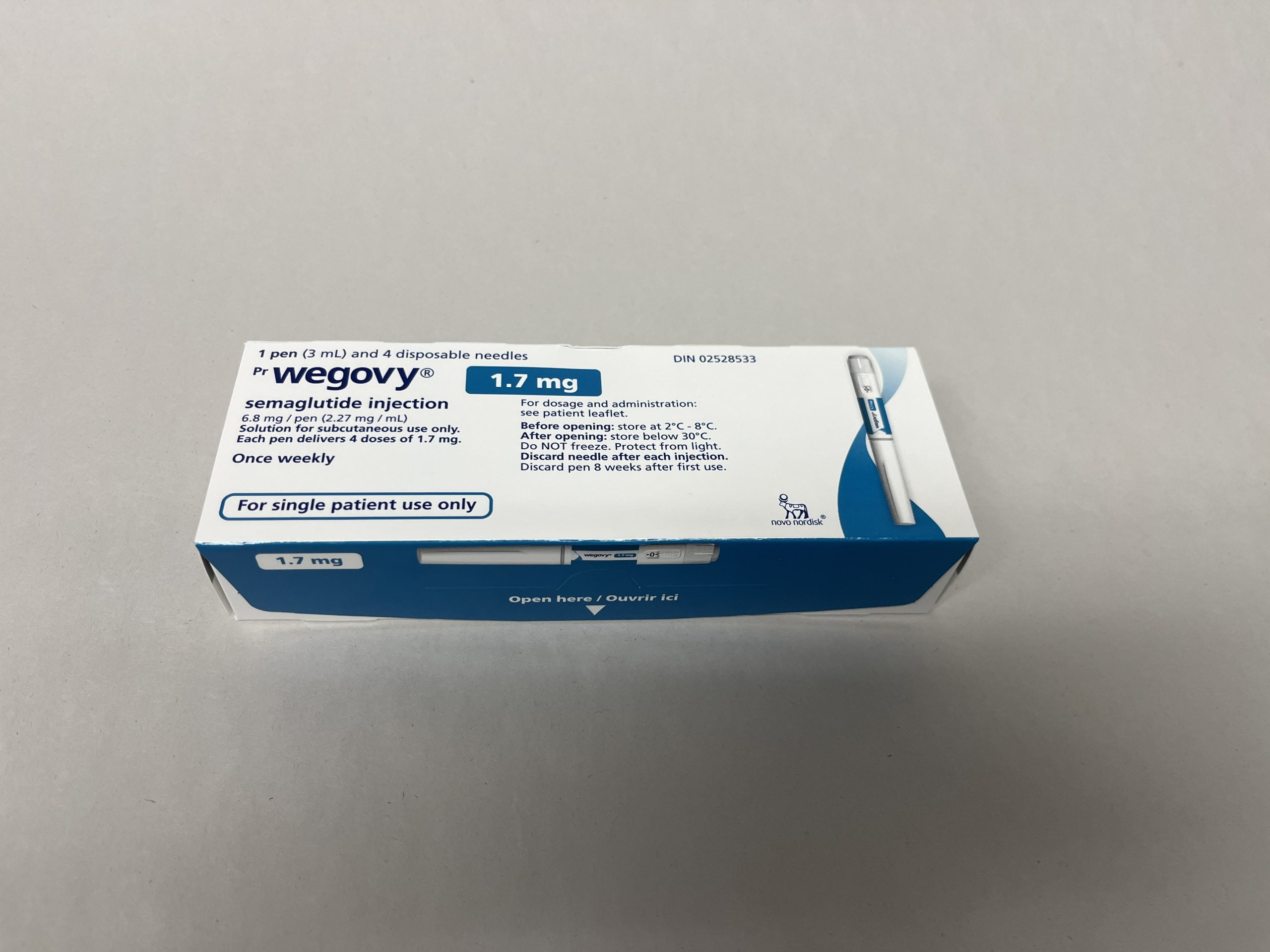
Wegovy
Wegovy: How to Buy and What to Know First
Price:
Price range: $399.99 through $529.99
You save


Wegovy is a once-weekly semaglutide injection used for chronic weight management in eligible adults and some adolescents, and it carries prescription and safety requirements that matter before treatment begins. This product page helps people compare how to buy Wegovy, what the injection pen strengths are, and which risks or eligibility checks to review first. Some patients explore US delivery from Canada when comparing access, but prescription review, eligibility, and jurisdiction still shape what is possible.
The medicine comes as a prefilled pen injection, not a pill. Its active ingredient is semaglutide, and it is not the same labeled product as Ozempic even though both contain the same drug. A prescription is required, and thyroid tumor history, pregnancy plans, and severe stomach symptoms should be reviewed early.
How to Buy Wegovy and What to Know First
Before a prescription is pursued, the main questions are diagnosis fit, pen handling, and safety history. This page supports a prescription-referral process rather than direct in-house dispensing. It also helps narrow whether a weekly injectable treatment makes practical sense, because correct storage, dose escalation, and gastrointestinal tolerance all affect how usable the medicine feels in everyday life.
This semaglutide treatment is used alongside reduced-calorie eating and increased physical activity for long-term weight management in eligible patients. The active ingredient is a GLP-1 receptor agonist, a medicine that can help regulate appetite and slow stomach emptying. That mechanism can be useful, but it also explains why nausea, fullness, vomiting, or constipation are common early concerns and why severe stomach symptoms should not be ignored.
Buy decisions should also account for the boxed warning. People with a personal or family history of medullary thyroid carcinoma or multiple endocrine neoplasia syndrome type 2 should not use this medicine. It is also important to review prior pancreatitis, gallbladder disease, kidney problems, major dehydration risk, and any history of severe digestive symptoms before moving forward.
Who It’s For and Access Requirements
Wegovy may be considered when a clinician is treating chronic excess weight rather than short-term cosmetic weight loss. The broad adult group in the label includes people with Obesity and people who are Overweight plus a related health issue such as high blood pressure, abnormal lipids, or sleep apnea. In some settings, certain adolescents with obesity may also be considered after age-appropriate review.
Access usually depends on a current prescription and enough clinical detail to confirm that the label fits the diagnosis. A prescriber may review BMI, prior weight-management efforts, other medicines, previous GLP-1 use, pancreatitis or gallbladder history, pregnancy or plans for pregnancy, and symptoms that suggest slowed stomach emptying. Comfort with self-injection and regular follow-up also matter because the early steps are meant to build gradually.
This treatment is not interchangeable with products used mainly for Type 2 Diabetes. Even when the ingredient overlaps, the indication, pen strengths, and titration path can differ, so substitution should not be assumed from the product name alone.
Dosage and Usage
The usual schedule starts low and increases step by step to reduce stomach-related side effects. It is taken once weekly, on the same day each week, with or without food. Injection sites commonly include the abdomen, thigh, or upper arm, and rotating sites can help limit local irritation. The pen is intended for subcutaneous use, meaning under the skin rather than into muscle or a vein.
- Starting step: 0.25 mg once weekly is commonly used first.
- Gradual increase: the dose usually moves upward about every 4 weeks if tolerated.
- Later steps: 0.5 mg, 1 mg, and 1.7 mg are often part of titration.
- Maintenance range: 1.7 mg or 2.4 mg may be used depending on tolerance and label guidance.
- Missed dose rule: official instructions generally allow a missed weekly dose within 5 days; after that, the next scheduled dose is usually resumed.
Quick tip: Keep the injection day consistent each week and rotate sites to reduce missed doses and local irritation.
The purpose of slow dose escalation is not just convenience. It can improve tolerability and make it easier to judge whether nausea, reflux, constipation, or reduced appetite remain manageable as strengths rise. Weight change also varies widely, so fixed expectations over a few weeks are not a reliable way to judge fit or safety.
Strengths and Forms
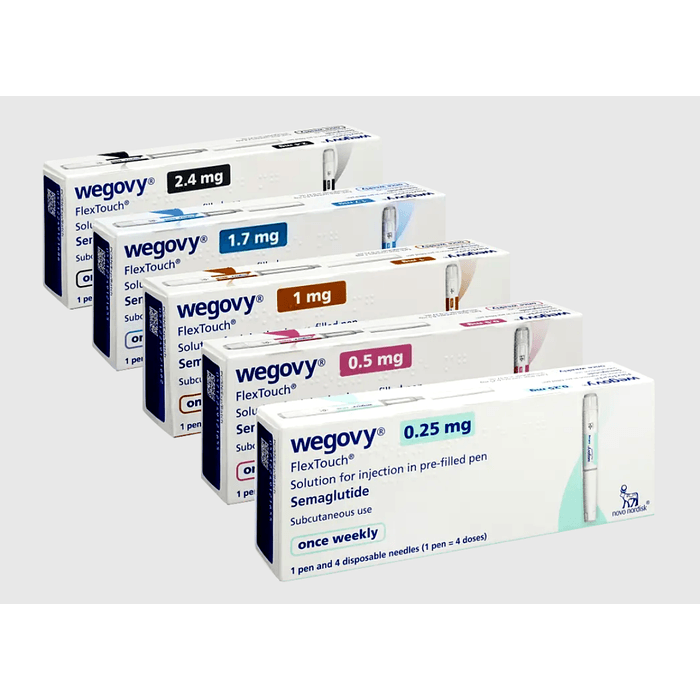
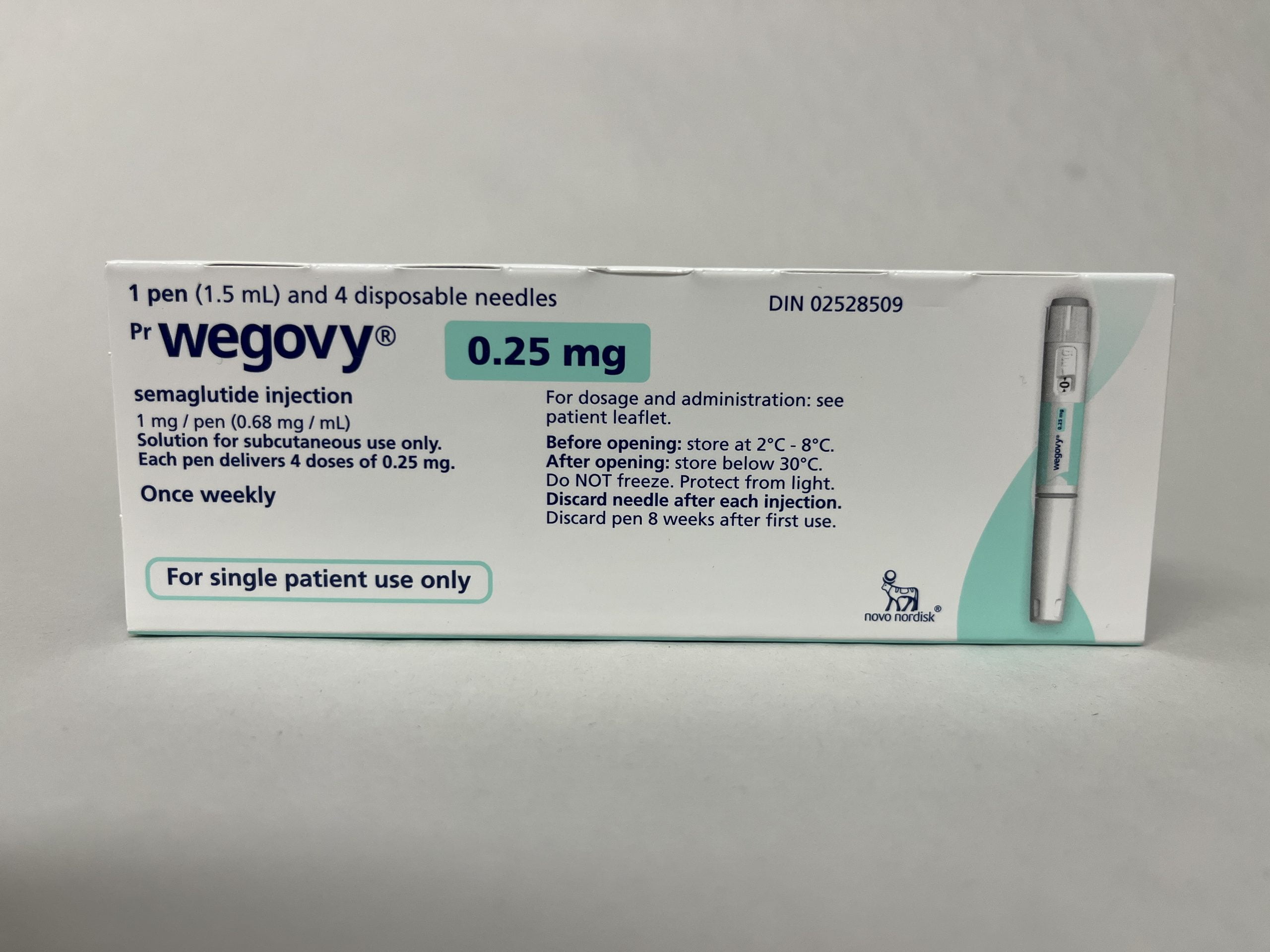
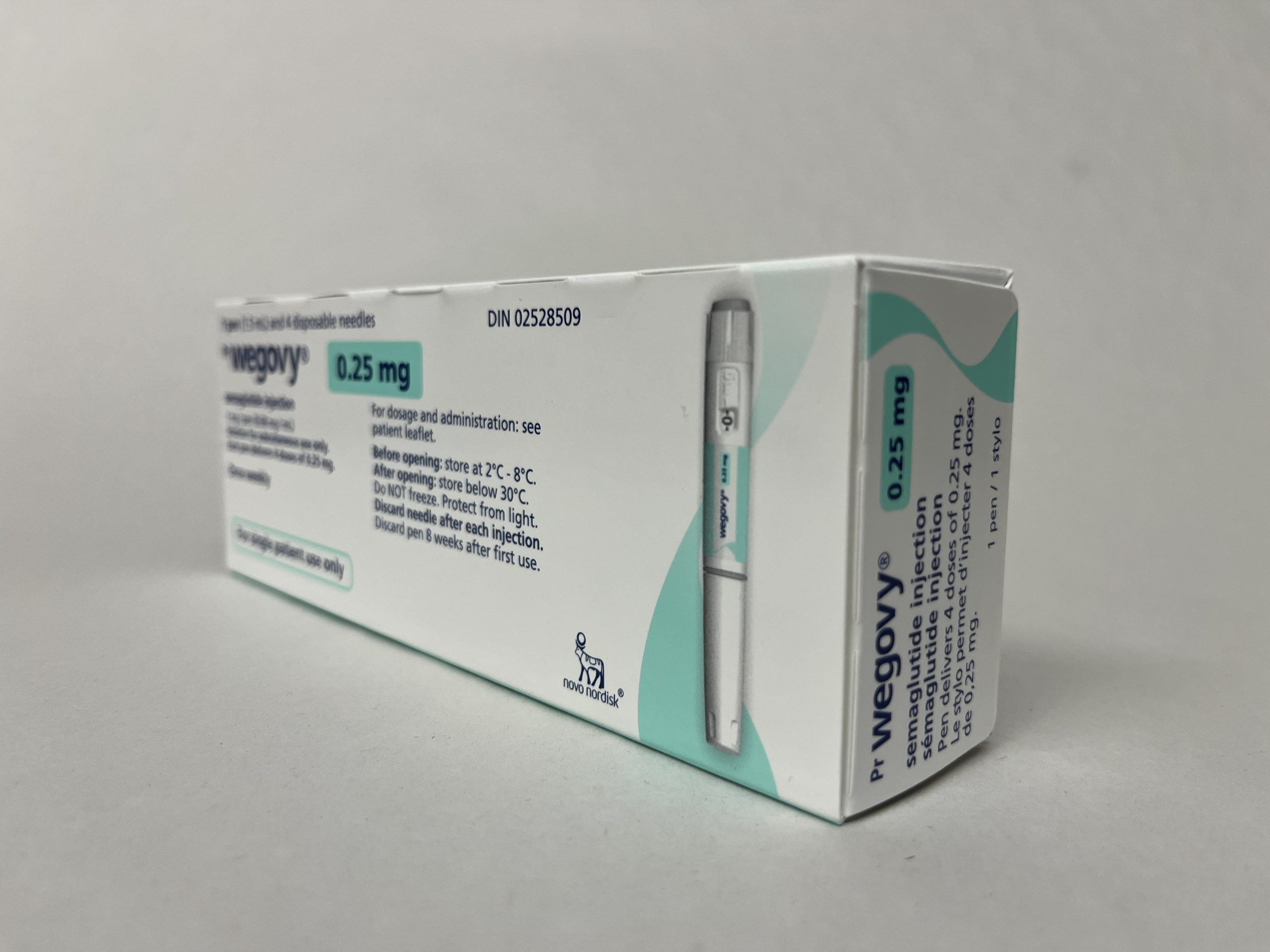
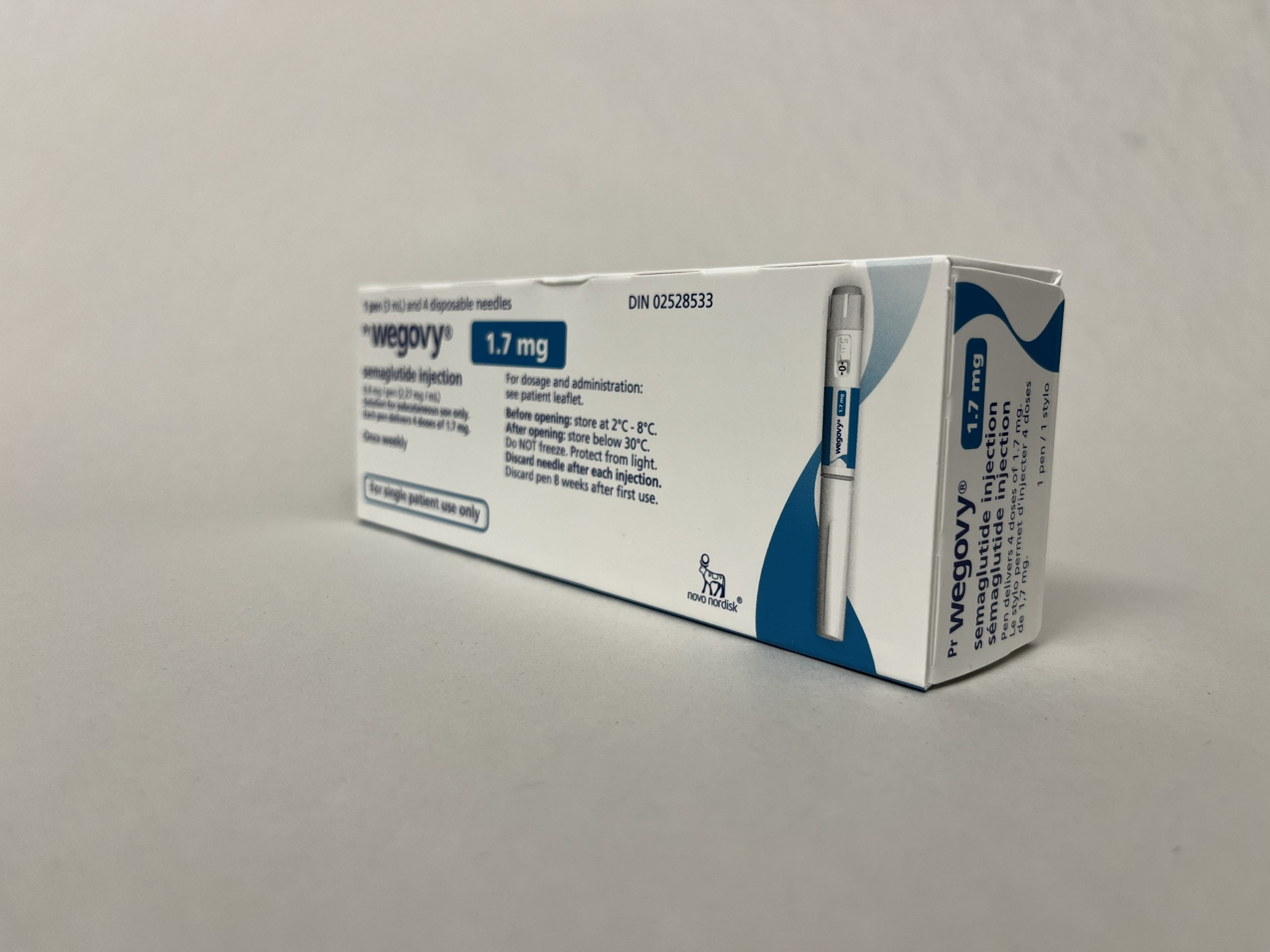
Wegovy is supplied as a prefilled, single-dose injection pen rather than a multi-dose pen or oral tablet. The generic name of the active ingredient is semaglutide. In many markets, a direct generic branded equivalent is not generally available, so people are usually comparing branded pens, strength availability, and the intended titration stage rather than choosing between many interchangeable generics.
Available presentations can vary by market and pharmacy, but common labeled pen strengths include the following:
| Pen strength | Presentation | Typical role |
|---|---|---|
| 0.25 mg | 0.5 mL single-dose pen | Usual starting strength |
| 0.5 mg | 0.5 mL single-dose pen | Early titration step |
| 1 mg | 0.5 mL single-dose pen | Mid titration step |
| 1.7 mg | 0.75 mL single-dose pen | Later titration or maintenance in some cases |
| 2.4 mg | 0.75 mL single-dose pen | Usual full maintenance strength |
Strength availability may shift over time, so the prescribed pen is tied not only to diagnosis but also to where a person is in the step-up schedule. That matters because the intended weekly amount should match the pen dispensed.
Storage and Travel Basics
Unused pens are typically stored in a refrigerator at 2 C to 8 C, protected from light in the original carton. They should not be frozen, and a pen that has been frozen should not be used. Before first use, label instructions also allow limited room-temperature storage in some settings, commonly up to 28 days at temperatures below 30 C, but the exact directions on the pack should still be checked.
For travel or time away from home, the main goal is temperature control and physical protection. Keep the pen away from direct sunlight, heaters, and hot cars. An insulated travel pouch can help, but ice packs should not freeze the medicine. The liquid should look clear and colorless before use, and a damaged or cloudy pen should be set aside for pharmacy review.
Why it matters: Heat or freezing can damage a pen even when the liquid still looks normal.
Side Effects and Safety
The main downside many people notice is gastrointestinal upset, especially during dose increases. Nausea, vomiting, diarrhea, constipation, stomach pain, bloating, reflux, and reduced appetite are common. These effects often matter most in the first months or after a step-up in dose, and they can affect hydration, meal tolerance, and the ability to continue treatment comfortably.
- Nausea and fullness: often strongest after titration changes.
- Vomiting or diarrhea: can increase dehydration risk.
- Constipation or abdominal discomfort: may build gradually rather than appear suddenly.
- Injection-site reactions: usually mild but still worth watching.
More serious issues need faster medical review. Ongoing severe abdominal pain can signal pancreatitis. Pain in the upper abdomen, especially with nausea, can suggest gallbladder disease. Dehydration from persistent vomiting or diarrhea may strain the kidneys. People with diabetes can also need closer observation for low blood sugar when certain other glucose-lowering drugs are used, and those with diabetic eye disease may need attention if vision changes occur.
The boxed warning concerns thyroid C-cell tumors seen in rodents, so personal or family history of medullary thyroid carcinoma or MEN 2 is a major exclusion. Serious allergic reactions, worsening depression, or suicidal thoughts also deserve urgent attention. Any severe, unusual, or rapidly worsening symptom should be reviewed against the official label and a clinician’s advice.
Drug Interactions and Cautions
This medicine should not be combined with another GLP-1 receptor agonist unless a prescriber has given a specific reason and plan. Caution is also important with insulin or sulfonylureas because the chance of low blood sugar can rise when glucose-lowering therapies overlap. The slowed stomach-emptying effect can change how some oral medicines are absorbed, so drugs with a narrow safety margin deserve especially careful review.
Pregnancy is another key caution. Weight-loss treatment is generally not recommended during pregnancy, and the official labeling advises stopping semaglutide well before a planned pregnancy. Breastfeeding considerations, severe reflux, gastroparesis, previous pancreatitis, or major kidney issues should also be reviewed in advance. If procedures or anesthesia are planned, the prescriber may need to consider the delayed gastric-emptying effect as part of perioperative planning.
Compare With Alternatives
Wegovy sits among several injectable treatments used in weight management, but they are not simple substitutes. Common comparison points include Zepbound, which uses tirzepatide, and Saxenda 6 Mg Ml, which uses liraglutide. Practical comparisons often focus on dosing frequency, side-effect pattern, titration pace, and the diagnosed condition rather than on brand name alone.
| Option | Active ingredient | Dosing pattern | Main distinction |
|---|---|---|---|
| Current weekly semaglutide pen | Semaglutide | Once weekly | Weight-management label with stepwise titration to maintenance |
| Zepbound | Tirzepatide | Once weekly | Different dual-incretin mechanism and separate safety review |
| Saxenda | Liraglutide | Once daily | Older GLP-1 option with daily injections |
| Ozempic | Semaglutide | Once weekly | Mainly used in Type 2 Diabetes and not labeled the same way for weight management |
Although Ozempic and this product share semaglutide, the pens, approved uses, and titration framework differ. For deeper reading on how weekly options compare, see Comparing Two Leading Weight Loss Drugs and Tirzepatide Vs Semaglutide. Those comparisons are useful when a prescriber is weighing mechanism, side-effect profile, and dosing burden.
Prescription, Pricing and Access
Wegovy access usually starts with a valid prescription and enough clinical information to confirm safe, label-aligned use. If information is incomplete, prescription details may need to be confirmed with the original prescriber before dispensing can proceed. Licensed third-party pharmacies dispense approved orders where permitted. That means access can depend on documentation quality, local rules, and whether the prescribed strength is currently available through participating pharmacy channels.
Coverage varies by insurer and plan design, and many policies require diagnosis-specific review before they approve weight-management medicines. Some patients compare cash-pay options when coverage does not apply, while others rely on prescription benefits or manufacturer support resources. For broader budgeting context, the site also has background on GLP 1 Cost Without Insurance and a general Promotions page.
Availability can also differ by pen strength. A starting pen, a mid-titration pen, and a full maintenance pen do not serve the same role, so the exact item dispensed should match the prescribed stage. When comparing access routes, it helps to confirm the written strength, current medication list, and any plan paperwork before expecting a smooth handoff to pharmacy processing.
Authoritative Sources
For US label details, see the official prescribing information.
For manufacturer patient materials, review the manufacturer patient information.
For a regulator summary outside the US, see the EMA medicine overview.
When an approved prescription is dispensed by a licensed third-party pharmacy, prompt, express, cold-chain shipping may be used for temperature-sensitive handling.
This content is for informational purposes only and is not a substitute for professional medical advice.
Customer Reviews
4.8 Based on 44 Reviews
Write a Review Ask a Question - Reviews
- Questions
Filter Reviews:
AG
03/23/2026
alexander g.  US
USgood communication but late delivery
could be better
03/25/2026
CanadianInsulin.com
Hi Alexander !We truly appreciate your positive feedback on our communication. We sincerely apologize for the delay in delivery and understand how important it is for you to receive your order on time. Please know that we are continuously working to improve our processes to provide a faster and more seamless experience. If there is anything further we can assist you with, please do not hesitate to reach out.Thank you for always trusting Canadian Insulin!
RS
11/13/2025
Robert S. USGreat service
Staff was pleasant and knowledgeable and entered my order quickly and efficiently. I have been using Canadian Insulin for a year now and am still pleased.
11/14/2025
CanadianInsulin.com
Hi Robert,Thank you so much for your wonderful feedback! We’re delighted to hear that our team provided pleasant and knowledgeable service, and that your order was handled quickly and efficiently.Your satisfaction means a great deal to us, and we truly appreciate your continued trust in Canadian Insulin over the past year. We remain committed to delivering a smooth, reliable, and caring experience every time you order.Thank you for choosing Canadian Insulin. We look forward to serving you again soon!
MW
09/05/2025
Mary W. USEXCELLENT SERVICE
Excellent service and product. Great communication, follow-up shipping and billing. Outstanding!!
09/05/2025
CanadianInsulin.com
Hi Mary,We are delighted to hear that you were satisfied with our service, product quality, and communication. Your kind words means a lot to us, and we truly value the confidence you have placed in Canadian Insulin. Our team is committed to ensuring a smooth experience from order to delivery, and it is rewarding to know that we met your expectations.Thank you once again for choosing Canadian Insulin. We look forward to continuing to serve your health and wellness needs.
KF
09/04/2025
Kathleen F. USWorks well!
No problems! It works! Canadian Insulin does a good job at sending it.
09/05/2025
CanadianInsulin.com
Hi Kathleen,We are very pleased to hear that everything is working well for you. Your positive feedback is greatly appreciated, and we are grateful for the trust you place in Canadian Insulin. Please know that our team remains committed to supporting your health and wellness, and we are always here should you need any assistance.Thank you once again for choosing Canadian Insulin. We look forward to continuing to serve you.
KF
06/05/2025
Kathleen F. USWorks well!
I have no side effects and it works well at curbing cravings.
Express Shipping - from $25.00
Shipping with this method takes 3-5 days
Prices:
- Dry-Packed Products $25.00
- Cold-Packed Products $35.00
Standard Shipping - $15.00
Shipping with this method takes 5-10 days
Prices:
- Dry-Packed Products $15.00
- Not available for Cold-Packed products
Is Wegovy the same as Ozempic?
Wegovy and Ozempic both contain semaglutide, but they are not the same labeled product. Wegovy is approved for chronic weight management in eligible patients, while Ozempic is mainly approved for type 2 diabetes and certain cardiovascular uses. The pen presentations, titration plans, and coverage rules can differ. Because the diagnosis and approved use are not identical, these medicines should not be treated as automatic substitutes without a prescriber’s review.
How long does it usually take to notice changes with Wegovy?
The timeline varies. Some people notice appetite changes or stomach-related side effects within the first few doses, while meaningful weight changes often build more gradually over months. Part of that delay comes from the slow dose-escalation schedule, which is designed to improve tolerability. Fixed expectations such as losing a certain number of pounds in a short period are not a reliable benchmark. Response depends on dose progression, adherence, side effects, diet, activity, and underlying health conditions.
What is the main downside of Wegovy?
The most common practical downside is gastrointestinal intolerance. Nausea, vomiting, diarrhea, constipation, bloating, and stomach pain can become limiting, especially during dose increases. For some people, those effects improve with time, but for others they can affect hydration, food intake, and day-to-day comfort. There are also more serious cautions, including the boxed warning about thyroid C-cell tumors seen in animals and the need to watch for pancreatitis, gallbladder problems, and severe allergic reactions.
What should be discussed with a clinician before starting Wegovy?
A useful review includes the weight-related diagnosis, current BMI or growth status, previous treatment attempts, and other medicines already in use. It is also important to discuss personal or family history of medullary thyroid carcinoma, MEN 2, pancreatitis, gallbladder disease, kidney problems, pregnancy or plans for pregnancy, and symptoms of slowed stomach emptying. Practical issues matter too, including comfort with self-injection, ability to store pens correctly, and whether follow-up can be maintained during titration.
What monitoring is usually needed while taking Wegovy?
Monitoring often focuses on tolerance and safe continuation rather than on one lab result alone. Follow-up may include weight trend, gastrointestinal symptoms, hydration status, constipation or vomiting, and whether the current dose is being handled comfortably. If the patient also uses diabetes medicines, blood sugar monitoring may need closer attention. Vision changes, severe abdominal pain, gallbladder symptoms, mood changes, and any sign of allergic reaction should also be reviewed promptly, along with routine checks on pen storage and injection technique.
Rewards Program
Earn points on birthdays, product orders, reviews, friend referrals, and more! Enjoy your medication at unparalleled discounts while reaping rewards for every step you take with us.
You can read more about rewards here.
POINT VALUE
How to earn points
- 1Create an account and start earning.
- 2Earn points every time you shop or perform certain actions.
- 3Redeem points for exclusive discounts.
You Might Also Like
Select options
This product has multiple variants. The options may be chosen on the product page
Select options
This product has multiple variants. The options may be chosen on the product page
Related Articles
Type 2 Diabetes,
Generic Liraglutide For Weight Loss: A Practical Guide
People searching for generic liraglutide for weight loss usually want clear answers on three points: whether an approved lower-cost version exists, how it differs from brand-name products, and what access…
Type 2 Diabetes,
Liraglutide Vs Semaglutide Comparison Guide For Patients
Key Takeaways People searching liraglutide vs semaglutide usually want a practical comparison, not a slogan. The most useful differences involve formulation, schedule, approved uses, side effect patterns, and the paperwork…
Weight Management
Generic Zepbound: Availability, Status, and Options
Key Takeaways Patients and caregivers often search for generic zepbound when they need a clear answer about availability, labeling, and lower-cost access. The term is common online, but it does…
Type 2 Diabetes,
Oral Wegovy Explained: Facts, Risks, and Access Options
The phrase oral wegovy is best understood as a search term, not a settled product name. Most people use it to mean a pill version of semaglutide for weight management,…