

Direct answer: Tirzepatide vs Semaglutide comes down to mechanism, expected weight response, side effects, access, and personal medical history. Tirzepatide activates both GIP and GLP-1 receptors, while semaglutide activates GLP-1 receptors only. Both can reduce appetite and support weight management when used with nutrition, activity, and clinical follow-up.
The practical choice is not simply which drug produces more average weight loss in trials. Tolerability, contraindications, dose escalation, diabetes status, cost, and supply can matter just as much. This comparison explains the main differences without treating either medicine as automatically better for every person.
Key Takeaways
- Mechanism differs: tirzepatide is a dual GIP/GLP-1 agonist; semaglutide is a GLP-1 agonist.
- Weight response varies: trials suggest larger average reductions with tirzepatide for some adults.
- Side effects overlap: nausea, vomiting, diarrhea, constipation, and abdominal discomfort are common concerns.
- Switching needs oversight: there is no one-to-one dose conversion between these medicines.
- Fit is individual: safety history, goals, coverage, and access often guide the final choice.
How Tirzepatide and Semaglutide Compare at a Glance
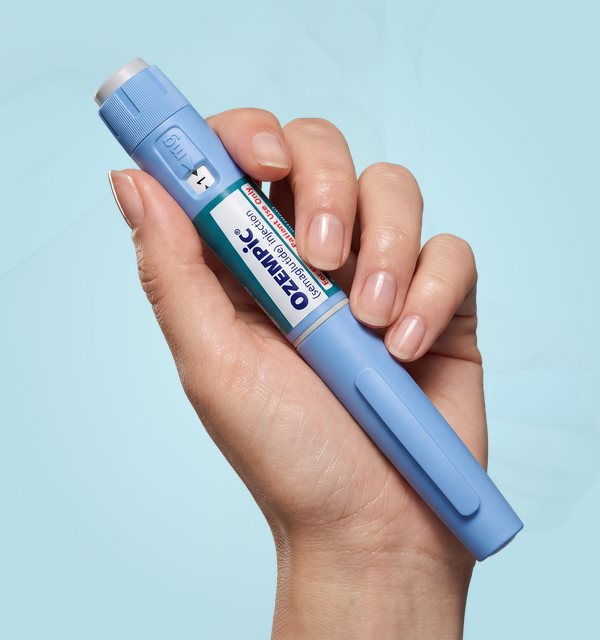
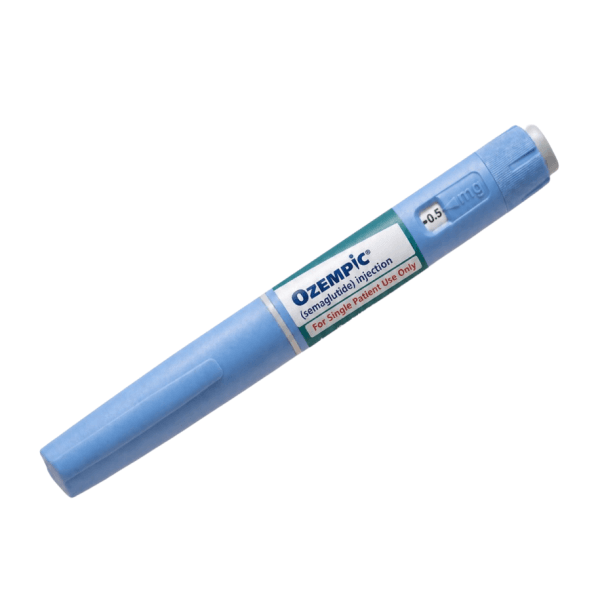
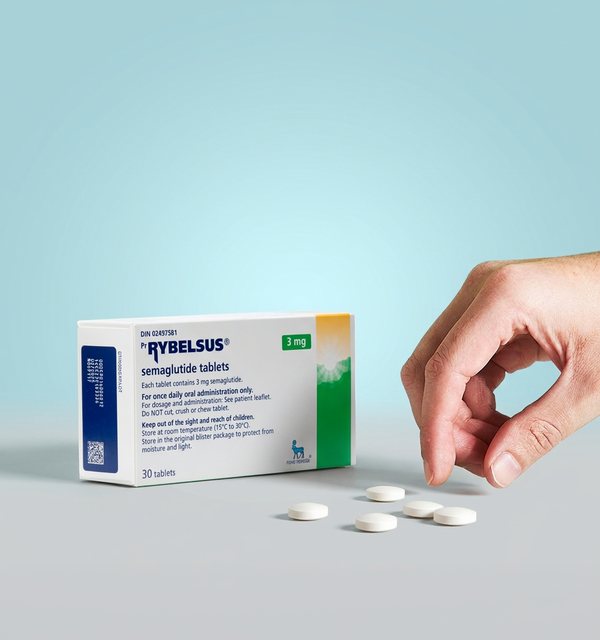
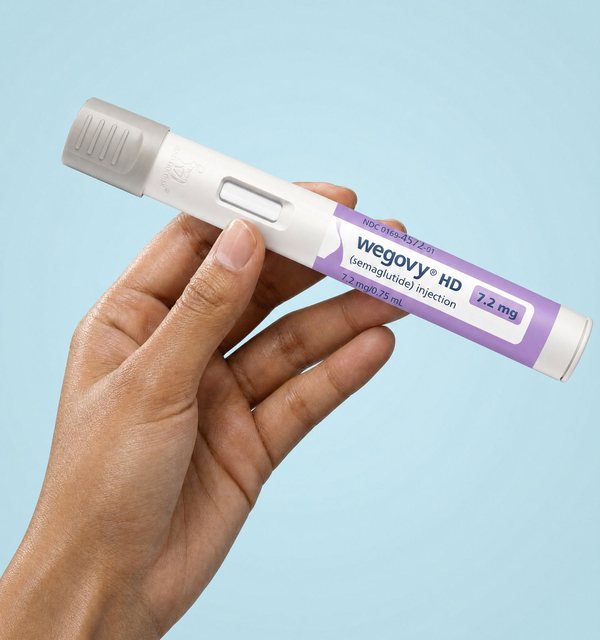
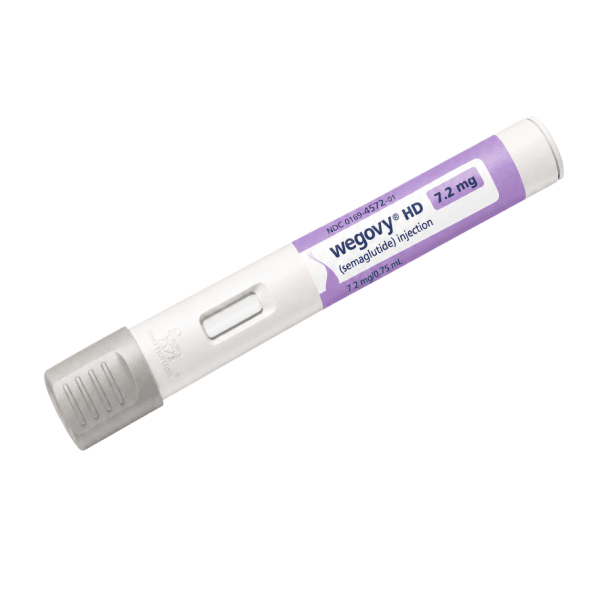
Both medicines are once-weekly injectable incretin-based therapies. Incretins are gut-related hormones that help regulate appetite, insulin release, and digestion after meals. Semaglutide is available under brands that include Wegovy for chronic weight management and Ozempic for type 2 diabetes. Tirzepatide is available under brands that include Zepbound for chronic weight management and Mounjaro for type 2 diabetes.
The difference between tirzepatide and semaglutide starts at the receptor level. Semaglutide activates GLP-1 receptors. Tirzepatide activates GLP-1 and GIP receptors. This dual action may help explain why some trials show greater average weight reduction with tirzepatide, although individual results can differ widely.
For a related brand-level comparison, see Wegovy vs Zepbound. If you want broader context across this drug class, GLP-1 Drugs for Weight Loss explains how these medicines fit obesity care.
| Factor | Tirzepatide | Semaglutide |
|---|---|---|
| Drug class | Dual GIP/GLP-1 receptor agonist | GLP-1 receptor agonist |
| Typical schedule | Once-weekly injection | Once-weekly injection for Wegovy and Ozempic |
| Weight-management brand | Zepbound | Wegovy |
| Diabetes brand examples | Mounjaro | Ozempic |
| Main tolerability issue | Gastrointestinal side effects | Gastrointestinal side effects |
| Dose conversion | No direct conversion from semaglutide | No direct conversion from tirzepatide |
Mechanism: Dual Agonist Versus GLP-1 Agonist
Tirzepatide works on two incretin pathways, while semaglutide works on one. GLP-1 receptor activation can increase fullness, slow gastric emptying, and support glucose-dependent insulin release. GIP receptor activation may add metabolic effects, though the exact contribution to weight loss can vary by person.
Why this matters: mechanism can influence both response and tolerability. A person who loses little weight on one medicine may not respond the same way to another. The reverse is also true. A stronger appetite effect can feel helpful for some people, but difficult for others if nausea, early fullness, or reduced intake becomes excessive.
The comparison is sometimes framed as tirzepatide vs Ozempic. That wording can be confusing because Ozempic is a semaglutide brand indicated for type 2 diabetes, while Wegovy is the semaglutide brand used for chronic weight management. For a diabetes-focused comparison, see Mounjaro vs Ozempic.
Weight-Loss Results and What to Expect
Tirzepatide vs Semaglutide for weight loss is often searched because average trial results differ. In published studies, tirzepatide has generally produced larger average weight reductions than semaglutide in some adult populations. That does not guarantee a better result for every person. Medication adherence, dose reached, food intake, activity, sleep, other medicines, and medical conditions all affect outcomes.
Clinical trials also do not fully predict day-to-day experience. Some people stop escalation because of side effects. Others continue at a lower maintenance dose if that balances benefits and tolerability. A plateau does not always mean the medicine stopped working. It may reflect a new energy balance, lower body weight, or changes in routine.
People often ask how long it takes to lose a certain amount of weight, such as 20 lb. No reliable answer applies to everyone. A safer way to track progress is to review percentage body-weight change, waist measurements, side effects, and whether nutrition remains adequate. The calculator below can help estimate general progress toward a weight goal, but it does not predict medication response or replace clinical guidance.
Weight-Loss Progress Calculator
Track percentage body-weight change and progress toward a target weight.
These calculations are for education only and do not replace clinical advice, diagnosis, or treatment. Always confirm medical decisions with a qualified healthcare professional.
Quick tip: Bring a simple weight, symptom, and dose-timing log to follow-up visits.
Dosing, Titration, and Why Conversion Charts Can Mislead
Both medicines use gradual dose escalation to improve tolerability. Starting low and increasing in steps can reduce gastrointestinal symptoms, especially nausea and vomiting. The exact schedule depends on the product label, the indication, prior exposure, missed doses, and clinician judgment.
There is no standardized semaglutide to tirzepatide dose conversion. The same is true for tirzepatide to semaglutide conversion. The molecules act differently, use different dose strengths, and may produce different appetite or digestive effects. A chart that treats doses as interchangeable can increase the risk of side effects or poor tolerability.
These medicines are dosed in milligrams, not insulin units. Pen devices also differ by brand. If you change products, confirm the medicine name, strength, schedule, and missed-dose instructions with the prescribing clinician or pharmacist. Product pages such as Zepbound and Wegovy can help readers identify brand-specific context, but dosing decisions should remain clinical.
CanadianInsulin.com is a prescription referral platform, and prescription details may be confirmed with the prescriber where required. Dispensing and fulfilment are handled by licensed third-party pharmacies where permitted. That service context does not replace medical review before starting, stopping, or switching therapy.
Side Effects, Risks, and Safety Cautions
Tirzepatide vs Semaglutide side effects overlap because both affect incretin pathways and digestion. Common gastrointestinal effects include nausea, vomiting, diarrhea, constipation, abdominal pain, indigestion, and reduced appetite. These effects are often dose-related and may appear during escalation.
Tirzepatide side effects may feel stronger during dose increases for some people, but semaglutide can also cause significant symptoms. Hydration, smaller meals, lower-fat meals, and slower eating may help some people tolerate therapy. However, persistent vomiting, severe abdominal pain, or signs of dehydration need prompt medical attention.
Both drug labels include important warnings. These include risk information about thyroid C-cell tumors based on animal data, and contraindications for people with a personal or family history of medullary thyroid carcinoma or multiple endocrine neoplasia syndrome type 2. Labels also discuss pancreatitis, gallbladder disease, acute kidney injury in the setting of fluid loss, severe gastrointestinal disease, and hypoglycemia risk when used with insulin or insulin secretagogues.
Pregnancy planning also matters. Weight-loss medicines may not be appropriate during pregnancy, and labeling gives product-specific guidance. People with diabetes, diabetic retinopathy, kidney disease, pancreatitis history, gallbladder disease, or complex medication regimens should discuss risk monitoring before changing therapy.
Why it matters: A medicine that works well still may not be safe or tolerable for every person.
Switching From Semaglutide to Tirzepatide
Switching from semaglutide to tirzepatide may be considered because of side effects, limited response, supply issues, cost, or a change in treatment goals. The decision should involve a clinician who can review the last dose used, current symptoms, glucose control, weight trend, and other medicines.
There is no universal waiting period or starting dose that fits everyone. Weekly dosing schedules often influence timing, but recent nausea, vomiting, constipation, low intake, or low blood sugar risk can change the plan. Some clinicians may restart at a lower step to reduce side effects, especially after a treatment gap.
Before switching, prepare a concise medication history. Include the brand, dose, date of last injection, side effects, missed doses, and any diabetes medicines. If you use insulin or sulfonylureas, hypoglycemia risk deserves special attention. Do not overlap medicines unless the prescriber specifically directs the plan.
For readers comparing branded options, Zepbound vs Ozempic discusses a related question using common brand names. The broader principle remains the same: switching is not just a dose calculation.
Can Tirzepatide and Semaglutide Be Used Together?
Tirzepatide and semaglutide together are generally not recommended in routine care. They share overlapping incretin effects, so combining them may increase gastrointestinal side effects without clear evidence of added benefit. It can also make it harder to identify which medicine caused a problem.
If weight loss slows, stacking injections is usually not the first answer. A clinician may review dose tolerance, meal pattern, protein intake, resistance exercise, sleep, alcohol use, other medications, and medical conditions. Sometimes the most useful change is not a stronger medicine, but a safer plan around the current one.
Muscle loss is another practical concern during weight reduction. Any substantial weight loss can include lean mass loss, not only fat loss. Protein intake, resistance training, and gradual progress may help protect function, but individual needs differ. People with frailty, kidney disease, eating disorders, or complex nutrition needs should seek tailored guidance.
Cost, Access, and Real-World Fit
Cost and access can decide what is realistic. Insurance coverage, formularies, prior authorization, supply, and eligibility criteria vary. A medicine that looks ideal clinically may still be difficult to continue if refills are inconsistent or out-of-pocket costs are too high.
Some patients explore cash-pay options and cross-border fulfilment depending on eligibility and jurisdiction. Keep the discussion factual with your care team. Ask whether the medicine is being used for weight management, diabetes, or another approved indication, because coverage often depends on the exact diagnosis and product.
Real-world fit also includes daily life. Some people prefer a medicine with a longer safety history. Others prioritize the strongest average weight-loss data if they tolerate treatment. Device preference, nausea history, constipation tendency, meal schedule, travel, and diabetes monitoring can all matter.
For related product navigation, the Weight Management Products category groups medicines used in this area. For educational reading across comparisons and updates, browse the Weight Management Articles collection.
Choosing Between Them: Questions to Discuss
The question is not only which is better semaglutide or tirzepatide. A better question is which option fits your risks, goals, tolerability, and access. The right choice may change over time as weight, side effects, glucose levels, and coverage change.
- Medical history: thyroid cancer history, pancreatitis, gallbladder disease, kidney issues, and pregnancy plans.
- Diabetes status: A1C goals, hypoglycemia risk, insulin use, and retinopathy history.
- Side-effect pattern: nausea, constipation, vomiting, reflux, dehydration, or poor intake.
- Weight goals: expected benefit, plateau management, muscle preservation, and nutrition quality.
- Access factors: coverage rules, refill reliability, documentation, and product indication.
If the comparison feels too close, ask your clinician what would make one option less suitable. Safety exclusions, drug interactions, and tolerability history often narrow the decision more than headline trial results.
Authoritative Sources
For official product safety and prescribing details, review the FDA Zepbound approval record and the FDA Wegovy approval record. These sources provide regulator-posted labeling and product history.
For comparative clinical evidence in adults with obesity, the NEJM tirzepatide versus semaglutide trial reports body-weight and waist-circumference outcomes, along with adverse-event information.
Recap
Tirzepatide vs Semaglutide is a comparison between two weekly incretin-based medicines with different receptor targets. Tirzepatide acts on GIP and GLP-1 receptors, while semaglutide acts on GLP-1 receptors. Both can support weight management, but both require attention to side effects, contraindications, and dose escalation.
Evidence suggests tirzepatide may produce greater average weight loss for some adults, while semaglutide remains a well-established option. The best choice depends on medical history, response, tolerability, diabetes status, and access. If switching, avoid one-to-one conversion assumptions and use clinical supervision.
This content is for informational purposes only and is not a substitute for professional medical advice.