
Please note: a valid prescription is required for all prescription medication.
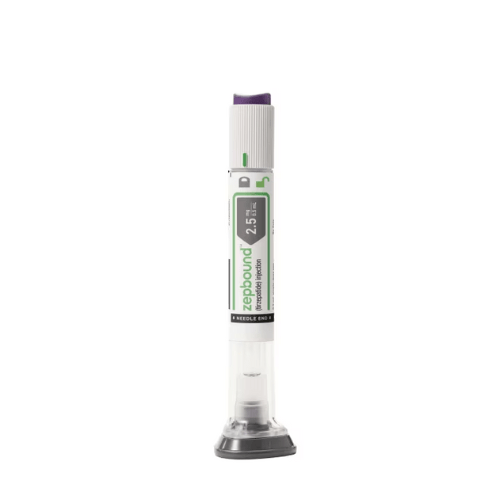
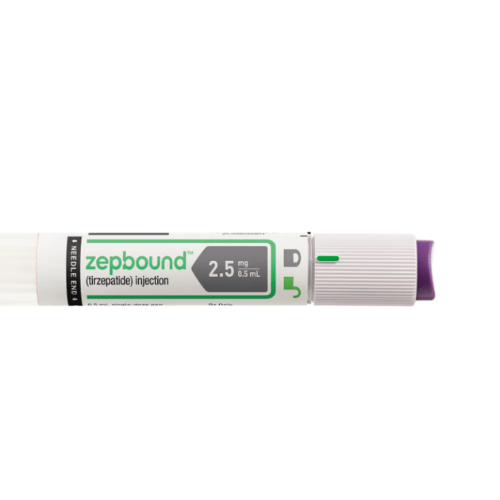
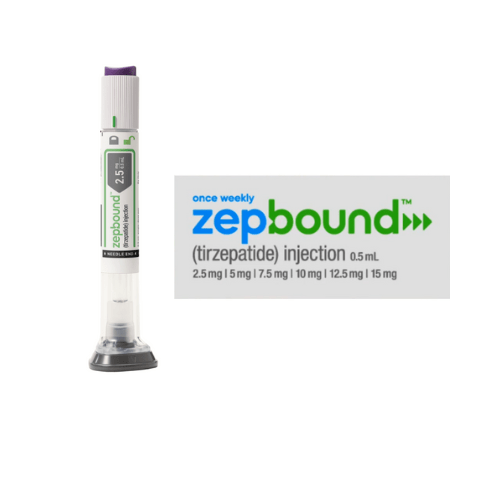
Zepbound
Zepbound Buying Information and Prescription Basics
Price:
Price range: $439.99 through $709.99
You save


Zepbound is a prescription tirzepatide weight loss injection used for chronic weight management in certain adults. This page is for people reviewing how to buy or begin a compliant process to get Zepbound, with the key checks first: prescription status, who it may suit, common side effects, and the practical factors behind Zepbound price. It also explains the weekly injection schedule, strengths, storage, and comparison points that matter before moving ahead.
Some patients explore US delivery from Canada when reviewing prescription options, depending on eligibility and jurisdiction. Before pursuing treatment, it is important to screen for major cautions such as pregnancy, a personal or family history of medullary thyroid carcinoma, MEN2, severe stomach symptoms, pancreatitis, or use with medicines that can raise the risk of low blood sugar.
How to Buy Zepbound and What to Know First
This page uses a referral-based purchase process, not direct in-house dispensing. Zepbound contains tirzepatide, an incretin-based medicine that works through GIP and GLP-1 pathways and is given once weekly. If the goal is to pursue a prescription order, the safest starting point is confirming suitability rather than focusing only on convenience. A clinician will usually look at weight-related eligibility, past treatment attempts, current medicines, and any history that could make tirzepatide unsafe or hard to tolerate.
Before ordering proceeds, it helps to know whether the prescription is current, whether the intended strength matches the step-up schedule, and whether the supplied presentation is a pen injector or a vial where available. The other early questions are practical: can the medicine be stored correctly, is a once-weekly injection realistic, and are there reasons this therapy should be avoided, such as MEN2 or prior serious hypersensitivity? These checks reduce the chance of starting the wrong strength or the wrong type of injector.
- Prescription status and indication
- Current dose and step-up stage
- Relevant contraindications
- Handling and storage needs
Who It’s For and Access Requirements
At a high level, Zepbound is used for chronic weight management in eligible adults, typically those living with obesity or overweight plus a weight-related condition. Readers comparing broader metabolic care can also browse the site’s Weight Management, Obesity, and Overweight hubs for background context, but the prescribing decision remains individual and diagnosis-based.
Although tirzepatide is related to medicines discussed in broader GLP 1 Agonists and Non Insulin Medications sections, Zepbound should not be treated as a general wellness product. It is prescription-only. Review may include the indication, prior dose history, relevant medical history, and confirmation that the person is not using another GLP-1 receptor agonist or following a diabetes plan that calls for a different medicine. It is also not a substitute for insulin and is not for type 1 diabetes.
Dosage and Usage
The usual label-based approach is once-weekly subcutaneous (under-the-skin) injection on the same day each week. Treatment commonly begins at 2.5 mg, then increases in steps no more often than every four weeks if the medicine is tolerated. Depending on the treatment plan, patients may move through 5 mg, 7.5 mg, 10 mg, 12.5 mg, and 15 mg. Intermediate strengths are often part of dose escalation rather than a long-term stopping point.
The injection is typically placed in the abdomen, thigh, or upper arm, with site rotation to reduce local irritation. Food timing does not usually control dosing. If a dose is missed or a new strength is being considered, the official instructions and prescribing clinician should guide the next step rather than guesswork. A weekly calendar reminder and a careful review of the carton label can help avoid mix-ups between strengths.
- Use once each week
- Rotate approved sites
- Check strength before use
- Do not change doses alone
Strengths and Forms
Zepbound is supplied in several strengths, and presentation availability may vary by jurisdiction and partner pharmacy. Zepbound price can differ with the selected strength and with whether the prescription is filled as a pen injector or, where available, a vial presentation.
| Strength | Common role | Presentation note |
|---|---|---|
| 2.5 mg | Starting strength | Used when treatment is first introduced |
| 5 mg | Early maintenance or next step | Often follows the starting month |
| 7.5 mg | Step-up strength | Common during dose escalation |
| 10 mg | Higher step-up or maintenance | Used when benefit and tolerance allow |
| 12.5 mg | Step-up strength | Often an intermediate stage before 15 mg |
| 15 mg | Highest labeled strength | Maintenance for some patients |
This table is only a high-level guide. The supplied device may change how the medicine is prepared or injected, so the carton and pharmacy directions matter as much as the milligram strength. If the prescription record and the package do not match, clarification should happen before the first dose.
Storage and Travel Basics
Like many injectable medicines, tirzepatide should usually be kept refrigerated and protected from excessive heat and light until use. Do not freeze it, and do not use a pen or vial that has been frozen, looks damaged, or appears abnormal for that presentation. Keeping the medicine in its original carton makes the strength easier to verify and helps protect it from light.
Room-temperature allowances can differ between presentations, so the carton and official instructions should be checked rather than assumed. Travel adds a handling step rather than a medical one. Use an insulated medication case if cooling is required, avoid leaving the product in a car, and keep the pharmacy label available during transit. Quick tip: Keep the carton and instructions with the injector or vial so strength and storage directions stay together.
Side Effects and Safety
Common adverse effects are mostly gastrointestinal. Nausea, vomiting, diarrhea, constipation, stomach pain, indigestion, reduced appetite, and injection-site reactions can occur, especially after starting therapy or moving up to a higher strength. These effects are often dose-related and may improve as the body adjusts, but persistent vomiting or poor fluid intake can become clinically important.
More serious risks need prompt medical review. Zepbound carries a boxed warning about thyroid C-cell tumors based on animal findings and should not be used with a personal or family history of medullary thyroid carcinoma or with MEN2. Pancreatitis, gallbladder disease, kidney problems related to dehydration, severe allergic reactions, and severe stomach symptoms can also occur. If tirzepatide is used with medicines that lower glucose, low blood sugar may be more likely.
Rapid dose escalation is not a shortcut and can worsen tolerance. New neck swelling, trouble swallowing, persistent severe abdominal pain, or signs of dehydration deserve attention without waiting for the next routine check.
Drug Interactions and Cautions
Tirzepatide slows gastric emptying, which means some oral medicines may not be absorbed in the same way, especially during initiation and dose increases. That matters most when dose timing is critical. Oral contraceptives deserve special attention because backup or non-oral contraception may be recommended for a period after starting treatment and after each dose increase. Why it matters: Slower stomach emptying can change exposure to time-sensitive medicines.
Other cautions include prior pancreatitis, severe gastrointestinal disease, gallbladder problems, and pregnancy or plans for pregnancy. Zepbound is not usually combined with another GLP-1 receptor agonist, and people comparing it with diabetes therapies may need separate guidance if they also use insulin or a sulfonylurea. For broader background on metabolic treatments, the site also has Diabetes Articles, but product selection should stay tied to the actual prescription and indication.
Compare With Alternatives
Common alternatives include semaglutide-based Wegovy, liraglutide-based Saxenda, and, in a different indication, tirzepatide-based Mounjaro. The main differences are indication, dosing frequency, target maintenance strengths, and available devices. Wegovy is also once weekly. Saxenda is daily. Mounjaro contains the same active ingredient as Zepbound but is prescribed for type 2 diabetes rather than weight-management labeling, so it is not an automatic substitute.
Zepbound price is only one comparison point. Tolerability, the pace of dose escalation, how the device is handled, and what a prescription is written for can matter more than a headline monthly amount. People who want more background before choosing among options may find the site’s Weight Management Articles, Type 2 Diabetes Articles, and Type 2 Diabetes hub useful for context.
Prescription, Pricing and Access
For many people, Zepbound price is only the starting number; the final out-of-pocket amount can change with strength, presentation, insurance review, pharmacy policies, and whether supporting records are needed. Prescription details may be confirmed with the prescriber before partner-pharmacy dispensing. That review can matter when the original order is unclear, when a step-up dose is due, or when a form change from pen injector to vial needs verification.
Coverage varies widely. Some plans restrict weight-management medicines, require prior authorization, or place different rules on each strength. For patients reviewing the amount due without insurance, the filled amount may still differ by presentation, quantity, and any stable manufacturer or pharmacy programs. The site’s Promotions Information page can help readers review current non-time-limited program details when available.
Cash-pay pathways may be part of the comparison for some people, and cross-border partner-pharmacy arrangements may also be considered, but eligibility and jurisdiction still control what can be filled. This page is meant to help evaluate fit, safety, and documentation needs before pursuing a prescription order, not to promise a specific amount or outcome. Where permitted, temperature-sensitive prescriptions arranged through partner pharmacies may use prompt, express, cold-chain shipping.
Authoritative Sources
For label-specific details, storage limits, contraindications, and current safety language, use primary references.
- Official prescribing information from Eli Lilly: Zepbound Prescribing Information PDF
- Patient product information from Eli Lilly: Zepbound Consumer Information
This content is for informational purposes only and is not a substitute for professional medical advice.
Customer Reviews
3.5 Based on 4 Reviews
Write a Review Ask a Question - Reviews
- Questions
Filter Reviews:
KR
03/05/2026
Katherine R.  US
UShave not received meds
poor very difficult to enroll bureaucratic long wait sent but cd not deliver blizzard in a post office
03/05/2026
CanadianInsulin.com
Hi Katherine!Thank you for bringing this to our attention, and we sincerely apologize for the inconvenience and frustration this experience has caused.We understand how important it is to receive your medication on time, and we regret the difficulties you encountered during the delivery of your order. We truly understand how concerning this situation can be, especially when it involves essential medication. Please be assured that we take your concerns very seriously. An Account Manager will be reaching out to you shortly to personally review your order, provide an update, and assist with the next steps to ensure this matter is resolved as quickly as possible. We kindly ask that you please keep your phone lines open so they can connect with you.In the meantime, we sincerely appreciate your patience and understanding while we work to address this issue. Our goal is to make this process as smooth as possible and ensure that you receive the support you need.Thank you for choosing Canadian Insulin. We truly value the opportunity to serve you and are committed to improving your experience moving forward.
OH
10/08/2025
Omar H. US2 pens failed
I paid for 4 dose pens and twice the pen failed after 3 doses. So wasted 25% of what I paid for this product
10/09/2025
CanadianInsulin.com
Hi Carol,Thank you for taking the time to share feedback on behalf of Omar. We’re very sorry to hear that two of his Zepbound pens did not dispense the full number of doses. We completely understand how disappointing and frustrating this must have been, especially given the importance of his treatment.Please rest assured that we’ve forwarded this concern to our management team for review. Omar’s account manager will be reaching out to you shortly to discuss the matter and provide further assistance.We truly appreciate your patience and understanding, and we value the trust you and Omar have placed in us. Thank you for choosing Canadian Insulin. Have a great day!
NH
09/17/2025
Neil H. USDisappointed with shipping
USPS attempts to deliver ONE TIME ONLY, and then one must go to the post office to pick up
09/17/2025
CanadianInsulin.com
Hi NeilThank you for sharing your experience with us.We’re sorry to hear about the inconvenience with USPS delivery attempts and understand how frustrating it can be to have to pick up your package. Your concern will be relayed to USPS, and we will continue to review how we can help make the delivery process more convenient for you.We truly appreciate your trust and look forward to continuing to support your health and wellness journey. Thank you for choosing Canadian Insulin, and have a wonderful day!
GK
06/20/2024
Georgia K. United StatesGreat results.
I’ve been using this for 7 weeks and have lost 35.6 lbs. it never made me sick in any way. No hanger. Had to remind myself to eat.
06/21/2024
CanadianInsulin.com
Hi Georgia,Thank you for sharing your fantastic results! We're thrilled to hear about your weight loss success and that you haven't experienced any negative side effects. If you have any questions or need further assistance, please don't hesitate to reach out. We're here to support you.Thank you for choosing Canadian Insulin. Have a great day!
Express Shipping - from $25.00
Shipping with this method takes 3-5 days
Prices:
- Dry-Packed Products $25.00
- Cold-Packed Products $35.00
Standard Shipping - $15.00
Shipping with this method takes 5-10 days
Prices:
- Dry-Packed Products $15.00
- Not available for Cold-Packed products
What dose does Zepbound usually start at?
Zepbound is typically started at 2.5 mg once weekly, then increased gradually if it is tolerated. The first strength is usually an introduction dose rather than a long-term maintenance dose. Many treatment plans step up no more often than every four weeks, but the exact schedule depends on the prescription, response, and side effects. Strength changes should follow the labeled plan and the prescriber’s instructions, not a guess based on leftover stock or another person’s regimen.
What side effects are common when starting Zepbound?
The most common side effects are gastrointestinal. Nausea, vomiting, diarrhea, constipation, stomach discomfort, indigestion, and reduced appetite are often reported early in treatment or after a dose increase. Injection-site reactions can also occur. These effects may lessen over time, but they should not be ignored if they are persistent or severe. Trouble keeping fluids down can lead to dehydration, which can make other problems worse, especially in people with kidney concerns.
When should serious symptoms with Zepbound get urgent attention?
Urgent assessment is important if symptoms suggest a serious reaction rather than routine stomach upset. Warning signs include severe or persistent abdominal pain, repeated vomiting, signs of dehydration, trouble breathing, facial swelling, or a widespread rash. New neck swelling or trouble swallowing also deserves prompt review because of the boxed thyroid warning. People using other glucose-lowering medicines should also pay attention to symptoms that may fit low blood sugar, such as shakiness, sweating, confusion, or unusual weakness.
Can Zepbound be taken with other diabetes or weight-loss medicines?
It depends on the other medicine and the reason it is being used. Zepbound is not usually combined with another GLP-1 receptor agonist, and extra caution is needed with insulin or sulfonylureas because the risk of low blood sugar can rise. Tirzepatide can also slow gastric emptying, which may affect how some oral medicines are absorbed. That is why a current medication list matters before treatment starts or before the dose is increased.
What should be discussed with a clinician before starting Zepbound?
A useful review includes weight-related eligibility, current medicines, prior treatment history, and the practical side of using a once-weekly injection. Important medical history includes pancreatitis, gallbladder disease, kidney problems, severe gastrointestinal symptoms, pregnancy, and any personal or family history of medullary thyroid carcinoma or MEN2. It is also worth discussing contraception if oral contraceptives are used, because tirzepatide can affect absorption after treatment starts and after dose increases.
How should Zepbound be stored during travel?
Zepbound should be handled according to the product instructions for the specific presentation supplied. In general, it should be protected from heat and light, never frozen, and kept in its original carton when possible. If cooling is required, an insulated medication case can help during travel. The pharmacy label and instructions should stay with the product so the strength and storage directions are easy to confirm. Room-temperature allowances can differ by presentation, so they should be checked directly on the package.
Rewards Program
Earn points on birthdays, product orders, reviews, friend referrals, and more! Enjoy your medication at unparalleled discounts while reaping rewards for every step you take with us.
You can read more about rewards here.
POINT VALUE
How to earn points
- 1Create an account and start earning.
- 2Earn points every time you shop or perform certain actions.
- 3Redeem points for exclusive discounts.
You Might Also Like
Select options
This product has multiple variants. The options may be chosen on the product page
Select options
This product has multiple variants. The options may be chosen on the product page
Select options
This product has multiple variants. The options may be chosen on the product page
Related Articles
Type 2 Diabetes,
Generic Liraglutide For Weight Loss: A Practical Guide
People searching for generic liraglutide for weight loss usually want clear answers on three points: whether an approved lower-cost version exists, how it differs from brand-name products, and what access…
Type 2 Diabetes,
Liraglutide Vs Semaglutide Comparison Guide For Patients
Key Takeaways People searching liraglutide vs semaglutide usually want a practical comparison, not a slogan. The most useful differences involve formulation, schedule, approved uses, side effect patterns, and the paperwork…
Weight Management
Generic Zepbound: Availability, Status, and Options
Key Takeaways Patients and caregivers often search for generic zepbound when they need a clear answer about availability, labeling, and lower-cost access. The term is common online, but it does…
Type 2 Diabetes,
Oral Wegovy Explained: Facts, Risks, and Access Options
The phrase oral wegovy is best understood as a search term, not a settled product name. Most people use it to mean a pill version of semaglutide for weight management,…