
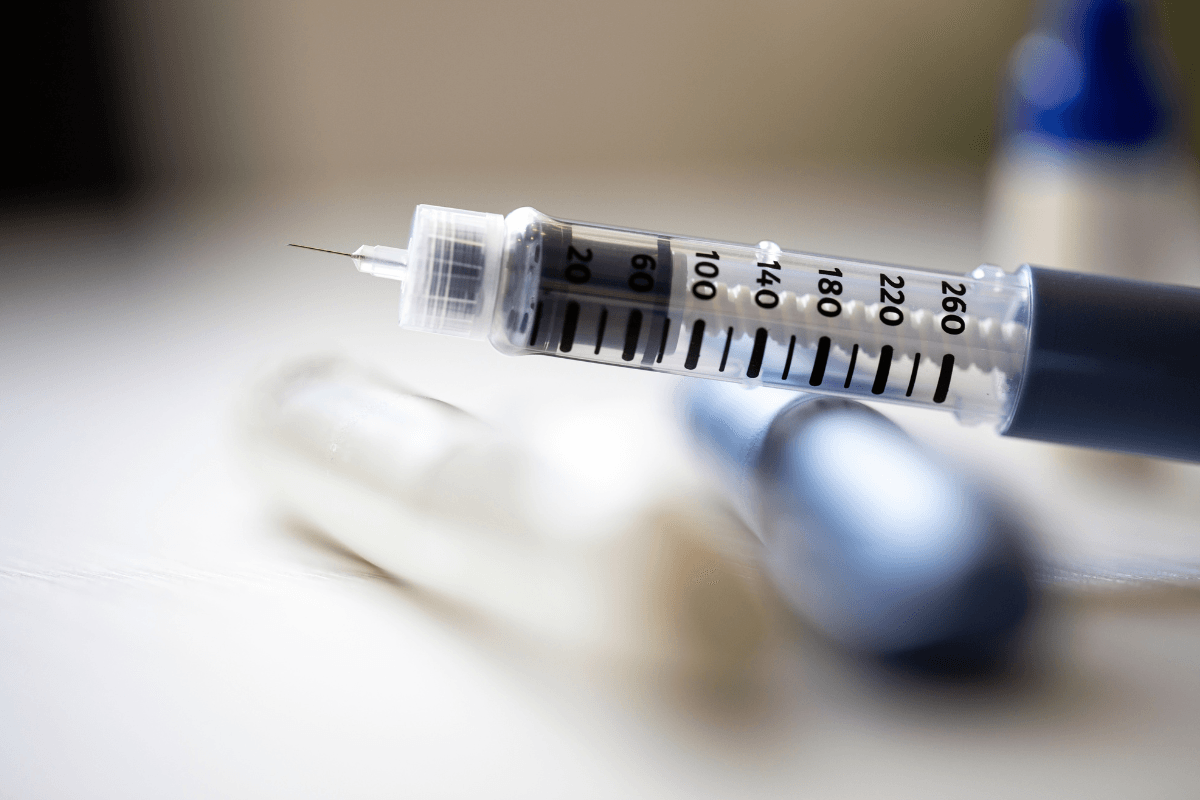
Choosing the right rapid-acting insulin device can feel overwhelming. If your care plan includes mealtime insulin, understanding how Apidra solostar works, how to use the pen correctly, and where it fits among alternatives helps you stay safe. This guide reviews real-world use, device technique, dosing fundamentals, and safety considerations, with links to deeper resources where helpful.
Key Takeaways
- Rapid-acting analog: Designed for mealtime and correction doses.
- Device technique matters: Priming, site rotation, and dose dialing reduce errors.
- Dose is individualized: Use conservative starts and clinician guidance.
- Compare options: Consider onset, duration, device features, and access.
- Safety first: Watch for hypoglycemia, interactions, and storage needs.
Understanding Apidra solostar
This disposable pen delivers a rapid-acting insulin analog used around meals, snacks, and corrections. It contains glulisine insulin, a lab-modified formulation designed to act quickly after injection. Typical clinical use pairs it with a long-acting basal insulin in people with type 1 diabetes, and it may be added to selected type 2 regimens when post-meal spikes persist.
Onset and duration can vary with dose, site, activity, and individual response. In general, rapid-acting analogs begin working within minutes and clear within several hours. For a concise overview of timing and scenarios, see Understanding Apidra Insulin for background on mealtime use. When comparing device features and pen handling, the article Apidra SoloSTAR Pen provides practical device context.
How It Works and When It Acts
Rapid-acting analogs are engineered to be absorbed quickly from subcutaneous tissue. Many users take the dose just before starting a meal. Some clinicians advise dosing at the first bites or slightly earlier, depending on glucose level and carbohydrate content. Exercise, warmer skin, and massage may speed absorption, while cold sites or lipohypertrophy can slow it.
Labeling for this insulin describes a rapid onset and relatively short duration compared with regular human insulin. Timing still varies by person and circumstance, which is why paired glucose checks or CGM trends are useful. For authoritative pharmacokinetic details, review the FDA prescribing information for insulin glulisine, which outlines onset, peak, and duration ranges in the official label. Broader guidance on mealtime insulin use appears in the American Diabetes Association’s Standards of Care, which summarize dosing principles and safety.
Indications, Classification, and Route
This formulation is indicated to improve glycemic control in adults and pediatric patients with diabetes. In practice, it functions as a prandial or correction insulin to address post-meal spikes or unplanned elevations. When discussing medical necessity or eligibility, clinicians typically reference current A1C targets, glucose profiles, and prior therapy.
As a rapid-acting analog, its pharmacologic class differs from regular insulin and ultra-rapid variants. Subcutaneous injection is the primary route in outpatient settings, while intravenous use may occur under close medical supervision. For scope and limitations of use, see the prescribing information, which details patient populations and precautions. To place this agent in the broader landscape, the overview Navigating the Insulin Landscape offers helpful classification context.
Note: For documentation and insurance, clinicians may chart an apidra indication such as mealtime coverage in type 1 diabetes, or postprandial control added to basal therapy in type 2 diabetes.
Dosing Basics and Safe Adjustments
Dosing is individualized and should be guided by your healthcare professional. Many plans begin with a conservative mealtime approach, then adjust using glucose trends, carbohydrate counting, and correction factors. A typical pattern involves doses before meals and occasional correction doses between meals if needed. Keep notes on timing, carbohydrate estimates, and activity to support safe titration.
Written instructions should specify dose ranges, hypoglycemia actions, and when to hold or reduce insulin. Dose calculators and ratio methods can help standardize decisions, but human oversight remains essential. Introduce one change at a time, and reassess within days. For foundational comparisons across insulin types that can inform starting frameworks, see Navigating the Insulin Landscape for mechanism and timing differences. If you are documenting a plan, include an apidra dosage notation with timing relative to meals.
Adjusting for Meals and Activity
Carbohydrate counting links dose size to the grams consumed, using an insulin-to-carb ratio. Correction doses address unexpected highs based on an insulin sensitivity factor. Physical activity can increase insulin sensitivity for hours, so planned exercise often warrants a lower mealtime dose or a snack. Illness, steroids, and high-fat meals may require different strategies. Continuous glucose monitoring can reveal patterns that fingersticks might miss. For device choices that interact with dosing strategies, see Understanding Diabetes Tech for a broad overview of pens, pumps, and CGMs.
Using the SoloSTAR Pen and Injection Technique
Good technique prevents underdosing and device issues. Inspect the pen, attach a new needle, and prime according to the instructions. Dial the correct dose, choose a recommended site, and inject at the advised angle. Keep the needle in place for several seconds to ensure delivery, then safely discard the needle. Rotate sites to avoid lumps, tenderness, or absorption variability.
For illustrated steps and device specifics, the article Apidra SoloSTAR Pen covers needle attachment, priming volumes, and dose increments. If you need a brief device refresher, you can also consult Insulin Storage 101 for temperature thresholds that protect potency. People discussing training often refer to the apidra solostar pen to emphasize correct handling and storage practices that support consistent dosing.
Tip: If you switch injection sites (abdomen to thigh), monitor for timing differences. Adjustments should be gradual and physician-directed.
Comparing Rapid-Acting Options
Rapid-acting options differ subtly in onset, peak, and duration, and more clearly in device formats and ancillary support. These differences may influence mealtime timing, correction strategies, and compatibility with your routine. Many patients compare this formulation with lispro or aspart products and consider program eligibility, device feel, and access.
For head-to-head perspectives, see Apidra vs Humalog for clinical and practical contrasts, and Differences: Apidra vs Novolog for aspart-based comparisons. If your clinician recommends trying a different pen platform, reviewing the Humalog KwikPen device page can clarify dose increments and pen mechanics. Patients often ask about apidra vs humalog when timing and correction performance matter day to day.
Side Effects, Interactions, and Safety Notes
The most common risk with any insulin is hypoglycemia. Warning signs include shakiness, sweating, confusion, headache, or irritability. Severe cases can cause seizures or unconsciousness. Keep fast carbohydrates available and follow your clinician’s plan for lows, including when to use glucagon. Rotate sites to reduce lipodystrophy, and avoid injecting into areas with lumps or inflammation.
Drug interactions can change insulin needs. Thiazolidinediones, steroids, and some antipsychotics may raise requirements; alcohol can increase hypoglycemia risk. Illness, vomiting, or missed basal insulin can precipitate ketosis, particularly in type 1 diabetes. For adverse reaction profiles and interaction lists, consult the prescribing information. For durable storage guidance that protects potency and reduces dosing variation, see Insulin Storage 101. Discuss any persistent or unusual symptoms with your healthcare professional, and document apidra side effects in your care notes.
Cost, Access, and Support Resources
Access depends on insurance, pharmacy contracts, and regional availability. Savings programs and prescription assistance may help eligible patients reduce out-of-pocket costs. Formularies sometimes prefer one rapid-acting option over another, which can shape device selection. Clinicians and pharmacies can advise on substitutions that maintain similar onset and duration while respecting your plan’s rules.
For concrete strategies to lower spending, see Apidra Coupon Tips for common pathways to savings and documentation. If you require device-specific supplies, review Apidra SoloSTAR Pens to understand pen format and compatibility before discussing alternatives with your clinician. Patients sometimes ask about apidra coupon opportunities, pharmacy stock, and whether the glulisine formulation has a true generic; your care team can clarify current options.
Recap
This rapid-acting pen helps manage post-meal glucose and unplanned highs. Success depends on timing, accurate technique, and data-driven dose adjustments. Compare alternatives when access, device features, or timing preferences differ. Use authoritative guidance and clinician support to refine a plan that fits your routines and safety needs. For naming and substitution context, Apidra Generic Name explores brand and alternative considerations.
Medical disclaimer: This content is for informational purposes only and is not a substitute for professional medical advice.


