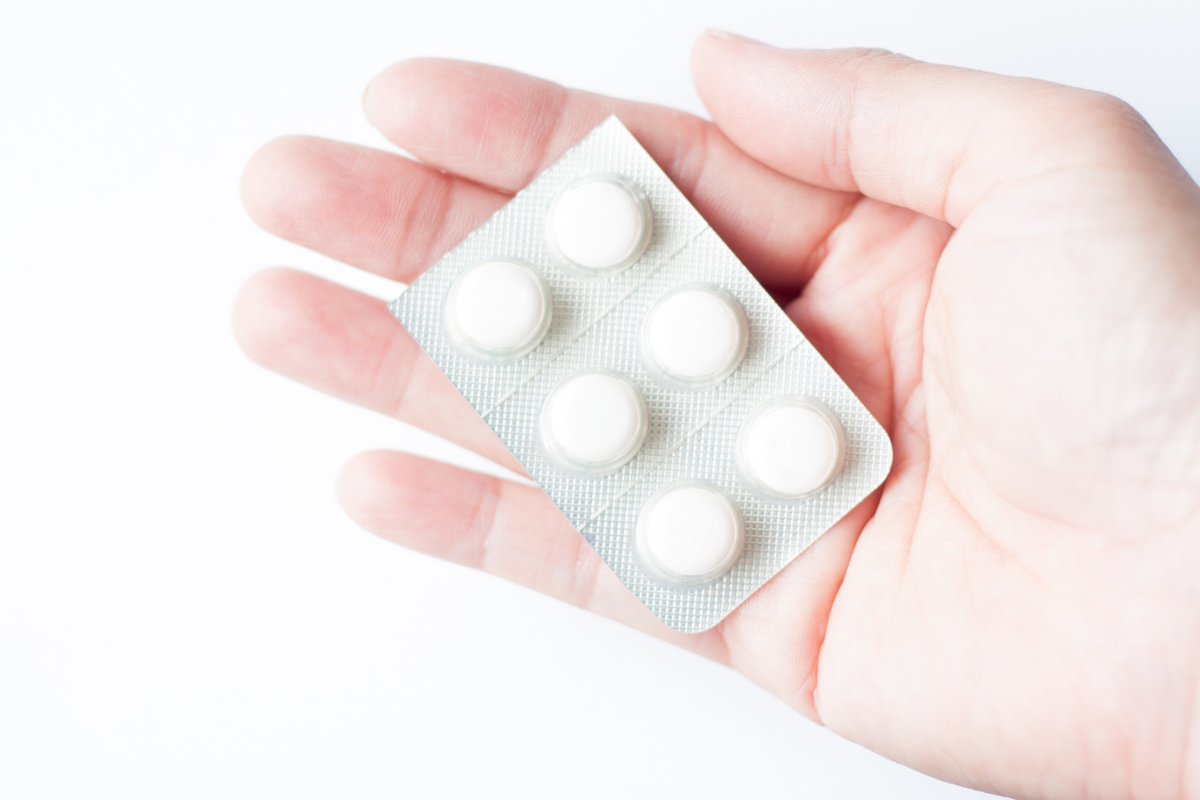
Generic apixaban may be available, but access is not equally straightforward everywhere. Some patients can receive a lower-cost version of the same active ingredient used in Eliquis, while others still run into brand-only supply, coverage rules, or pharmacy stock limits. That matters because apixaban is an anticoagulant (blood thinner) used for conditions such as atrial fibrillation, deep vein thrombosis, and pulmonary embolism, and any switch should be checked carefully. The practical issue is not only whether a generic exists. It is whether that product is approved, stocked, covered, and appropriate for your treatment plan.
Key Takeaways
- Approved brand and generic versions use the same active ingredient.
- Availability can vary by market, pharmacy supply, and coverage rules.
- A lower price does not make every blood thinner interchangeable.
- Bleeding risk, interactions, and procedure planning still matter.
- Cost questions are safest to review with a clinician and pharmacist.
Generic Apixaban and Brand Eliquis
Generic apixaban is the nonbrand name of the medicine sold as Eliquis. When a pharmacy dispenses an approved generic equivalent, the active ingredient is the same, and regulators require it to meet quality and bioequivalence standards. Bioequivalent means the medicine is expected to reach the bloodstream in a very similar way to the brand product.
What the generic label actually means
A generic does not have to look identical to the brand. Tablet color, shape, markings, packaging, and manufacturer can differ. Inactive ingredients may also vary. For most people, those changes do not alter the intended anticoagulant effect, but they can create refill confusion. It is reasonable to ask the pharmacist to confirm whether the bottle contains brand Eliquis or an approved generic version of apixaban.
One point often causes confusion: apixaban is the generic name whether the bottle contains a brand or generic product. A clinician may document apixaban in the chart even when a patient receives Eliquis, because medical records often track the active ingredient rather than the trade name. The meaningful questions are whether the dispensed product is brand or generic, whether substitution is allowed, and whether the refill source stays consistent from month to month.
Apixaban belongs to the direct oral anticoagulant class, often shortened to DOAC, and more specifically to the factor Xa inhibitor group, which blocks one step in the clotting process. Depending on the reason it was prescribed, apixaban may be used to reduce stroke risk in some people with atrial fibrillation and to treat or help prevent deep vein thrombosis and pulmonary embolism.
Some medication-access services act as referral platforms, not dispensing pharmacies.
Is Generic Apixaban Available, and Why Does It Vary?
Yes, generic apixaban may be available, but real-world access can still vary by country, pharmacy network, supply chain, and coverage rules. A medicine can be approved before it becomes easy to fill, and a lower-cost option on paper may not be the product a local pharmacy can dispense that day.
Approved, stocked, and covered are different steps
The easiest way to think about availability is to separate it into three checkpoints. Approval answers whether regulators allow an equivalent product. Stock answers whether a wholesaler or pharmacy can actually source it. Coverage answers whether your insurance or cash-pay route makes it affordable enough for ongoing treatment.
- Approved means an equivalent product has regulatory clearance.
- Stocked means the pharmacy or wholesaler can obtain it.
- Covered means your out-of-pocket cost is realistic for long-term use.
Why it matters: Approval alone does not guarantee the lower-cost product will be on the shelf.
Even after approval, routine access can still be affected by manufacturer launch decisions, market agreements, local sourcing, and pharmacy purchasing patterns. That is why availability can differ between regions and even between pharmacies in the same area. If you are mainly comparing brand and generic for cost reasons, ask two separate questions: Is a generic apixaban product available through this pharmacy, and if so, what name will appear on the label?
This is also why people sometimes get mixed messages. A clinician may say there is a generic, while the pharmacy says it is unavailable, not preferred by the plan, or temporarily out of stock. Very low advertised copays or headline savings claims are not universal. They depend on plan design, assistance rules, location, and the exact product being dispensed. In other words, the least expensive option is not one fixed number. It is the result of matching the right anticoagulant with the right fill route.
How It Compares With Eliquis and Other Anticoagulants
When it is dispensed as an approved equivalent, generic apixaban and brand Eliquis are meant to provide the same medication effect. The bigger differences patients notice are often practical ones, such as price, manufacturer, bottle labeling, and whether the product is easy to refill. Alternatives to Eliquis can also include other anticoagulants, but those are not automatic substitutes just because they may cost less.
| Option | What stays similar | What may differ | Main question |
|---|---|---|---|
| Brand Eliquis | Known brand labeling and active ingredient | Coverage rules and out-of-pocket cost | Is the brand required by the plan or prescriber? |
| Approved generic apixaban | Same active ingredient and intended use | Manufacturer, tablet appearance, stock, and price | Is it stocked and covered where you fill it? |
| Another DOAC | Same broad clot-prevention goal | Dosing schedule, interactions, and clinical fit | Does another option better match your history? |
| Warfarin | Anticoagulant purpose | Monitoring needs and food interactions | Would lower cost trade off with more follow-up? |
Another anticoagulant may be discussed if cost, kidney or liver issues, drug interactions, a history of bleeding, or the reason for treatment makes another option easier to manage. Warfarin, for example, has a long clinical history and can cost less, but it usually requires INR blood testing and has more food and drug interaction concerns. Other DOACs may avoid some of that monitoring burden, yet they still have their own coverage rules and safety considerations.
Not every anticoagulant fits every scenario. A medication that is reasonable for atrial fibrillation may not be the first choice for a patient with a mechanical heart valve or certain other clotting situations. The goal is not to find the cheapest blood thinner in the abstract. It is to find the safest affordable option for the reason anticoagulation is needed.
It is also important to ignore so-called natural alternatives. Supplements, vitamins, or home remedies are not proven substitutes for a prescribed anticoagulant, and replacing one on your own can be dangerous. For broader heart-health context, browse our Cardiovascular Articles and the Cardiovascular Products hub.
Safety Basics: Bleeding, Interactions, and Monitoring
The main safety issues are similar whether the label says Eliquis or another manufacturer name. The most important risk is bleeding. Some people notice easier bruising, nosebleeds, or cuts that take longer to stop. Urgent warning signs include coughing or vomiting blood, black or tarry stools, a severe headache after a fall, sudden weakness, or bleeding that does not stop.
Drug interactions also matter. Other blood thinners, antiplatelet drugs, aspirin, nonsteroidal anti-inflammatory drugs such as ibuprofen, and some antibiotics, antifungals, seizure medicines, and herbal products can change bleeding risk or drug levels. Active bleeding and some serious liver problems can also change whether any anticoagulant is appropriate. Every prescriber, dentist, emergency clinician, and pharmacist should know you take apixaban before a procedure or new prescription is started.
Quick tip: Keep an updated medication list in your wallet or phone.
Day to day, many people do not feel a dramatic difference when they start apixaban, because its job is prevention rather than symptom relief. That can make missed doses or refill gaps easy to overlook. Routine clotting tests are not used in the same way they are with warfarin, but clinicians may still review kidney function, liver function, age, fall risk, recent bleeding, and upcoming surgery when deciding whether apixaban remains the best fit.
Because apixaban reduces clotting, surgery, dental work, and even some injections may require planning. Never stop it on your own because of an upcoming procedure; the timing depends on the procedure and the reason you take anticoagulation. If you are unsure what to do after a missed dose or a minor injury, use the instructions on your label or contact the prescribing team or pharmacist.
Lower-Cost Paths When Brand Pricing Is a Problem
The safest low-cost path is the one that keeps your anticoagulant plan clinically appropriate. If generic apixaban is stocked and covered, it may lower out-of-pocket cost without changing the active ingredient. If it is not available, the next step is usually to compare other access routes before talking about a full medication switch.
- Confirm the exact reason you take apixaban.
- Ask whether the prescription allows a generic equivalent.
- Check whether the pharmacy can source the product now.
- Review formulary status, preferred pharmacy rules, or prior authorization needs.
- Compare cash-pay quotes only after confirming the same medication.
- Ask whether assistance programs or a different anticoagulant are reasonable options.
- Avoid websites or supplements marketed as do-it-yourself substitutes.
If brand pricing is the main problem, another clinician-approved plan could still be safer than stopping treatment or spacing out doses. Some patients ask about cash-pay or other fulfilment routes, but eligibility and local rules matter, and the same drug name does not guarantee the same access path. Prescription details may be checked with the prescriber when needed.
Copay cards or very low monthly price offers may help some patients, but those programs are specific and not universal. They may exclude certain insurance types or apply only through selected routes. That is why no article can promise a best price for everyone. The better approach is to compare verified options with the exact product in front of you and to confirm whether the lower-cost route changes the medicine itself.
If you are learning how generic timing and coverage can affect long-term medicines more broadly, see our explainers on Invokana Generic, Budget Medication Tips, and Rybelsus Generic. The products differ, but the access questions are similar: approval, supply, coverage, and whether a lower-cost route changes the treatment plan.
Questions to Ask Before Any Switch
A brief medication review can prevent mix-ups between brand fills, generic fills, and true therapeutic alternatives. Before you accept a new bottle or discuss a cheaper option, make sure you understand what is changing and what is not.
- What exact name will be on the label?
- Is this the same active ingredient or a different anticoagulant?
- Why am I taking it right now: AFib, DVT, PE, or another reason?
- Do my other medicines or supplements raise bleeding risk?
- What should I tell the dentist or surgeon before a procedure?
- Which symptoms mean I should seek urgent care?
- Will refill timing or pharmacy sourcing change?
If a switch is being discussed, ask what is driving the decision. Sometimes the reason is cost. Sometimes it is insurance coverage, drug interactions, kidney function, or a recent bleeding event. The answer shapes the next step. A cost problem may call for a generic or coverage review, while a safety problem may require a different anticoagulant altogether.
Also pay attention to appearance changes at refill time. A new tablet color or manufacturer does not always mean something is wrong, but it is worth confirming before you leave the pharmacy, especially if you take several medicines or use a pill organizer.
Licensed third-party pharmacies dispense where local rules permit.
For readers comparing long-term medication access more broadly, the same framework of indication, class, safety, and affordability appears in our background reads on Oral Diabetes Medications, SGLT2 Inhibitors Guide, and Ozempic Alternatives.
In short, generic apixaban can be a meaningful lower-cost path, but only when approval, stock, coverage, and clinical needs line up. The safest next step is to confirm the exact product, review interaction risks, and compare access routes without changing anticoagulants on your own.
Authoritative Sources
- FDA background on how generic drugs are evaluated
- MedlinePlus patient information on apixaban uses and safety
- Official label-backed details in the Eliquis prescribing information
This content is for informational purposes only and is not a substitute for professional medical advice.