
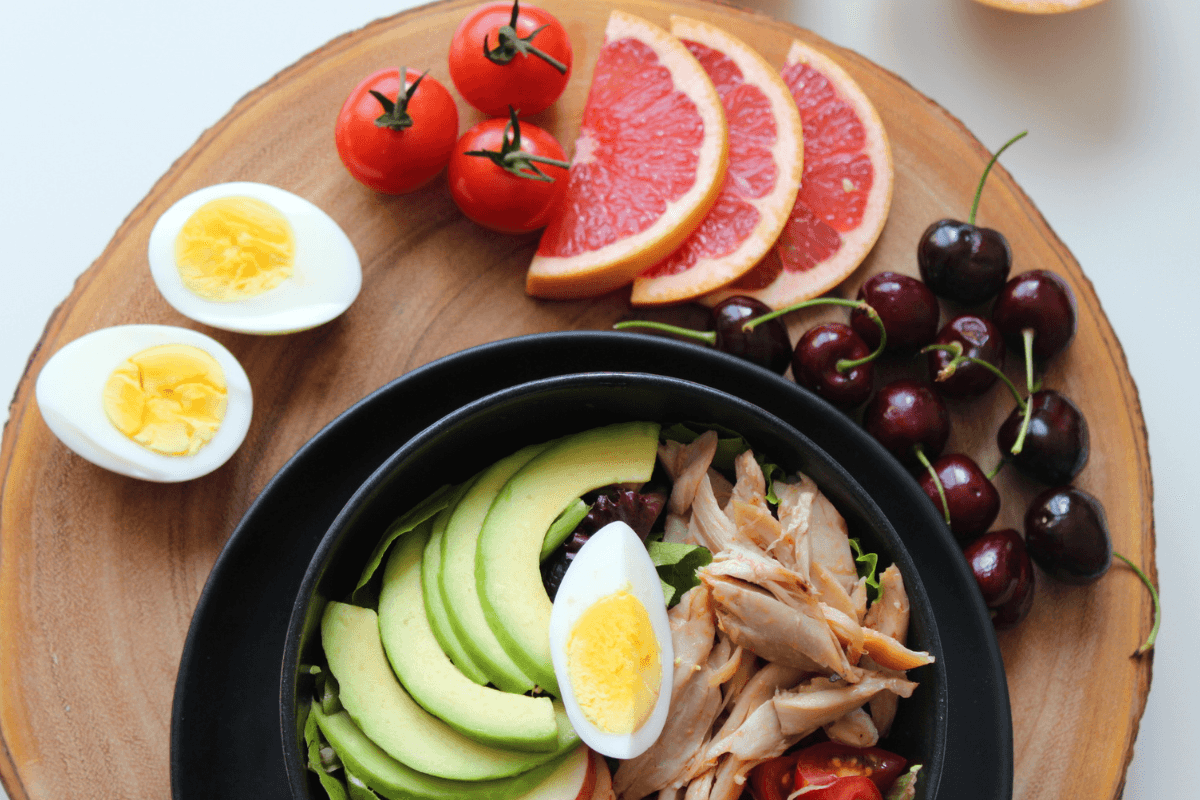
Superfoods for weight loss are not magic foods. They are nutrient-dense choices that may help you feel full, build balanced meals, and manage calorie intake more comfortably. The most useful options usually contain fiber, protein, water, or healthy fats. These qualities matter because hunger, portion size, and daily consistency often affect weight management more than any single ingredient.
The word superfood can be misleading. It is a marketing term, not a medical category. A better question is whether a food helps you eat enough nutrients while keeping meals satisfying. That depends on your health needs, medications, budget, culture, and eating routine.
Key Takeaways
- Superfoods are not cures. They support a broader eating pattern.
- Fullness matters. Fiber, protein, and water-rich foods can help.
- No food targets belly fat. Fat loss cannot be spot-reduced.
- Metabolism claims are often overstated. Small effects rarely drive results.
- Medical context matters. Diabetes, pregnancy, kidney disease, and medications can change food choices.
How Superfoods for Weight Loss Actually Help
The most helpful foods work through simple, practical mechanisms. They may slow digestion, add volume to meals, support stable energy, or make meals more satisfying. That does not mean they melt fat. It means they can make a balanced eating plan easier to follow.
Fiber-rich foods, such as beans, lentils, berries, oats, and vegetables, add bulk without many calories. Protein-rich foods, such as eggs, fish, Greek yogurt, tofu, or lean poultry, support satiety. Water-rich foods, including soups, leafy greens, cucumbers, and fruit, can make plates feel larger. Healthy fats from nuts, seeds, olive oil, and avocado can also help meals feel complete, though portions still matter.
The best superfoods for weight loss are often ordinary foods. They do not need to be rare, expensive, or imported. Frozen berries, canned beans, plain yogurt, cabbage, oats, lentils, and eggs can be useful choices for many people. Your usual grocery store may offer more practical options than a specialty aisle.
A Five-Food Starting Point
If you want a short starting list, choose foods that improve fullness and fit your routine. This is not a universal ranking. It is a practical way to build meals around nutrients instead of hype.
| Food Group | Why It May Help | Simple Use |
|---|---|---|
| Beans and lentils | High in fiber and plant protein | Add to soups, salads, bowls, or tacos |
| Leafy and cruciferous vegetables | Low energy density with vitamins and minerals | Use spinach, cabbage, broccoli, or cauliflower as meal volume |
| Berries | Fiber-rich fruit with natural sweetness | Pair with yogurt, oats, or nuts |
| Protein-rich foods | Protein can help meals feel more filling | Use eggs, fish, tofu, poultry, cottage cheese, or Greek yogurt |
| Nuts and seeds | Healthy fats and texture support satisfaction | Use small portions in oatmeal, salads, or snacks |
Why it matters: A short list is easier to use than a perfect list.
Metabolism and Belly Fat Claims Need Context
No superfood can reliably burn belly fat by itself. Body fat changes happen across the body, not only in one area. Genetics, sleep, stress, hormones, medications, alcohol intake, and total energy balance all affect where weight changes show first.
Many articles mention foods that increase metabolism and burn fat. Some ingredients, such as caffeine, spicy foods, or green tea, may have small short-term effects in some people. These effects are usually modest and can be outweighed by portion sizes, sugary add-ins, or inconsistent routines. A food that slightly affects energy expenditure is not the same as a weight-loss treatment.
There is also no special food that speeds female metabolism in a dependable way. Women may notice changes in appetite, muscle mass, weight distribution, or insulin sensitivity across life stages. Menopause, polycystic ovary syndrome, thyroid disease, sleep changes, and some medicines can affect weight. Food choices still matter, but they work best as part of a broader plan.
No Ingredient Mimics Prescription GLP-1 Medicine
Searches about three ingredients that mimic Ozempic are common. The cautious answer is simple: no food or supplement mimics a prescription GLP-1 receptor agonist in a predictable medical way. Protein, fiber, and minimally processed foods may support fullness through normal digestion and appetite pathways. They are not substitutes for prescribed medication.
If you are trying to understand the difference between food choices, appetite hormones, and medication, the GLP-1 Explained resource gives helpful background. For a broader medication context, see Diet and Weight Loss With GLP-1 Medications.
Fast weight-loss promises also need caution. Trying to lose a large amount of weight very quickly can increase the risk of muscle loss, nutrient gaps, gallstones, dehydration, or disordered eating patterns. If you have a medical condition or a history of eating disorder symptoms, speak with a clinician before using an aggressive plan.
Build Filling Meals Instead of Chasing Perfect Foods
A filling meal usually combines protein, high-fiber carbohydrate, colorful produce, and a fat source. This pattern can be more useful than memorizing a top 10 superfoods list. It also works across many budgets and cuisines.
A simple plate can include half non-starchy vegetables, one quarter protein, and one quarter higher-fiber carbohydrate. Then add a small amount of fat for flavor and satisfaction. Examples include lentil soup with vegetables, tofu stir-fry with brown rice, Greek yogurt with berries and seeds, or salmon with potatoes and roasted broccoli.
For most adults, superfoods for weight loss recipes work best when they are repeatable. A recipe that takes two hours and uses costly ingredients may not help on busy days. Instead, keep a few flexible templates ready. Build a bowl, make a soup, prepare a snack plate, or use leftovers in a wrap.
Calorie needs vary by body size, age, sex, activity, and goals. A calculator can give a rough energy estimate for meal planning, but it does not provide personal medical advice.
Calorie & TDEE Calculator
Estimate resting energy needs and daily calorie range from age, sex, body size, and activity level.
Hold Ctrl or Cmd to select more than one calculator.
These calculations are for education only and do not replace clinical advice, diagnosis, or treatment. Always confirm medical decisions with a qualified healthcare professional.
If you prefer a structured meal example, the 7-Day Diet Plan can help you see how meals fit together. For snack planning, Healthy Snacks offers ideas that focus on satisfaction rather than restriction.
A Practical Superfoods List for Everyday Shopping
A useful superfoods list should help you shop, not create food rules. Choose foods you enjoy, can afford, and know how to prepare. Variety matters because different foods provide different nutrients.
Start with vegetables that add volume. Leafy greens, broccoli, cauliflower, peppers, mushrooms, zucchini, and cabbage can stretch meals without making them feel sparse. Frozen vegetables are often just as practical as fresh options and may reduce waste.
Add higher-fiber carbohydrates. Oats, barley, beans, lentils, chickpeas, quinoa, potatoes with skin, and whole-grain bread can be filling. Potatoes are sometimes unfairly avoided. Preparation matters. A baked or boiled potato is very different from a large fried portion with high-calorie toppings.
Use fruit with texture. Berries, apples, pears, oranges, and kiwi provide fiber and sweetness. Whole fruit is usually more filling than juice because chewing and fiber slow the eating pace. If you track blood glucose, fruit portions and pairings may matter.
Include protein at meals. Eggs, fish, seafood, tofu, tempeh, Greek yogurt, cottage cheese, poultry, lean meats, and legumes can all fit. Protein needs vary, especially for older adults, athletes, pregnancy, kidney disease, or recovery from illness.
Use fats deliberately. Nuts, seeds, nut butters, avocado, and olive oil can make meals satisfying. They are nutrient-dense and calorie-dense. Measuring portions for a while can help you understand how they fit without avoiding them completely.
Quick tip: Build your list around meals you already like.
Budget-Friendly Ways to Use These Foods
Healthy recipes for weight loss on a budget usually rely on repeat ingredients. That is not boring; it is efficient. Oats, beans, lentils, eggs, cabbage, carrots, frozen spinach, tuna, canned salmon, plain yogurt, and frozen fruit can appear in many different meals.
Batch cooking helps if your schedule is tight. Cook a pot of lentils, roast vegetables, boil eggs, or prepare a grain once. Then mix those ingredients into salads, soups, wraps, or bowls during the week. Sauces, herbs, spices, citrus, and vinegar can change the flavor without requiring a new shopping list.
Convenience can also support consistency. Pre-cut vegetables, canned beans, microwave grains, and frozen meals can help during stressful weeks. Read labels for sodium, added sugars, protein, and fiber. A practical choice you will actually eat often beats an ideal meal that never gets made.
If you want broader behavior strategies, Top 10 Weight Loss Tips covers habits beyond food selection. Alcohol can also affect appetite, sleep, and calorie intake, so Alcohol and Weight Loss may be useful if drinks are part of your routine.
When Health Conditions or Medications Change the Plan
Superfoods for weight loss can fit many eating patterns, but medical context can change the safest choices. People with diabetes may need to consider carbohydrate portions, glucose response, and medication-related low blood sugar. This is especially important for anyone using insulin or medications that can cause hypoglycemia.
Kidney disease may change protein, potassium, phosphorus, or sodium targets. Pregnancy and breastfeeding require careful attention to nutrients and weight changes. Gastroparesis, a condition that slows stomach emptying, may make high-fiber foods harder to tolerate. Eating disorder history can also make weight-focused food rules risky.
Talk with a clinician or registered dietitian if you have repeated high or low blood glucose, kidney disease, pregnancy, gastrointestinal symptoms, or a history of restrictive eating. The goal is not to make food complicated. It is to match choices to your health status.
People using weight-management medications may also need individualized meal strategies. Appetite changes, nausea, constipation, or reduced food intake can make protein, fluids, and micronutrients more important. If you are reviewing medication options, the GLP-1 Drugs for Weight Loss article explains key considerations in a neutral way.
Track Progress Without Making Food the Enemy
Progress is not only the number on a scale. Waist measurement, energy, fitness, sleep, cravings, lab values, and how clothes fit may also provide useful context. For some people, daily weighing helps. For others, it increases stress. Choose a tracking method that supports consistency without creating fear around food.
Body mass index can be one screening tool, but it does not measure body composition, fitness, or metabolic health by itself. The Understanding BMI resource explains its limits and uses. For more browsing, the Weight Management hub gathers related nutrition, lifestyle, and medication topics.
Use trends rather than one-day changes. Sodium intake, menstrual cycle changes, constipation, exercise soreness, sleep loss, and stress can shift water weight. If your plan feels impossible, it may be too strict. A sustainable plan should leave room for social meals, culture, preference, and flexibility.
Authoritative Sources
- CDC guidance on losing weight: Covers gradual, behavior-based weight management concepts.
- Dietary Guidelines for Americans: Provides federal nutrition guidance on healthy eating patterns.
- NIDDK safe weight-loss programs: Reviews questions to ask when choosing a weight-management plan.
A useful superfoods for weight loss plan is not built on one perfect ingredient. It is built on filling foods, realistic portions, flexible meals, and health-aware decisions. Start with one or two foods you can use this week, then adjust based on hunger, energy, budget, and medical needs.
This content is for informational purposes only and is not a substitute for professional medical advice.


