
Please note: a valid prescription is required for all prescription medication.
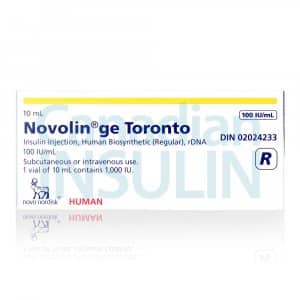
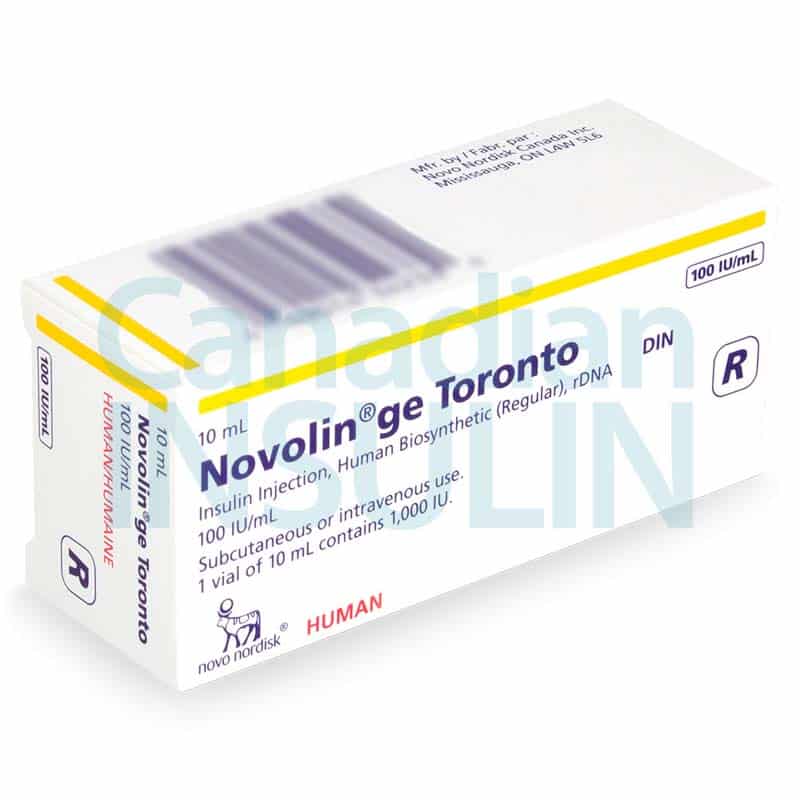
Novolin ge Toronto Vial
Buy Novolin ge Toronto Vial Online
Also available for your pet.


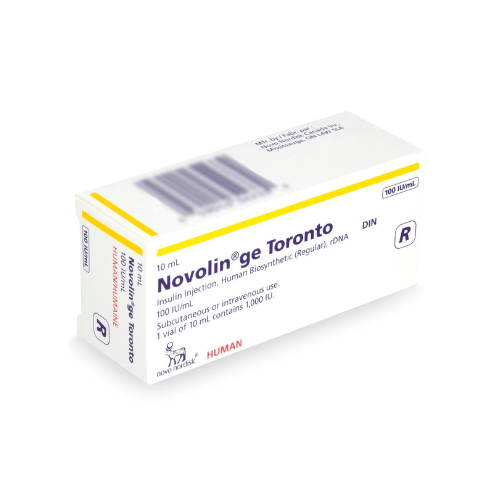
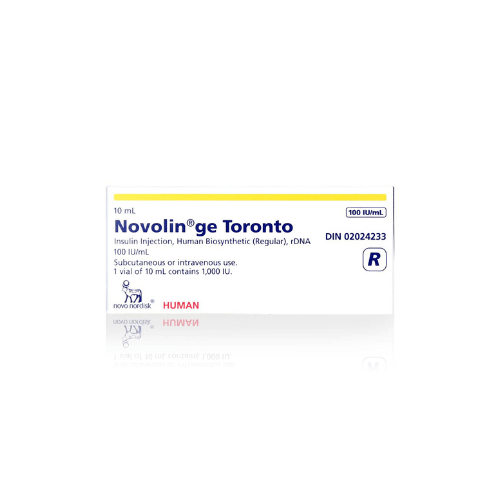
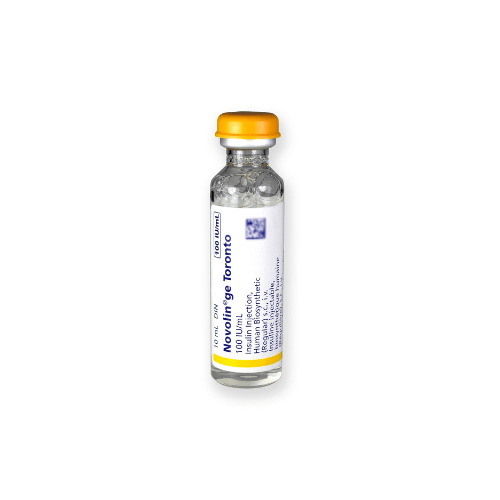
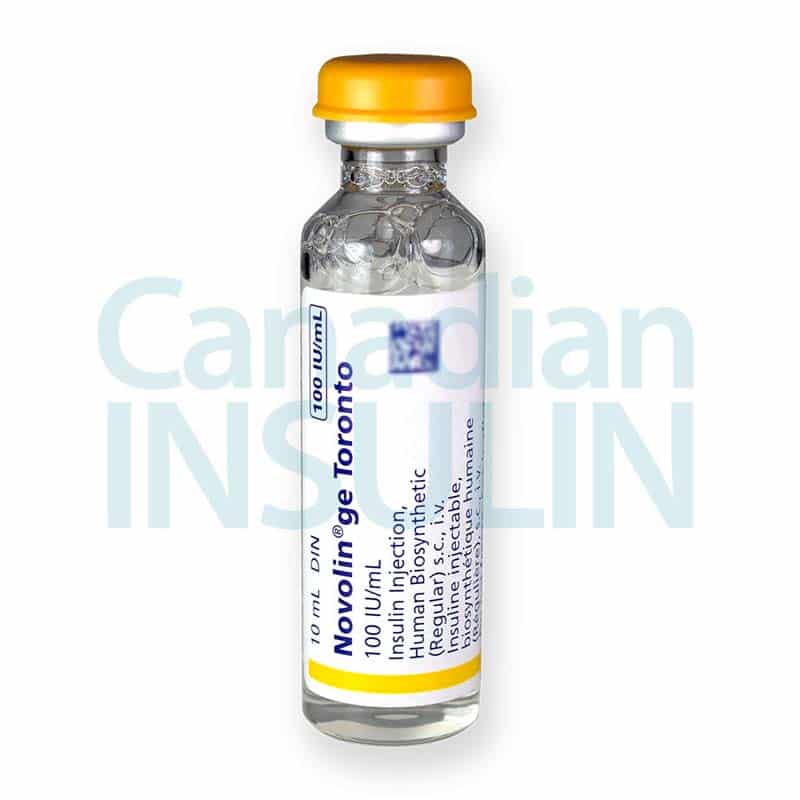
Novolin ge Toronto Vial is a regular human insulin supplied as a 10 mL vial at 100 units/mL. You can buy Novolin ge Toronto Vial online and match the 100 units/mL strength and vial quantity to the directions provided by your clinician. This short-acting insulin is used by injection and requires vial-compatible insulin supplies.
The vial contains insulin human regular, often described as U-100 regular insulin. It is not a prefilled pen, cartridge, NPH insulin, premixed insulin, or rapid-acting insulin analog. When ordering for US delivery from Canada, keep the insulin name, strength, vial size, and quantity aligned with your current treatment plan.
Novolin ge Toronto Vial Price and 100 units/mL Selection
The Novolin ge Toronto Vial price should be read together with the 10 mL vial size, the 100 units/mL strength, and the number of vials chosen during checkout. One 10 mL vial at 100 units/mL contains 1,000 total units of insulin, but total vial contents are not the same as a dose or dosing schedule. Your individual dose and timing must come from your clinician’s instructions.
Cost comparisons are most useful when the product format is identical. A vial may have a different total than cartridges, penfills, pens, premixed insulin, or intermediate-acting products because the package, device, and insulin type are different. If you are reviewing Novolin ge Toronto Vial cost without insurance, separate the insulin vial cost from needles, syringes, glucose testing supplies, sharps disposal, and any other items used with vial-based insulin.
Regular insulin products can sit beside many other diabetes medicines in a store catalogue, so class and format matter. The insulin products category can help you browse insulin types without treating all insulin names as interchangeable. Focus first on the exact insulin type, then strength, form, and quantity.
- Insulin name: Match Novolin ge Toronto to your current insulin instructions.
- Strength: Confirm 100 units/mL, also called U-100 insulin.
- Vial size: Use the 10 mL vial size when estimating total units.
- Form: Choose the vial only if vial use is part of your plan.
- Supplies: Use insulin syringes or other supplies your care team has approved.
Why it matters: A lower or higher total may reflect quantity or format, not a different dose.
How to Order This Regular Insulin Vial
To order Novolin ge Toronto Vial online, start with the insulin name and strength. The product should be the 10 mL vial at 100 units/mL, and the quantity should fit the amount your clinician has directed you to keep on hand. Avoid choosing another insulin simply because the name, package, or class looks similar.
Regular human insulin is used with a dose schedule that may be tied to meals, blood glucose readings, activity, and other medicines. Ordering the correct vial does not replace those instructions. Keep your current insulin plan available when selecting quantity, arranging supplies, and reviewing storage requirements.
Some customers review cash-pay access or cross-border service when their usual coverage does not apply. The practical ordering step is still the same: match the vial, concentration, and insulin type before considering totals or logistics. When shipping applies, prompt, express, cold-chain shipping helps protect temperature-sensitive insulin during transit, but proper storage after arrival remains your responsibility.
- Choose Novolin ge Toronto in the 10 mL vial format.
- Confirm the 100 units/mL concentration before checkout.
- Select the number of vials needed for your current plan.
- Make sure you have compatible insulin syringes and safety supplies.
- Review storage and handling instructions when the order arrives.
Vial Strength, Contents, and Product Format
Novolin ge Toronto is regular human insulin, also known as insulin human regular. Regular insulin is considered short-acting compared with intermediate-acting or long-acting insulin. It begins working after injection, reaches a stronger effect later, and then wears off over time; exact timing can vary by person and situation.
The 100 units/mL concentration means each milliliter contains 100 units of insulin. A 10 mL vial therefore contains 1,000 total units. This calculation helps with quantity planning, but it does not tell you how many units to inject, when to inject them, or whether insulin should be mixed with another product.
| Product feature | What to verify |
|---|---|
| Active ingredient | Insulin human regular. |
| Insulin class | Short-acting regular insulin. |
| Strength | 100 units/mL, commonly called U-100. |
| Vial size | 10 mL, equal to 1,000 total units per vial. |
| Presentation | Injectable vial for use with suitable insulin supplies. |
A vial is not used the same way as a pen. It generally requires a syringe or other clinician-approved device for drawing up a dose. If your instructions name a penfill cartridge, an NPH vial, a premixed insulin, or another Novolin product, do not treat this vial as a substitute unless your clinician changes the plan.
What Novolin ge Toronto Is Used For
Novolin ge Toronto human insulin helps manage blood glucose in people with diabetes. Insulin allows glucose to move from the bloodstream into body tissues, where it can be used for energy or stored. People with type 1 diabetes need insulin because the body makes little or no insulin, while some people with type 2 diabetes use insulin when other measures are not enough.
This regular insulin may be used as part of diabetes treatment that also includes longer-acting insulin, meal planning, activity changes, glucose monitoring, or non-insulin medicines. The diabetes condition category provides broader context on diabetes care, while the type 1 diabetes category and type 2 diabetes category can help you distinguish common treatment pathways.
Regular insulin is not the same as basal insulin. Basal insulin is used to provide background coverage over a longer period, while regular insulin is often used around meals or for shorter glucose-control needs according to a clinician’s plan. The timing, number of daily injections, and relationship to meals can differ widely from person to person.
Illness, stress, missed meals, alcohol, activity changes, and changes in other medicines can alter blood glucose while using insulin. Those factors do not change the product identity, but they can affect monitoring and safety. Contact your healthcare professional if readings repeatedly fall outside your target range or if you are unsure how to handle a change in routine.
Regular Insulin vs NPH, Premixed, and Rapid-Acting Insulin
Novolin ge Toronto regular insulin differs from NPH insulin. NPH is intermediate-acting, usually has a cloudy appearance, and is used for a different timing profile. Regular insulin is generally clear and short-acting. Substituting one for the other can change blood glucose patterns and increase the risk of low or high blood sugar.
Premixed insulin is also different. Premixed products combine insulin types in fixed ratios, so the insulin action profile cannot be adjusted the same way as separate products. If a treatment plan uses a premix, a regular insulin vial alone does not provide the same combination of effects.
Rapid-acting insulin analogs are another separate group. They are designed to act faster than regular human insulin and may be used differently around meals. The rapid-acting insulin category can help show why insulin timing categories matter when selecting a product.
Similar brand names can also cause confusion. Novolin ge Toronto is a regular human insulin, while other Novolin ge products may use different insulin types or mixtures. Use the full insulin name, form, and strength when speaking with your clinician, pharmacist, or caregiver.
Storage, Handling, and Cold-Chain Basics
Insulin is temperature sensitive. Store Novolin ge Toronto Vial according to the package and pharmacy label, with protection from freezing, excessive heat, and direct light. Do not use insulin that has been frozen, exposed to extreme temperatures, or stored outside the conditions provided with the product.
Regular insulin should usually appear clear and colorless. Inspect the vial before drawing up a dose. Do not use the insulin if it looks cloudy, thickened, discolored, or contains particles, unless the official instructions for that exact product state otherwise. Also inspect the vial, stopper, and label for damage or mix-ups.
After first use, follow the in-use storage time and temperature on the carton, package insert, or pharmacy label. Different insulin products can have different limits after opening, so do not rely on another insulin’s rules. Marking the first-use date on the carton can make handling easier without changing your dosing plan.
Travel adds storage risks. Keep insulin out of checked luggage, direct sun, hot vehicles, and freezing conditions. If using a cooling pack, prevent direct contact between the frozen pack and the vial. Insulin that has been mishandled may not work as expected, which can lead to high blood sugar.
Quick tip: Keep the carton until the vial is finished so the name, strength, lot number, and expiry date remain easy to verify.
Side Effects, Warnings, and Monitoring
The most important safety risk with any insulin is hypoglycemia, or low blood sugar. Symptoms may include sweating, shakiness, hunger, headache, dizziness, confusion, fast heartbeat, irritability, blurred vision, or weakness. Severe hypoglycemia can cause seizure, unconsciousness, or death and needs urgent medical attention.
Do not use insulin during an episode of low blood sugar. Seek emergency help for signs of a serious allergic reaction, such as swelling of the face or throat, trouble breathing, widespread rash, or collapse. Tell your clinician about any previous reaction to insulin or any ingredient in the product.
Other possible effects include injection-site redness, itching, swelling, skin thickening, skin pitting, weight changes, fluid retention, or low potassium levels. Rotating injection sites as instructed can reduce local skin problems. Report repeated lows, unexplained highs, new swelling, or injection-site changes to your healthcare professional.
Hyperglycemia, or high blood sugar, can occur if insulin is missed, underdosed, stored incorrectly, or not absorbed as expected. Symptoms may include thirst, frequent urination, fatigue, blurred vision, nausea, or rising ketones. People who have been instructed to test ketones should follow their sick-day plan when readings are high or they feel unwell.
Blood glucose monitoring is central to safe insulin use. Keep logs, meter results, or continuous glucose reports available during medical visits. Patterns over several days are often more useful than one isolated reading, especially when reviewing meal timing, activity, illness, or changes in other medicines.
Interactions and Daily Use Factors
Many medicines can change insulin needs or affect blood glucose. Examples may include corticosteroids, diuretics, thyroid medicines, beta-blockers, some antidepressants, oral diabetes medicines, and alcohol. Beta-blockers can also make some warning signs of low blood sugar harder to recognize.
Tell your healthcare professional about prescription medicines, over-the-counter products, supplements, and alcohol use. This is especially important when a medicine is started, stopped, or changed. Do not adjust insulin timing or amount on your own to compensate for another product.
Food intake and activity can change how insulin affects blood glucose. Missed meals, delayed meals, unexpected exercise, vomiting, diarrhea, fever, infection, surgery, pregnancy, breastfeeding, kidney changes, or liver changes may require closer monitoring. Your care team may provide separate instructions for sick days, travel, exercise, and meal disruptions.
If your regimen includes more than one diabetes medicine, ask how each medicine fits into the plan. Some non-insulin medicines can increase low-glucose risk when combined with insulin. Others may require monitoring for swelling, shortness of breath, or heart-related symptoms, especially in people with existing heart disease.
Choosing Supplies for a Vial-Based Insulin Plan
A regular insulin vial is only one part of safe insulin use. Vial-based treatment usually requires compatible insulin syringes, alcohol swabs, glucose monitoring supplies, a sharps container, and a way to treat low blood sugar. Your clinician or diabetes educator can show you how to draw up insulin, measure the dose, and inject safely.
Use U-100-compatible supplies when using 100 units/mL insulin. Mismatched syringes or devices can cause dosing errors. If you are unsure whether your supplies match the vial, ask a pharmacist or clinician before using the product.
Needle and syringe reuse, poor site rotation, or incorrect injection technique can affect comfort and absorption. Follow the technique taught by your care team, and place used sharps into an approved sharps container. Do not share needles, syringes, or insulin supplies, even with another person who uses insulin.
The broader diabetes medications category may be useful when reviewing other medicines used alongside insulin. Keep each medicine’s role clear, especially when a plan combines insulin with tablets or non-insulin injections.
Related Diabetes and Insulin Categories
Novolin ge Toronto belongs within diabetes treatment and regular insulin use, but it should not be treated as a universal replacement for other products. Nearby insulin categories may include basal, rapid-acting, intermediate-acting, and premixed products. Each type has a different timing profile and clinical role.
The diabetes products category can help organize medicines and supplies used in diabetes care. For condition-focused reading, the diabetes articles category provides general education that can support questions for your care team.
When comparing Novolin ge Toronto with another regular insulin, such as Humulin R, focus on the active ingredient class, format, concentration, manufacturer, and your clinician’s instructions. Two products may belong to the same insulin class but still require careful confirmation before any switch.
If you are comparing Novolin ge Toronto vs NPH, the key difference is insulin action. Toronto is regular human insulin, while NPH is intermediate-acting. Differences in appearance, timing, and use mean the two products are not automatically interchangeable.
Authoritative Sources
Official product information should guide final safety, storage, and use decisions. Package inserts and consumer information can be updated, so compare the leaflet you receive with your current care plan and ask a healthcare professional if anything is unclear.
- Official consumer information: Novo Nordisk Canada Consumer Information for Novolin ge Toronto.
This content is for informational purposes only and is not a substitute for professional medical advice.
Blood Glucose Unit Converter
Convert glucose readings between mg/dL and mmol/L without changing the clinical value.
mg/dL
-
US reporting unit
mmol/L
-
International reporting unit
These calculations are for education only and do not replace clinical advice, diagnosis, or treatment. Always confirm medical decisions with a qualified healthcare professional.
HbA1c & eAG Calculator
Convert between HbA1c percentage and estimated average glucose using the ADAG relationship.
HbA1c
-
percentage
eAG mg/dL
-
estimated average glucose
eAG mmol/L
-
estimated average glucose
These calculations are for education only and do not replace clinical advice, diagnosis, or treatment. Always confirm medical decisions with a qualified healthcare professional.
HOMA-IR Calculator
Estimate insulin resistance from fasting glucose and fasting insulin values collected from the same blood draw.
HOMA-IR
-
screening estimate, not a diagnosis
Formula used
-
depends on glucose unit
These calculations are for education only and do not replace clinical advice, diagnosis, or treatment. Always confirm medical decisions with a qualified healthcare professional.
Express Shipping - from $29.99
Shipping with this method takes 3-5 days
Prices:
- Dry-Packed Products $29.99
- Cold-Packed Products $39.99
Standard Shipping - $19.99
Shipping with this method takes 5-10 days
Prices:
- Dry-Packed Products $19.99
- Not available for Cold-Packed products
What is Novolin ge Toronto Vial used for?
Novolin ge Toronto Vial is regular human insulin used to help manage blood glucose in people with diabetes. It may be part of a plan for type 1 diabetes, type 2 diabetes, or another insulin-treated diabetes situation as directed by a clinician.
Is Novolin ge Toronto the same as NPH insulin?
No. Novolin ge Toronto is regular human insulin and is generally considered short-acting. NPH insulin is intermediate-acting and has a different appearance, timing profile, and role in therapy.
How many units are in a 10 mL 100 units/mL vial?
A 10 mL vial at 100 units/mL contains 1,000 total units of insulin. That total is not a dose. Your dose, injection timing, and frequency should follow your clinician’s instructions.
What should Novolin ge Toronto look like before use?
Regular insulin is generally expected to be clear and colorless. Do not use the vial if the liquid looks cloudy, thickened, discolored, or contains particles, unless the official instructions for that exact product say otherwise.
What are important side effects of regular insulin?
The most important risk is hypoglycemia, or low blood sugar. Symptoms can include shakiness, sweating, hunger, dizziness, confusion, fast heartbeat, or weakness. Severe low blood sugar needs urgent medical attention.
Can Novolin ge Toronto be substituted for another insulin?
Do not substitute Novolin ge Toronto for another insulin unless your clinician changes the plan. Vials, pens, NPH insulin, premixed insulin, and rapid-acting insulin products may differ in timing, strength, format, and use.
How should a Novolin ge Toronto vial be stored?
Store the vial according to the package and pharmacy label, protecting it from freezing, excess heat, and direct light. After first use, follow the in-use storage time and temperature provided with the product.
Rewards Program
Earn points on birthdays, product orders, reviews, friend referrals, and more! Enjoy your medication at unparalleled discounts while reaping rewards for every step you take with us.
You can read more about rewards here.
POINT VALUE
How to earn points
- 1Create an account and start earning.
- 2Earn points every time you shop or perform certain actions.
- 3Redeem points for exclusive discounts.
You Might Also Like
Select options
This product has multiple variants. The options may be chosen on the product page
Select options
This product has multiple variants. The options may be chosen on the product page
Select options
This product has multiple variants. The options may be chosen on the product page
Select options
This product has multiple variants. The options may be chosen on the product page