
Please note: a valid prescription is required for all prescription medication.
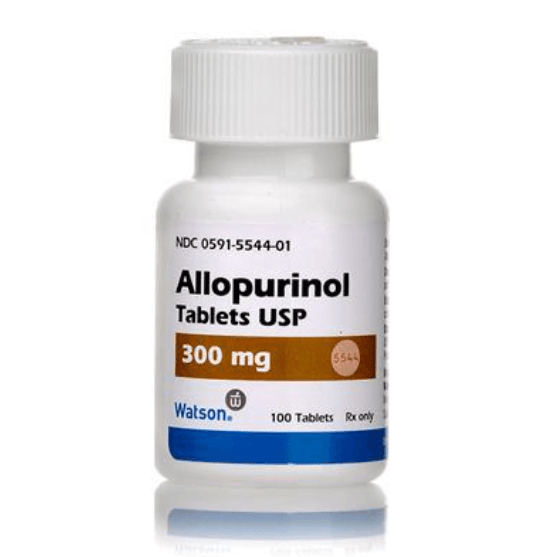
Allopurinol
Buy Allopurinol Online


Allopurinol is an oral urate-lowering medicine used for long-term control of high uric acid. It can be bought online, with current prices shown during ordering, and the tablet strength should match the directions from your clinician. Choose the available dose and quantity carefully, especially when comparing 100 mg and 300 mg tablets.
Allopurinol tablets are usually taken as maintenance treatment rather than quick relief for sudden gout pain. The right strength, tablet count, and daily schedule depend on your treatment plan, kidney function, uric acid level, and monitoring results. If US delivery from Canada is part of your order plan, keep the medicine name, strength, and quantity consistent from checkout through arrival.
Allopurinol Price and Tablet Strength Selection
The Allopurinol price should be read together with the tablet strength and quantity. A bottle or package of allopurinol 100 mg tablets does not contain the same total medicine amount as the same tablet count in a 300 mg strength. For a practical comparison, look at the active ingredient, milligram strength, tablet count, and final checkout amount together.
Allopurinol cost can also vary by supply size and whether the product is shown as generic allopurinol. Cash-pay customers often compare the cost of allopurinol without insurance by holding one variable steady at a time. For example, compare the same strength first, then look at different quantities only after the strength is clear.
Do not choose a different strength simply because the tablet count or price looks more convenient. A 100 mg tablet and a 300 mg tablet may be used in different plans, including gradual titration or maintenance. Your clinician’s directions should guide the strength you choose and the number of tablets taken each day.
| What to review | How it affects the order |
|---|---|
| Active ingredient | Confirms that the medicine is allopurinol. |
| Tablet strength | Helps distinguish 100 mg tablets from 300 mg tablets. |
| Quantity | Shows how many tablets are included, not the daily dose. |
| Generic labeling | Identifies the allopurinol medicine and manufacturer information shown. |
| Checkout total | Reflects the strength, quantity, and order details at that time. |
Quick tip: Compare one strength at a time so the total medicine amount stays clear.
How to Order Allopurinol Online
To order Allopurinol online, choose the tablet strength shown for the medicine, enter the needed quantity, and keep the instructions from your clinician available. The product name and milligram strength should match the label or written treatment plan you are following. This helps prevent confusion between allopurinol tablets and other medicines used for gout symptoms.
If you are arranging US shipping from Canada, review the medicine name, strength, quantity, and contact information before completing checkout. Products are supplied through licensed pharmacies, and order details may be reviewed when needed. Do not use delivery planning as a reason to change how the medicine is taken.
People often buy Allopurinol from Canada to compare cash-pay access, tablet strengths, and long-term supply planning. The most important ordering step is still a clear match between the tablet chosen and your clinician-directed regimen. Keep the original packaging and label available after arrival so the medicine can be checked against your records.
- Match the medicine name to allopurinol.
- Choose the strength directed by your clinician.
- Review the total tablet count.
- Keep clinic instructions separate from checkout notes.
- Contact a healthcare professional if the strength looks unfamiliar.
What Allopurinol Treats
Allopurinol is a xanthine oxidase inhibitor, which means it lowers uric acid production in the body. It is commonly used for gout related to high uric acid, and it may also be used in certain people with uric acid kidney stones or high uric acid linked to some cancer treatments. The goal is long-term uric acid control, not immediate pain relief.
For gout, allopurinol helps reduce urate levels over time so fewer urate crystals can form or persist in joints. Some people may still have flares early in treatment while uric acid levels are changing. Clinicians may use separate short-term medicines for flare prevention or flare treatment when appropriate.
High uric acid can be managed differently depending on the condition being treated. Browse condition collections for gout, hyperuricemia, uric acid kidney stones, and tumor lysis syndrome if you need to organize related therapies by diagnosis.
Allopurinol is not the same as anti-inflammatory pain treatment. If sudden joint pain, swelling, redness, or warmth occurs, ask a clinician which medicine should be used for the flare and whether maintenance urate-lowering therapy should continue as planned.
Allopurinol 100 mg and 300 mg Tablets
Allopurinol tablets are commonly supplied in 100 mg and 300 mg strengths. These strengths are not interchangeable unless a clinician changes the plan. A person using 100 mg tablets may be following a titration schedule, a kidney-adjusted plan, or another individualized regimen.
An allopurinol 300 mg tablet may be practical for some maintenance plans, but it can be too strong for others. Strength matters because it changes the total daily medicine amount. The tablet count in the cart only tells you supply size; it does not tell you whether the regimen is correct.
Generic allopurinol contains the same active ingredient, but tablet appearance, inactive ingredients, and manufacturer labeling can differ. If you have had reactions to dyes, fillers, or certain tablet coatings, ask a pharmacist or clinician which label details matter before using the medicine.
| Tablet attribute | What it means for use |
|---|---|
| 100 mg strength | Often used when a lower strength or gradual adjustment is needed. |
| 300 mg strength | May reduce tablet burden in some plans but must match directions. |
| Generic name | Shows the active ingredient as allopurinol. |
| Tablet appearance | May vary by manufacturer and should not be used alone for identification. |
Before Checkout: Practical Product Checks
Before checkout, make sure the medicine name, strength, and quantity match the treatment directions you intend to follow. Many chronic medicines are small tablets, and appearance alone is not a safe way to identify them. Keep allopurinol separate from flare medicines, pain relievers, and other daily tablets.
Allopurinol is usually used consistently over time. Missing tablets, doubling doses, or stopping because symptoms have improved can interfere with uric acid management. If the instructions are unclear, ask a healthcare professional before changing the schedule.
- Medicine name: allopurinol.
- Strength: 100 mg, 300 mg, or the strength directed.
- Quantity: total tablets for the supply.
- Use pattern: long-term urate lowering, not sudden pain relief.
- Label clarity: keep the container until the medicine is verified.
Why it matters: A clear product match reduces avoidable mix-ups after the medicine arrives.
Storage, Handling, and Travel
Allopurinol tablets are typically stored at room temperature in a dry place. Keep the container closed, protect tablets from excess moisture, and avoid bathroom storage because humidity can change quickly. Do not combine different medicines in one unmarked container for routine storage.
For travel, keep the labeled container with the tablets. This is especially useful when your daily medicines look similar or when you carry other gout-related treatments. If packaging appears damaged or tablets look different from what you expected, contact a pharmacist or healthcare professional before taking them.
Routine tablet handling is usually straightforward, but the medicine should still be kept away from children and pets. If you use pill organizers, refill them from the original container and keep the labeled bottle available for identification.
Side Effects, Warnings, and Monitoring
Allopurinol medication can cause side effects. Commonly reported effects include upset stomach, diarrhea, drowsiness, headache, or changes in taste. Many people tolerate therapy, but new or worsening symptoms should be discussed with a clinician, especially soon after starting or changing treatment.
Rash is the safety signal that deserves special attention. Stop-and-wait decisions can be risky if a rash is accompanied by fever, blistering, peeling skin, mouth sores, facial swelling, swollen glands, shortness of breath, yellowing skin, dark urine, or severe fatigue. These symptoms can suggest a serious hypersensitivity reaction and require urgent medical attention.
Allopurinol hypersensitivity can involve the skin, liver, kidneys, or blood cells. Risk may be higher in people with kidney disease and in some people with certain genetic backgrounds. Clinicians may consider kidney function, liver tests, blood counts, uric acid results, medical history, and genetic testing in selected patients.
Important interactions include azathioprine, mercaptopurine, warfarin, some antibiotics, certain diuretics, and medicines that affect kidney function. Give your clinician and pharmacist a current medicine list, including over-the-counter pain relievers and supplements. Alcohol does not directly cancel allopurinol, but it can trigger gout flares in some people and may complicate a uric acid plan.
- New rash: contact a clinician promptly.
- Blistering or peeling skin: seek urgent help.
- Facial swelling or breathing trouble: treat as an emergency.
- Yellow skin or dark urine: ask about liver evaluation.
- Low urine output: report kidney-related changes.
Monitoring helps show whether the medicine is working safely. Uric acid levels, kidney function, liver tests, and blood counts may be checked depending on your history and treatment plan. People managing gout with other chronic conditions may find the pain and inflammation articles useful for preparing questions, but individualized decisions should come from a healthcare professional.
How Allopurinol Compares With Related Choices
Allopurinol is one urate-lowering medicine, and it works by reducing uric acid production. Other medicines used around gout may have different roles, such as treating inflammation during a flare or lowering uric acid through another pathway. Do not substitute another medicine because it appears in the same condition category.
When comparing therapies, focus on the active ingredient, intended use, strength, monitoring needs, kidney considerations, and interaction profile. A medicine used for sudden gout pain may not replace long-term urate lowering. Likewise, a urate-lowering medicine may not treat pain quickly during an acute flare.
Condition browsing can help keep product decisions organized. The pain and inflammation category may include medicines used for symptom control, while condition pages separate therapies by gout, hyperuricemia, uric acid kidney stones, and tumor lysis syndrome. Use these categories to support a discussion with your clinician, not to change treatment on your own.
Questions to Ask Your Clinician
Allopurinol decisions often depend on lab targets and personal risk factors. Ask what uric acid goal applies to you, when labs should be repeated, and what to do if a gout flare occurs while taking the medicine. It is also useful to ask whether kidney function affects the strength or adjustment schedule.
Bring a full medicine list before starting or changing allopurinol. Include diuretics, blood thinners, immune-suppressing medicines, antibiotics, kidney-related medicines, supplements, and occasional pain relievers. This helps identify interactions that may not be obvious from the allopurinol label alone.
If you have had a rash from allopurinol or a related medicine, do not restart it without medical guidance. Also ask whether your ancestry, kidney history, or other conditions make genetic screening or closer monitoring appropriate.
Authoritative Sources
Individual use should follow the instructions from your healthcare professional and the medicine label. The sources below support general information about allopurinol uses, side effects, interactions, and monitoring considerations.
- MedlinePlus drug information: Allopurinol patient information.
- NHS medicines information: Allopurinol medicine overview.
- Mayo Clinic drug monograph: Allopurinol oral route details.
This content is for informational purposes only and is not a substitute for professional medical advice.
eGFR Calculator
Estimate kidney filtration using the 2021 CKD-EPI creatinine equation.
eGFR
-
mL/min/1.73 m2
G category
-
requires clinical context
These calculations are for education only and do not replace clinical advice, diagnosis, or treatment. Always confirm medical decisions with a qualified healthcare professional.
Creatinine Clearance Calculator
Estimate creatinine clearance using the Cockcroft-Gault equation.
CrCl
-
mL/min estimate
These calculations are for education only and do not replace clinical advice, diagnosis, or treatment. Always confirm medical decisions with a qualified healthcare professional.
Urine Albumin-Creatinine Ratio Calculator
Calculate urine albumin-creatinine ratio from spot urine albumin and creatinine values.
uACR
-
mg/g
uACR
-
mg/mmol
Category
-
A1/A2/A3 albuminuria range
These calculations are for education only and do not replace clinical advice, diagnosis, or treatment. Always confirm medical decisions with a qualified healthcare professional.
Ideal & Adjusted Body Weight Calculator
Estimate ideal body weight with the Devine equation and adjusted body weight when actual weight is above the estimate.
Ideal body weight
-
Devine equation
Adjusted body weight
-
IBW + 0.4 x excess weight
Difference from IBW
-
actual minus ideal
These calculations are for education only and do not replace clinical advice, diagnosis, or treatment. Always confirm medical decisions with a qualified healthcare professional.
Body Surface Area Calculator
Calculate body surface area from height and weight using the Mosteller equation.
BSA
-
m2, Mosteller equation
These calculations are for education only and do not replace clinical advice, diagnosis, or treatment. Always confirm medical decisions with a qualified healthcare professional.
Express Shipping - from $29.99
Shipping with this method takes 3-5 days
Prices:
- Dry-Packed Products $29.99
- Cold-Packed Products $39.99
Standard Shipping - $19.99
Shipping with this method takes 5-10 days
Prices:
- Dry-Packed Products $19.99
- Not available for Cold-Packed products
What is Allopurinol used for?
Allopurinol lowers uric acid production over time. It is commonly used for gout related to high uric acid and may also be used for certain uric acid kidney stone or cancer-treatment contexts. It is not a fast pain reliever for an active gout flare.
Is Allopurinol 100 mg the same as Allopurinol 300 mg?
No. Both strengths contain allopurinol, but the milligram amount is different. Choose the strength directed by your clinician, because tablet count alone does not show the total daily medicine amount.
What side effect should I watch for most closely?
A new rash needs prompt medical attention, especially with fever, blistering, peeling skin, mouth sores, swelling, breathing trouble, dark urine, or yellowing skin. These symptoms can signal a serious reaction.
Can Allopurinol stop a gout flare right away?
Allopurinol is used for long-term uric acid control, not immediate flare pain relief. Clinicians may use other medicines for sudden gout symptoms or early flare prevention while uric acid levels are changing.
What medicines can interact with Allopurinol?
Important interactions can include azathioprine, mercaptopurine, warfarin, certain antibiotics, some diuretics, and medicines that affect kidney function. Share a complete medicine list with your clinician and pharmacist.
How should Allopurinol tablets be stored?
Store tablets at room temperature in a dry place, with the container closed. Avoid humid bathroom storage and keep the labeled container available so the medicine can be identified correctly.
Rewards Program
Earn points on birthdays, product orders, reviews, friend referrals, and more! Enjoy your medication at unparalleled discounts while reaping rewards for every step you take with us.
You can read more about rewards here.
POINT VALUE
How to earn points
- 1Create an account and start earning.
- 2Earn points every time you shop or perform certain actions.
- 3Redeem points for exclusive discounts.
You Might Also Like
Select options
This product has multiple variants. The options may be chosen on the product page
Select options
This product has multiple variants. The options may be chosen on the product page
Select options
This product has multiple variants. The options may be chosen on the product page
Select options
This product has multiple variants. The options may be chosen on the product page