
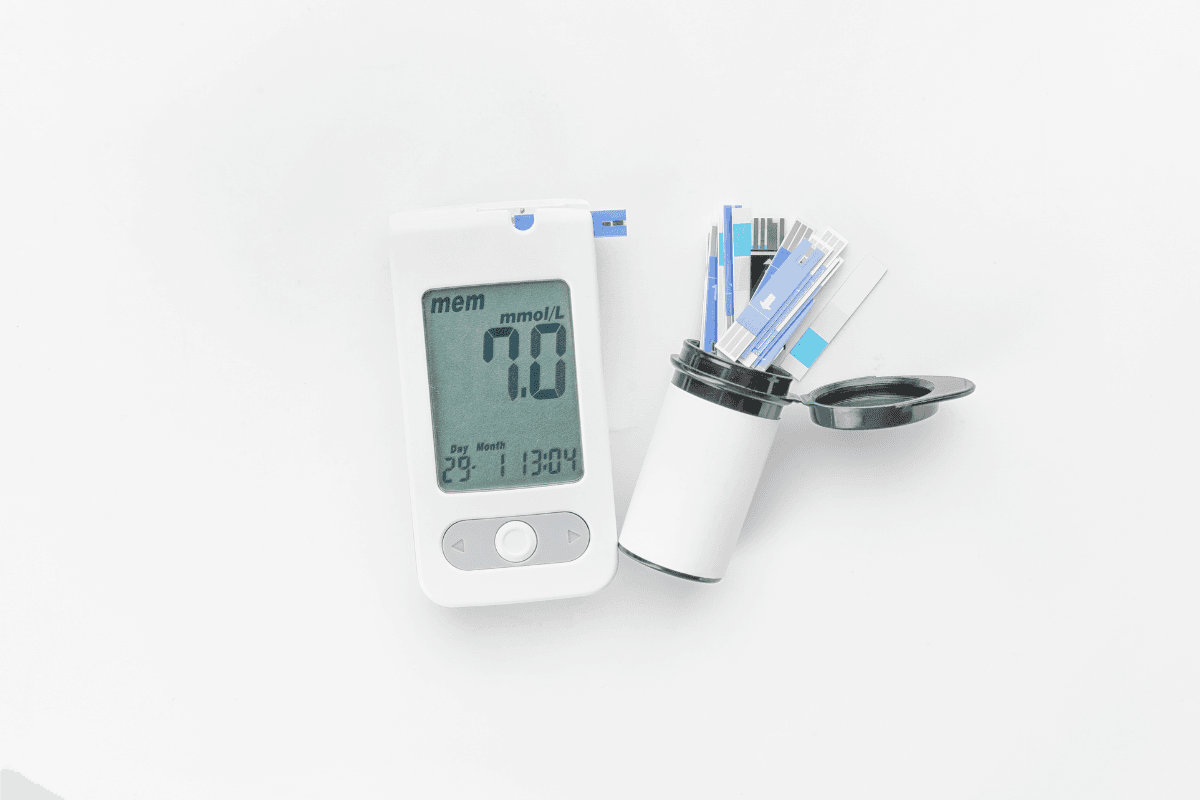
For anyone searching Accu-Chek Aviva Test Strips Recall 2018: Safety Steps, the short answer is this: certain lots of Accu-Chek Aviva and Accu-Chek Aviva Plus blood glucose test strips were recalled in 2018 because some strips could show errors, fail to register, or produce wrong results, including potentially false high readings. That matters because a misleading glucose number can change what someone does next. If you still have older stock, the safest approach is to stop and verify the lot number, inspect the vial, and use only strips you can confirm are unaffected.
Key Takeaways
- The 2018 recall involved specific lots, not every box of strips.
- Main concerns included strip errors, unread strips, and inaccurate or false high results.
- A vial that looks open, damaged, or not fully closed should be treated cautiously.
- Recall status, expiration, and discontinuation are separate questions.
- If a result does not fit your symptoms, recheck with verified supplies and follow your care plan.
Understanding the Accu-Chek Aviva Test Strip Recall 2018
The 2018 recall focused on specific lots, not every Accu-Chek strip on the market. In the United States, FDA records identify a Class II recall for Accu-Chek Aviva Plus test strips. In other regions, safety notices from health authorities also referred to certain Accu-Chek Aviva or Performa strip lots. The common thread was concern that some affected strips might not work as expected because of packaging or container issues.
That distinction matters. A broad internet search can make it sound as if the whole product line was unsafe, discontinued, or unusable forever. The official notices were narrower than that. They were about named products and named lot numbers, which is why the label on the vial and the outer carton matter so much when you check older supplies.
FDA uses Class II for products that may cause temporary or medically reversible harm, or where the chance of serious harm is lower. That does not make the issue minor. Blood glucose strips sit at the center of everyday decision-making, which is one reason people reviewing older meters often revisit the wider picture of Diabetes Tech at the same time.
Older recall notices can still matter today because strips often linger in drawers, travel bags, emergency kits, or backup supplies. If you rotate stock slowly, found an unopened box while cleaning, or still use an older meter, treat the recall as current until the product name and lot number are verified.
What the safety problem looked like in real use
The main safety concern was an unreliable reading. Official notices described several warning signs: strip errors appearing before a sample was applied, strips not being detected once inserted, and wrong results that could include false high readings. Some notices also told users not to use strips if the vial looked open or damaged before first use, or if the cap was not fully closed.
A vial problem matters because test strips are sensitive supplies. When the container is not sealed correctly, the strip may be exposed to conditions that affect performance. You cannot judge accuracy just by looking at a strip, which is why packaging problems deserve the same attention as an obvious meter error.
The practical danger is not only the number itself. It is the response to the number. An unexpectedly high result may lead someone to think their glucose is rising when it is not. A result that looks low, unreadable, or inconsistent with recent checks can create the opposite problem. Either way, a reading that does not fit the person, the recent meal, or the meter’s usual pattern should be treated cautiously.
| Possible issue | What you may notice | Safer next step |
|---|---|---|
| Strip error | The meter shows an error before blood is applied | Stop using that strip and verify the lot |
| Strip not detected | The meter does not recognize the inserted strip | Set the vial aside and check the official notice |
| Questionable result | The number looks unexpectedly high or does not fit symptoms | Retest with verified supplies or another approved method |
| Vial or cap problem | The container looks open, damaged, or loose | Do not keep using that vial |
Why it matters: A misleading glucose reading can push someone toward the wrong response.
How to check whether your supply was affected
The safest way to check is to compare the exact product name and lot number on your vial or carton with the official recall notice or manufacturer instructions. Do not rely on memory. Pull out both the vial and the outer box before deciding whether the strips are acceptable.
- Keep the packaging together: the vial and outer carton may each carry useful identifying details.
- Find the exact product name: look for Aviva, Aviva Plus, or another strip line named in the notice.
- Locate the lot number: compare it with the affected lots listed in the official recall information.
- Inspect the vial: do not use strips from a container that appears open, cracked, or not fully closed.
- Check the expiration date: expiration is separate from recall status, but both matter for accuracy.
- Separate uncertain stock: do not mix questionable strips with newer, verified supplies.
If you use an older meter, confirm the strip-matching rules as well. Different strip lines can look similar, and names such as Aviva and Aviva Plus can cause confusion. Use only strips intended for your exact meter model. If you are reviewing how meters, strips, pens, pumps, and other tools fit together, Diabetes Hub and Diabetes Articles are useful places to browse the broader background.
If the outer box is gone, the vial label is worn, or you cannot match the lot number confidently, treat the supply as uncertain rather than assuming it is fine. Do not pour strips into another container, mix older strips with newer ones, or keep a questionable vial as a backup for emergencies. Those shortcuts make it harder to trace the problem later.
People also forget to check the obvious. A cap that never closes firmly, a vial that seems cracked, or strips that start throwing repeated errors are all reasons to stop and verify before using more of the box.
Quick tip: Keep the vial and outer carton until you finish checking the lot number.
Why older supplies are easy to miss
Recall problems often survive because glucose strips are small, portable, and easy to scatter across daily life. A current box may sit in the kitchen while older vials remain in a purse, car kit, office drawer, school bag, or travel case. Months later, someone reaches for the backup vial without remembering where it came from or whether the outer carton was ever checked.
Similar product names add another layer of confusion. Accu-Chek Aviva, Aviva Plus, and other strip lines sound close enough that people may assume one notice applies to all of them, or that none of them were affected because the package looks slightly different. In reality, recall notices are much narrower. They depend on the exact product and lot number, not on a general impression of the brand.
Example: A person finds an unopened vial in a travel pouch and gets a very high reading before dinner. The meter still turns on, so the device seems fine. But without the outer carton or a verified lot number, that one result does not prove the strips are safe. It only shows why older backup supplies deserve a separate check before they return to daily use.
What to do after a questionable reading or recalled strip
If you used a suspect strip and the result looks wrong, stop using that vial until you verify it. Compare the number with how you feel and with any pattern you already know from recent checks. If you have access to unaffected strips or another approved method in your care plan, repeat the test rather than acting on a number you do not trust.
Be especially careful when the result would normally lead to a fast change in food, activity, or medication. People who use insulin may find it useful to review the Role Of Insulin and the basics of Blood Sugar And Insulin before talking through what happened with a clinician. The goal is not to make unplanned dose changes from a suspect reading. It is to explain clearly what the meter showed, what symptoms were present, and whether a repeat check looked different.
Write down the time, the reading, any meter message, the lot number, and what you had eaten or done around the time of the test. Keep the vial and carton until the issue is sorted out. That record can help a pharmacist, clinician, or manufacturer tell the difference between a strip problem, a meter problem, and a real glucose change.
If you are helping someone else manage diabetes, note who performed the check, what the meter displayed, and whether the symptoms matched the result. Small details matter. A clinician may interpret one unexplained high number very differently from a high number that repeated on verified strips.
Example: Someone checks after feeling shaky, gets an unexpectedly high number, and notices the vial cap had been loose in a bag. In that situation, the issue may be the strip, the storage conditions, or the glucose value itself. A repeat check with verified supplies gives much better context than one suspect result.
Where required, prescription details may be confirmed with the prescriber.
When to get urgent help
Seek urgent care if symptoms suggest a serious mismatch between the number and the body. Warning signs can include confusion, fainting, severe weakness, repeated vomiting, trouble breathing, marked dehydration, or a person who is too unwell to recheck safely. If very high readings are part of the picture, Acute Hyperglycemia and Ketones And Diabetes explain why ketones and worsening symptoms should not be ignored. If the pattern is mainly high readings after meals, Postprandial Hyperglycemia covers a separate issue that can resemble a strip problem but has a different cause.
Even when symptoms are mild, get help sooner if the person is a child, an older adult living alone, or anyone who cannot reliably repeat the test and judge the result. The risk in those settings is often less about one number and more about acting on a wrong number without enough backup.
Recall, expiration, and discontinuation are different questions
A recall, an expiration date, and a discontinuation notice describe different things. A recall means a safety concern has been identified for a specific product, lot, or period. Expiration tells you the manufacturer no longer supports the strip’s accuracy beyond a labeled date. Discontinuation means a product line may no longer be sold or supported. One does not automatically answer the other two.
That is why people searching older Accu-Chek supplies often find mixed information. A recalled strip may still be within its printed date. An unrecalled strip may still be expired. A strip line may later be phased out, but that does not change whether a specific lot was part of the 2018 action.
On the expiration question, use the printed date and any instructions that apply after the vial is first opened. Some strip products have an in-use limit after opening as well as a calendar expiration date, and the exact rule can vary by product or market. When the package instructions and an internet answer conflict, the vial and manufacturer instructions should guide the decision.
Once a vial is first opened, storage discipline matters more. Leaving the cap loose, storing strips in a humid bathroom, or moving them between containers can reduce confidence in the result even when the printed date has not passed. That is why a strip can be within date and still be a poor choice if its storage history is unclear.
As a practical rule, do not use expired strips or strips from a container that has been open, damaged, or badly stored. A strip can look normal and still be unreliable. That is one reason old stock found in a glove box, gym bag, or cabinet needs closer checking before it goes back into daily use.
Compatibility matters too. Even if another strip seems similar, only use strips intended for your exact meter. Similar packaging is not a safe substitute for confirmed compatibility.
Practical next steps for replacing supplies
Once you confirm that a strip is affected, expired, or too uncertain to trust, replace it with verified stock rather than saving it for emergencies. Keeping questionable supplies as a backup often creates the same problem later, usually at the least convenient time.
When you replace supplies, confirm four basics: the strip name, the meter model, the expiration date, and the condition of the vial. Those simple checks prevent many of the mix-ups that keep old recall questions alive years later.
This is also a good time to review storage. Keep strips in their original vial, close the cap fully after each use, and avoid transferring them into pill boxes, plastic bags, or unlabeled containers. Heat, moisture, and mix-ups with older boxes all make troubleshooting harder when a reading suddenly seems off.
If you use multiple kits at home, at work, or during travel, label them clearly and rotate stock. Separate unopened current supplies from old boxes you still need to verify. That lowers the chance of reaching for uncertain strips when you are in a hurry.
When you replace supplies, bring the meter model, the old vial, and any error message you saw if you need help sorting out compatibility. That makes it easier for a pharmacist or manufacturer support team to tell whether the problem was the strip line, the lot, the meter match, or the way the vial was stored.
If more than one person in the household uses glucose strips, store each person’s supplies separately. Similar-looking vials are easy to mix up, especially when backup stock is opened in a hurry. Clear separation reduces the chance that an old recalled or expired vial gets mistaken for a current one.
If you are sorting through a broader diabetes setup, browsing Diabetes Products can help you compare supplies, while a review of your meter basics and medications can clarify how readings fit into the larger plan. Some people also revisit general background on monitoring when they discover old stock because the recall raises a wider question: is every part of the current setup matched correctly and still within date?
Dispensing is handled by licensed third-party pharmacies where permitted.
The bigger lesson from the Accu-Chek Aviva test strip recall is simple. Do not panic, and do not guess. Verify the lot number, inspect the vial, separate uncertain stock, and base decisions on supplies you can confirm are appropriate for your meter and current use.
Authoritative Sources
- FDA Class II recall record for Aviva Plus strips
- UK government alert on Accu-Chek blood glucose strips
- Singapore field safety notice for affected strip lots
Further reading should focus on verified recall notices, your meter instructions, and current guidance from your care team.
This content is for informational purposes only and is not a substitute for professional medical advice.


