

Gastrointestinal Articles and Resources
Plain-language guides on medications, conditions and everyday care, to read before you talk with your prescriber or pharmacist.

Over the Counter Anti Nausea Medication: Options and Risks
Over the counter anti nausea medication can help, but the right product depends on why you feel sick. For motion sickness, antihistamines…
Read more →
High-Fiber Vegetables for Constipation: What Helps Most
High-fiber vegetables for constipation can help because they add stool bulk and support more regular bowel movements, but there is no single…
Read more →
Xenical Side Effects: Safety, Timing, and Warning Signs
Most Xenical side effects happen because orlistat blocks some dietary fat from being absorbed, leaving extra fat to pass through the bowel.…
Read more →
Retatrutide Side Effects: Safety Signals and Trial Cautions
Retatrutide side effects reported so far are mainly gastrointestinal, including nausea, vomiting, diarrhea, constipation, and reduced appetite. The bigger safety issue is…
Read more →
Does Wegovy Cause Constipation? Causes, Relief, and Red Flags
Yes. If you are asking does Wegovy cause constipation, it can, especially during the first weeks or after a dose increase. Semaglutide…
Read more →
Wegovy and Gallbladder: Evidence-Based Risks and Monitoring Guide
Many people ask how Wegovy and gallbladder complications connect during weight loss. Evidence suggests a small but real risk, especially with rapid…
Read more →
Can Wegovy Cause Diarrhea? Causes, Timing, and Relief
Yes. Can Wegovy cause diarrhea? It can, and diarrhea is a known gastrointestinal side effect of semaglutide, the active ingredient in Wegovy.…
Read more →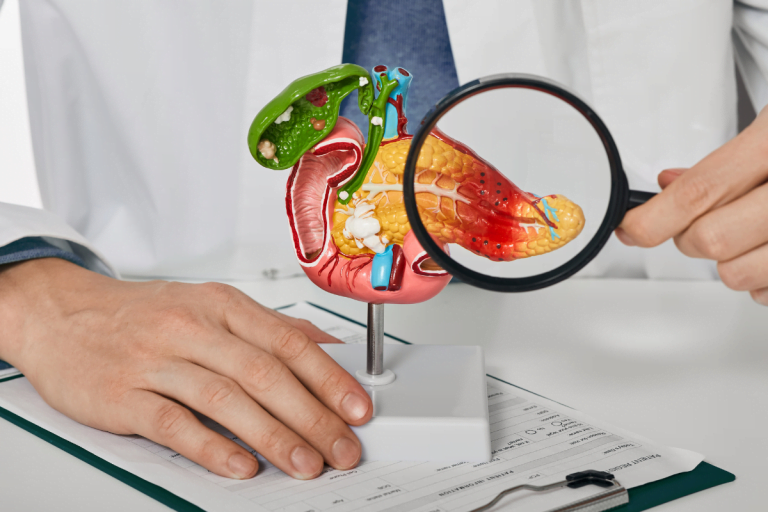
Can Wegovy Cause Pancreatitis? Risk Factors and Warning Signs
Concerns about GLP-1 medicines are rising, especially around the pancreas. Can Wegovy Cause Pancreatitis appears in many discussions because abdominal pain sometimes…
Read more →
Can Wegovy Cause Heartburn? Symptoms, Risks, and Relief
Yes, can Wegovy cause heartburn is a reasonable concern. Wegovy (semaglutide) can slow stomach emptying, which may leave food and acid in…
Read more →
Ozempic and Fatty Liver Disease: Safety and Monitoring
Ozempic and fatty liver disease can overlap safely for some people, especially when semaglutide is prescribed for type 2 diabetes or weight-related…
Read more →
Wegovy Gastrointestinal Side Effects: Relief and Red Flags
Wegovy gastrointestinal side effects are common, especially when treatment starts or the dose increases. Nausea, diarrhea, constipation, vomiting, reflux, bloating, and stomach…
Read more →
Diabetes and Liver Disease: Symptoms, Risks, and Care
Diabetes and liver disease often overlap because the liver helps store, release, and process glucose. When liver fat, inflammation, scarring, or cirrhosis…
Read more →Digestive concerns can be confusing, especially when medications, meals, and chronic conditions overlap. This gastrointestinal articles archive brings together educational posts about digestive symptoms, medication side effects, diabetes therapies, weight management treatments, and related care questions. Use it to compare topics, choose a starting article, and decide which questions belong with your clinician.
The word gastrointestinal refers to the digestive system, including the gastrointestinal tract from the mouth through the intestines. On this archive, the focus is practical reading rather than diagnosis. You can scan for plain-language explainers, medication-specific side effect discussions, food-related questions, and links into related product or condition collections.
How These Gastrointestinal Articles Are Organized
Posts are organized around the way readers usually arrive: a symptom, a medicine name, a food concern, or a treatment comparison. Many entries focus on GLP-1 receptor agonists (medications that mimic a gut hormone involved in blood sugar and appetite signals), because digestive effects often appear in those discussions. Other posts connect digestive questions with diabetes, weight management, and nutrition.
- Managing Nausea With Ozempic helps readers sort nausea-related questions tied to one medication discussion.
- Ozempic Foods to Avoid focuses on meal patterns, trigger foods, and preparation questions.
- Semaglutide, Ozempic, and Rybelsus Side Effects gives a broader side-effect reading path across related therapies.
- GLP-1 Explained helps connect medication class terms with next-step questions.
Choose a Starting Point by Question
These gastrointestinal articles work best when you start with your main question. Someone searching gastrointestinal meaning may need a definition first. A reader comparing nausea, reflux, constipation, diarrhea, or appetite changes may need a side-effect explainer. A caregiver asking about signs of stomach problems in adults may need a safety-focused article before a product category.
| Browsing goal | Best starting point | What to compare |
|---|---|---|
| Understand a term | Background explainers and glossary-style posts | Clinical wording, plain-language meaning, and related conditions |
| Review a medication experience | Side-effect or food-focused articles | Symptom timing, listed medication, and questions for the prescriber |
| Compare treatments | Victoza vs Ozempic and similar comparisons | Drug class, format, condition focus, and discussion points |
| Move into broader care topics | Type 2 Diabetes Articles | Blood sugar context, medication education, and long-term care questions |
Medication Effects, Food Questions, and Symptom Patterns
Digestive symptoms can overlap across medication effects, gastrointestinal infection, diet changes, stress, and chronic disease. That overlap is why the archive separates symptom explainers from product listings. Use side-effect articles to understand terms and prepare notes; use product categories only when you need a medication-class browse page.
The Rybelsus Side Effects article narrows questions around one oral therapy. The Weight Management Articles archive covers appetite, treatment expectations, and lifestyle-related reading. If your question becomes product-led, the GLP-1 Agonists Product Category keeps class-based medication listings separate from educational posts.
Why it matters: A symptom name alone rarely explains the cause or the right next step.
When Reading Should Become a Clinical Conversation
Articles can help you name gastrointestinal symptoms, but they cannot diagnose a gastrointestinal tract disease or confirm gastrointestinal infection treatment. New, severe, persistent, or worsening symptoms deserve direct medical guidance. Ask a qualified professional before changing a prescribed medicine, dose, meal plan, or monitoring routine.
CanadianInsulin.com works as a prescription referral platform when medication questions move beyond reading. Where required, prescription details may be checked with a prescriber before medication access steps continue. This archive should support preparation, not replace gastroenterology (digestive health specialty) care or advice from your own medical team.
Related Browse Pages for Broader Context
If your question sits between digestive health and metabolic care, adjacent pages can narrow the next click. The Type 2 Diabetes Condition Page groups condition-aligned browsing. The Weight Management Product Category is product-led, while editorial pages stay focused on reading and interpretation.
These links are useful when an article raises a different kind of question. A side-effect post may lead to a comparison article. A diabetes topic may lead to a condition page. A medication-class question may belong in a product collection instead of the article archive.
Keep the Search Focused
Gastrointestinal articles are easiest to use when you start with one goal. Decide whether you need a definition, a symptom overview, a medication-specific explainer, a comparison, or product category navigation. If you are looking for a list of gastrointestinal diseases, use the category as a starting point for terms, then confirm condition-specific information with reliable clinical guidance.
Quick tip: Write down the medication name, symptom timing, and recent food changes before an appointment.
This collection supports browsing across digestive terms, medication education, diabetes topics, and weight management reading. Start with the resource type that matches your question, then move outward only when the page points to a clearer next category or product list.
This content is for informational purposes only and is not a substitute for professional medical advice.
This content is for informational purposes only and is not a substitute for professional medical advice.
Frequently asked questions
About reading the Gastrointestinal archive.
What does gastrointestinal mean on this page?
Here, gastrointestinal means content related to the digestive system, including the stomach, intestines, and related symptoms such as nausea, reflux, constipation, or diarrhea. The category is an article archive, so it organizes educational posts rather than diagnosing a condition. Use the page to choose a reading path before discussing symptoms with a clinician.
Where should I start if medication side effects are my main concern?
Start with the article that names the medication or drug class you are researching. Side-effect posts are better first reads than product listings when you need terminology, symptom patterns, or questions for a prescriber. Do not change a prescribed dose or stop treatment based only on an article; discuss concerns with a qualified professional.
Are product categories the same as the articles in this archive?
No. Product categories organize medication or product listings for comparison, while this archive organizes educational reading. An article may explain side effects, food questions, or treatment comparisons. A product category is more useful when you already need to browse medication classes or related product options, not when you need symptom interpretation.
Can these articles explain a gastrointestinal infection?
Some articles may help you understand digestive terms or symptoms, but they should not be used to confirm an infection or choose treatment. A gastrointestinal tract infection can have different causes and may need clinical evaluation. Use the archive for background reading, then rely on a clinician for diagnosis, testing, and treatment decisions.
Browse by medical condition
Products and reading lists grouped by condition, from A to Z.
All medical conditions →Looking for a medication?
Prices in USD, shown before you pay. Prescription required.
Shop all medications →The contents of CanadianInsulin.com are for informational purposes only and should not be considered medical advice. We do not guarantee the accuracy of the content on CanadianInsulin.com, nor do we assume any responsibility for any actions taken using the information found on our website. Always consult with your family physician or a qualified health care provider about any health or medical concerns.