
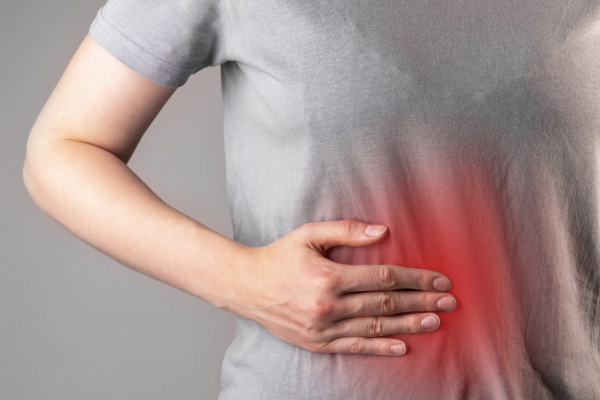
Diabetes and liver disease often overlap because the liver helps store, release, and process glucose. When liver fat, inflammation, scarring, or cirrhosis affects that system, blood sugar can become harder to predict. The connection also works the other way: insulin resistance and long-term high glucose can raise the risk of fatty liver disease, now often called MASLD (metabolic dysfunction-associated steatotic liver disease). This matters because early liver disease may cause few symptoms, even when scarring risk is rising.
Key Takeaways
- Shared pathways: Type 2 diabetes and fatty liver often overlap through insulin resistance, abdominal weight gain, and high triglycerides.
- Symptoms can be quiet: Many people feel well until liver inflammation, fibrosis, or cirrhosis becomes more advanced.
- Tests need context: Liver enzymes, platelets, imaging, glucose records, and A1C each show only part of the picture.
- Daily patterns matter: Sugary drinks, alcohol, refined carbohydrates, and portion size often affect both glucose and liver health.
- Medication review is essential: Diabetes treatment choices can change when liver function is reduced, especially with cirrhosis.
How Diabetes and Liver Disease Affect Each Other
Diabetes can affect the liver mainly through insulin resistance and metabolic stress, not usually through one simple injury. In type 2 diabetes, cells respond less strongly to insulin. The liver may keep releasing glucose even when the body already has enough. At the same time, excess energy and high triglycerides can promote fat storage inside liver cells.
Fat in the liver is not always harmless. Some people develop MASH (metabolic dysfunction-associated steatohepatitis), which means liver fat is present with inflammation and liver cell injury. Over time, repeated injury can lead to fibrosis, or scar tissue. Advanced scarring is called cirrhosis, and it can change how the liver handles glucose, medicines, clotting proteins, bile, and toxins.
These risks often travel with other metabolic conditions. If you are trying to understand the wider pattern, Metabolic Syndrome explains how blood pressure, triglycerides, waist size, and glucose can cluster together. The overlap matters because treating only one number may miss the larger metabolic picture.
Liver disease can also contribute to high blood sugar. A scarred or inflamed liver may process insulin and glucose less predictably. In earlier stages, insulin resistance can push glucose higher. In advanced cirrhosis, poor appetite, infections, alcohol exposure, vomiting, and reduced glycogen storage can also raise the risk of low blood sugar. That mixed pattern is one reason liver history matters when diabetes plans are reviewed.
Why it matters: Blood sugar changes may reflect both diabetes control and liver function.
The connection is strongest for type 2 diabetes and MASLD, but it is not limited to type 2. People with type 1 diabetes can also develop liver conditions. Some are related to wide glucose swings, while others come from alcohol, viral hepatitis, autoimmune disease, medications, or inherited conditions. Not every abnormal liver test in a person with diabetes is caused by diabetes.
Symptoms and Warning Signs That Deserve Attention
Diabetes and liver disease symptoms can be subtle, especially early on. Many people with fatty liver disease have no symptoms. Others notice fatigue, vague right upper abdominal discomfort, nausea, or an enlarged liver found during an exam or scan. These signs can overlap with sleep problems, medication effects, anemia, thyroid disease, and infection, so testing is often needed.
People often ask about the four warning signs of a damaged liver, but there is no safe four-sign rule. Some symptoms are more urgent than others. Contact a clinician promptly, or seek urgent care, when symptoms suggest significant liver injury, bleeding, infection, or confusion.
- Yellow skin or eyes: Jaundice can signal bilirubin buildup.
- Dark urine: Tea-colored urine may occur with bile flow problems.
- Pale stools: Clay-colored stools can suggest blocked bile flow.
- New swelling: Belly or leg swelling can occur with cirrhosis.
- Bleeding signs: Vomiting blood or black stools need urgent care.
- New confusion: Sleepiness or disorientation may signal toxin buildup.
Itching, easy bruising, loss of appetite, nausea, and unplanned weight loss also deserve attention. These symptoms do not confirm liver disease on their own. They should prompt a medical review, especially when they are new, worsening, or paired with abnormal blood tests.
High or low glucose can complicate the picture. For example, fatigue may come from hyperglycemia, hypoglycemia, anemia, liver inflammation, poor sleep, or infection. Repeated lows, frequent highs, or sudden changes in appetite should be discussed with the clinician who manages your diabetes medicines.
Fatty Liver, Prediabetes, and Type 2 Diabetes Risk
Fatty liver and diabetes commonly overlap because both conditions share insulin resistance as a central driver. Prediabetes can also occur with MASLD, even before diabetes is diagnosed. This does not mean prediabetes always causes liver disease. It means the same metabolic environment can increase risk for both conditions.
Risk tends to be higher when abdominal weight gain, high triglycerides, low HDL cholesterol, high blood pressure, sleep apnea, or a family history of metabolic disease is present. Alcohol use can add another layer, because alcohol can directly injure the liver and can also affect glucose patterns. Viral hepatitis, autoimmune liver disease, hemochromatosis, and medication-related injury may also coexist with diabetes.
For readers interested in medication classes being studied in metabolic care, Ozempic and Fatty Liver Disease discusses semaglutide in the context of fatty liver research and diabetes care. That kind of information should support, not replace, diagnosis and treatment decisions with a clinician.
Weight loss, when appropriate, may reduce liver fat and improve insulin resistance. The plan should be safe and sustainable. Crash diets, long fasts, and unreviewed supplements can be risky, especially for people using insulin or medicines that can cause hypoglycemia. A registered dietitian can help adapt general advice to medication timing, culture, budget, kidney status, and liver disease stage.
Blood Tests, Imaging, and Fibrosis Scores
A diabetes and liver function test review usually starts with blood work, but the phrase “liver function test” can be misleading. ALT and AST are liver enzymes that often rise when liver cells are irritated or injured. Alkaline phosphatase and bilirubin can point toward bile duct or bile flow problems. Albumin and INR can better reflect how well the liver is making proteins and clotting factors.
Platelet count can also matter. Lower platelets may occur for many reasons, but in liver disease they can be a clue to portal hypertension, which means increased pressure in the blood vessels that flow through the liver. Clinicians may combine age, AST, ALT, and platelets in a fibrosis risk score. They may also use ultrasound, FibroScan, MRI-based tests, or referral to a liver specialist when scarring risk is unclear.
The calculator below can help estimate a FIB-4 score from age, AST, ALT, and platelet count. It is only a screening-style calculation for discussion. It does not diagnose liver disease, replace imaging, or set treatment goals.
FIB-4 Calculator
Estimate liver fibrosis risk from age, AST, ALT, and platelet count.
These calculations are for education only and do not replace clinical advice, diagnosis, or treatment. Always confirm medical decisions with a qualified healthcare professional.
Diabetes monitoring adds another layer. A1C estimates average glucose over about three months, but it can be less reliable in advanced liver disease, anemia, recent bleeding, transfusions, or some blood disorders. In those situations, clinicians may place more weight on glucose logs, continuous glucose monitor data, fructosamine, or other measures.
Ask which results are being watched and why. A mildly elevated ALT in a person with type 2 diabetes may lead to repeat testing and metabolic risk review. A high bilirubin, prolonged INR, falling platelets, or symptoms of confusion may need faster evaluation. The pattern matters more than one isolated number.
Diet, Alcohol, and Daily Habits That Affect Both Conditions
A diabetes and liver disease diet is usually less about one forbidden food and more about repeat patterns. Sugary drinks, frequent refined carbohydrates, large portions, low fiber intake, heavy alcohol exposure, and abdominal weight gain can all stress glucose control and liver health. Nutrition advice still needs to fit the person, diagnosis, medicines, and other medical conditions.
For fatty liver, it is often more useful to think in terms of foods and drinks to limit. Examples include sugar-sweetened beverages, large servings of sweets, frequent white bread or refined grain snacks, highly processed foods, and heavy saturated fat intake. These patterns can make weight, triglycerides, and post-meal glucose harder to manage.
Many care plans emphasize vegetables, beans or lentils when tolerated, whole grains in measured portions, lean protein, unsaturated fats, and lower-sugar drinks. People using insulin or sulfonylureas may need consistent carbohydrate intake to reduce hypoglycemia risk. Kidney disease, gastroparesis, pregnancy, eating disorder history, and cirrhosis can all change nutrition advice.
Alcohol deserves a specific conversation. Some people with liver disease are advised to avoid it completely. Others need individualized limits based on diagnosis, scarring, medicines, and past alcohol use. If alcohol is part of your routine, GLP-1 and Alcohol may help frame broader questions about appetite, glucose patterns, and medication-related considerations.
Quick tip: Bring a typical day of meals, drinks, and glucose readings to appointments.
Diabetes Medicines When Liver Function Is a Concern
Medication decisions become more complex when liver disease is present. The liver helps process some medicines, supports glucose storage, and affects clotting, appetite, infection risk, and fluid balance. A medicine that is reasonable for one person with mild fatty liver may be unsuitable for another person with decompensated cirrhosis.
Metformin is commonly used in type 2 diabetes, and many people search for metformin and liver disease or metformin and fatty liver. The key point is that metformin is a diabetes medicine, not a stand-alone fatty liver treatment. Product labeling includes cautions around hepatic impairment because severe illness, heavy alcohol use, kidney problems, and poor tissue oxygenation can raise concern for lactic acidosis, a rare but serious acid buildup. Do not start, stop, or restart it based only on liver enzyme results. A prescriber should review the full context.
A factual medication page for Metformin can help you recognize the medicine name, but liver suitability requires clinical review. Kidney function, alcohol intake, heart failure, dehydration, and acute illness can all change the risk discussion.
Insulin may be needed in many forms of diabetes and during serious illness, but cirrhosis can make glucose more variable. Poor appetite, vomiting, infections, or reduced glycogen stores can increase low-glucose risk. On the other hand, inflammation and stress hormones can raise glucose. Dose changes should be clinician-directed rather than guessed from one reading.
Other diabetes medicines, including GLP-1 receptor agonists, SGLT2 inhibitors, DPP-4 inhibitors, sulfonylureas, and thiazolidinediones, each have different cautions. Some may affect weight, appetite, fluid balance, kidney function, hypoglycemia risk, or gastrointestinal symptoms. For background on one major class, SGLT2 Inhibitors explains how these medicines fit into diabetes, heart, and kidney care.
Herbal products and bodybuilding supplements deserve caution. Some can injure the liver or interact with diabetes medicines. Natural does not mean liver-safe. Bring supplement labels to appointments, especially if liver enzymes are elevated or symptoms are unexplained.
Type 1 Diabetes, Glycogen Buildup, and Cirrhosis Context
Type 1 diabetes and liver disease can overlap in ways that differ from type 2 diabetes. One less common condition is glycogenic hepatopathy, where excess glycogen builds up in liver cells. Glycogen is the stored form of glucose. Clinicians usually consider it in the setting of wide glucose swings and insulin-treated diabetes, and it can cause liver enlargement and elevated liver enzymes.
Glycogenic hepatopathy can resemble fatty liver on routine testing, so it should not be self-diagnosed. Clinicians may consider glucose patterns, imaging, blood tests, and sometimes specialist evaluation. The main point is practical: elevated enzymes in type 1 diabetes can have several causes, and the cause affects the care plan.
Diabetes and liver cirrhosis can interact through insulin resistance, altered drug handling, reduced glucose storage, and higher infection risk. High blood sugar and cirrhosis may occur together, but low blood sugar can also become more dangerous. A1C may be harder to interpret if anemia, bleeding, or altered red blood cell turnover is present.
People also ask how long someone can live with cirrhosis. There is no single answer. Prognosis depends on the cause, stage, complications, alcohol exposure, cancer screening, infection history, nutrition, kidney function, and treatment access. Compensated cirrhosis can look stable for years, while decompensated cirrhosis with fluid buildup, bleeding, jaundice, or confusion needs specialist care.
Questions to Bring to Your Appointment
Managing diabetes and liver disease is usually a team process. Primary care, endocrinology, hepatology, pharmacy, and nutrition support may all play roles. The most useful next step is often a focused conversation that connects symptoms, lab patterns, medicines, alcohol exposure, and glucose data.
- Diagnosis: Which liver condition is most likely, and what else is being ruled out?
- Scarring risk: Do my tests suggest fibrosis or cirrhosis risk?
- Glucose data: Is A1C reliable for me, or should other measures be used?
- Medication safety: Which diabetes medicines need review because of liver status?
- Low-glucose risk: Do appetite changes or cirrhosis affect hypoglycemia risk?
- Nutrition plan: Should I see a registered dietitian for diabetes and liver goals?
- Alcohol guidance: Should I avoid alcohol completely for my diagnosis?
- Follow-up timing: Which symptoms or lab changes should trigger faster care?
For broader browsing, the Diabetes Articles collection includes related educational posts. If you are reviewing medicine names or categories, the Diabetes condition page can help with navigation, but it should not be used as personal medical advice.
Authoritative Sources
These sources informed the clinical framing and safety cautions in this article.
- CDC overview of type 2 diabetes and liver disease
- AASLD clinical guidance on metabolic dysfunction-associated steatotic liver disease
- DailyMed prescribing information for metformin products
This content is for informational purposes only and is not a substitute for professional medical advice.


