

Nephrology Articles and Resources
Plain-language guides on medications, conditions and everyday care, to read before you talk with your prescriber or pharmacist.
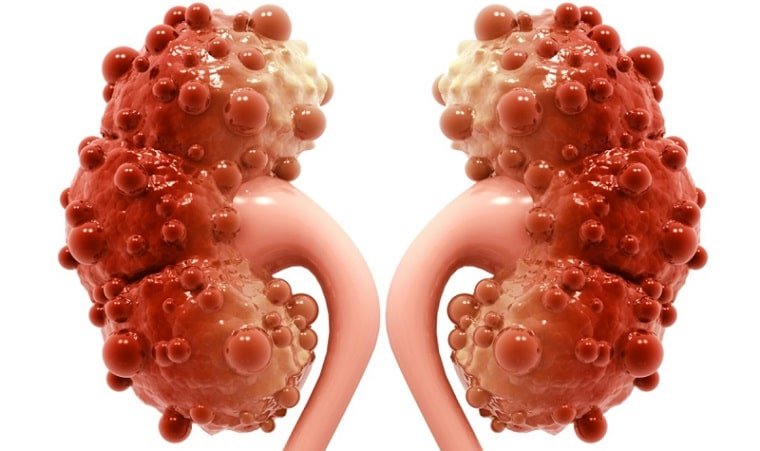
Renal Cysts and Diabetes Syndrome: Signs, Genes, and Care
Renal cysts and diabetes syndrome is a rare inherited or new genetic condition in which kidney cysts or kidney structural changes occur…
Read more →
Nephrogenic Diabetes Insipidus: Diagnosis and Treatment
Nephrogenic diabetes insipidus is a condition in which the kidneys do not respond properly to antidiuretic hormone, also called arginine vasopressin, so…
Read more →
Farxiga Uses and Benefits: How Forxiga Fits Into Care
Dapagliflozin, sold as Farxiga and Forxiga in different markets, is a medicine used in type 2 diabetes and, in some patients, chronic…
Read more →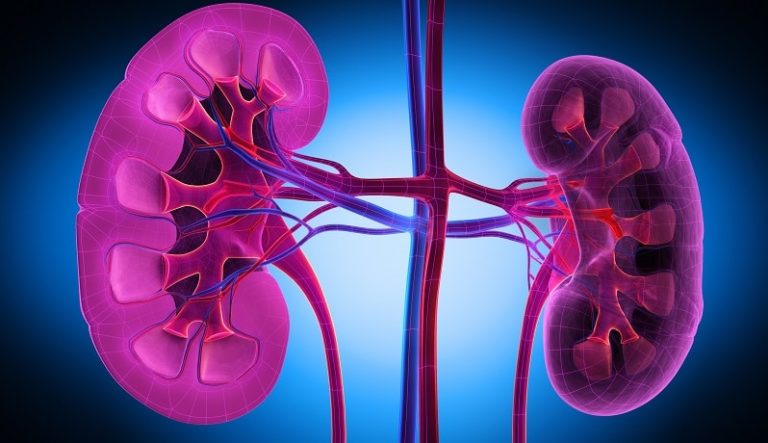
Diabetic Nephropathy: Stages, Diagnosis, and Treatment
Diabetic nephropathy is kidney damage caused by diabetes, usually detected first through extra albumin protein in the urine. It can develop silently…
Read more →
Insulin and Hyperkalemia: Mechanism, Glucose, and Safety
Insulin and hyperkalemia are linked because insulin can move potassium from the bloodstream into cells, lowering serum potassium for a limited time.…
Read more →
Diabetes Insipidus Complications: Signs, Risks, and Care
The main diabetes insipidus complications are dehydration and electrolyte imbalance, especially hypernatremia (a high sodium level in the blood). They happen when…
Read more →
Hyperkalemia vs Hypokalemia: Symptoms, Causes, and Care
Hyperkalemia means there is too much potassium in the blood. Hypokalemia means there is too little. In hyperkalemia vs hypokalemia, the key…
Read more →
Hypokalemia Explained: Signs, Symptoms, Causes, and Treatment
Potassium helps nerves, muscles, and the heart work reliably. When levels drop, hypokalemia can cause fatigue, cramps, and dangerous heart rhythm changes.…
Read more →
Hyperkalemia: Signs, Symptoms, Causes, and Treatment Guide
Hyperkalemia is a common electrolyte disorder that needs careful evaluation. This guide explains what it is, how it affects the heart, and…
Read more →
Metabolic Acidosis: Symptoms, Causes, and Treatment
Metabolic acidosis happens when the body builds up too much acid or loses too much bicarbonate, causing blood pH to fall. It…
Read more →Nephrology articles on CanadianInsulin.com bring together patient-friendly reading about kidney care, diabetes-related kidney concerns, electrolytes, and related medication topics. Use this archive to scan explanations, compare article themes, and move from broad kidney disease questions to focused resources. It can help patients and caregivers prepare clearer questions before discussing symptoms, lab results, or treatment options with a clinician.
How to Use These Nephrology Articles
Nephrology is kidney medicine, and this archive keeps that topic organized for readers who need practical background rather than a medical textbook. Start with the question you are trying to answer. Some readers need a plain-language definition of a condition. Others want to understand why diabetes, potassium, blood pressure, or certain medicines appear in kidney care discussions.
These Nephrology articles work best when you use them as navigation tools. Scan titles for the main concern, then open the resource that matches your current question. If a topic involves medication, dialysis (a blood-filtering treatment), kidney failure, or abnormal lab results, use the article to prepare for a clinical conversation, not to make changes on your own.
What This Kidney Care Archive Covers
The collection is strongest where kidney care overlaps with diabetes, potassium balance, and long-term medication monitoring. It also connects readers to condition pages and product categories when a question shifts from reading to item-level browsing.
- Diabetes-related kidney changes: Start with Diabetic Kidney Disease or Diabetic Nephropathy when you want background on renal (kidney) function, albumin (protein) in urine, and diabetes-related kidney damage.
- Potassium and acid-base topics: Use Hyperkalemia Signs and Symptoms or Hypokalemia vs Hyperkalemia to compare high and low potassium language.
- Medication class explainers: The SGLT2 Inhibitors Guide explains a diabetes medicine class often discussed in diabetes, heart, and kidney care.
- Product navigation: The Nephrology Products collection is separate from articles and can help readers compare listed kidney-related items by name or category.
How to Narrow the Archive Without Getting Lost
Kidney topics overlap quickly, so choose the article type before choosing the detail level. A symptom article helps you understand vocabulary. A condition page helps you collect related resources. A medication-class article helps you frame questions about benefits, risks, and monitoring. That order keeps the page useful even when your search begins with a broad phrase like types of kidney disease or nephrology treatment.
- Choose a condition term first, such as chronic kidney disease, diabetic kidney disease, or hyperkalemia.
- Then decide whether you need symptoms, lab language, treatment categories, or diet discussion.
- Use medicine articles for context, then confirm personal risks with your prescriber or kidney care team.
Quick tip: Keep your latest medication list and lab terms nearby while reading.
Avoid comparing two resources by title alone. One page may explain a condition, while another may focus on a medicine class or product category. Read the introduction and headings first, then decide whether the article matches your actual question.
Medication, Access, and Safety Notes
Some linked pages point to products or product categories. Treat those pages as item-specific references, not as recommendations. Product pages may help you identify names, forms, or categories, while the article archive helps you understand the vocabulary around them.
CanadianInsulin.com is a prescription referral platform, so medication pages may note when prescriber confirmation is required. Kidney function, potassium levels, and other lab values can affect whether a medication is appropriate. Always confirm prescription details, monitoring needs, and possible interactions with a licensed clinician.
Common Kidney Care Questions in This Archive
The questions below reflect common reasons readers move through this archive. They can point you toward the right resource type without turning the page into personal medical advice.
| Question type | Useful starting point |
|---|---|
| Nephrologist role | Look for explainers that define kidney care, referrals, and how nephrologist vs urologist roles differ. |
| Symptoms by sex | Symptom searches, including kidney disease symptoms in females or males, should lead to general warning-sign articles and clinical follow-up. |
| Tests and lab language | Articles about urine albumin, blood creatinine, eGFR (estimated kidney filtering rate), potassium, and blood pressure help decode common monitoring terms. |
| Treatment categories | Start with broad resources when comparing diet discussions, medications, dialysis, or non-dialysis supportive care. |
Related Condition Pages for Focused Browsing
When an article names a condition, a condition collection can help you move from reading into more targeted browsing. The Kidney Disease Resources page keeps kidney-related condition material together. The Hyperkalemia Resources page focuses on high potassium, and Diabetic Kidney Disease Resources collects diabetes-linked kidney information.
Use these collections when you want grouped material rather than one article. They are also helpful when an article names a condition you want to compare with a medication category.
Use the Archive as a Starting Point
Nephrology articles can make kidney care language easier to sort, especially when diabetes, blood pressure, and electrolyte terms overlap. Keep notes on terms you do not recognize, questions you want answered, and links that match your diagnosis or medication list. Return to the archive when you need a new starting point, but keep medical decisions with your care team.
This content is for informational purposes only and is not a substitute for professional medical advice.
This content is for informational purposes only and is not a substitute for professional medical advice.
Frequently asked questions
About reading the Nephrology archive.
How are the Nephrology articles organized?
They are organized as an article archive for kidney care topics, with related links to condition pages and product categories when useful. Start with the topic that matches your question, such as diabetes-related kidney disease, potassium problems, medication classes, or dialysis terms. Use condition collections for grouped resources and product categories for item-level browsing.
What does a nephrologist do?
A nephrologist is a doctor who focuses on kidney care. They may review blood and urine tests, blood pressure patterns, electrolyte issues, and kidney function trends. A nephrologist differs from a urologist, who often manages structural or surgical urinary tract concerns. Individual testing and follow-up depend on your medical history and clinician assessment.
Why might someone be referred to a nephrologist?
A referral may happen after abnormal kidney blood tests, protein in the urine, difficult blood pressure control, recurrent electrolyte problems, or known kidney disease. Some warning signs can include swelling, urination changes, fatigue, or nausea, but early kidney problems may cause few symptoms. A clinician can explain whether referral is needed and what records to bring.
Can these resources explain kidney disease treatment options?
They can explain general terms around kidney disease treatment, including medication classes, diet discussions, dialysis, and kidney failure treatment without dialysis. They cannot decide which option fits a person. Kidney treatment decisions depend on lab results, diagnosis, other conditions, and personal goals, so use the articles to prepare questions for your care team.
Browse by medical condition
Products and reading lists grouped by condition, from A to Z.
All medical conditions →Looking for a medication?
Prices in USD, shown before you pay. Prescription required.
Shop all medications →The contents of CanadianInsulin.com are for informational purposes only and should not be considered medical advice. We do not guarantee the accuracy of the content on CanadianInsulin.com, nor do we assume any responsibility for any actions taken using the information found on our website. Always consult with your family physician or a qualified health care provider about any health or medical concerns.